Eco friendly Bamboo Handle Interdental Brushes Dental Floss Interdental Cleaners Between Teeth Dental Brush
- Category: >>>
- Supplier: Pesitro Healthcare Products Co. Ltd.
Share on (1601257035779):
Product Overview
Description
Products Description
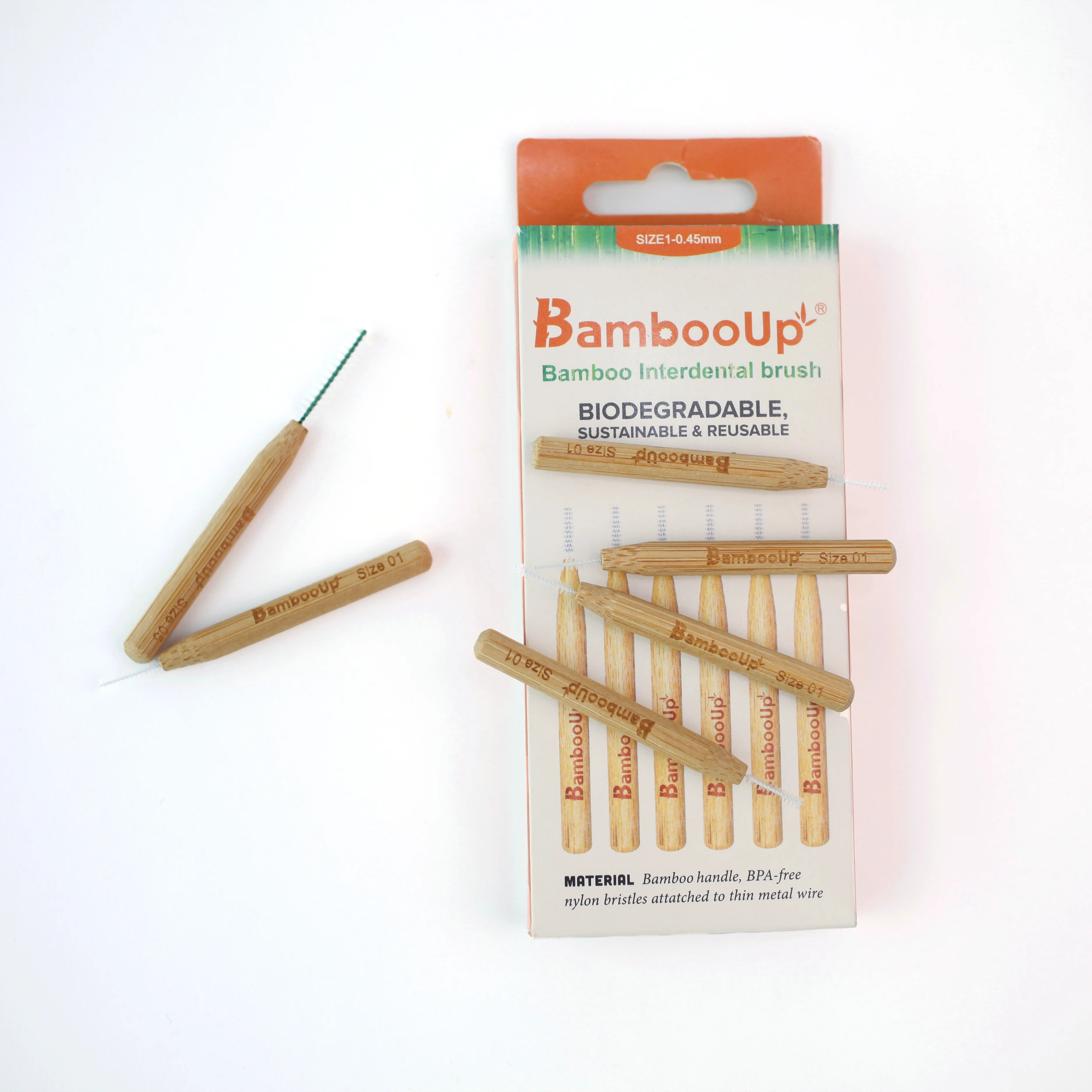
Product name | Bamboo interdental brush |
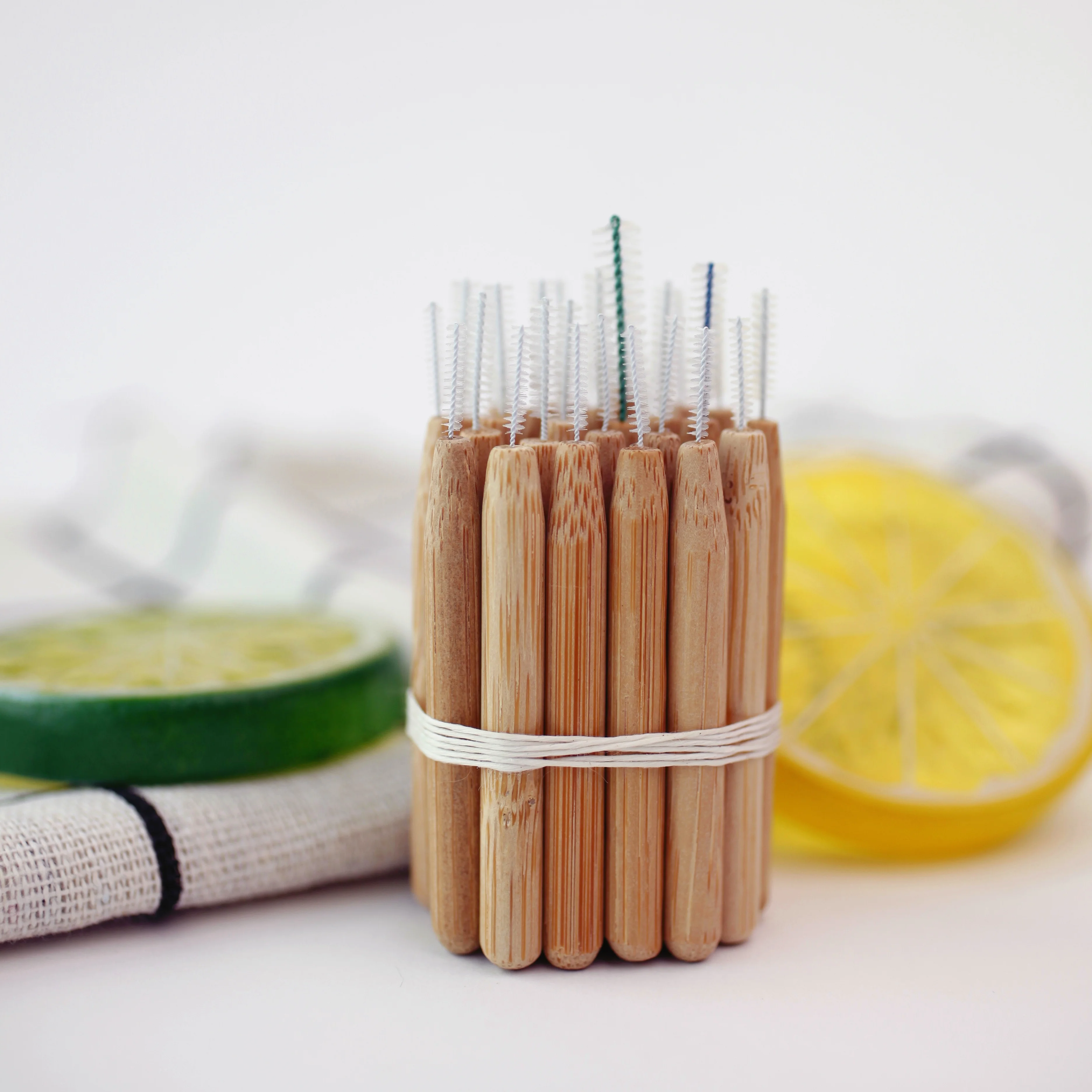
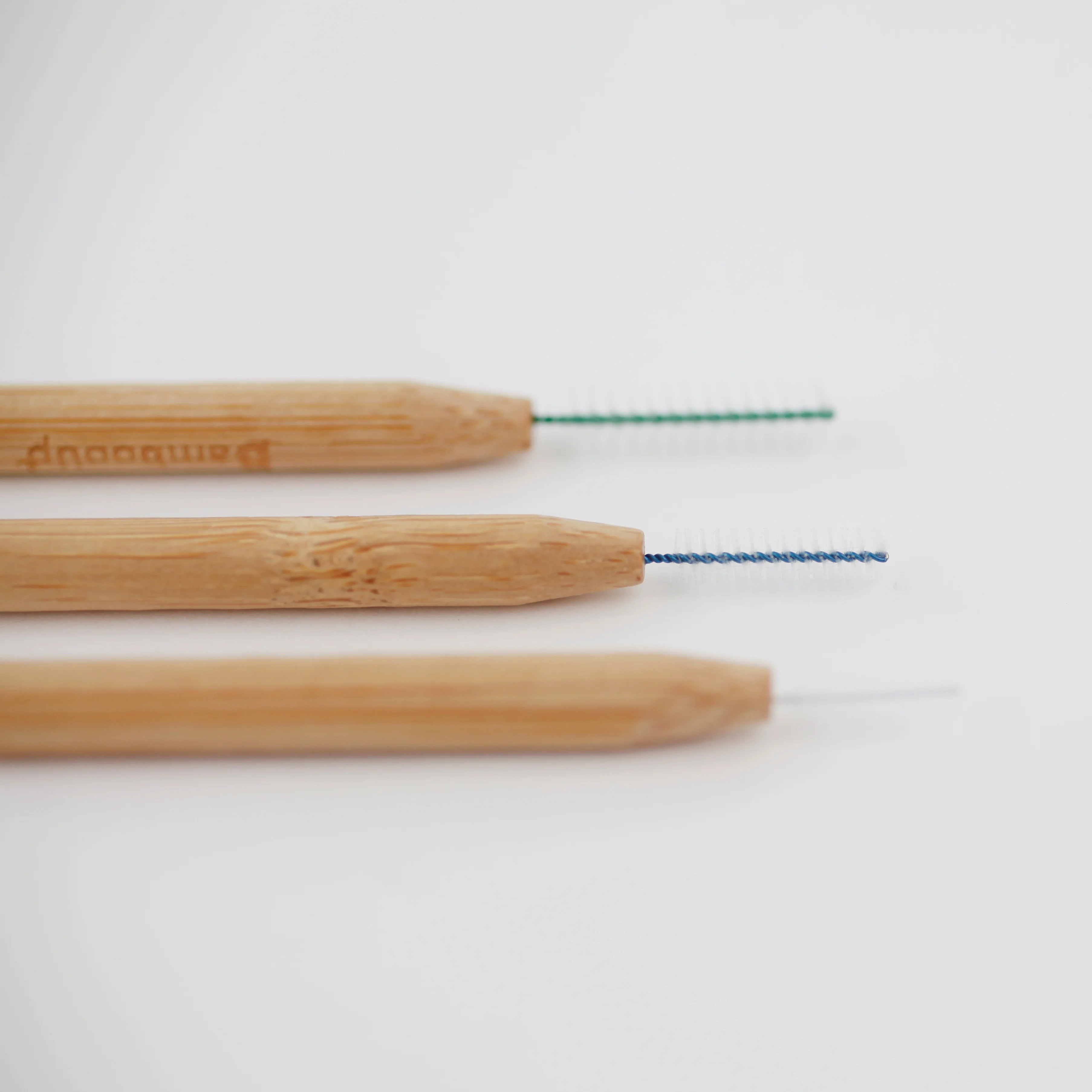
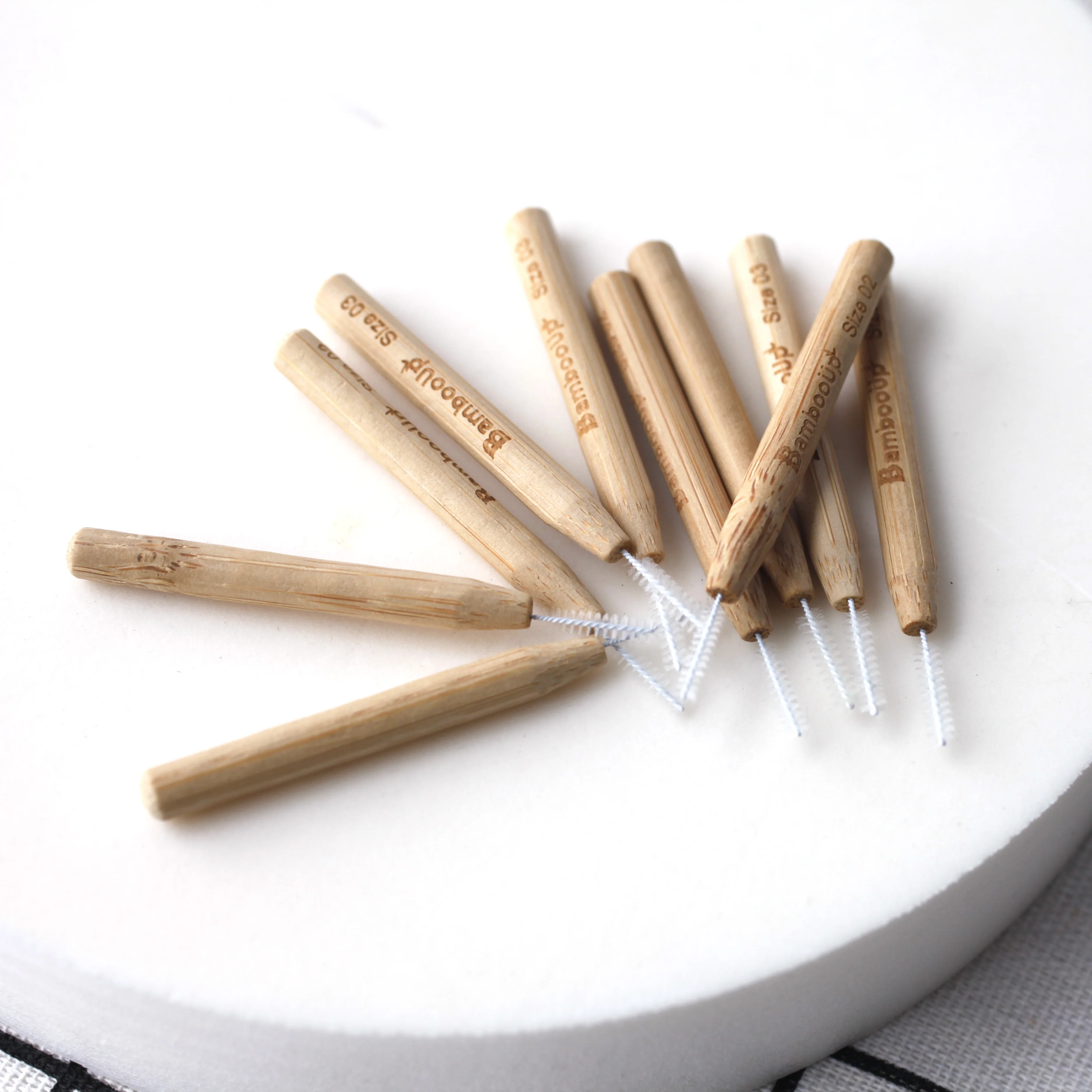
Handle material | 100% Natural Moso bamboo |
Bristle material | Dupont bristle |
Application | For home use |
Function | Cleaning the gap between the teeth |
Logo | Laser engrave |
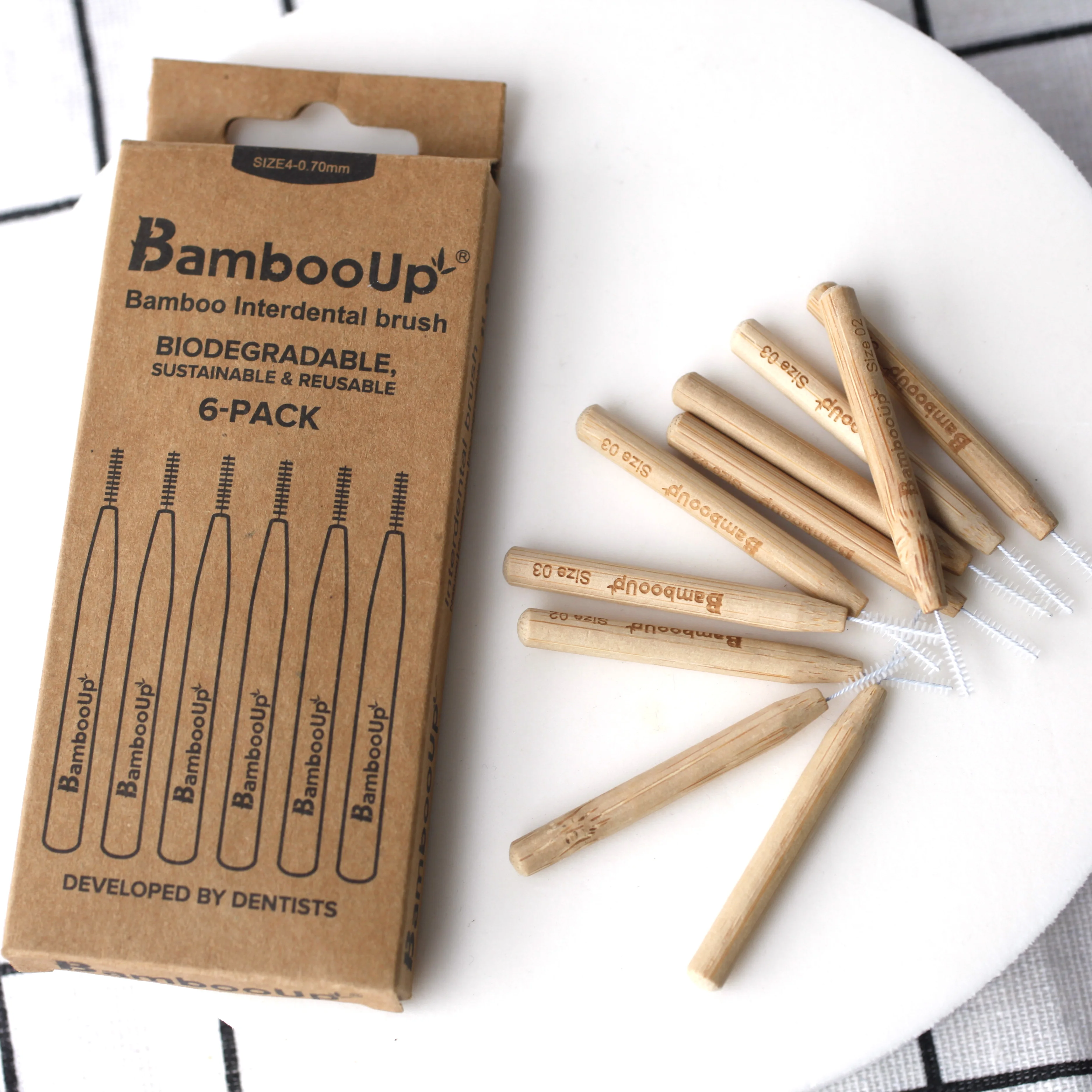
Packing | Kraft paper box or as per customer's requirements |

The handle
Made of 100% biodegradable Mao bamboo, an environmentally sustainable timber.
The bamboo is heat treated to carbonize the surface of the bamboo, giving it a quality finish and good service life.
The carbonization finishing process provides water resistance and prevents the growth of microbes (bacteria) during normal use.
The bamboo is heat treated to carbonize the surface of the bamboo, giving it a quality finish and good service life.
The carbonization finishing process provides water resistance and prevents the growth of microbes (bacteria) during normal use.
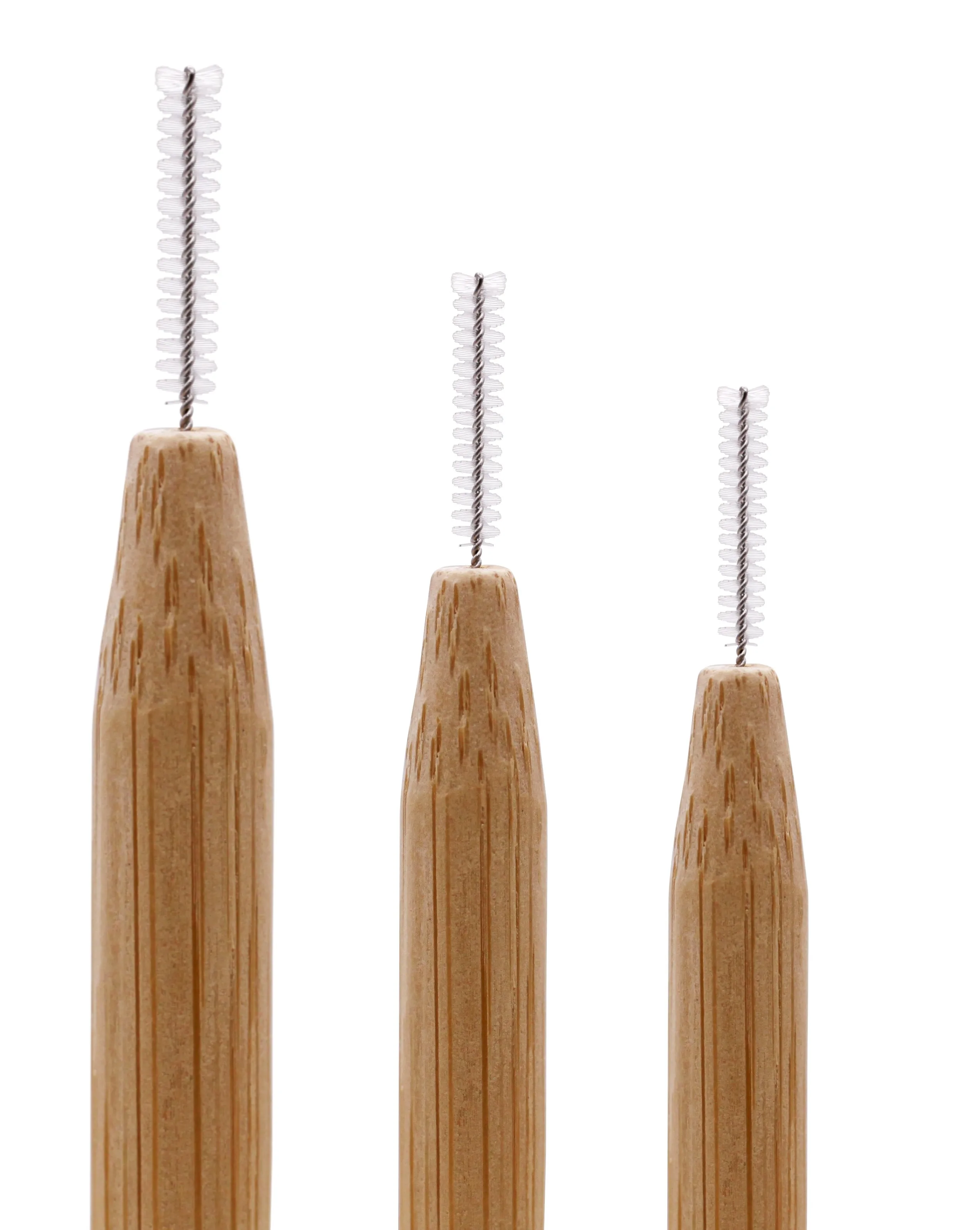
The bristles
High strength tension stainless wire + Dupont bristle


Customized Package
Packed with 100% recyclable white paper box or kraft paper box


FAQ
1.Can interdental brushes damage gums?
Used correctly, interdental brushes should clean plaque from the gumline between teeth but shouldn't cause any damage to the gums.However, it may take a few days to get the hang of it.
Do your gums hurt after using interdental brushes? It's normal for your gums to bleed a little when you first start using them.This is a sign of early gum disease (gingivitis), but your new cleaning habits will help improve your gum health. Keep up your brushing for a few days, and the bleeding should subside.
If any pain or bleeding continues for more than a week or two, speak to your dentist. You might need a professional teeth cleaning to remove tartar buildup. Or, it may be that you need to try a smaller size or angle the brush differently. Our instructions a little further down will help you avoid damaging your gums by using the wrong technique.
2.What's the difference between an interdental and interspace toothbrush?
An interspace toothbrush, or single-tufted toothbrush, is another type of brush designed to reach tricky spots in your mouth. It contains just one small bundle of filaments arranged in a point. Interdental brush filaments stick out to the sides.
Interspace brushes can be useful for cleaning around implants, crowns, bridgework and fixed braces, but they can't be used for cleaning between teeth. Ask your dentist if you're unsure which type of brush you should use.
Used correctly, interdental brushes should clean plaque from the gumline between teeth but shouldn't cause any damage to the gums.However, it may take a few days to get the hang of it.
Do your gums hurt after using interdental brushes? It's normal for your gums to bleed a little when you first start using them.This is a sign of early gum disease (gingivitis), but your new cleaning habits will help improve your gum health. Keep up your brushing for a few days, and the bleeding should subside.
If any pain or bleeding continues for more than a week or two, speak to your dentist. You might need a professional teeth cleaning to remove tartar buildup. Or, it may be that you need to try a smaller size or angle the brush differently. Our instructions a little further down will help you avoid damaging your gums by using the wrong technique.
2.What's the difference between an interdental and interspace toothbrush?
An interspace toothbrush, or single-tufted toothbrush, is another type of brush designed to reach tricky spots in your mouth. It contains just one small bundle of filaments arranged in a point. Interdental brush filaments stick out to the sides.
Interspace brushes can be useful for cleaning around implants, crowns, bridgework and fixed braces, but they can't be used for cleaning between teeth. Ask your dentist if you're unsure which type of brush you should use.
3.How to use interdental brushes?
Once you have selected the correct size brush for the gaps in your teeth, it can take some time to get used to interdental
brushing. It might help to stand in front of a mirror at first, until you can do it without looking.
Here are the steps for how to use an interdental brush:
1. Make sure you're using the correct size of brush for each gap.
2. Gently press the brush into the space between two teeth, along the gum. Twisting the brush slightly as you insert it can make insertion easier and also extend the life of the brush.
3. Brush backwards and forwards several times (unless your dentist instructs you to brush more or you are using a brush which only requires one stroke).
4. Carefully remove the brush and move onto the next gap. Change interdental brush sizes as you move around your mouth to ensure you're using the right size.
Once you have selected the correct size brush for the gaps in your teeth, it can take some time to get used to interdental
brushing. It might help to stand in front of a mirror at first, until you can do it without looking.
Here are the steps for how to use an interdental brush:
1. Make sure you're using the correct size of brush for each gap.
2. Gently press the brush into the space between two teeth, along the gum. Twisting the brush slightly as you insert it can make insertion easier and also extend the life of the brush.
3. Brush backwards and forwards several times (unless your dentist instructs you to brush more or you are using a brush which only requires one stroke).
4. Carefully remove the brush and move onto the next gap. Change interdental brush sizes as you move around your mouth to ensure you're using the right size.
4.Can we reuse interdental brushes?
Yes, absolutely. You only need to change your interdental brush when the bristles start to show signs of wear or the wire gives way. Each brush might last 1-2 weeks or more, depending on how much you use it. Certain manufacturers market their brushes as having better durability, so you might want to try a few and see which lasts longest for you.
If you don't like the idea of throwing away plastic brushes so often, check out the eco-friendly interdental brush options which we cover later on.Just like a normal toothbrush, you should rinse interdental brushes after each use to keep them clean.
Yes, absolutely. You only need to change your interdental brush when the bristles start to show signs of wear or the wire gives way. Each brush might last 1-2 weeks or more, depending on how much you use it. Certain manufacturers market their brushes as having better durability, so you might want to try a few and see which lasts longest for you.
If you don't like the idea of throwing away plastic brushes so often, check out the eco-friendly interdental brush options which we cover later on.Just like a normal toothbrush, you should rinse interdental brushes after each use to keep them clean.
We Recommend
New Arrivals
New products from manufacturers at wholesale prices