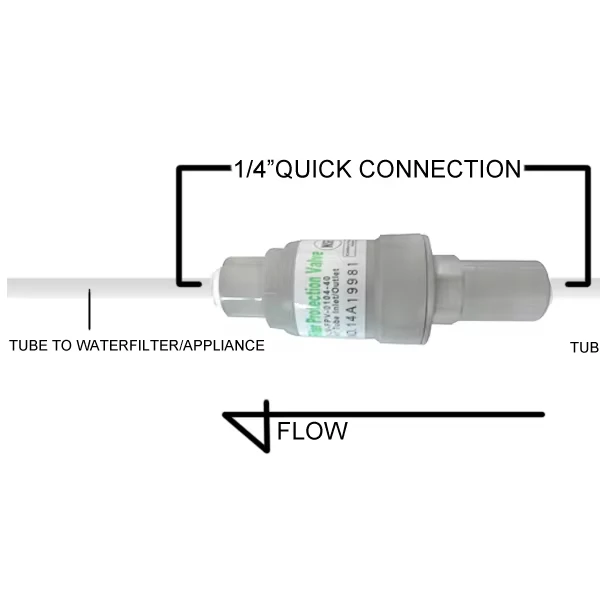
Pressure Limiting Valve
$3.82-4.82
Share on (1601257206735):
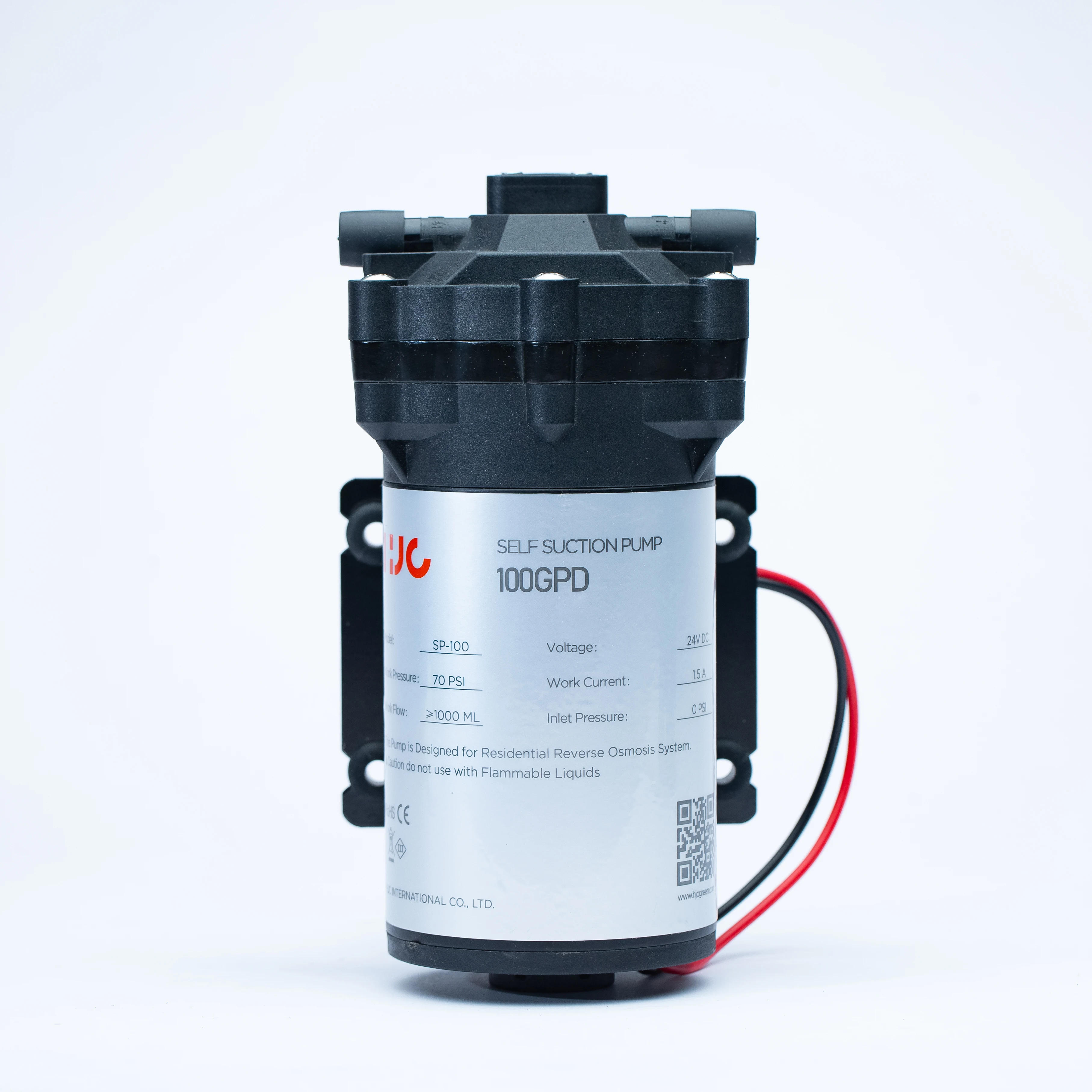
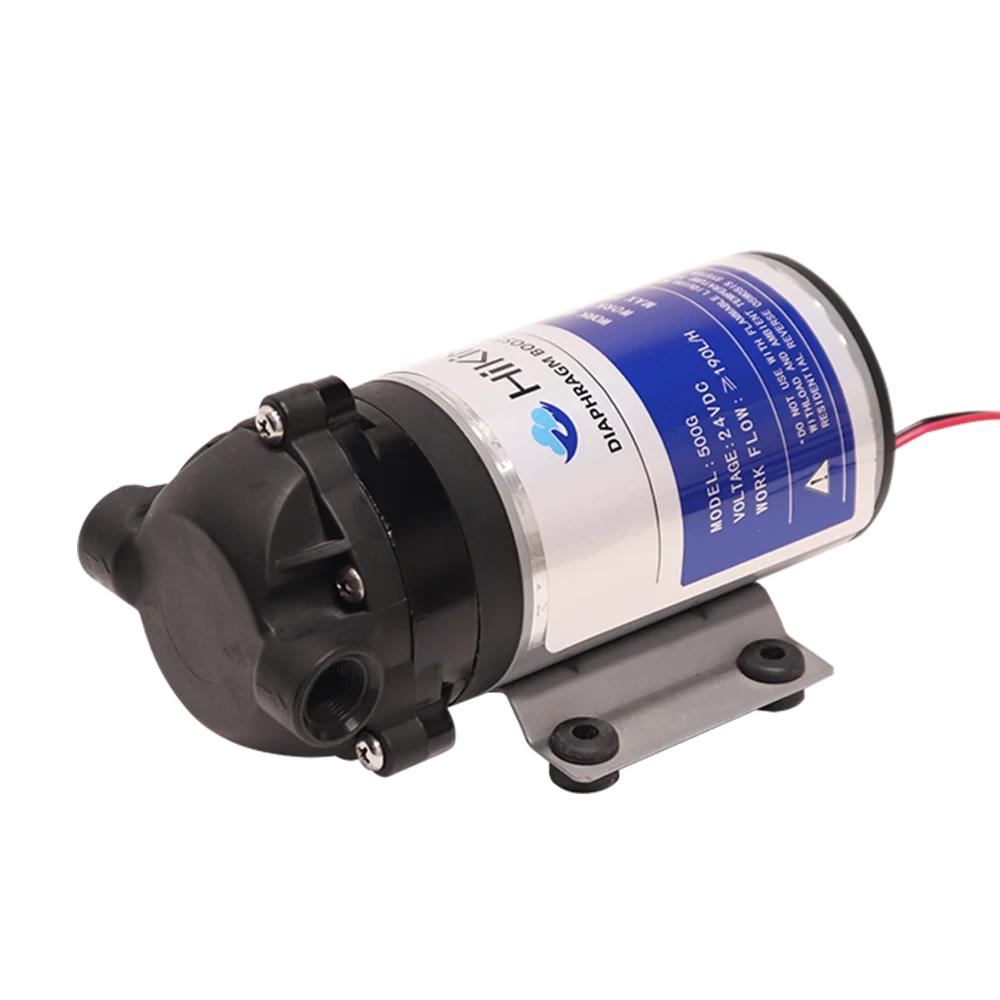
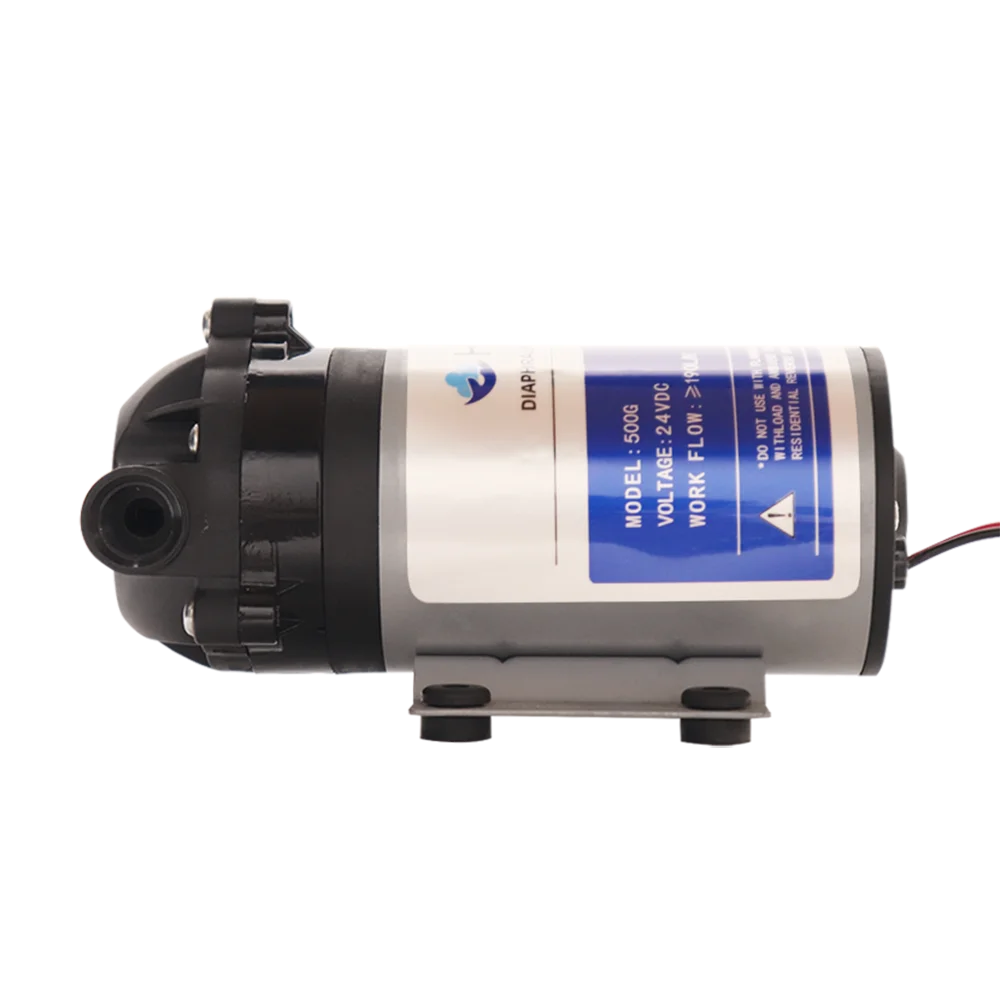
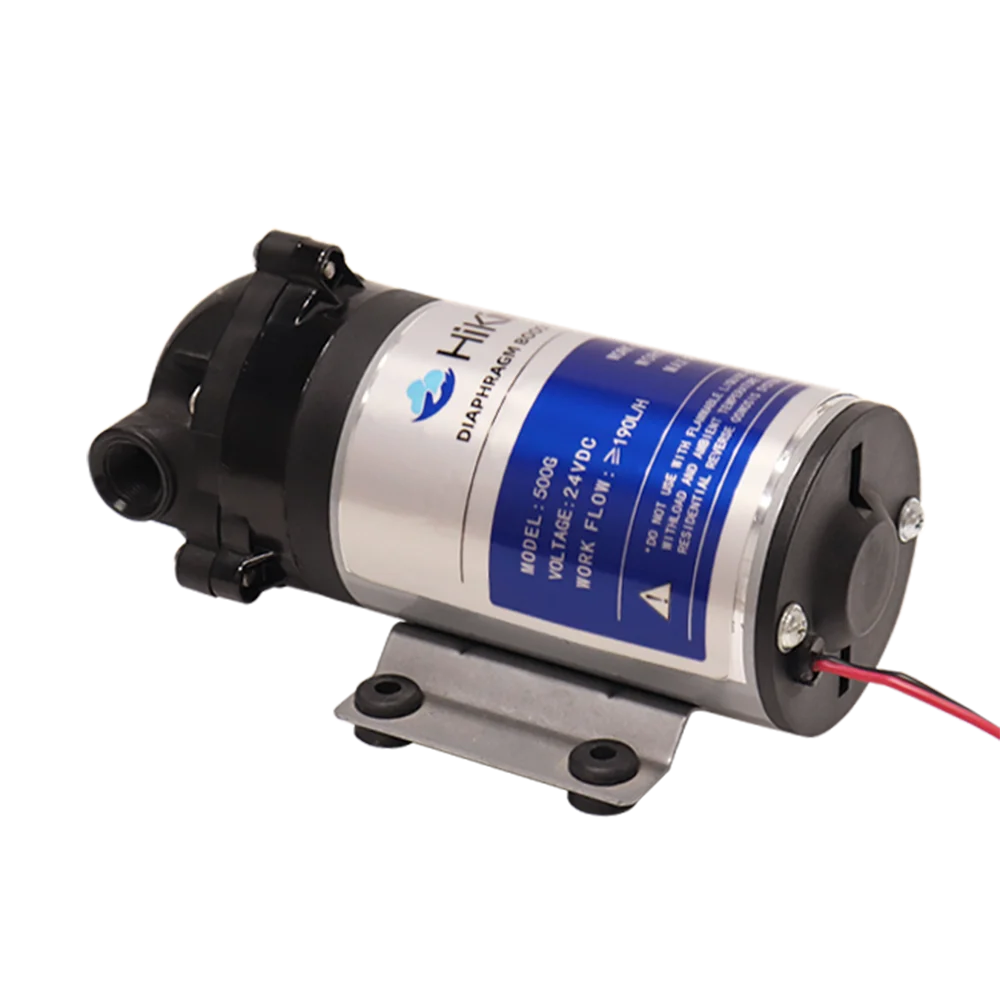
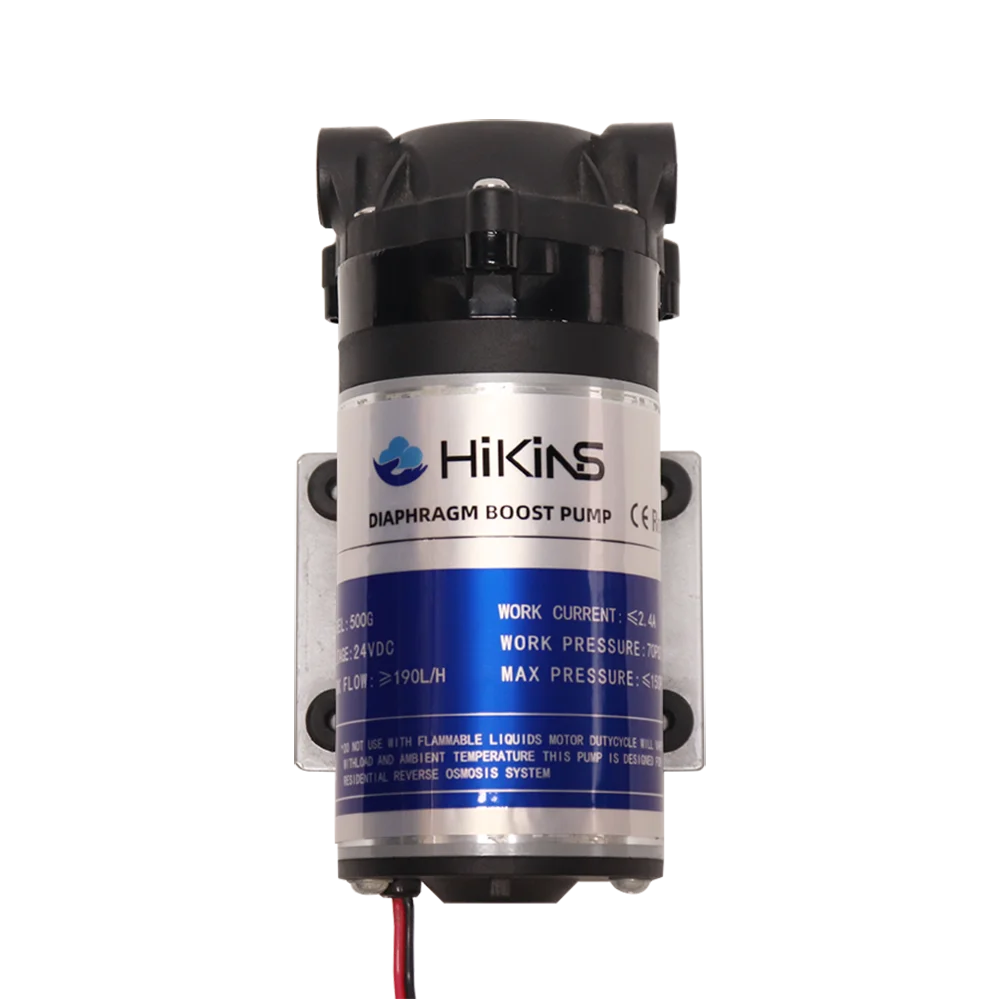
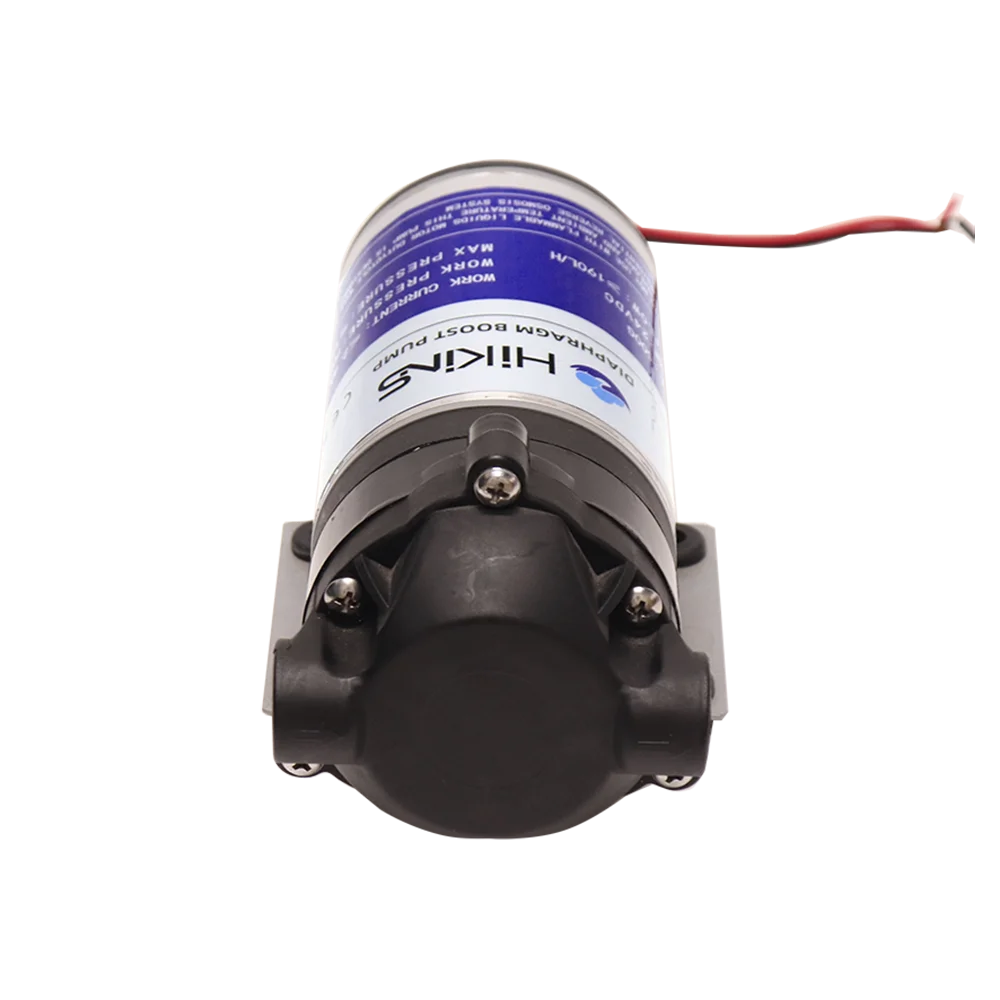
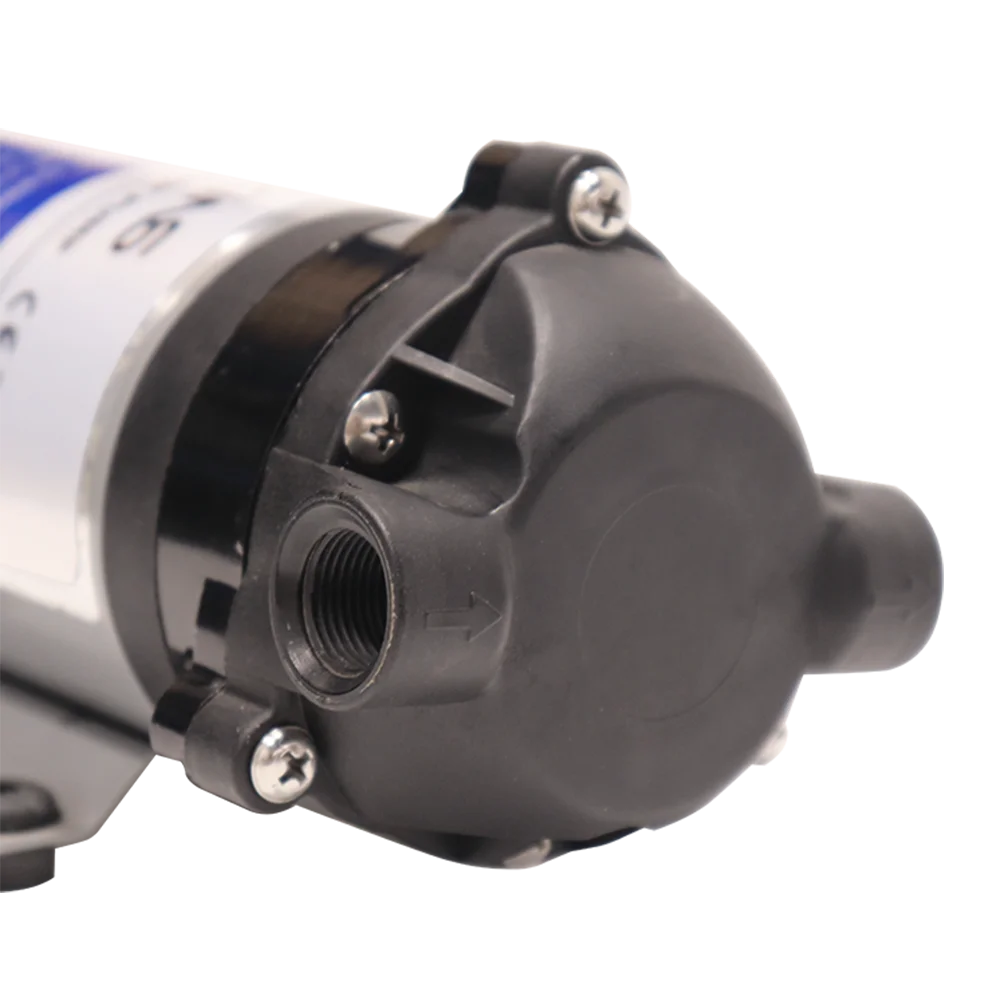
Hikins 500GPD 24VDC 3-Chamber Regular-size 220LPH Reverse Osmosis RO Diraphragm Boost Pump For Water Purifier


Q1: What is a diaphragm boost pump, and why is it used in RO water purifiers?
A1: A diaphragm boost pump is a type of pump used in Reverse Osmosis (RO) water purifiers to increase the incoming water pressure. RO systems require a certain level of water pressure to function efficiently, and this pump ensures that the system can operate even when the source water pressure is low.
Q2: How does the diaphragm boost pump work?
A2: The diaphragm boost pump works by using a flexible diaphragm that moves back and forth, creating a vacuum to draw water in and then pushing it out under higher pressure. This increased pressure is necessary for the RO membrane to effectively filter water.
Q3: Do I need a boost pump if my water pressure is already high?
A3: If your source water pressure is already within the optimal range (typically 50-100 PSI), a boost pump may not be necessary. However, if your pressure fluctuates or is on the lower side, the pump will help maintain consistent pressure for better purification performance.
Q4: How do I know if my RO system needs a diaphragm boost pump?
A4: You may need a boost pump if you notice slow water flow, low water output, or if the system shuts down due to low pressure. It's also essential if your home has low water pressure, typically below 40 PSI.
Q5: Is the diaphragm boost pump noisy?
A5: While the pump does produce some noise during operation, it is generally quiet and not disruptive. The noise level is similar to a small household appliance and varies depending on the installation location.
Q6: How long does a diaphragm boost pump last?
A6: The lifespan of a diaphragm boost pump can vary based on usage and water quality. On average, it can last anywhere from 2 to 5 years with proper maintenance. Regularly checking for wear and tear and ensuring clean, filtered water can extend the pump's life.
Q7: Can I install the diaphragm boost pump myself, or do I need a professional?
A7: Installation can be done by a knowledgeable DIYer, but it is recommended to hire a professional to ensure proper setup and avoid potential issues. Incorrect installation may lead to system malfunctions or reduced efficiency.
Q8: Does the pump require regular maintenance?
A8: Yes, regular maintenance is recommended to keep the pump functioning optimally. This includes cleaning the inlet filter, checking for leaks, and ensuring all connections are secure. It's advisable to follow the manufacturer's guidelines for maintenance intervals.
Q9: Will the pump affect the taste or quality of the water?
A9: No, the diaphragm boost pump does not affect the taste or quality of the water. It simply increases the pressure to help the RO membrane function more effectively. The filtration process remains unchanged.
Q10: What should I do if the pump stops working?
A10: If the pump stops working, first check for common issues such as a blown fuse, loose connections, or clogged filters. If the problem persists, it may require repair or replacement. Contact the manufacturer or a professional technician for assistance.
Q11: Can the pump be used with any RO water purifier?
A11: Diaphragm boost pumps are compatible with most standard RO water purifiers. However, it's essential to check the specifications to ensure compatibility with your specific model.
Q12: Where should the pump be installed in the RO system?
A12: The pump is typically installed before the RO membrane to increase the pressure of the feed water. The exact location may vary based on your system’s design, so refer to the installation manual for precise instructions.
.
New products from manufacturers at wholesale prices