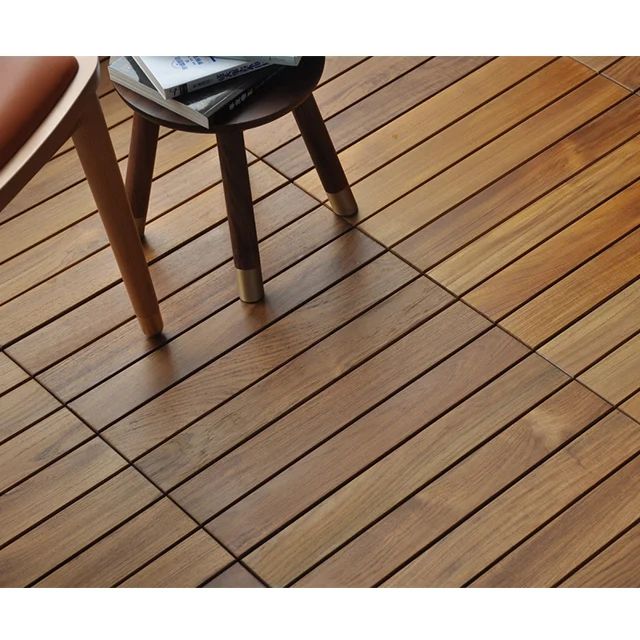
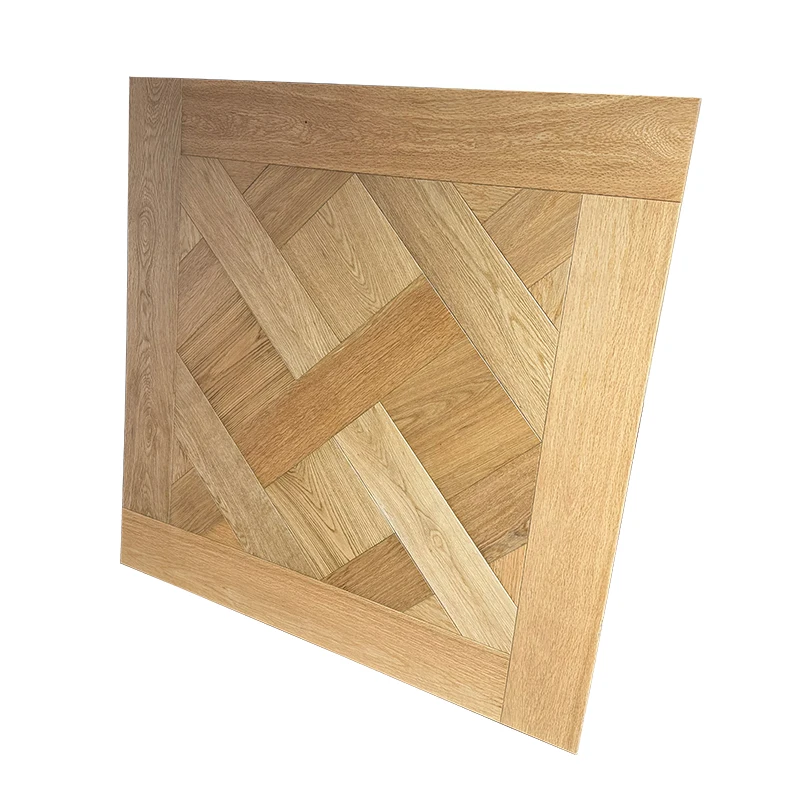
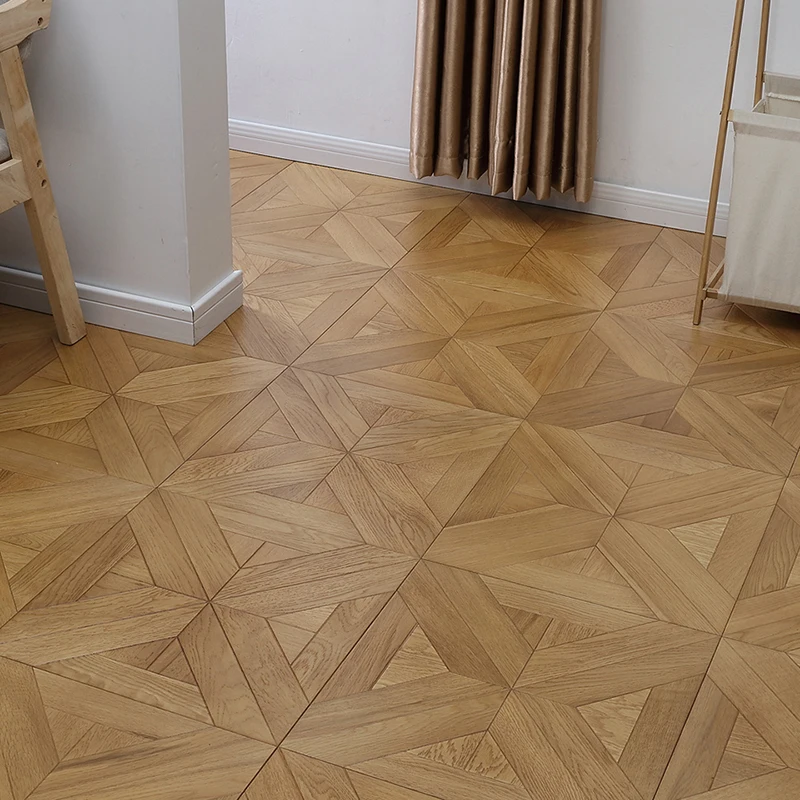
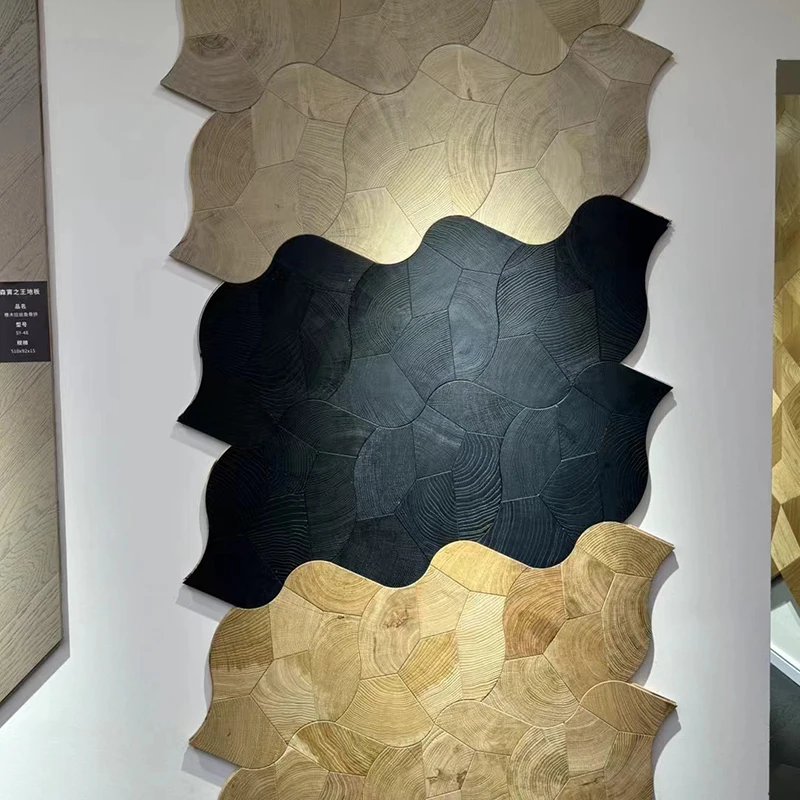
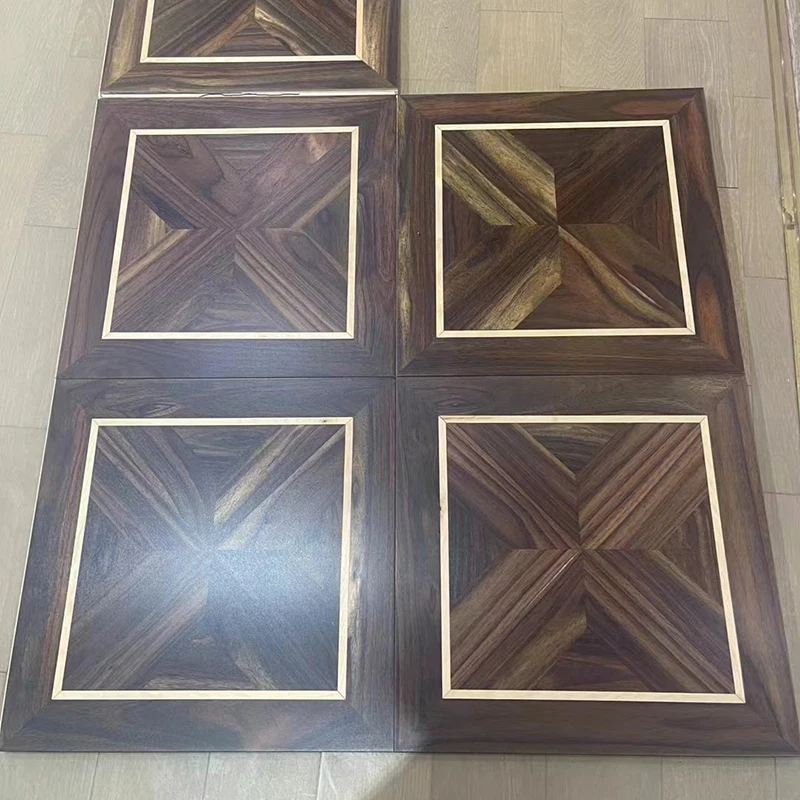
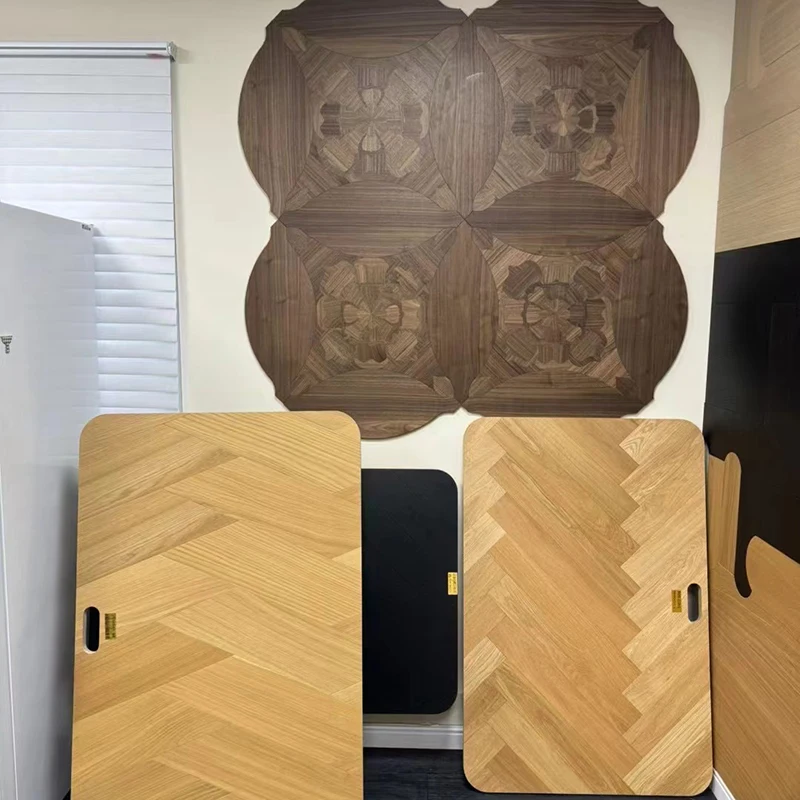
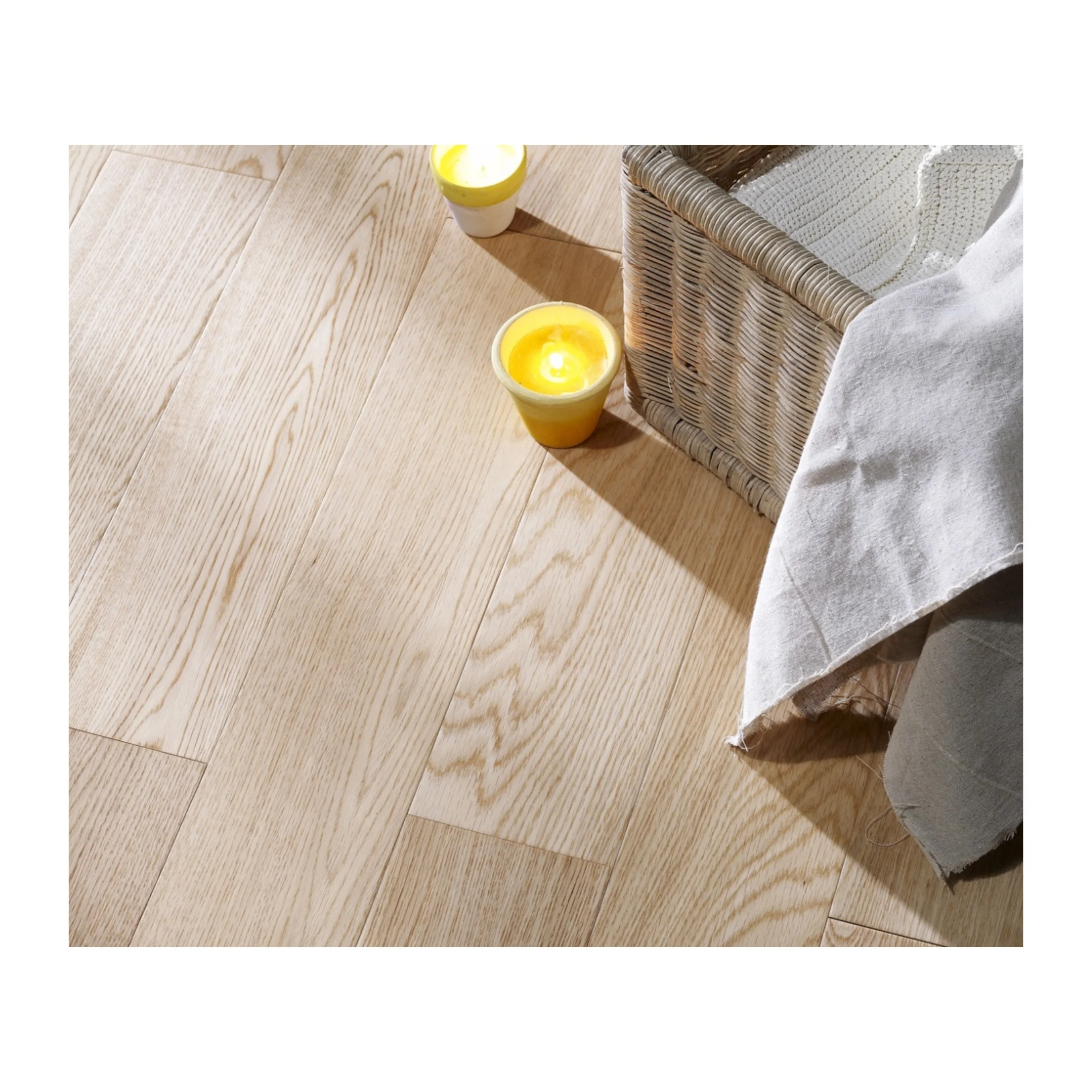
15Mm Background Wall Chinese Knot Art Oak Shaped Hardwood Floor White Colour Oak Parquet Floor Tiles
- Category: >>>
- Supplier: Jiangxi Jinghao Technology Development Co. Ltd.
Share on (1601258317215):
Product Overview
Description
What Is Parquet Flooring ?
Parquet flooring is a type of wooden flooring made from small blocks or strips of wood arranged in a regular and geometric pattern. The artistic arrangement of wood pieces in parquet flooring can bring a touch of elegance to any room. Here are some of the most popular patterns.
Type | Pattern | When to choose | ||||
Chevron | V-shaped pattern pointing in one direction | Best for rooms where you want to create a sense of movement or direction | ||||
Brick Pattern | Rectangular blocks arranged in a staggered pattern, like bricks in a wall | Suited for casual, rustic settings or where a simple, understated look is desired | ||||
Basket Weave | Perfect for spaces where a classic, intricate design is wanted | Perfect for spaces where a classic, intricate design is wanted | ||||
Herringbone | Interlocking rectangles, forming a zigzag pattern | Ideal for long, narrow spaces; offers a traditional yet dynamic look | ||||
Versailles | Complex grid design using squares and rectangles | Choose for grand spaces where a touch of luxury and sophistication is required | ||||
What Woods Are Used In Parquet Flooring?
The wood species you choose for your parquet flooring will not only determine its appearance but also its durability, longevity, and even its resistance to wear and tear. Here are some of the commonly used woods in parquet flooring:
Species | Highlights | When to Choose |
Oak | Durable, versatile, ranges from light to dark shades | For high-traffic areas; works well in both traditional and modern settings |
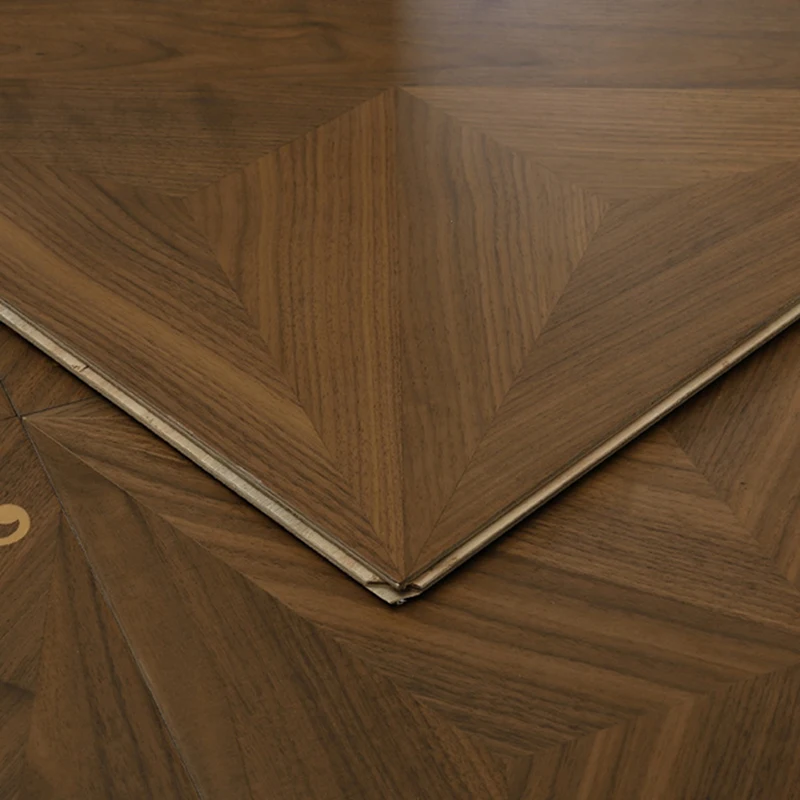
Walnut | Rich, dark tones with fine grain | For luxurious or contemporary interiors; best for low-traffic areas |
Maple | Light colour with subtle grain; highly durable | For bright, modern interiors; good for high-traffic areas |
Cherry | Reddish-brown colour that darkens with age | For rooms where a warm, mature look is desired; not ideal for high-traffic areas |
Pine | Light colour, often with knots; softer wood | For rustic or country-style interiors; best for low-traffic rooms |
Teak | Oily wood, durable, resists moisture | For bathrooms or rooms with high moisture content |
Bamboo | Technically a grass; strong, eco-friendly | For sustainable, contemporary interiors; suitable for moderate to high traffic |
Hickory | Very hard, with varied grain and colour range | For areas where extreme durability is required; also works in rustic settings |
Factory Display

FAQ
What Exactly is Parquet Flooring?
Parquet flooring is a specific style of wood flooring that employs small wooden blocks or strips arranged in geometric patterns.
These artistic designs bring an element of sophistication to any room. The patterns vary, including popular ones like
Herringbone,Chevron, Brick Pattern, Basket Weave, and Versailles.
What Kinds of Wood Are Commonly Used for Parquet Flooring?
Various types of wood species can be used in crafting parquet floors. The choice of wood can influence not just the look but also the longevity and durability of the floor. Some commonly used woods include Oak, Walnut, Maple, Cherry, Pine, Teak, Bamboo, and Hickory.
Why Are Oak and Walnut Particularly Popular Choices?
Oak is known for its durability and versatility and works well in high-traffic areas. It can be stained to fit different styles.
Walnut is popular for its luxurious look and rich, dark tones, making it an excellent choice for elegant spaces that are not
heavily used.
What Should I Consider When Selecting Wood for Parquet Flooring?
You should consider factors like durability, the area where the floor will be installed, and your budget. For instance, Oak is
ideal for high-traffic areas, whereas Walnut is more suited for luxurious but low-traffic settings. For moisture-prone areas like bathrooms, Teak would be a good choice.
Are There Any Downsides to Parquet Flooring?
While parquet floors offer a timeless aesthetic and durability, they can be on the expensive side, particularly if you opt for
high-quality wood like Oak or Walnut. The complex patterns may also mean higher installation costs. Furthermore, they may not be ideal for areas prone to moisture unless specifically treated for it.
Parquet flooring is a specific style of wood flooring that employs small wooden blocks or strips arranged in geometric patterns.
These artistic designs bring an element of sophistication to any room. The patterns vary, including popular ones like
Herringbone,Chevron, Brick Pattern, Basket Weave, and Versailles.
What Kinds of Wood Are Commonly Used for Parquet Flooring?
Various types of wood species can be used in crafting parquet floors. The choice of wood can influence not just the look but also the longevity and durability of the floor. Some commonly used woods include Oak, Walnut, Maple, Cherry, Pine, Teak, Bamboo, and Hickory.
Why Are Oak and Walnut Particularly Popular Choices?
Oak is known for its durability and versatility and works well in high-traffic areas. It can be stained to fit different styles.
Walnut is popular for its luxurious look and rich, dark tones, making it an excellent choice for elegant spaces that are not
heavily used.
What Should I Consider When Selecting Wood for Parquet Flooring?
You should consider factors like durability, the area where the floor will be installed, and your budget. For instance, Oak is
ideal for high-traffic areas, whereas Walnut is more suited for luxurious but low-traffic settings. For moisture-prone areas like bathrooms, Teak would be a good choice.
Are There Any Downsides to Parquet Flooring?
While parquet floors offer a timeless aesthetic and durability, they can be on the expensive side, particularly if you opt for
high-quality wood like Oak or Walnut. The complex patterns may also mean higher installation costs. Furthermore, they may not be ideal for areas prone to moisture unless specifically treated for it.
We Recommend
New Arrivals
New products from manufacturers at wholesale prices