New Portable Muscle Stimulator Device Wireless Tens Menstrual Period Cramp Pain Relief Tens Unit Body Massager
- Category: >>>
- Supplier: Shenzhen L-Domas Technology Ltd.
Share on (1601271134541):
Product Overview
Description
Products Description
Place of Origin | China |
Guangdong | |
Brand Name | DOMAS |
Model Number | 086 |
Type | Massage |
Application | Body |
Function | wireless remote control |
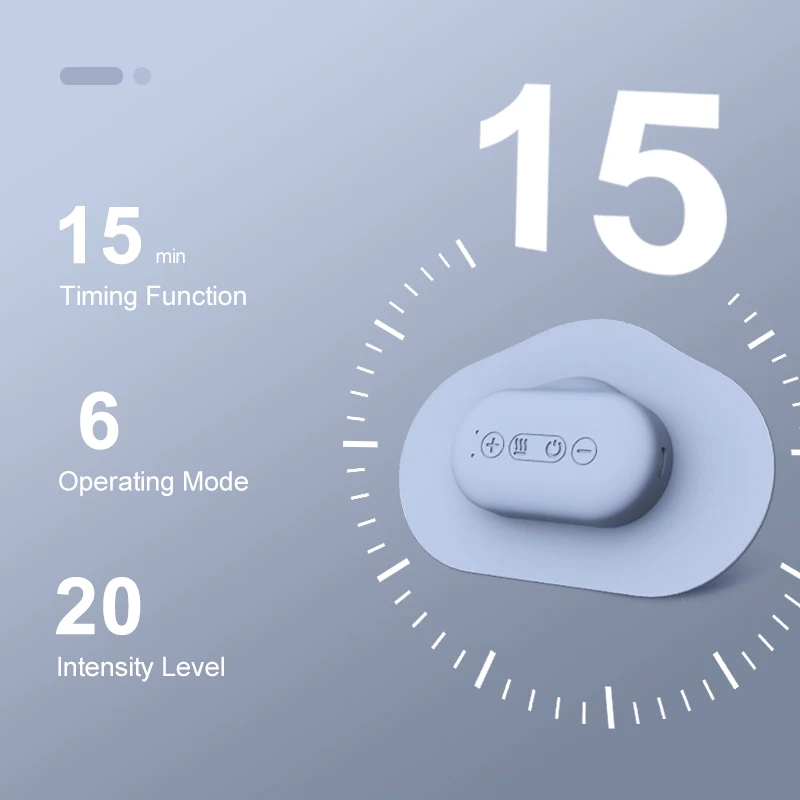
Multiple Model | 6Modes |
Features | Heating Mode for Dysmenorrhea |
Certificate | ISO13485, MDSAP, 510k,MDL,CE, Rohs, FCC,UKCA |
Material | PU |
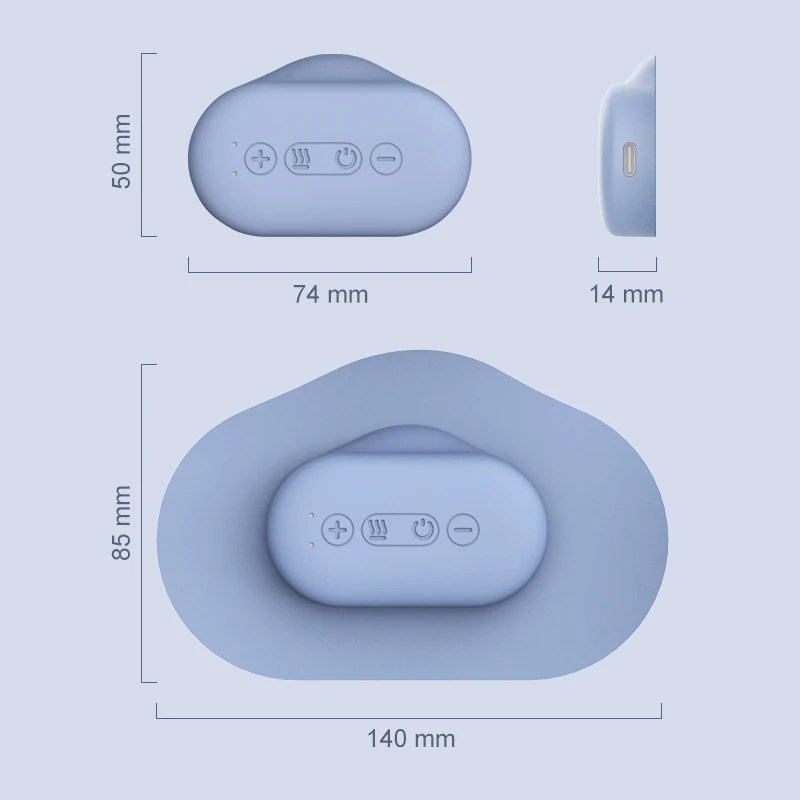
Size | 140*74*14mm |
Application | Rehabilitation Centre |
Service | OEM ODM |

feature:
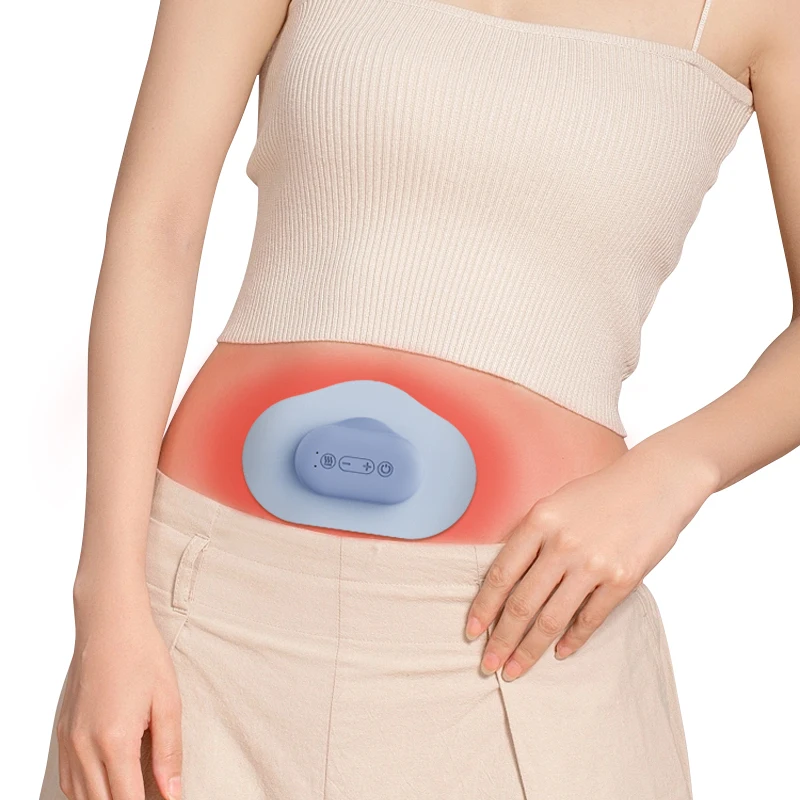
1. Pain Relief TENS Massager
6 massage modes, 20 intensities can be used to relieve pain of different degrees of dysmenorrhea
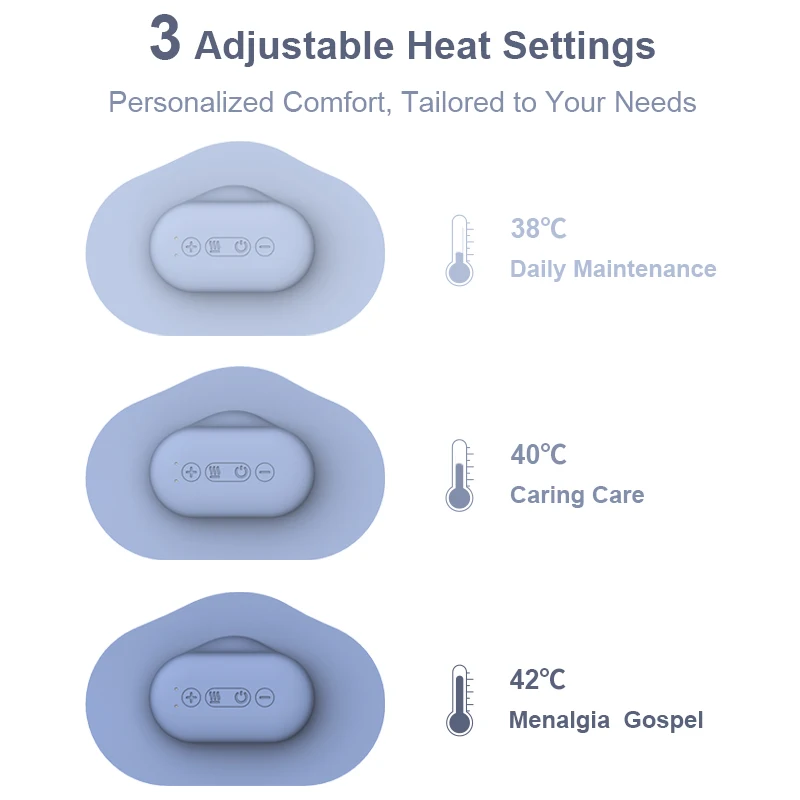
2. Heating upgrade design
---The heating design of the product can relieve dysmenorrhea and pain relief treatment, and the upgraded mode and intensity level can effectively relieve the problem of women's dysmenorrhea.
3. Wireless Pain Relief Device
--The wireless massager comes with a main device and a remote control for easy portability anywhere like travel or office. Convenient and practical, it can be used on the abdomen, back, shoulders, etc. It is easy to avoid the embarrassing situation of using the back to touch the controller, and it can also relieve the pain of your dysmenorrhea in a short time.
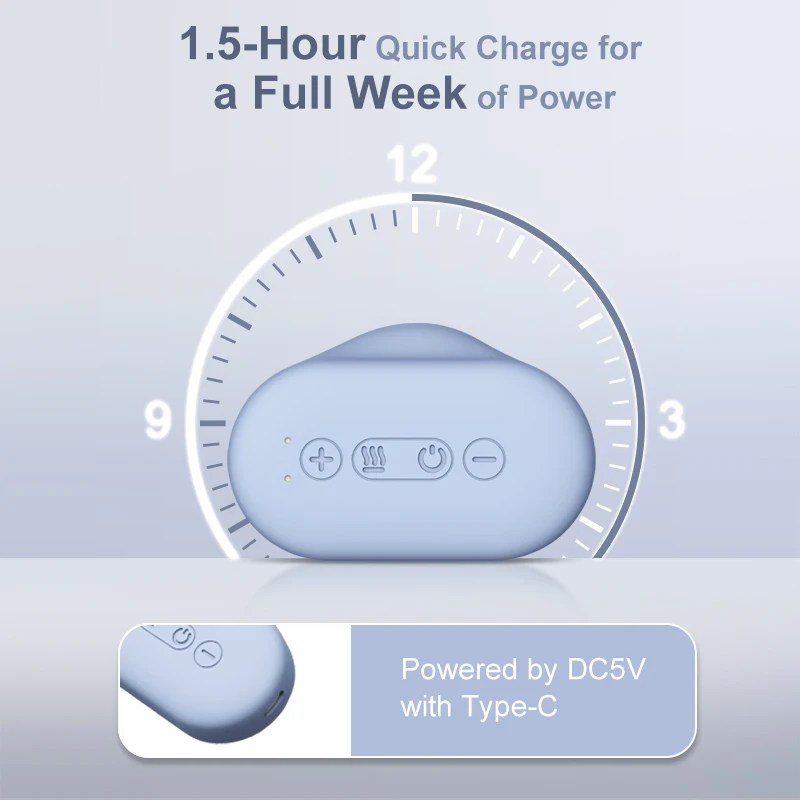
4. Rechargeable
--About 1 hour full charge can use about 3-4 hours, depending on different modes and intensity levels. The package includes the use of a Type C cable for easy charging in a power bank or other power source.
5. Warranty
--No artificial damage, our customer support team is willing to solve your problems at any time.
6. Skin-to-skin gel pads
--The gel pad is close to the skin, and the gel pad will not slip off when sweating. The gel pad effectively protects the skin from redness, swelling and airtightness when using the product for a long time.
6 massage modes, 20 intensities can be used to relieve pain of different degrees of dysmenorrhea
2. Heating upgrade design
---The heating design of the product can relieve dysmenorrhea and pain relief treatment, and the upgraded mode and intensity level can effectively relieve the problem of women's dysmenorrhea.
3. Wireless Pain Relief Device
--The wireless massager comes with a main device and a remote control for easy portability anywhere like travel or office. Convenient and practical, it can be used on the abdomen, back, shoulders, etc. It is easy to avoid the embarrassing situation of using the back to touch the controller, and it can also relieve the pain of your dysmenorrhea in a short time.
4. Rechargeable
--About 1 hour full charge can use about 3-4 hours, depending on different modes and intensity levels. The package includes the use of a Type C cable for easy charging in a power bank or other power source.
5. Warranty
--No artificial damage, our customer support team is willing to solve your problems at any time.
6. Skin-to-skin gel pads
--The gel pad is close to the skin, and the gel pad will not slip off when sweating. The gel pad effectively protects the skin from redness, swelling and airtightness when using the product for a long time.

Factors that trigger dysmenorrhea
Dysmenorrhea is often a symptom of a more serious disease, and dysmenorrhea can also affect work and life; in severe cases, there will be fever, fear of cold and other adverse conditions.
1. People who are overweight are prone to dysmenorrhea.
2. Some women are prone to dysmenorrhea when their health conditions decline (such as suffering from anemia or other chronic diseases).
3. Excessive work and psychological pressure, low back pain caused by sitting for a long time will lead to poor blood circulation, poor menstrual blood flow, and love to eat cold drinks, which will cause dysmenorrhea and interfere with study, work and social activities.
4. During menstruation, the abdomen of the body is often exposed to cold environment or strenuous exercise, etc., which can easily cause dysmenorrhea, which may be accompanied by nausea, vomiting, diarrhea, dizziness, general weakness and other uncomfortable symptoms.
Classified by pain level
Level 1: Relieve mild dysmenorrhea, there is pain, but does not affect daily activities, and there is no accompanying symptoms such as nausea, vomiting, dizziness, and fatigue.
Level 2: Moderate dysmenorrhea, limited daily activities, have a certain impact on work, few accompanying symptoms, need painkillers.
Level 3: Severe dysmenorrhea, pain that significantly limits daily activities and work, obvious systemic accompanying symptoms, and ineffective painkillers.
1. People who are overweight are prone to dysmenorrhea.
2. Some women are prone to dysmenorrhea when their health conditions decline (such as suffering from anemia or other chronic diseases).
3. Excessive work and psychological pressure, low back pain caused by sitting for a long time will lead to poor blood circulation, poor menstrual blood flow, and love to eat cold drinks, which will cause dysmenorrhea and interfere with study, work and social activities.
4. During menstruation, the abdomen of the body is often exposed to cold environment or strenuous exercise, etc., which can easily cause dysmenorrhea, which may be accompanied by nausea, vomiting, diarrhea, dizziness, general weakness and other uncomfortable symptoms.
Classified by pain level
Level 1: Relieve mild dysmenorrhea, there is pain, but does not affect daily activities, and there is no accompanying symptoms such as nausea, vomiting, dizziness, and fatigue.
Level 2: Moderate dysmenorrhea, limited daily activities, have a certain impact on work, few accompanying symptoms, need painkillers.
Level 3: Severe dysmenorrhea, pain that significantly limits daily activities and work, obvious systemic accompanying symptoms, and ineffective painkillers.
Company Information

Shenzhen L-Domas Technology Ltd.
Shenzhen L-Domas Technology Ltd. Our company specializes in the production of wireless and wired TENS physiotherapy instrument massagers, EMS muscle stimulators and heating dysmenorrhea pain relievers, home beauty instruments and other health care products,including foot massagers, ems slimming belts, fascia guns, infrared heating massage pads, Massage pillows, etc.
We have more than 10 years of exporting experience, and our products enjoy great reputation in many countries around the world. It is our policy to be committed to providing quality and comprehensive service to our customers. That's why we earn the trust of our customers.Quality products and good customer service enable us to maintain a stable and mutually beneficial business relationship with our customers. All OEM and ODM orders from new and old customers are welcome. Let us work together with excellent quality and good reputation on the basis of equality and mutual benefit to create brilliance together.

R&D Team


Exhibitions

Shipping&Payment

Certifications

FAQ
1.What is your best price for this product?
The price is negotiable. It can change according to your quantity or package.When you are making an inquiry, please let us know the quantity you want.
2.Can I silk screen my brand or company LOGO on the beauty care device. What's the MOQ?
Yes, we can provide logo printing service, and the MOQ is 1000pcs.
3. Will you supply samples for test the quality?
We are honored to offer you samples, the sample charge and shipping costbe pay by buyer. We can refund the money when yoce the order.
4.Can you accept small order to have a try ?
Yes, we can accept trial orders, it is the starting of business. We are pleasure to provice all kinds of support tocutsomers.
Whatever you order , we looking forward to cooperate with you and build up a long-term friendly and win-win partnership.
5.Do you own patents?
Yes, we own patents on all our products, so don’t worry, you won’t infringe any patents if you sell our products .
6.Are you factory? Can you manufacture the device as I wish?
We are factory with our own R&D team. OEM & ODM are available.
The price is negotiable. It can change according to your quantity or package.When you are making an inquiry, please let us know the quantity you want.
2.Can I silk screen my brand or company LOGO on the beauty care device. What's the MOQ?
Yes, we can provide logo printing service, and the MOQ is 1000pcs.
3. Will you supply samples for test the quality?
We are honored to offer you samples, the sample charge and shipping costbe pay by buyer. We can refund the money when yoce the order.
4.Can you accept small order to have a try ?
Yes, we can accept trial orders, it is the starting of business. We are pleasure to provice all kinds of support tocutsomers.
Whatever you order , we looking forward to cooperate with you and build up a long-term friendly and win-win partnership.
5.Do you own patents?
Yes, we own patents on all our products, so don’t worry, you won’t infringe any patents if you sell our products .
6.Are you factory? Can you manufacture the device as I wish?
We are factory with our own R&D team. OEM & ODM are available.
We Recommend
New Arrivals
New products from manufacturers at wholesale prices