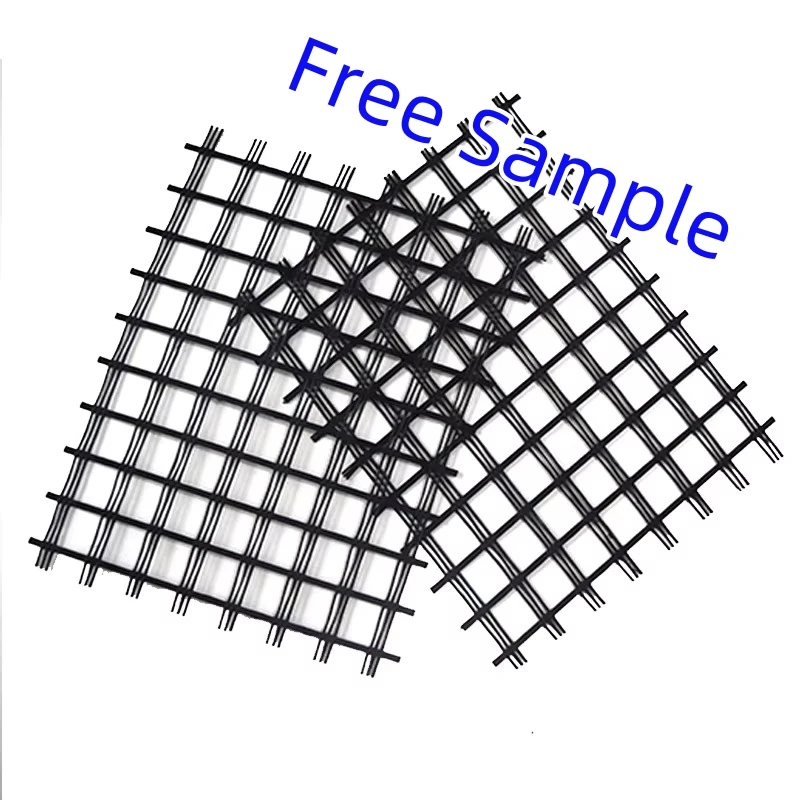
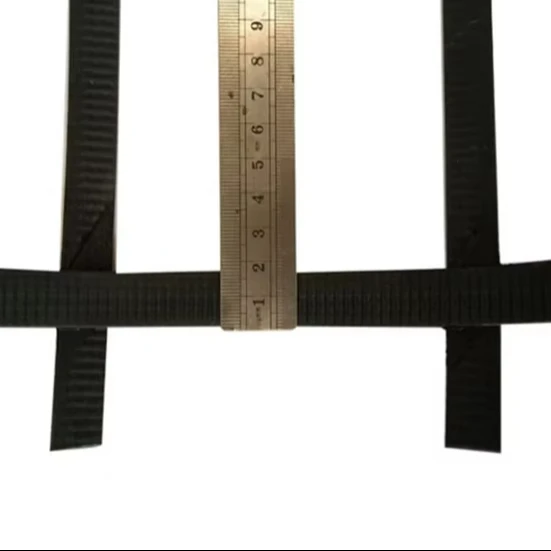
Great Quality High Tensile Steel Plastic Composite Geogrid Steel plastic Geogrid
- Category: >>>
- Supplier: EXA International Trading (Tianjin) Co. Ltd.
Share on (1601273677591):
Product Overview
Description

Product Description

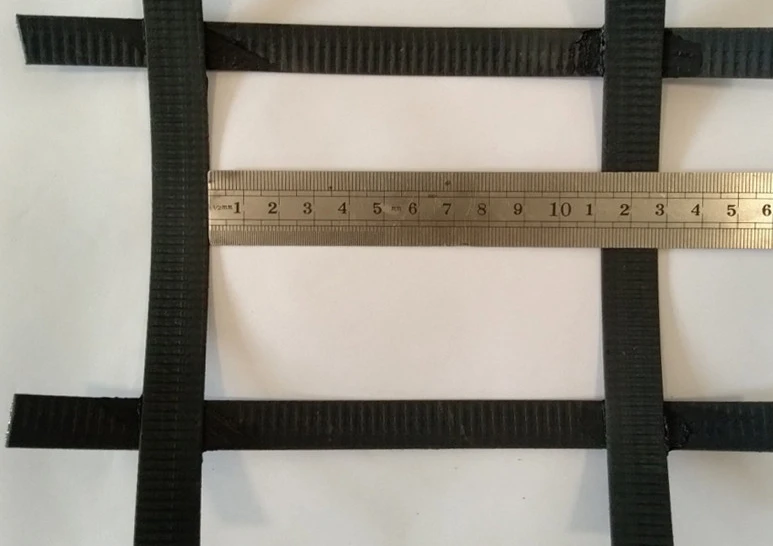
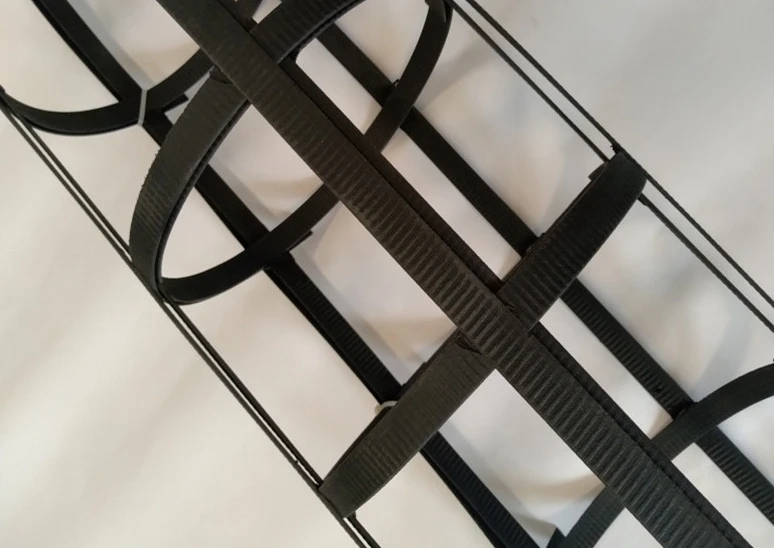
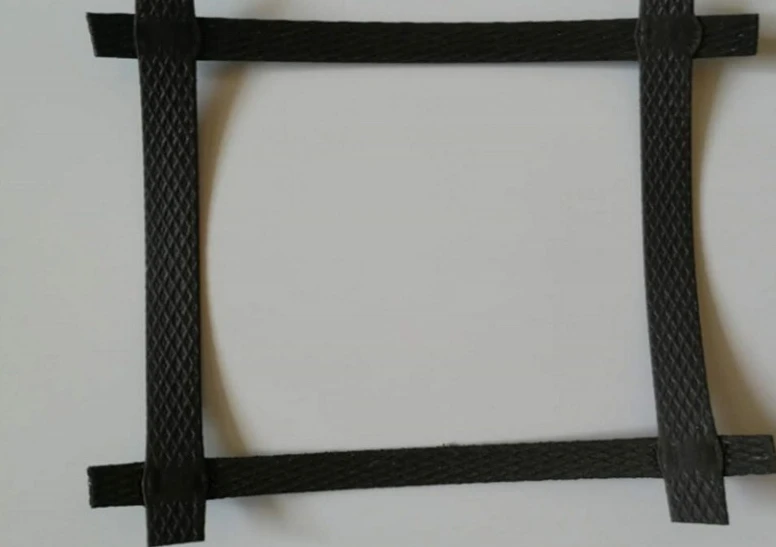
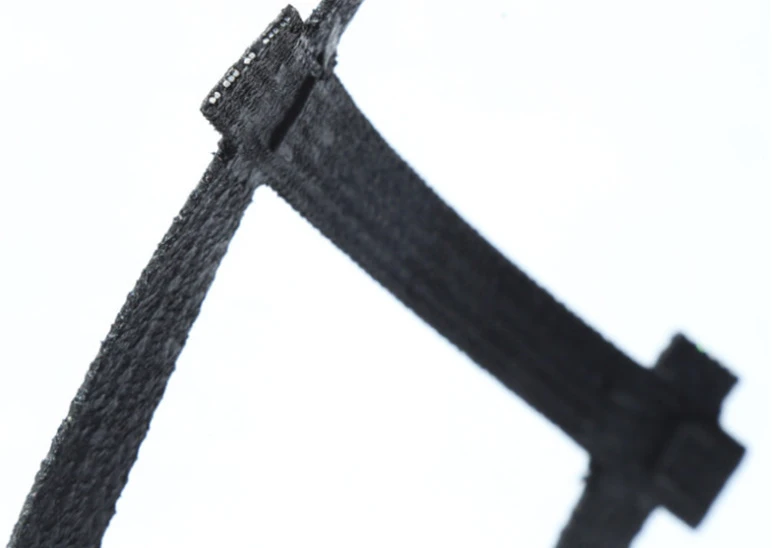
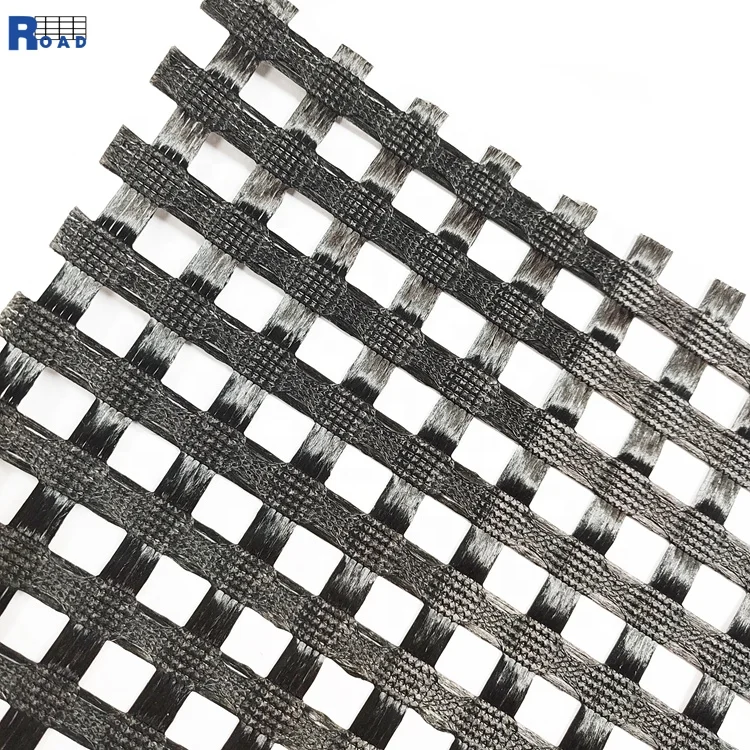
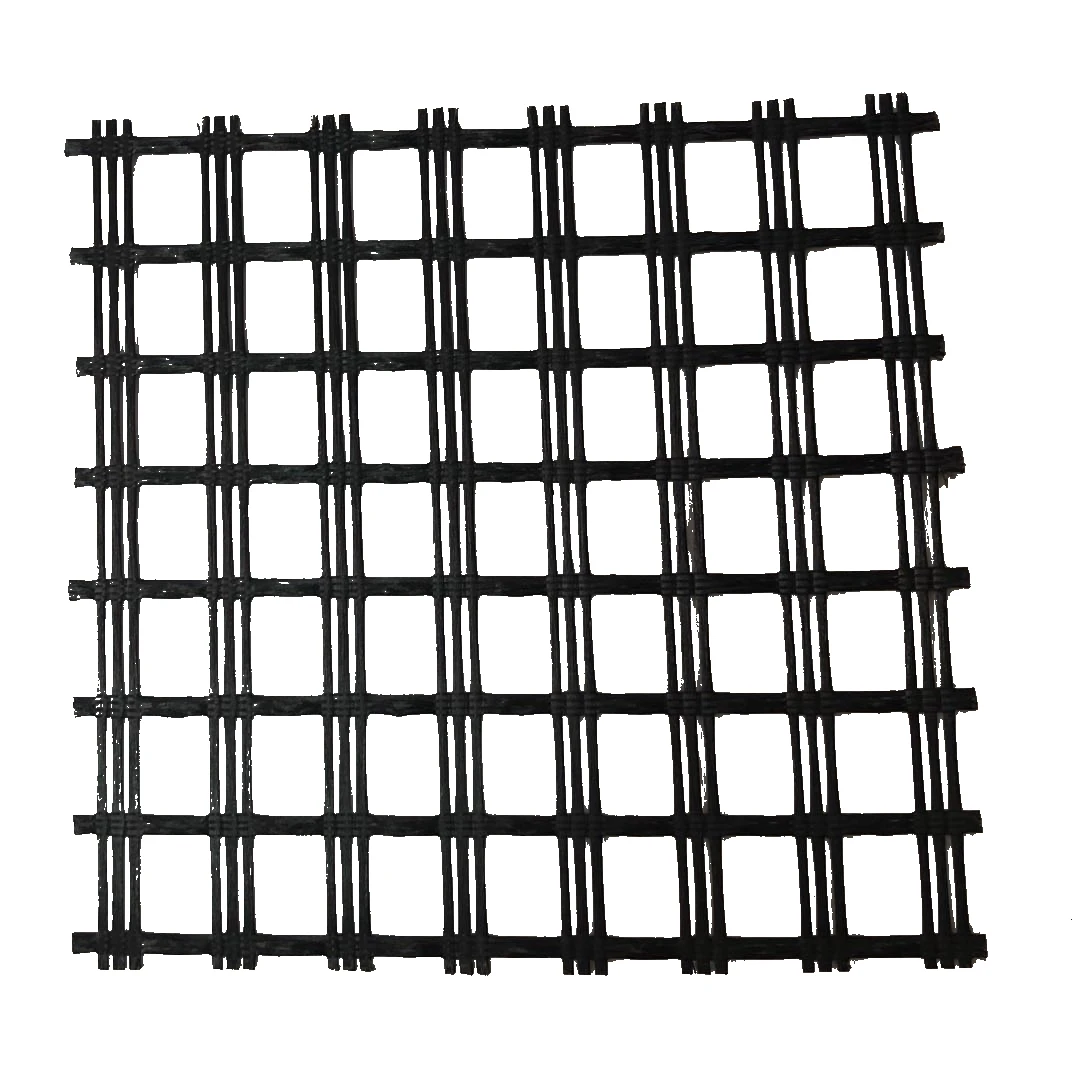
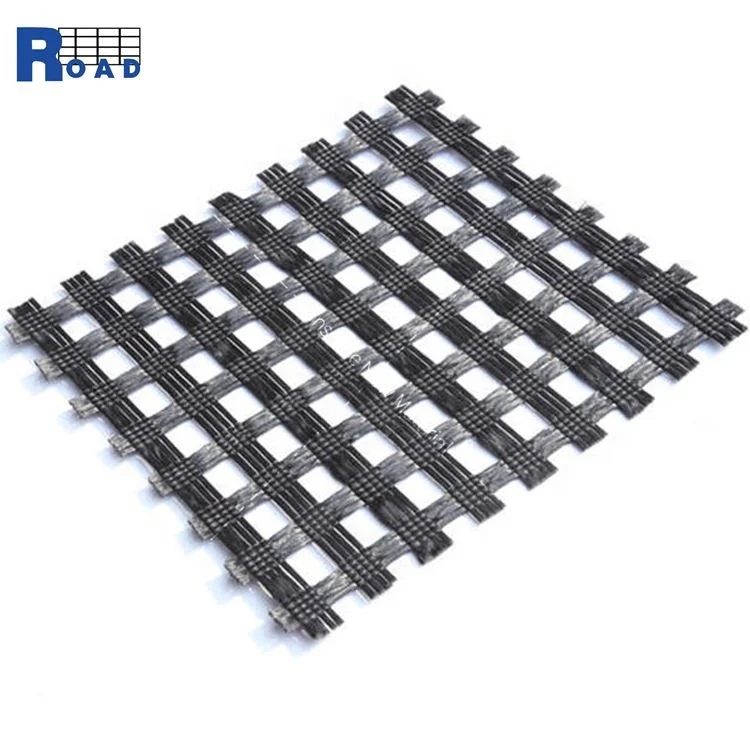
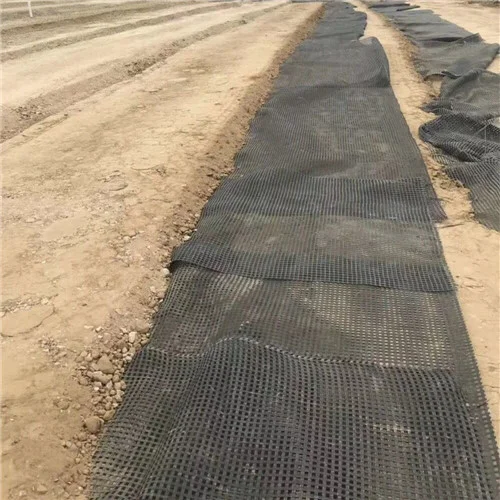
Steel plastic geogrids
Steel plastic geogrids can be widely used in soft soil foundation projects such as highways, railways, dams, ports, as well as tall retaining wall projects.
1. High strength and durability: Steel plastic geogrids are made of high-strength steel wires and polymer substrates, with extremely high tensile strength and load-bearing capacity. This structure enables the grille to withstand significant soil or structural pressure, ensuring long-term stable performance.
2.Corrosion resistance and aging resistance: polyethylene anti-corrosion coating is applied on the surface of the steel plastic geogrid, which can effectively prevent it from being eroded by water, acid, alkali and other corrosive media. This characteristic enables the grille to maintain good performance even after long-term exposure in outdoor environments, meeting the requirements of long-term engineering construction.
3. Good construction performance: Steel plastic geogrid is lightweight, soft and easy to operate, making it convenient for on-site cutting and installation. Its unique structure allows for quick assembly and splicing, greatly shortening the construction period and improving work efficiency.
4. Excellent adaptability: Steel plastic geogrid has a certain degree of flexibility, which can adapt to small deformations of the foundation without easily breaking, and maintain the stability of the structure.
5. Wide Application Fields: Steel plastic geogrids are widely used in various fields such as road construction, railway engineering, water conservancy engineering, environmental engineering, and soft soil foundation treatment. For example, in road construction, it can enhance the stability of the roadbed, prevent pavement cracking and settlement; In railway engineering, as a reinforcing material under the track, it improves the bearing capacity and stability of the roadbed.
6. Environmentally friendly and pollution-free: The material of steel plastic geogrid is non-toxic and harmless, recyclable and reusable, and meets environmental protection requirements
2.Corrosion resistance and aging resistance: polyethylene anti-corrosion coating is applied on the surface of the steel plastic geogrid, which can effectively prevent it from being eroded by water, acid, alkali and other corrosive media. This characteristic enables the grille to maintain good performance even after long-term exposure in outdoor environments, meeting the requirements of long-term engineering construction.
3. Good construction performance: Steel plastic geogrid is lightweight, soft and easy to operate, making it convenient for on-site cutting and installation. Its unique structure allows for quick assembly and splicing, greatly shortening the construction period and improving work efficiency.
4. Excellent adaptability: Steel plastic geogrid has a certain degree of flexibility, which can adapt to small deformations of the foundation without easily breaking, and maintain the stability of the structure.
5. Wide Application Fields: Steel plastic geogrids are widely used in various fields such as road construction, railway engineering, water conservancy engineering, environmental engineering, and soft soil foundation treatment. For example, in road construction, it can enhance the stability of the roadbed, prevent pavement cracking and settlement; In railway engineering, as a reinforcing material under the track, it improves the bearing capacity and stability of the roadbed.
6. Environmentally friendly and pollution-free: The material of steel plastic geogrid is non-toxic and harmless, recyclable and reusable, and meets environmental protection requirements

project | Specifications | GSZ30-30 | GSZ40-40 | GSZ50-50 | GSZ60-60 | GSZ80-80 | GSZ100-100 | GSZ150-150 | |||||||
Yield force per elongation of Mira ≥ (kN/m) | portrait | 30 | 40 | 50 | 60 | 80 | 100 | 150 | |||||||
transverse | 30 | 40 | 50 | 60 | 80 | 100 | 150 | ||||||||
Compression elongation rate ≤ (%) | portrait | 3 | |||||||||||||
transverse | 3 | ||||||||||||||
Tensile force at 2% elongation ≥ (kN/m) | portrait | 27 | 32 | 45 | 54 | 67 | 84 | 127 | |||||||
transverse | 27 | 32 | 32 | 54 | 67 | 84 | 127 | ||||||||
Width (m) | 1-6 | ||||||||||||||


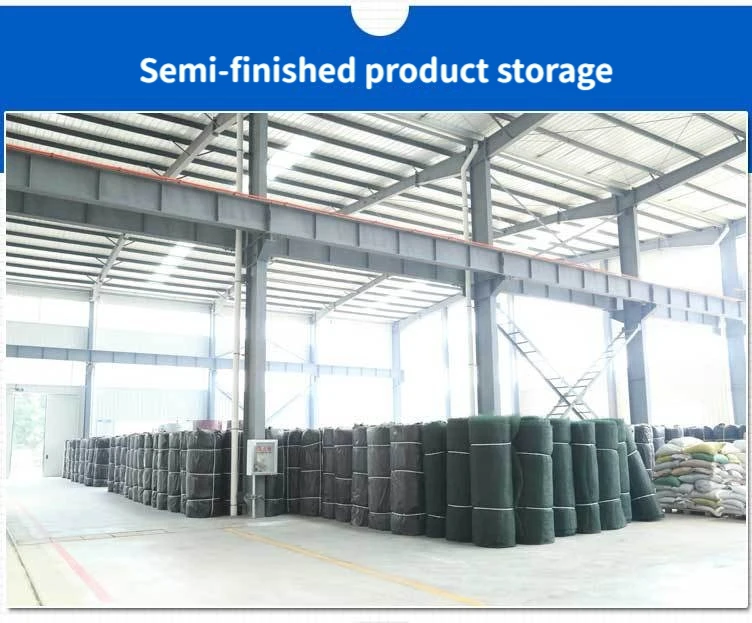
Production Lines

Product packaging


Company Information


Certifications


Installation Instructions

FAQ
Q1: What is your payment terms?
A1: TT FOB: 30% deposite, balance before shipment.
A1: TT FOB: 30% deposite, balance before shipment.
TT CIF: 30% deposite, balance based on scanned BL.
LC 100% at sight
Q2: Can you supply stocks? Can you deal small orders?
A2: Yes, we can.Small orders can also be accepted.
Q3: Do you provide samples ? is it free or extra ?
A3: Yes, we can offer samples free of charge. But the express cost should be on buyer's account.
Q4: If found the product with substardard quality. How can you solve it?
A4: The buyer will be required to submit proof file, picture, video of the said substandard cargo to us first. We can also send our engineer to your field to check it directly, if necessary.
Q5: If accept OEM service to made product as per buyer offering drawing?
A5: Yes, we can offer OEM service. manufacture product as per buyer's offering drawing.
Q6:Do you have overseas warehouses?
A6:Yes, we have overseas warehouses in Australia, Myanmar, Cote d'Ivoire and other regions. We use our own freight forwarder, so the shipping cost will be cheaper than other companies.
LC 100% at sight
Q2: Can you supply stocks? Can you deal small orders?
A2: Yes, we can.Small orders can also be accepted.
Q3: Do you provide samples ? is it free or extra ?
A3: Yes, we can offer samples free of charge. But the express cost should be on buyer's account.
Q4: If found the product with substardard quality. How can you solve it?
A4: The buyer will be required to submit proof file, picture, video of the said substandard cargo to us first. We can also send our engineer to your field to check it directly, if necessary.
Q5: If accept OEM service to made product as per buyer offering drawing?
A5: Yes, we can offer OEM service. manufacture product as per buyer's offering drawing.
Q6:Do you have overseas warehouses?
A6:Yes, we have overseas warehouses in Australia, Myanmar, Cote d'Ivoire and other regions. We use our own freight forwarder, so the shipping cost will be cheaper than other companies.
We Recommend
New Arrivals
New products from manufacturers at wholesale prices