SPCC SPTE TFS Dr Mr ETP Sheet T1 T5 2.8/2.8 5.6/5.6 Dr9 Dr8 Cans Electrolytic Tin Coating Tin Plate Tinplate
- Category: >>>
- Supplier: Wuxi Tianzhu Special Steel Co. Ltd.
Share on (1601274042408):
Product Overview
Description

Specification
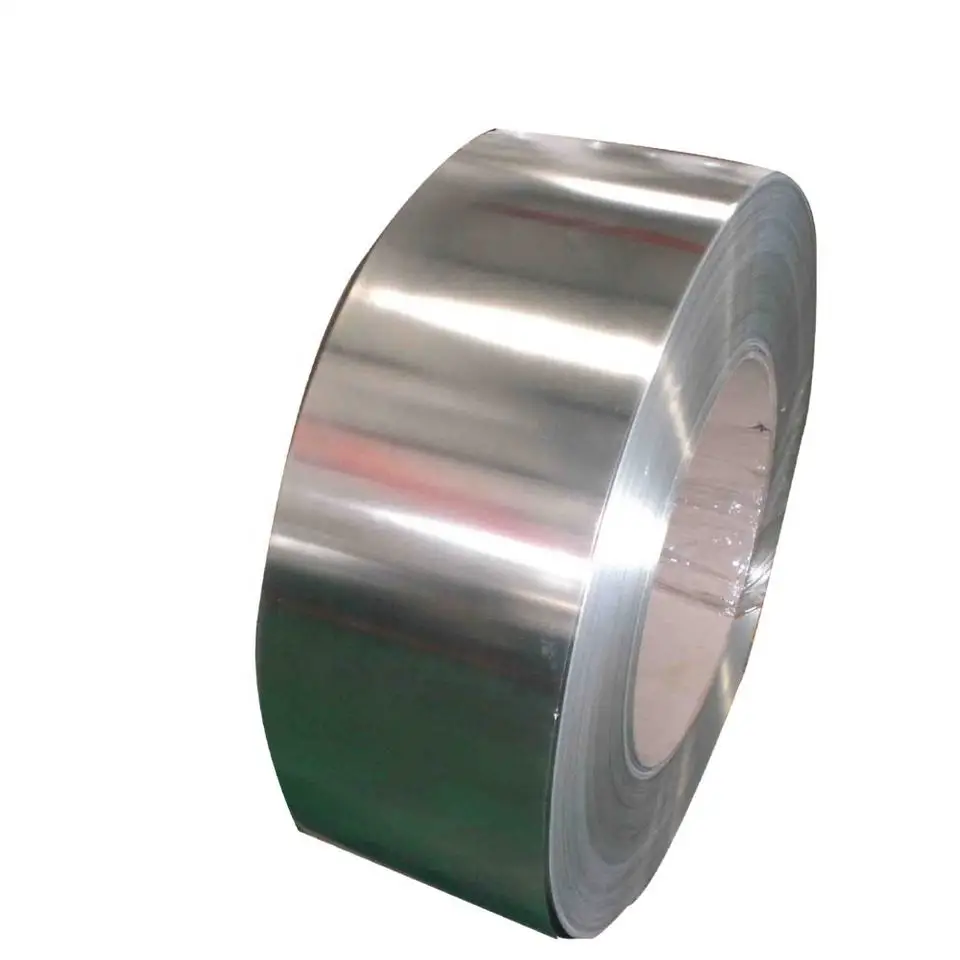
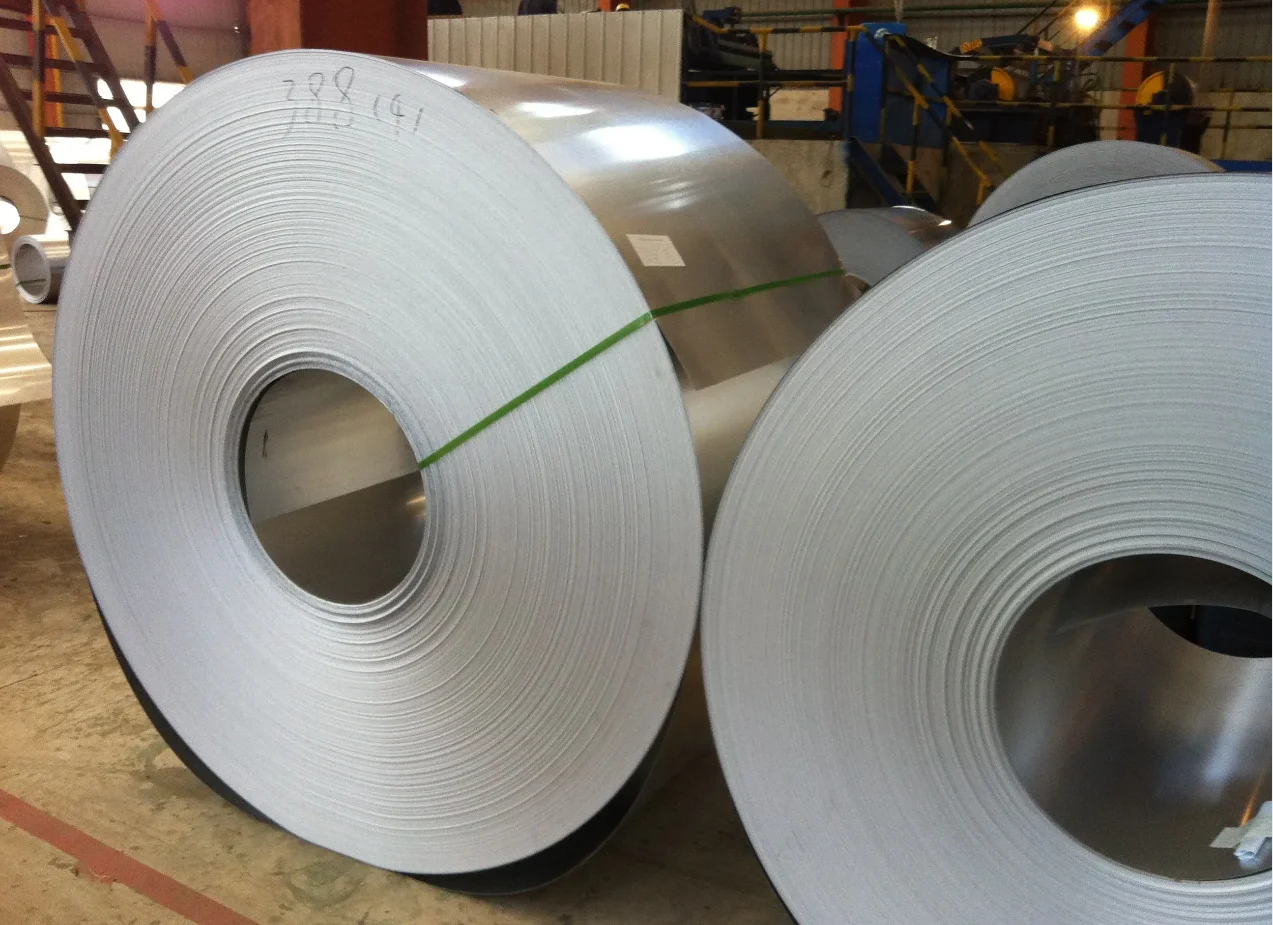
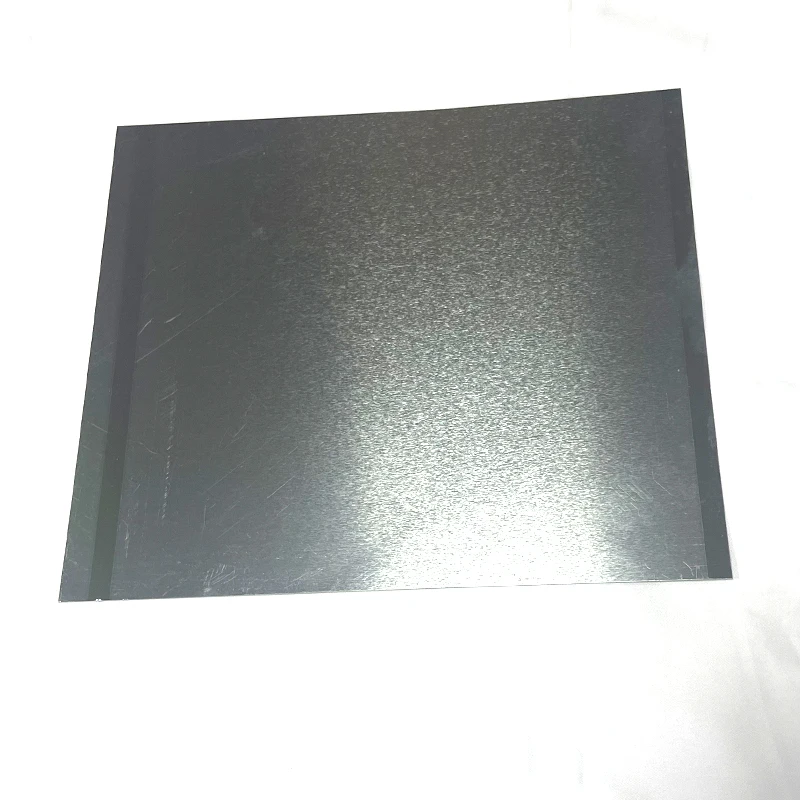
Product name | Tinplate coil/sheet |
Standard | AiSi |
Grade | MR, SPCC, Q195, S08AL, Etc |
Width | 200-1250mm |
Thickness | 0.12-0.55mm |
Hardness | T1-T5 |
Place of Origin | China |
Jiangsu | |
Brand Name | Tianzhu |
Type | Tinplate Sheet |
Application | Food Cans |
Tolerance | ±5% |
Processing Service | Bending, Welding, Decoiling, Punching, Cutting |
Delivery Time | 15-21 days |
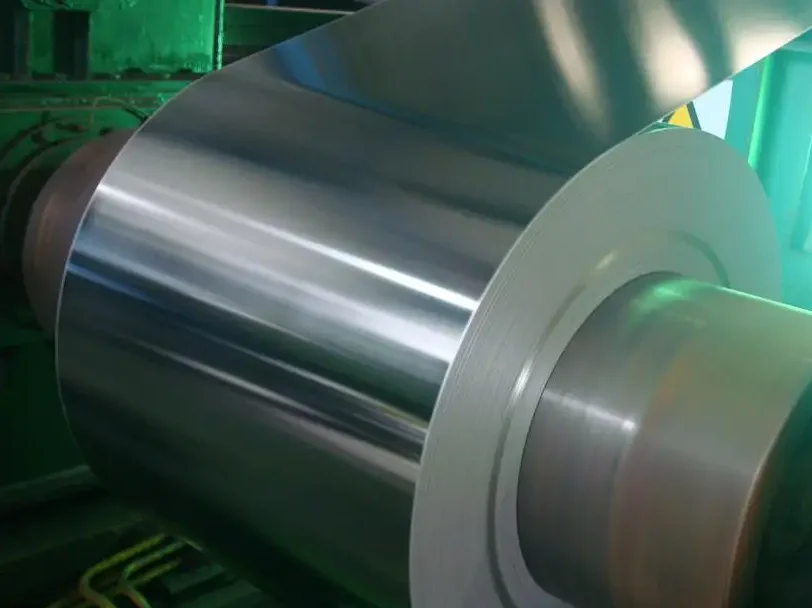
Product Name | Tinplate Coil |
Tin coating | 2.8/2.8 |
Material | SGCC/CGCC/TDC51DZM/TDC52DTS350GD/TS550GD/DX51D+Z Q195-q345 |
Usage | Make Tin Package |
Finish | Tin Coated |
MOQ | 5 Ton |
Delivery Time | 15-21 Days |
PAYMENT TERM | 30%TT Advance + 70% Balance |
Packing | Standard Sea Worthy Packing |
Product Show

Package & Delivery

Application


The performance characteristics of tin plate
1, The use of tin plate Tinplate (commonly known as tinplate) is a surface coated with a thin layer of metal tin steel plate. The tin plate is the low
carbon steel rolled into about 2mm thick steel plate, after pickling, cold rolling, electrolytic cleaning annealing, smoothing,
cutting processing, and then after cleaning, electroplating, soft melting, passivation treatment, oiling shear into the tin plate finished products, the tin plate used for high purity tin (Sn>99.8%). The tin layer can also be coated by hot dip plating method. The tin layer obtained by this method is thicker, the amount of tin is large, and there is no need to purify the tin after plating. The tin plate is composed of five parts, from inside to outside is the steel substrate, tin alloy layer, tin layer, oxide film and oil film.
2, Tin plate performance characteristics
Tin plate has good corrosion resistance, has a certain strength and hardness, good
formability and easy welding, tin layer is non-toxic and tasteless, can prevent iron dissolution into the packaging, and bright surface, printed pictures can beautify goods. Mainly used in food canning industry, followed by chemical paint, oil, medicine and other packaging materials. Tin plate according to the production process is divided into hot tin plate and electroplating tin plate. Statistics of tin plate output must be calculated according to the weight of the coating.
3, Tin plate factors affect
formability and easy welding, tin layer is non-toxic and tasteless, can prevent iron dissolution into the packaging, and bright surface, printed pictures can beautify goods. Mainly used in food canning industry, followed by chemical paint, oil, medicine and other packaging materials. Tin plate according to the production process is divided into hot tin plate and electroplating tin plate. Statistics of tin plate output must be calculated according to the weight of the coating.
3, Tin plate factors affect
The performance of tin plate more factors, such as the grain size of the plate, precipitates,
solid solution elements, plate thickness, etc. In the process of production, the chemical composition of steel making, the heating and coiling temperature of hot rolling and the technological conditions of continuous annealing will affect the properties of the tin plate.
4, The classification of tin plate thickness
solid solution elements, plate thickness, etc. In the process of production, the chemical composition of steel making, the heating and coiling temperature of hot rolling and the technological conditions of continuous annealing will affect the properties of the tin plate.
4, The classification of tin plate thickness
Tin plate: two sides of the same amount of tin plating cold rolled plating plate.
Differential thickness tin plate: cold rolled electroplating plate with different amounts of tin plating on both sides.
Differential thickness tin plate: cold rolled electroplating plate with different amounts of tin plating on both sides.
Primary tin plating plate after inspection of electroplating plate, under normal storage conditions, suitable for the
surface of the whole steel plate for conventional painting and printing, shall not have the following defects: (1) through the
steel plate thickness of the pinhole; (2) deviation of thickness beyond the standard; (3) Surface defects such as scars, pits,
wrinkles and rust that have an impact on the use; (4) Shape defects that have an impact on use.
The surface quality of the secondary tin plating plate is lower than that of the primary tin plating plate, allowing the
inclusion, wrinkle, scratch, oil, indentation, burr, burning point and other small area more obvious surface defects or shape
defects, does not guarantee that the whole sheet of steel can be conventional painting and printing.
Company Profile

TianZhu was founded in 2013, Jinshanbei industrial park, no. 90 huian road, wuxi city, China the starting point of new "Belt and
Road" and the old Silk Road, as a leading Manufacturer and Supplier of Steel Pipe and Special Alloys, Tianzhu has been insisting on creating value for customers, always adhering to the development strategy of "supplying high-end products, establishing
world-renowned enterprise" to provide global customers with superior quality products and high-quality services. Through theresource integration of a variety of metal materials, TianZhu has become one of the biggest METAL SUPERMARKETS and can provide
all kinds of special metal materials that are made in China and imported to our customers.Our product range:Stainless Steel products,Carbon steel products, Galvanized steel products,Pre-coated galvanized products,Various steel profiles products......
Road" and the old Silk Road, as a leading Manufacturer and Supplier of Steel Pipe and Special Alloys, Tianzhu has been insisting on creating value for customers, always adhering to the development strategy of "supplying high-end products, establishing
world-renowned enterprise" to provide global customers with superior quality products and high-quality services. Through theresource integration of a variety of metal materials, TianZhu has become one of the biggest METAL SUPERMARKETS and can provide
all kinds of special metal materials that are made in China and imported to our customers.Our product range:Stainless Steel products,Carbon steel products, Galvanized steel products,Pre-coated galvanized products,Various steel profiles products......
We serve customers with integrity, welcome friends in need to come to consult and order,Our products and services will surely satisfy you!
Our Advantages

FAQ
Q:Can you send samples?
A:Of course, we can send samples to all parts of the world, our samples are free, but customers need to bear the courier costs.
Q:What product information do I need to provide?
A:You need to provide the grade, width, thickness, coating and the number of tons you need to purchase.
Q:What are the shipping ports?
A:Under normal circumstances, we ship from Shanghai, Tianjin, Qingdao, Ningbo ports, you can choose other ports according to your needs.
Q:About product prices?
A:Prices vary from period to period due to cyclical changes in the price of raw materials.
Q:What are the certifications for your products?
A:We have ISO 9001, SGS, EWC and other certifications.
Q:How long does your delivery time take?
A:In general, our delivery time is within 30-45 days, and may be delayed if the demand is extremely large or special circumstances occur.
Q:Can I go to your factory to visit?
A:Of course, we welcome customers from all over the world to visit our factory. However, some of the plants are not open to the public.
Q:Does the product have quality inspection before loading?
A:Of course, all our products are strictly tested for quality before packaging, and unqualified products will be destroyed.
Q:How to pack the products?
A:The inner layer has a waterproof paper outer layer with iron packaging and is fixed with a fumigation wooden pallet. It can effectively protect products from corrosion during ocean transportation.
Q:What is your working time?
A:In general, our online service time is Beijing time: 8:00-22:00, after 22:00, we will reply to your inquiry during the next
working day.
A:Of course, we can send samples to all parts of the world, our samples are free, but customers need to bear the courier costs.
Q:What product information do I need to provide?
A:You need to provide the grade, width, thickness, coating and the number of tons you need to purchase.
Q:What are the shipping ports?
A:Under normal circumstances, we ship from Shanghai, Tianjin, Qingdao, Ningbo ports, you can choose other ports according to your needs.
Q:About product prices?
A:Prices vary from period to period due to cyclical changes in the price of raw materials.
Q:What are the certifications for your products?
A:We have ISO 9001, SGS, EWC and other certifications.
Q:How long does your delivery time take?
A:In general, our delivery time is within 30-45 days, and may be delayed if the demand is extremely large or special circumstances occur.
Q:Can I go to your factory to visit?
A:Of course, we welcome customers from all over the world to visit our factory. However, some of the plants are not open to the public.
Q:Does the product have quality inspection before loading?
A:Of course, all our products are strictly tested for quality before packaging, and unqualified products will be destroyed.
Q:How to pack the products?
A:The inner layer has a waterproof paper outer layer with iron packaging and is fixed with a fumigation wooden pallet. It can effectively protect products from corrosion during ocean transportation.
Q:What is your working time?
A:In general, our online service time is Beijing time: 8:00-22:00, after 22:00, we will reply to your inquiry during the next
working day.
Contact Us
WhatsApp:86 18015332896
WeChat:86 18015332896 (Rita)
WeChat:86 18015332896 (Rita)
Email:Rita@wxtzss.com
Website:www.wxtzss.com
Address: Lanting International Building, Dongting Middle Road, Xishan District, Wuxi City, Jiangsu Province
Website:www.wxtzss.com
Address: Lanting International Building, Dongting Middle Road, Xishan District, Wuxi City, Jiangsu Province
We Recommend

SPTE 2.8/2.8 5.6/5.6Tinplate Coil Type and AISI Standard tinplate sheet coil
US $610.00-$660.00

Free sample tinplate price beer crown corks G095
US $1300-$1386


T4 25# , BA CA Tin plate Electrolytic Tinplate ETP SPTE sheet
US $620.00-$860.00
New Arrivals
New products from manufacturers at wholesale prices