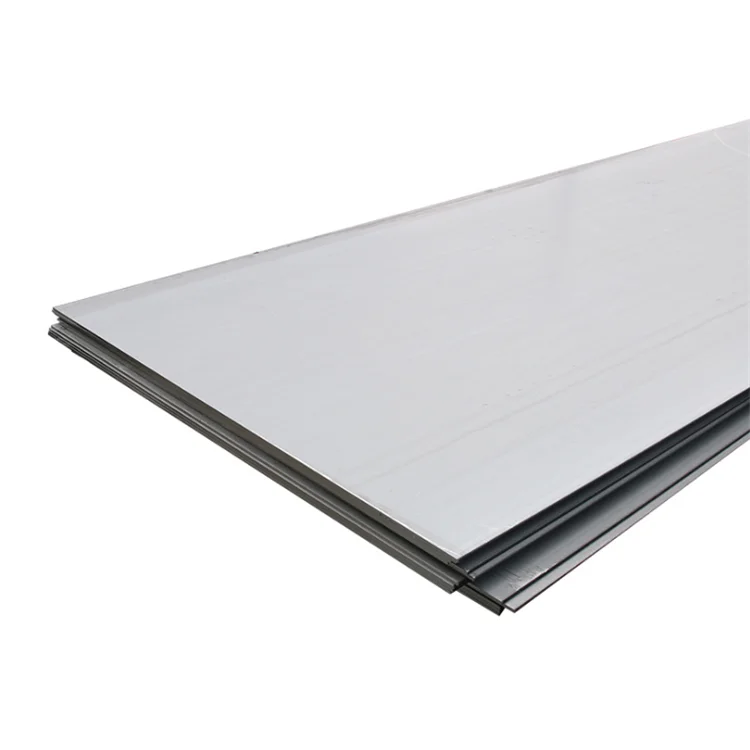
SUS 201 J1 J2 J3 202 304 304L 309S 310S 316 316L 321 410 444 Stainless Steel Nickel Ss Sheet
- Category: >>>
- Supplier: Wuxi Jiaborui Special Steel Co. Ltd.
Share on (1601274412935):
Product Overview
Description

➤ Product Description
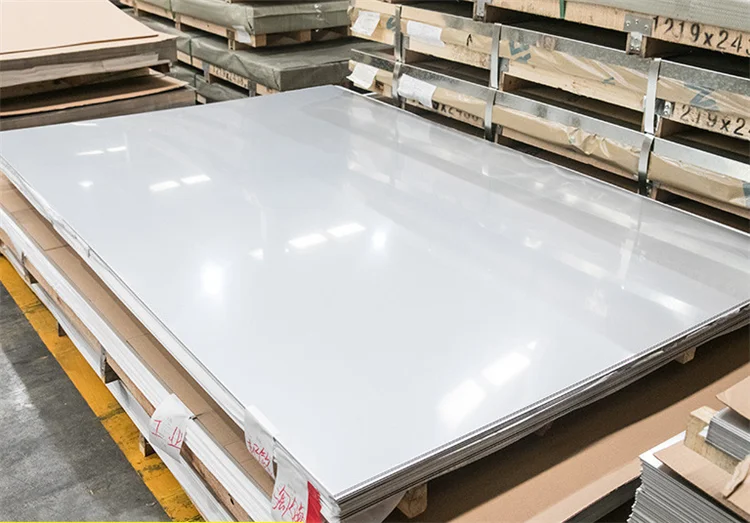
Standard | ASTM A240,ASME SA240,AMS 5524/5507 |
Thickness | 0.3 ~ 12.0mm |
Width Range | 4'*8ft',4'*10ft',1000*2000mm,1500x3000mm etc |
Brand name | TISCO, ZPSS, BAOSTEEL, JISCO |
Technique | Cold Rolled ,Hot rolled |
Forms | Foils, Shim Sheet, Rolls, Perforated Sheet, Chequered Plate. |


Introduction to 304 Stainless Steel Plate
304 stainless steel is one of the most widely used types of stainless steel. It is an austenitic steel, which means it has a high chromium and nickel content. This alloy is known for its excellent corrosion resistance, durability, and formability, making it a popular choice in various industries such as construction, automotive, and kitchenware.
Advantages of 304 Stainless Steel
1. Corrosion Resistance: One of the key advantages of 304 stainless steel is its excellent resistance to corrosion. It can
withstand exposure to a wide range of atmospheric environments and many corrosive media.
2. Durability: 304 stainless steel is highly durable and can withstand high levels of wear and tear. This makes it suitable for applications that require a long service life.
3. Hygiene: This type of stainless steel is easy to clean and sterilize, making it ideal for use in kitchens, medical facilities,
and food processing plants.
4. Aesthetic Appeal: It has a bright, attractive appearance that makes it desirable for visible applications.
5. Workability: 304 stainless steel can be easily welded, machined, and formed, allowing for versatile manufacturing and
fabrication options.
Disadvantages of 304 Stainless Steel
1. Cost: While not the most expensive stainless steel, 304 stainless steel is more costly than some alternative materials, such as aluminum or carbon steel.
2. Susceptibility to Chloride: Although resistant to many forms of corrosion, 304 stainless steel can be prone to pitting and crevice corrosion in chloride-rich environments, such as marine settings.
3. Thermal Conductivity: Stainless steel generally has lower thermal conductivity than other materials, which can be a drawback in certain thermal applications.
Properties of 304 Stainless Steel
* Chemical Composition: Typically contains 18-20% chromium and 8-10.5% nickel. The balance is primarily iron, with small amounts of carbon, manganese, silicon, and other elements.
* Mechanical Properties: It has a tensile strength of around 505 MPa (73,200 psi) and a yield strength of 215 MPa (31,200 psi).
The elongation at break is approximately 40%, indicating good ductility.
* Density: Approximately 8.0 g/cm³.
* Melting Point: Around 1400-1450°C (2552-2642°F).
* Magnetic Properties: 304 stainless steel is non-magnetic in its annealed state but can become slightly magnetic when cold worked.
Production of Stainless Steel Plates
1. Melting and Casting: The production of stainless steel begins with melting raw materials in an electric arc furnace. The
molten steel is then cast into slabs.
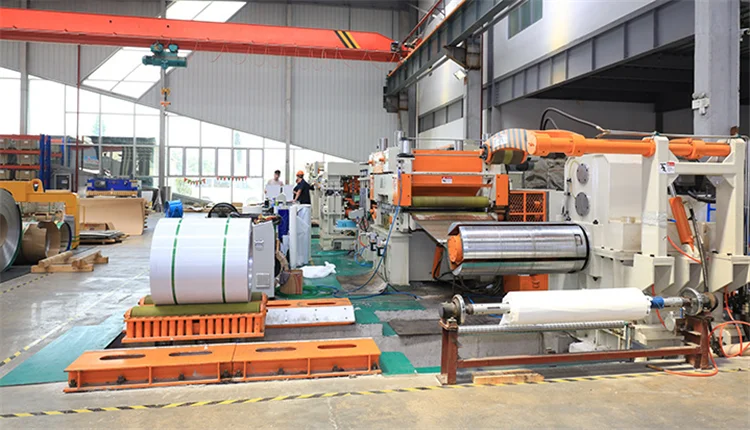
2. Hot Rolling: The slabs are heated and passed through rollers to achieve the desired thickness. This process, known as hot rolling, helps to form the basic shape of the steel plates.
3. Annealing: The hot-rolled steel is then annealed, a heat treatment process that relieves internal stresses and improves
ductility.
4. Pickling: Annealed steel undergoes pickling, which removes the oxide scale formed during hot rolling. This is typically done using acid baths.
5. Cold Rolling: For applications requiring a smoother finish and higher precision, the steel may undergo cold rolling, which
further reduces thickness and enhances the surface finish.
6. Finishing: The final step involves finishing processes such as polishing, brushing, or coating, depending on the desired
end-use of the stainless steel plates.
Applications
304 stainless steel plates are used in a variety of applications, including:
* Kitchen equipment (sinks, cutlery, and countertops)
* Chemical containers and transport equipment
* Building facades and architectural elements
* Automotive parts
* Medical devices and surgical instruments
* Food processing equipment
In summary, 304 stainless steel plates offer a combination of excellent corrosion resistance, durability, and aesthetic appeal, making them suitable for a wide range of applications. However, they also come with some limitations, such as susceptibility to chloride-induced corrosion and higher cost compared to some other materials.
304 stainless steel is one of the most widely used types of stainless steel. It is an austenitic steel, which means it has a high chromium and nickel content. This alloy is known for its excellent corrosion resistance, durability, and formability, making it a popular choice in various industries such as construction, automotive, and kitchenware.
Advantages of 304 Stainless Steel
1. Corrosion Resistance: One of the key advantages of 304 stainless steel is its excellent resistance to corrosion. It can
withstand exposure to a wide range of atmospheric environments and many corrosive media.
2. Durability: 304 stainless steel is highly durable and can withstand high levels of wear and tear. This makes it suitable for applications that require a long service life.
3. Hygiene: This type of stainless steel is easy to clean and sterilize, making it ideal for use in kitchens, medical facilities,
and food processing plants.
4. Aesthetic Appeal: It has a bright, attractive appearance that makes it desirable for visible applications.
5. Workability: 304 stainless steel can be easily welded, machined, and formed, allowing for versatile manufacturing and
fabrication options.
Disadvantages of 304 Stainless Steel
1. Cost: While not the most expensive stainless steel, 304 stainless steel is more costly than some alternative materials, such as aluminum or carbon steel.
2. Susceptibility to Chloride: Although resistant to many forms of corrosion, 304 stainless steel can be prone to pitting and crevice corrosion in chloride-rich environments, such as marine settings.
3. Thermal Conductivity: Stainless steel generally has lower thermal conductivity than other materials, which can be a drawback in certain thermal applications.
Properties of 304 Stainless Steel
* Chemical Composition: Typically contains 18-20% chromium and 8-10.5% nickel. The balance is primarily iron, with small amounts of carbon, manganese, silicon, and other elements.
* Mechanical Properties: It has a tensile strength of around 505 MPa (73,200 psi) and a yield strength of 215 MPa (31,200 psi).
The elongation at break is approximately 40%, indicating good ductility.
* Density: Approximately 8.0 g/cm³.
* Melting Point: Around 1400-1450°C (2552-2642°F).
* Magnetic Properties: 304 stainless steel is non-magnetic in its annealed state but can become slightly magnetic when cold worked.
Production of Stainless Steel Plates
1. Melting and Casting: The production of stainless steel begins with melting raw materials in an electric arc furnace. The
molten steel is then cast into slabs.
2. Hot Rolling: The slabs are heated and passed through rollers to achieve the desired thickness. This process, known as hot rolling, helps to form the basic shape of the steel plates.
3. Annealing: The hot-rolled steel is then annealed, a heat treatment process that relieves internal stresses and improves
ductility.
4. Pickling: Annealed steel undergoes pickling, which removes the oxide scale formed during hot rolling. This is typically done using acid baths.
5. Cold Rolling: For applications requiring a smoother finish and higher precision, the steel may undergo cold rolling, which
further reduces thickness and enhances the surface finish.
6. Finishing: The final step involves finishing processes such as polishing, brushing, or coating, depending on the desired
end-use of the stainless steel plates.
Applications
304 stainless steel plates are used in a variety of applications, including:
* Kitchen equipment (sinks, cutlery, and countertops)
* Chemical containers and transport equipment
* Building facades and architectural elements
* Automotive parts
* Medical devices and surgical instruments
* Food processing equipment
In summary, 304 stainless steel plates offer a combination of excellent corrosion resistance, durability, and aesthetic appeal, making them suitable for a wide range of applications. However, they also come with some limitations, such as susceptibility to chloride-induced corrosion and higher cost compared to some other materials.

➤ More Products


➤ FAQ
FAQ
1.Are You Manufacture or Trade Company?
We are manufacture,we have 12 years experience for supply Metal material and products in domestic.
2.Can you supply what is the service?
We can supply the kinds of metal materials and products,and we also can supply other process services.
3.Can you supply the free sample?
We can supply the free sample,but the sample express freight should be by you.
4.What about your the fast lead time if we place order?
It is normal 7-10 days after receive your deposit.
5.Which payment terms can you accept?
We can accept the TT,Western Union now or Negotiation.
We are manufacture,we have 12 years experience for supply Metal material and products in domestic.
2.Can you supply what is the service?
We can supply the kinds of metal materials and products,and we also can supply other process services.
3.Can you supply the free sample?
We can supply the free sample,but the sample express freight should be by you.
4.What about your the fast lead time if we place order?
It is normal 7-10 days after receive your deposit.
5.Which payment terms can you accept?
We can accept the TT,Western Union now or Negotiation.
Thanks for your attention!
If you are interested, please don't hesitate to contact me.

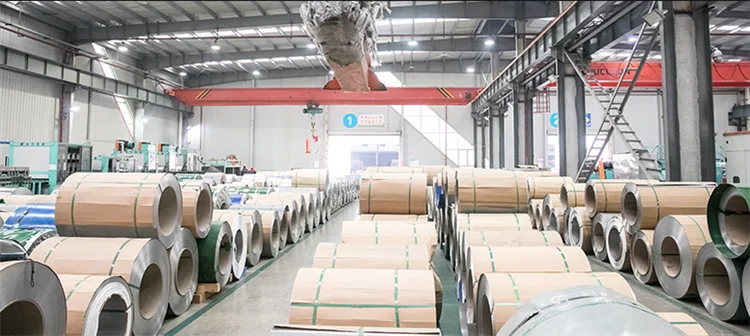
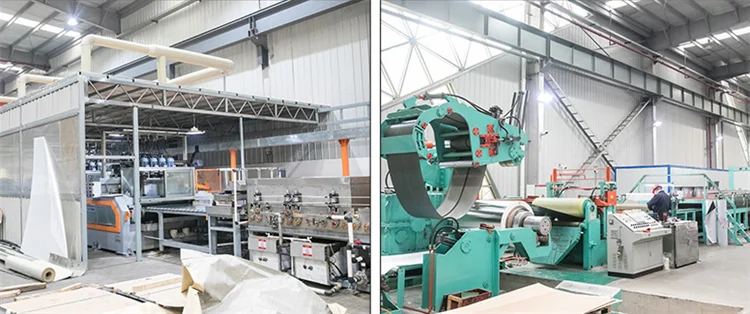
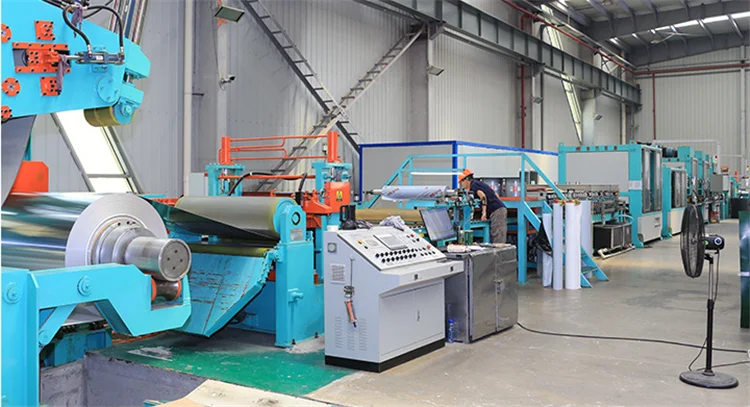
Established in 2010, Wuxi Jiaborui Special Steel Co., Ltd. is a leading supplier of stainless steel pipe, stainless steel bar and stainless steel products.We also sell steel products of major steel mills including stainless steel plates and profiles, Steel plate, alloy steel plate, wear-resistant steel plate, square tube, galvanized tube, non-ferrous metal and other materials. With more than 10 years export experience in supplying a great variety of customers from different fields. As a member of China iron and steel association,we established long term friendly cooperation with famous domestic mill plants,such as Bao steel,Wu steel,An steel,Tai steel etc.
Our professional team has been working diligently to satisfy an increasing demand of global market. With close cooperation between our experienced factory and professional international sales team, we promises customers reliable quality, on-time delivery, professional service before and after-sales service. Jiaborui does our best to help customers save cost, enhance competitiveness and make profit.We sincerely welcome you to come our company to negotiate business.
Our professional team has been working diligently to satisfy an increasing demand of global market. With close cooperation between our experienced factory and professional international sales team, we promises customers reliable quality, on-time delivery, professional service before and after-sales service. Jiaborui does our best to help customers save cost, enhance competitiveness and make profit.We sincerely welcome you to come our company to negotiate business.
We Recommend


New Arrivals
New products from manufacturers at wholesale prices