Special Water Cooled Cable Arc Furnace Induction Heat Treatment Furnace Used for Metal Melt with Essential Motor Core Components
- Category: >>>
- Supplier: Jiangsu Yuyou International Trade Co. Ltd.
Share on (1601282803463):
Product Overview
Description

Introduction to water-cooled cables
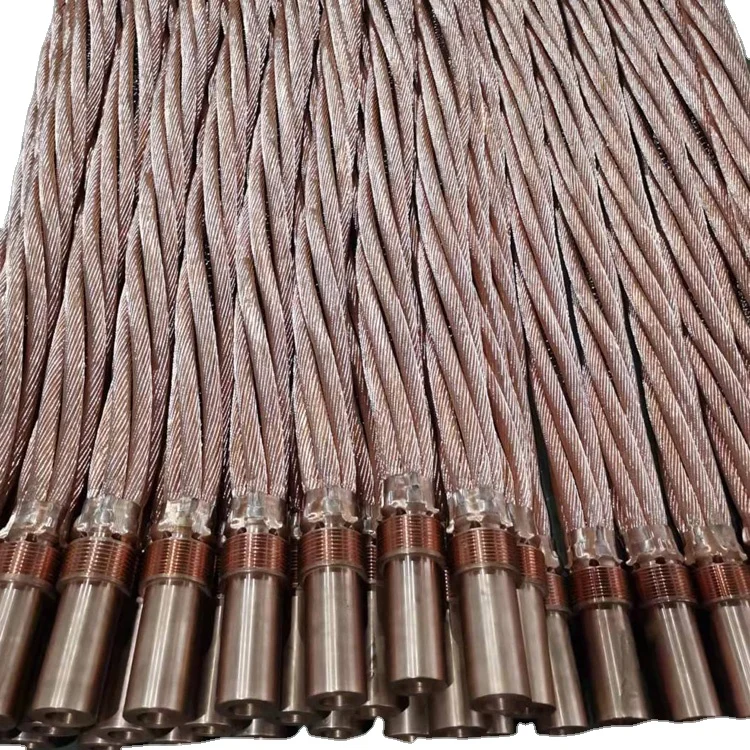
This is the internal structure of a water-cooled cable, which is made by drawing oxygen-free copper rods into copper wires, and then connecting them to the heads made of forged purple copper. The connection between the copper wires and the cable heads is achieved through cold extrusion.
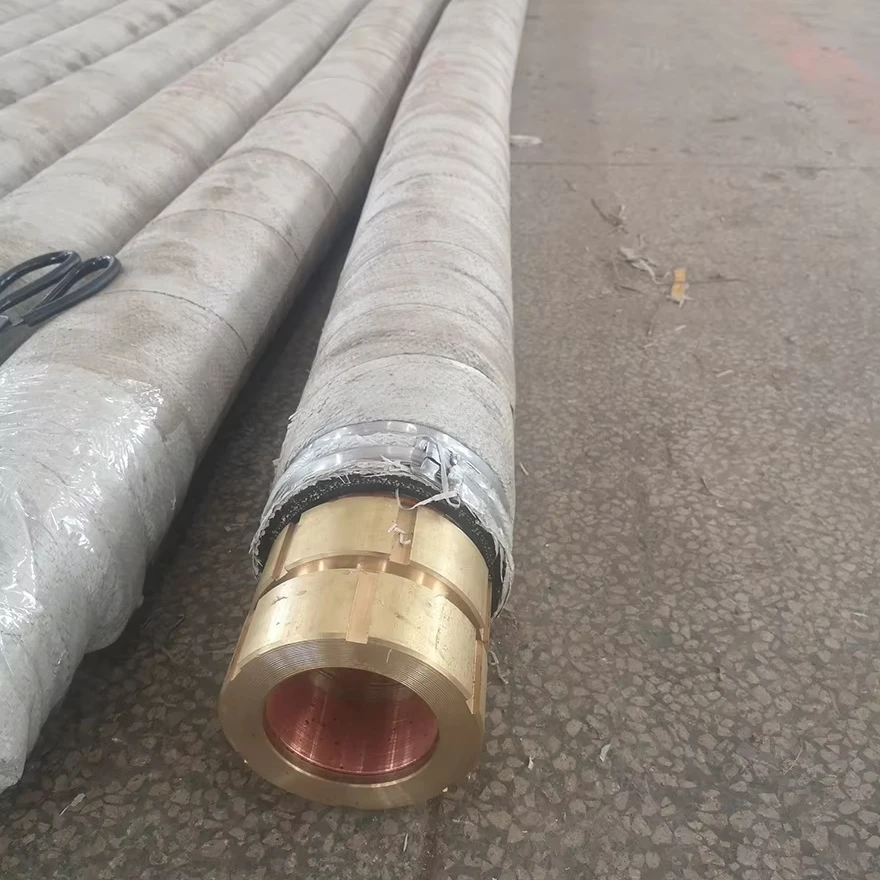
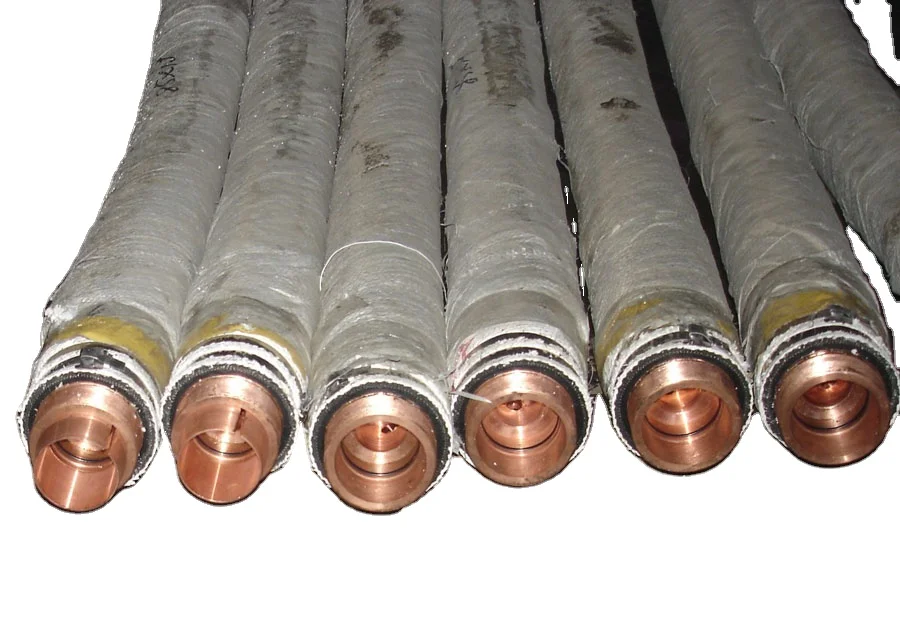
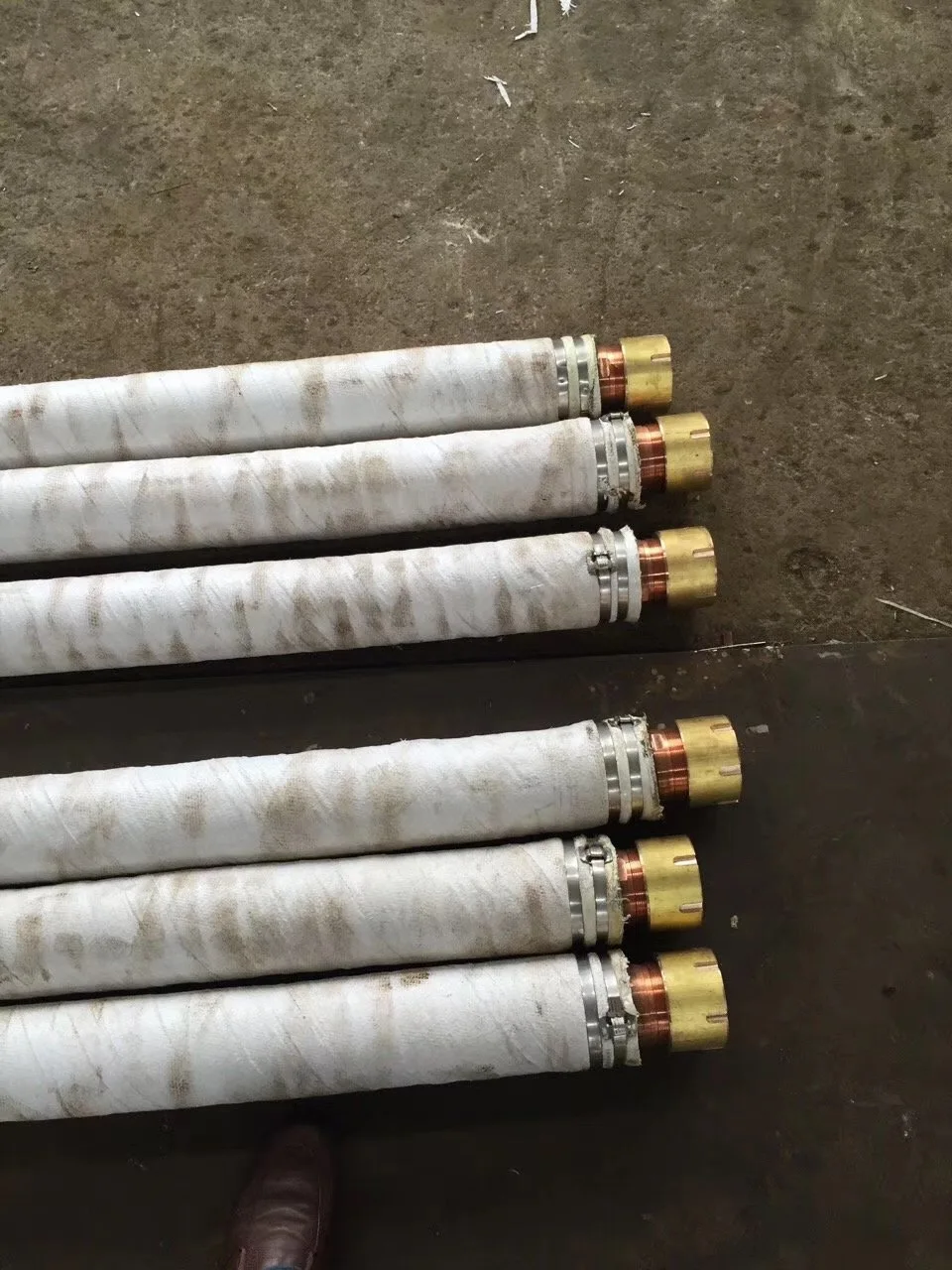
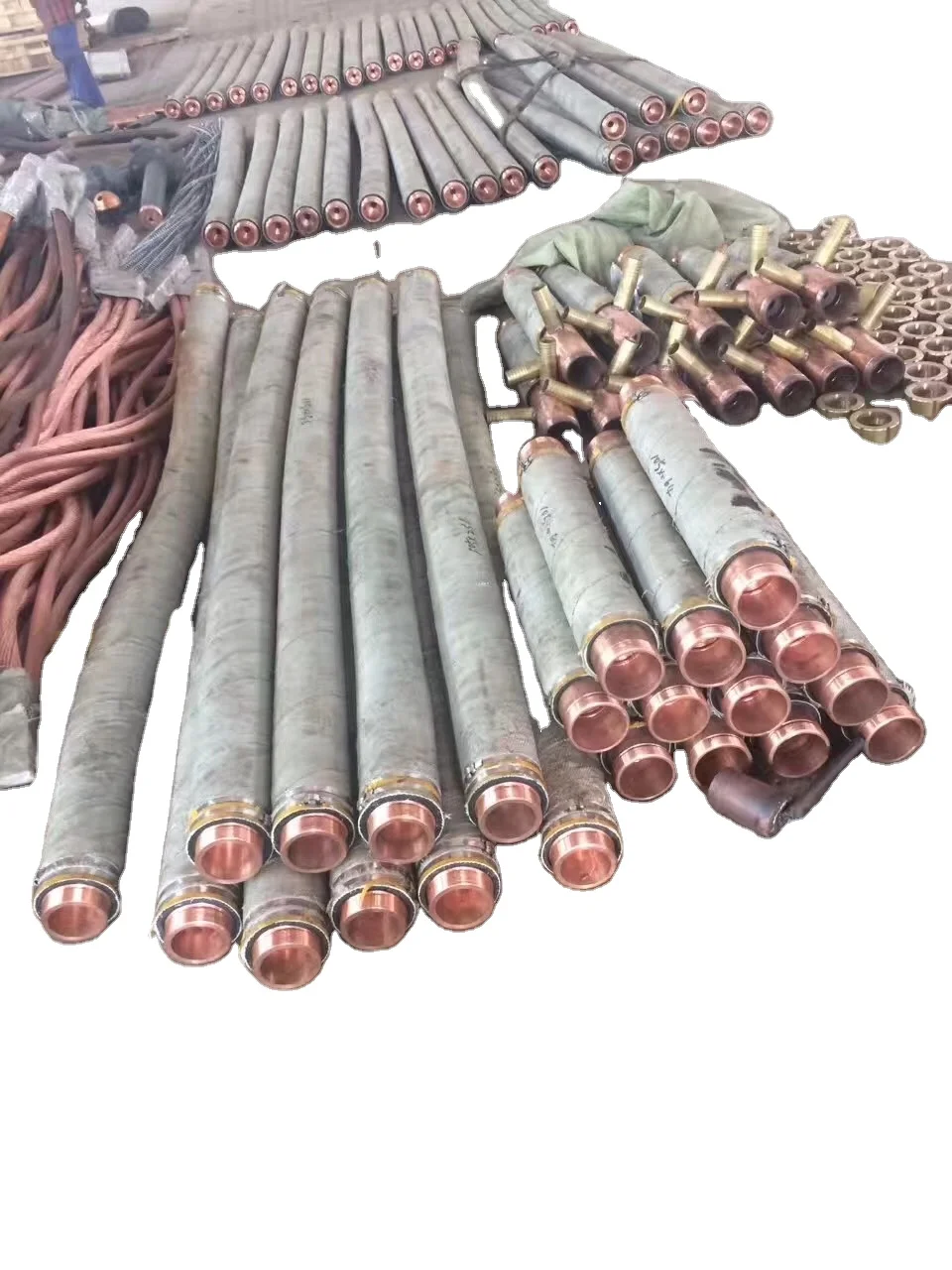
Water cooled cables are hollow high current transmission cables used in industrial resistance furnaces, medium frequency induction furnaces, monocrystalline silicon furnaces, polycrystalline silicon remelting furnaces, electric arc furnaces, refining furnaces, sapphire annealing furnaces, heat treatment furnaces, experimental furnaces, and other equipment for high current transmission. They are generally composed of cable heads, copper stranded wires, rubber sleeves, specialized fastener steel strips, etc. The use of water-cooled cables reduces the heat generation of the cables, transmits larger currents, and improves the transmission power of electric furnaces.


Model | Conductivity %★ | Resistivity Ω*mm2/m | Tensile strength N/mm2 | Hardness HB |
ZQSn6-6-3 | 11.5 | 0.15 | 195 | 65 |
ZH96 | 56 | 0.031 | 235 | 63.7 |
T2 | 100 | 0.0175 | 240★★ | 54.3 |
Water-cooled cable
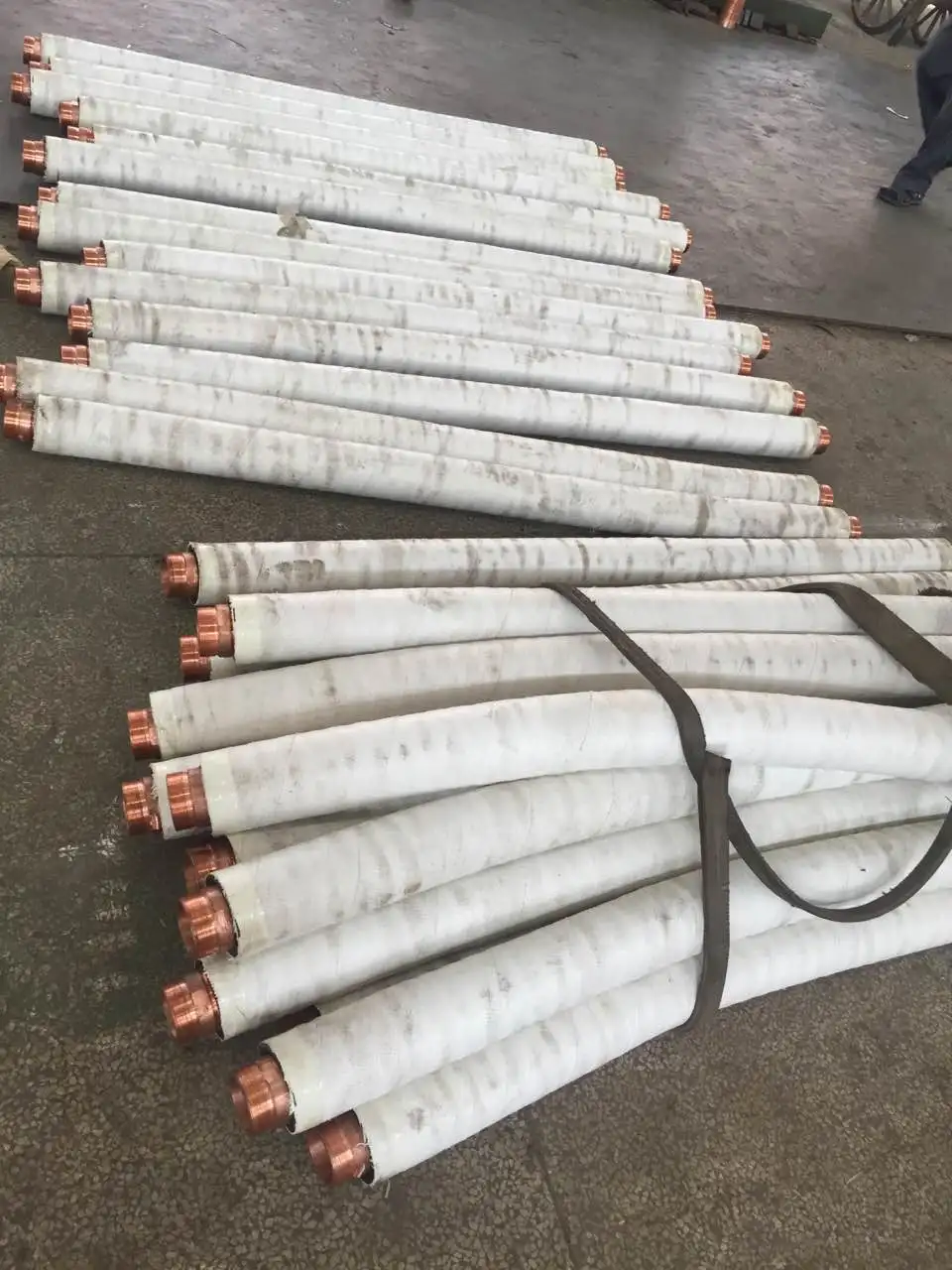
Water-cooled cable (English name: Water Cooled Cable, also known as water cable) is a hollow cable used in high current heating equipment usually consisting of three parts: electrode (cable head), conductor, and outer protective tube.
The high-quality water-cooled cable electrodes are made from solid forged purple copper bars, processed by turning and milling, with a surface that undergoes pass treatment. The conductors are made from oxygen-free copper rods, formed into copper stranded wires, and then braided using a CNC winding machine, resulting in high and a small bending radius. The outer protective tube is made of synthetic rubber with a reinforced fabric layer, providing high pressure resistance. The tube and the electrode are using a purple copper clamp, cold-pressed on specialized equipment, ensuring good sealing and resistance to water leakage.


We Recommend
New Arrivals
New products from manufacturers at wholesale prices