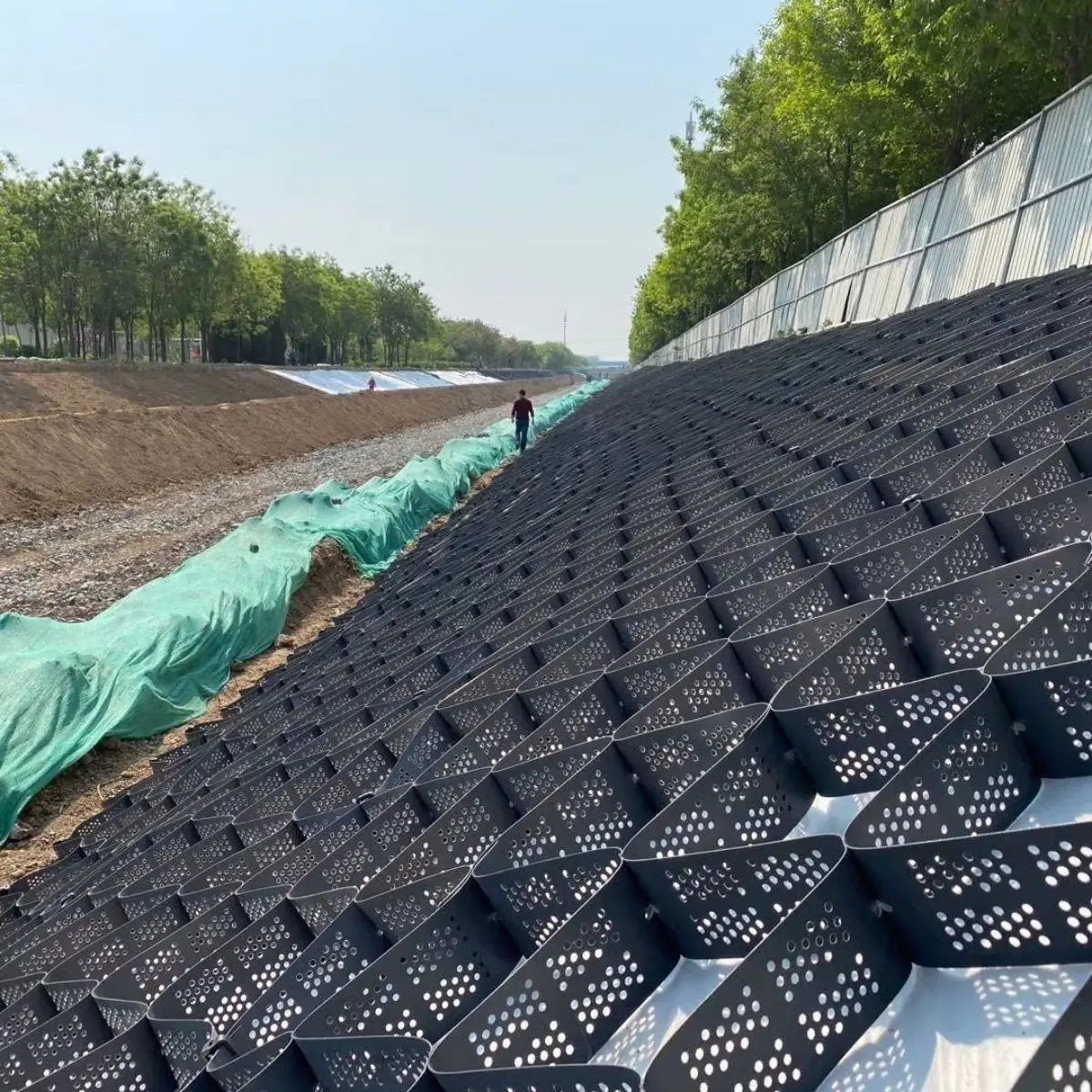
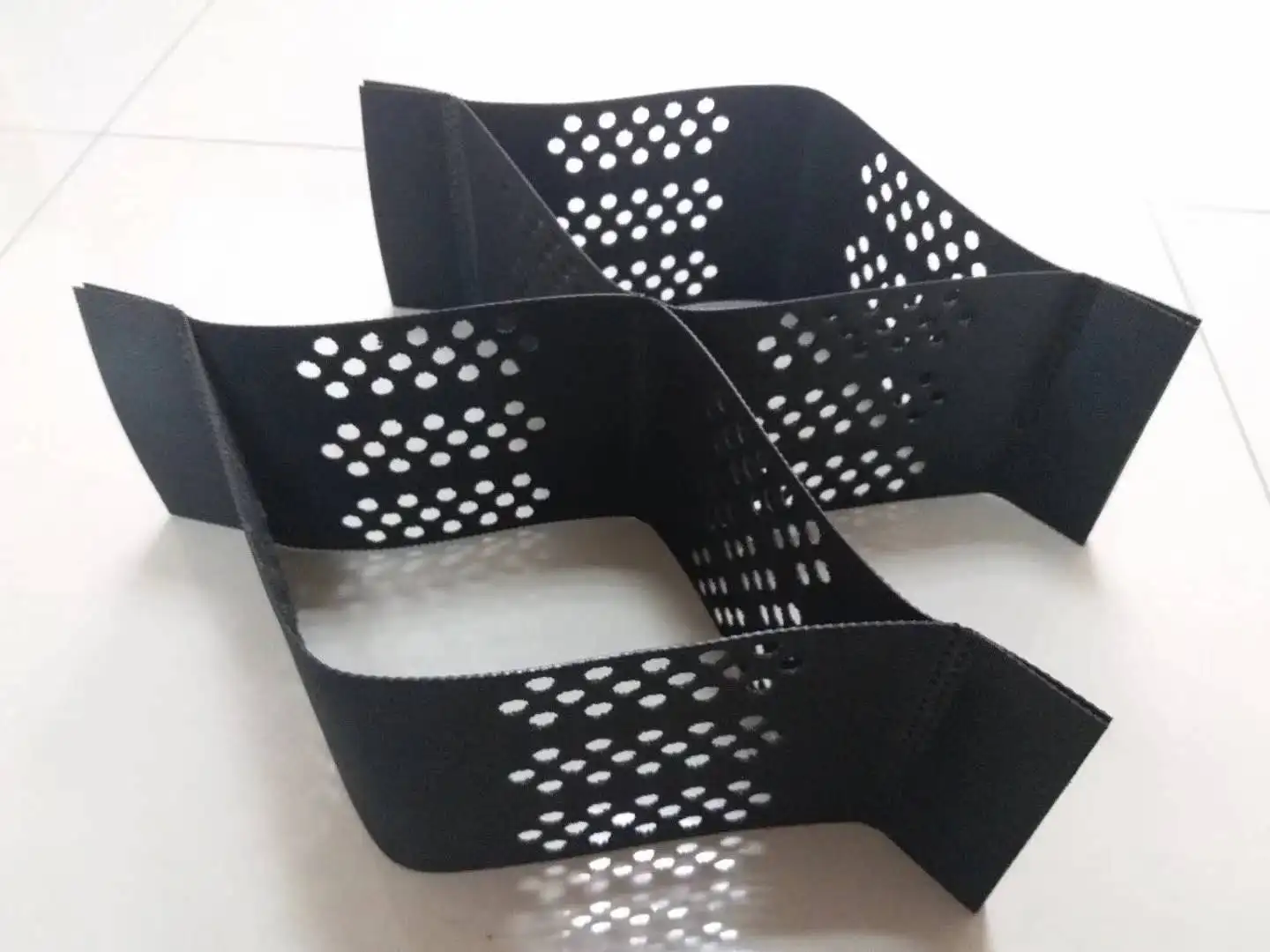
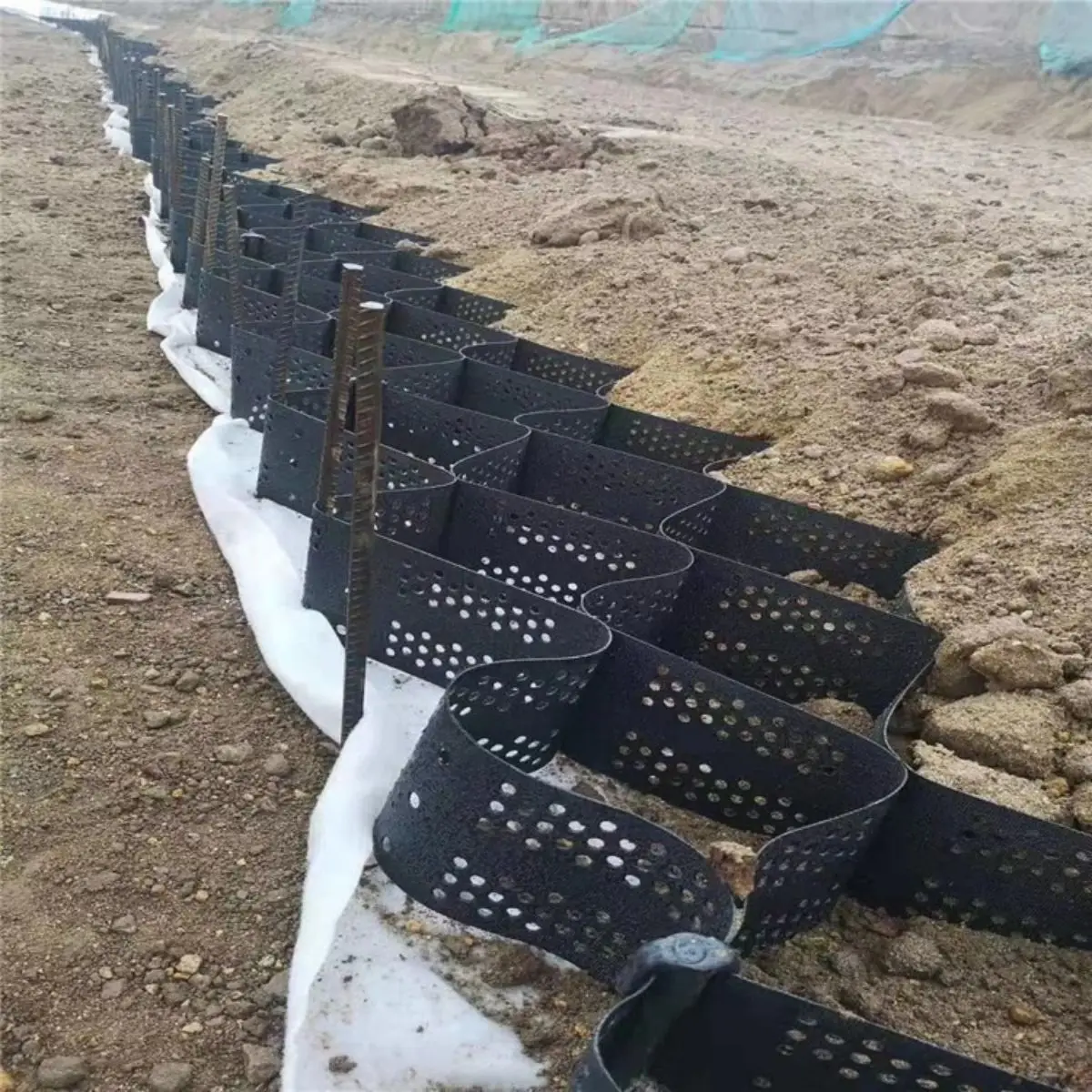
HDPE geocell Geo cell ground enhancement cellular system gravel grid driveway gravel stabilizer
- Category: >>>
- Supplier: Shanxi Shengxing Building Materials Sales Co. LtdShanxi Ltd
Share on (1601284443502):
Product Overview
Description
Products Description

Product Introduction
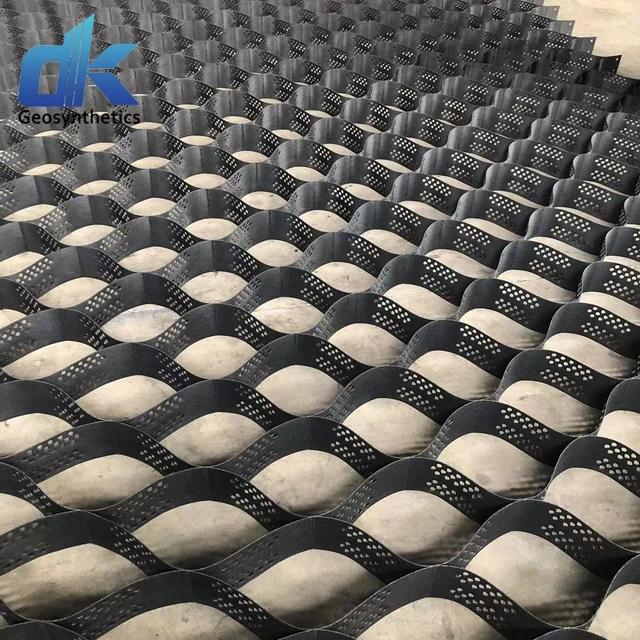
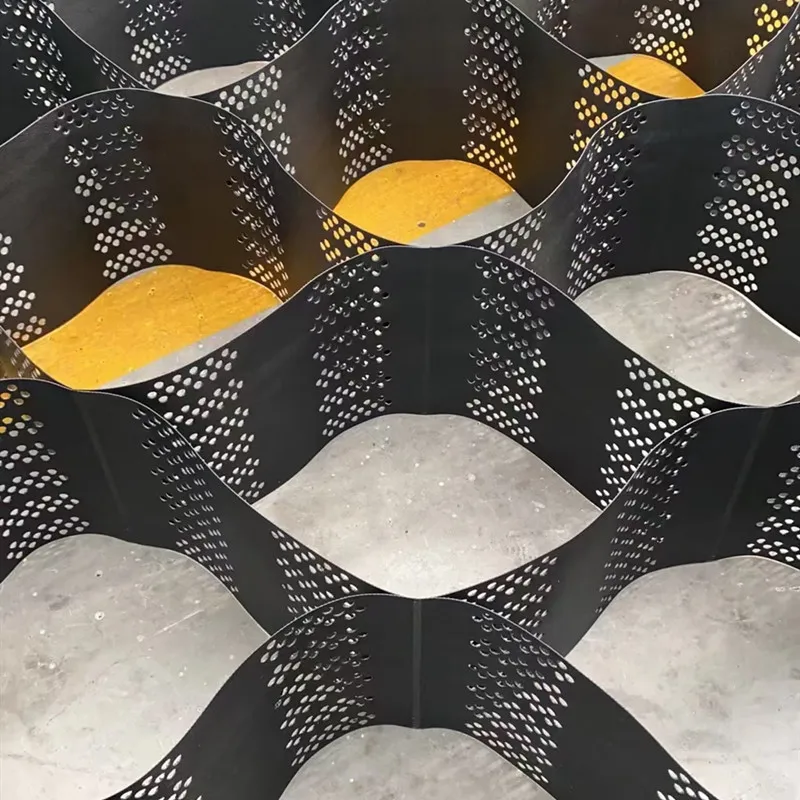
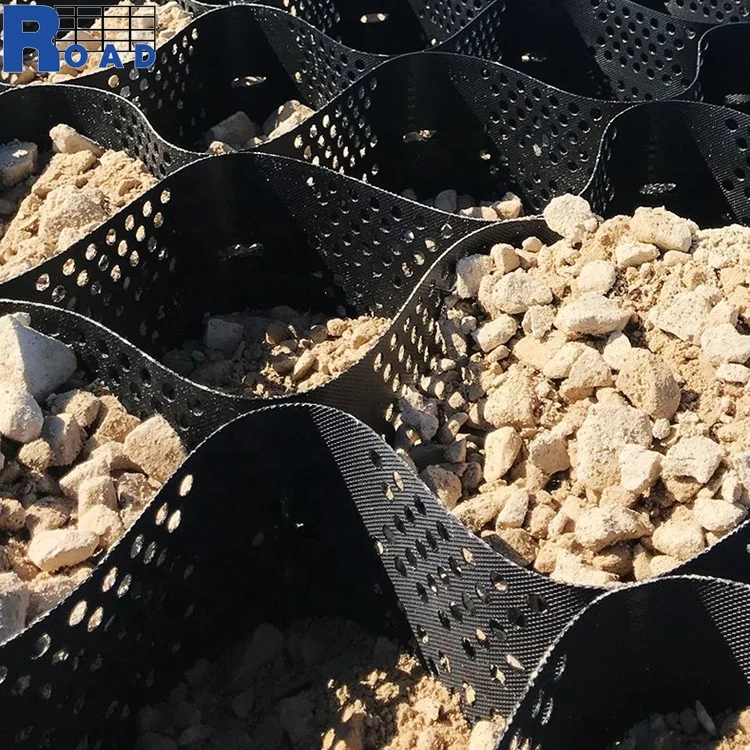
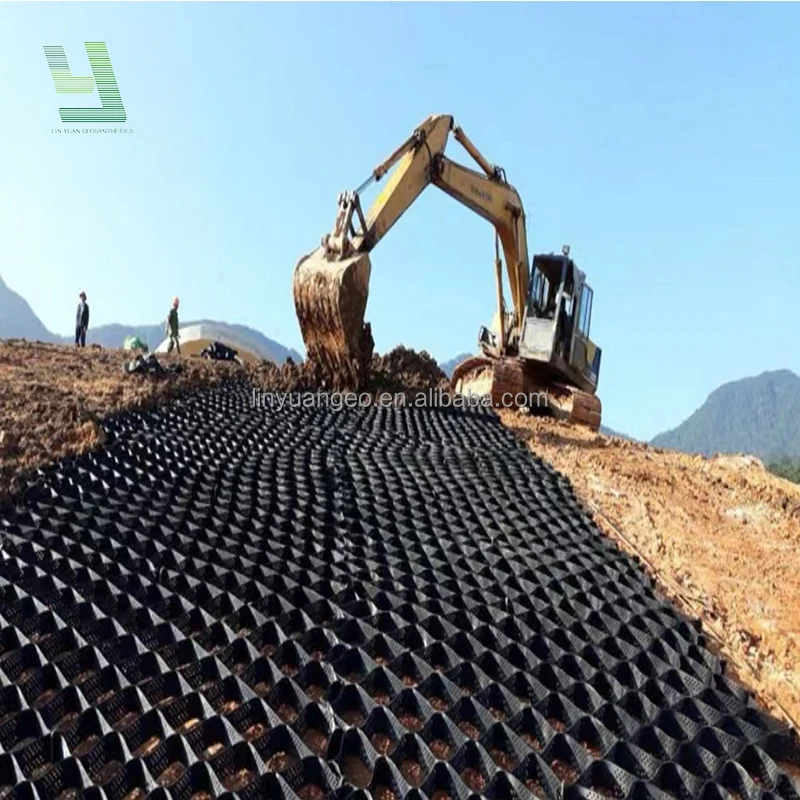
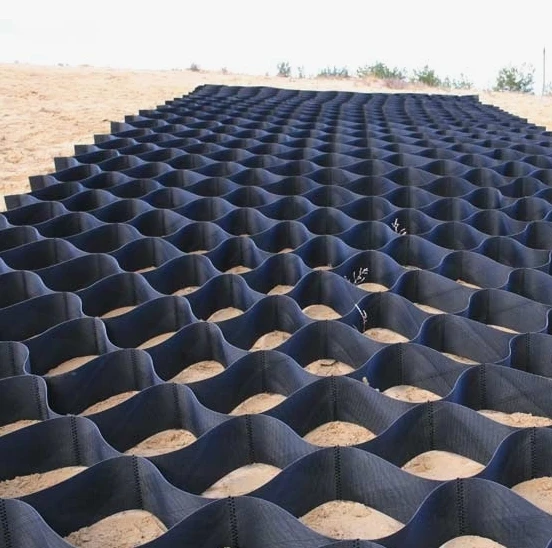
Plastic geosynthetic cell is a type of geosynthetic material, which is a three-dimensional network structure formed by connecting polymer sheets with rivets or ultrasonic welding. When used, it unfolds in a network shape and is filled with loose materials such as sand, gravel, and soil to form a composite material with a whole structure. According to customer requirements, holes or prints can be punched or printed on the sheet to enhance its lateral permeability, increase friction and bonding with the foundation material.
Product Features
Feature1:It can stretch and contract freely, and can be transported and stacked. During construction, it can be tensioned into a mesh and filled with loose materials such as soil, gravel, and concrete, forming a structure with strong lateral constraints and high stiffness.
Feature2:Lightweight material, wear-resistant, and stable chemical properties. Resistant to light and oxygen aging, acid and alkali, suitable for different soil conditions such as deserts.
Feature3:High lateral restriction and anti slip, anti deformation. Effectively enhancing the bearing capacity of the roadbed and dispersing the load.
Feature4:Changing the geometric dimensions such as the height and welding distance of the geotechnical cell can meet different engineering needs.
Feature3:High lateral restriction and anti slip, anti deformation. Effectively enhancing the bearing capacity of the roadbed and dispersing the load.
Feature4:Changing the geometric dimensions such as the height and welding distance of the geotechnical cell can meet different engineering needs.
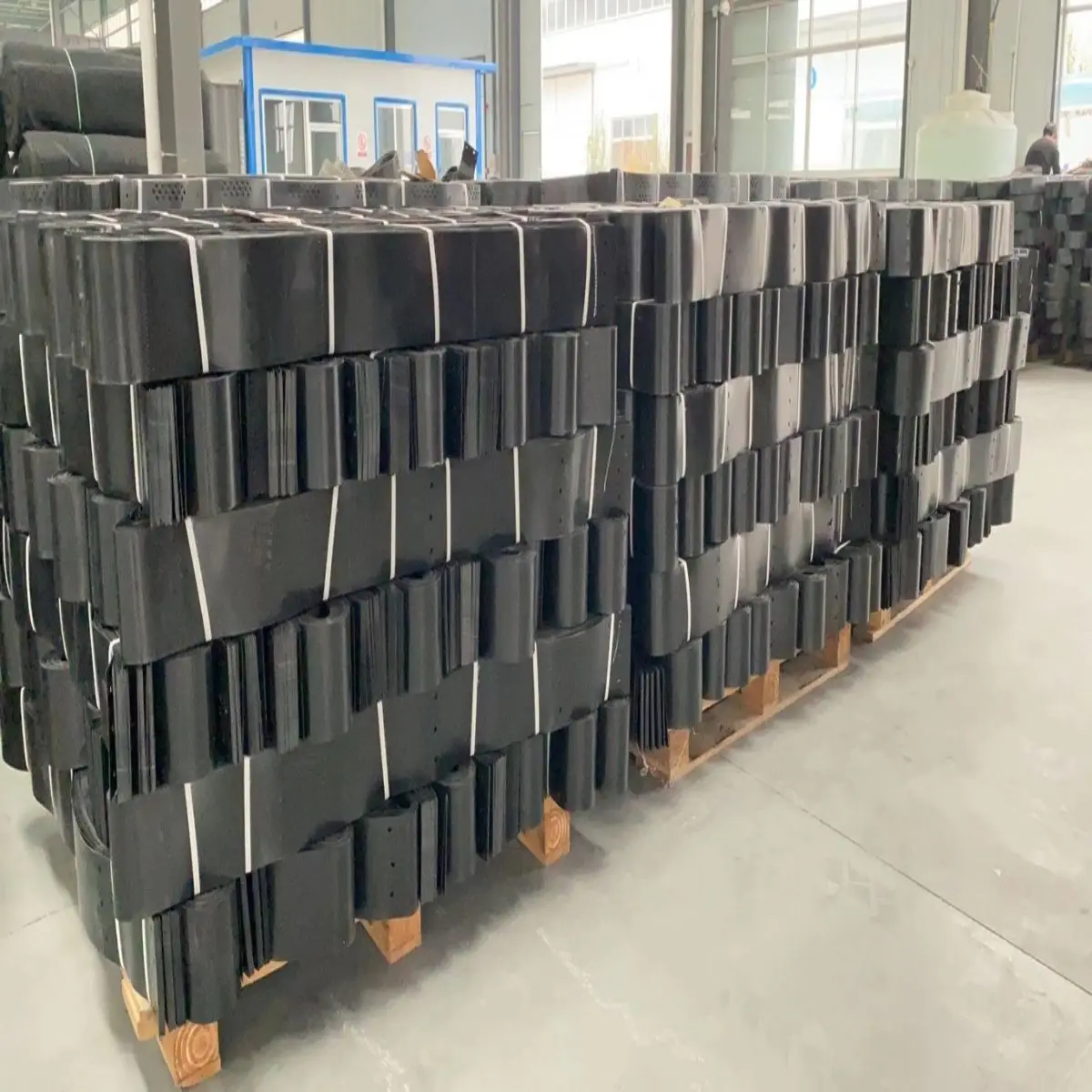
Feature5:Flexible expansion and contraction, small transportation volume; Convenient linking and fast construction speed.


Recommend Products

Ground Stabilisation
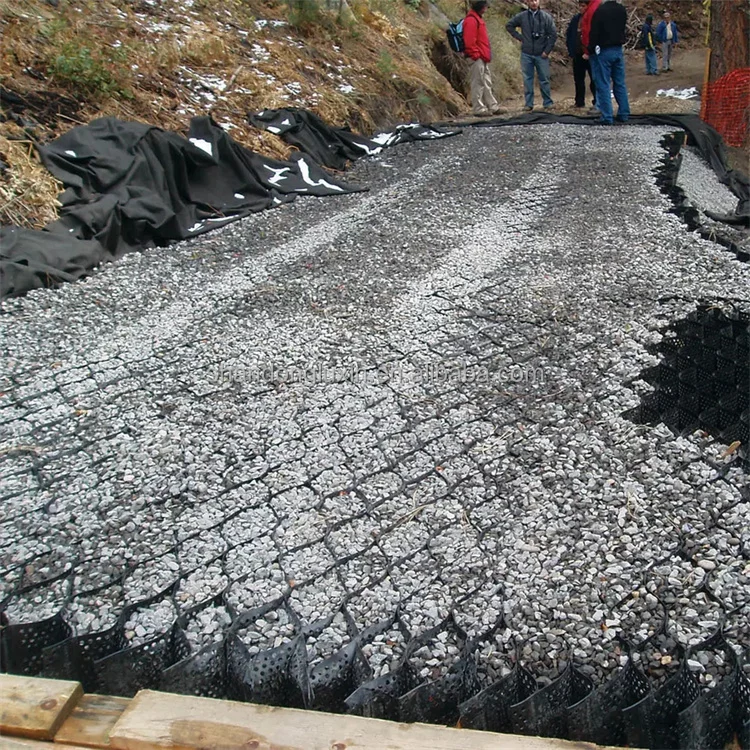
Cellular Confinement Systems strengthen the aggregate infill, thereby simultaneously enabling the use of poorly graded inferior
material for infill as well as reducing the structural support layer thickness.Typical stabilization applications include
reinforcement of base and sub-base layers in flexible pavements, including: roads, railway substructure and ballast confinement;
working platforms in inter modal ports; airport runways.
material for infill as well as reducing the structural support layer thickness.Typical stabilization applications include
reinforcement of base and sub-base layers in flexible pavements, including: roads, railway substructure and ballast confinement;
working platforms in inter modal ports; airport runways.
Load Support
Cellular Confinement Systems have been used to improve the performance of both paved and unpaved roads by reinforcing the soil in
the subgrade-base interface or within the base course. The effective load distribution of geocell creates a strong,stiff 3D
cellular mattress which can reduce vertical differential settlement into soft subgrades, improves shear strength, and enhances
load-bearing capacity, while reducing the amount of aggregate material required to extend the service life of roads.
the subgrade-base interface or within the base course. The effective load distribution of geocell creates a strong,stiff 3D
cellular mattress which can reduce vertical differential settlement into soft subgrades, improves shear strength, and enhances
load-bearing capacity, while reducing the amount of aggregate material required to extend the service life of roads.
Slope Protection
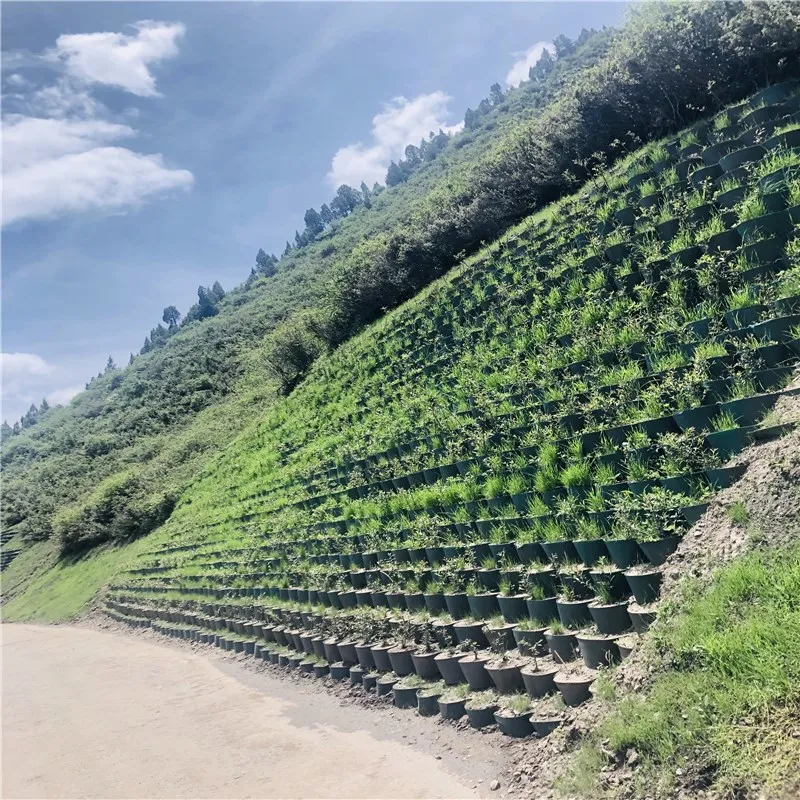
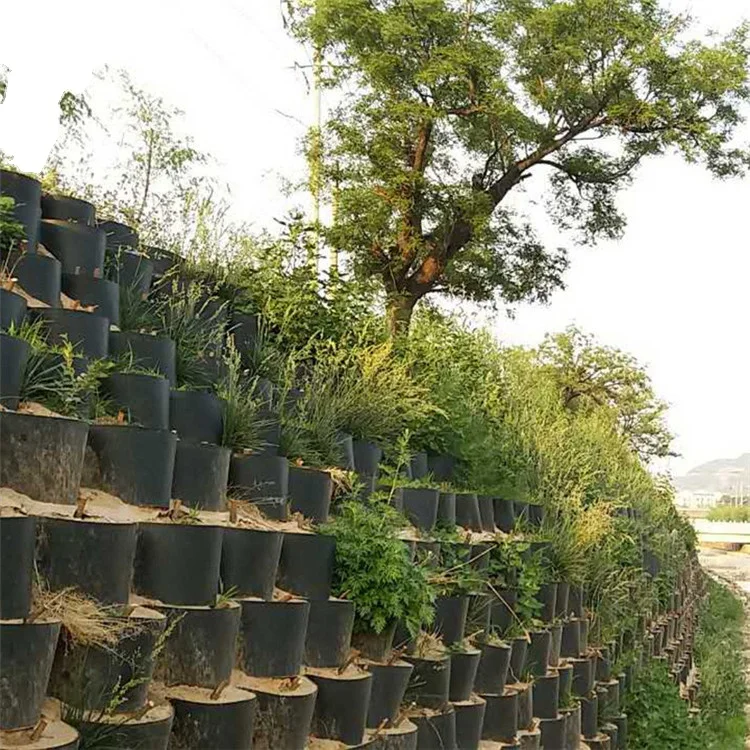
The three-dimensional lateral confinement of Cellular Confinement Systems along with anchoring techniques ensures the long-term
stability of slopes using vegetated topsoil, aggregate or concrete surfacing
stability of slopes using vegetated topsoil, aggregate or concrete surfacing


We Recommend
New Arrivals
New products from manufacturers at wholesale prices