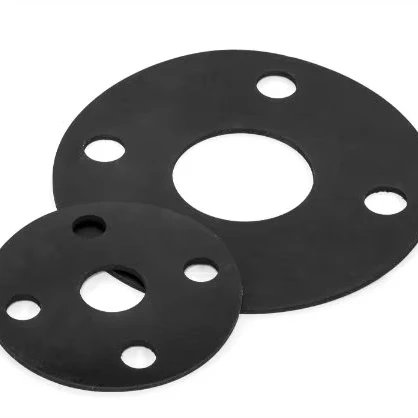
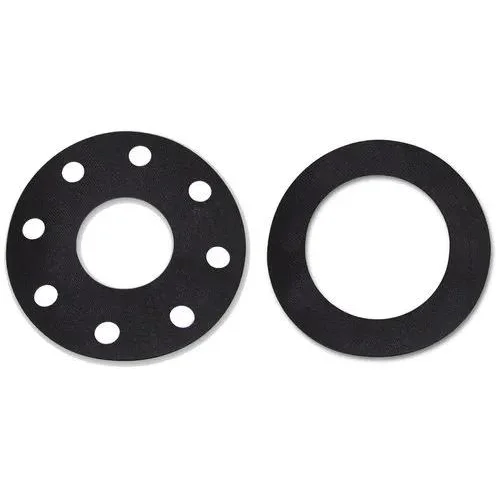
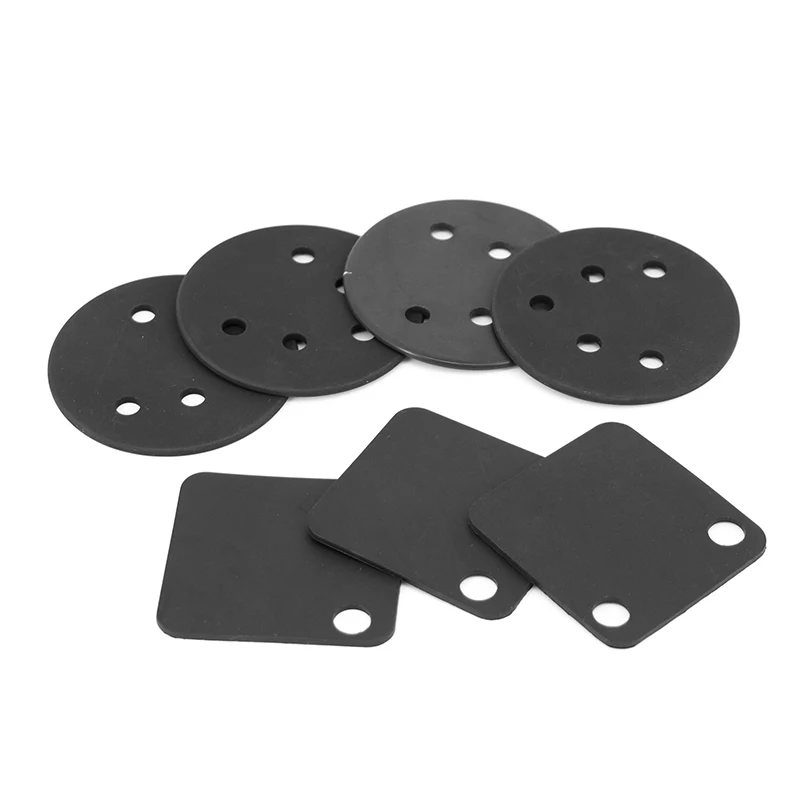
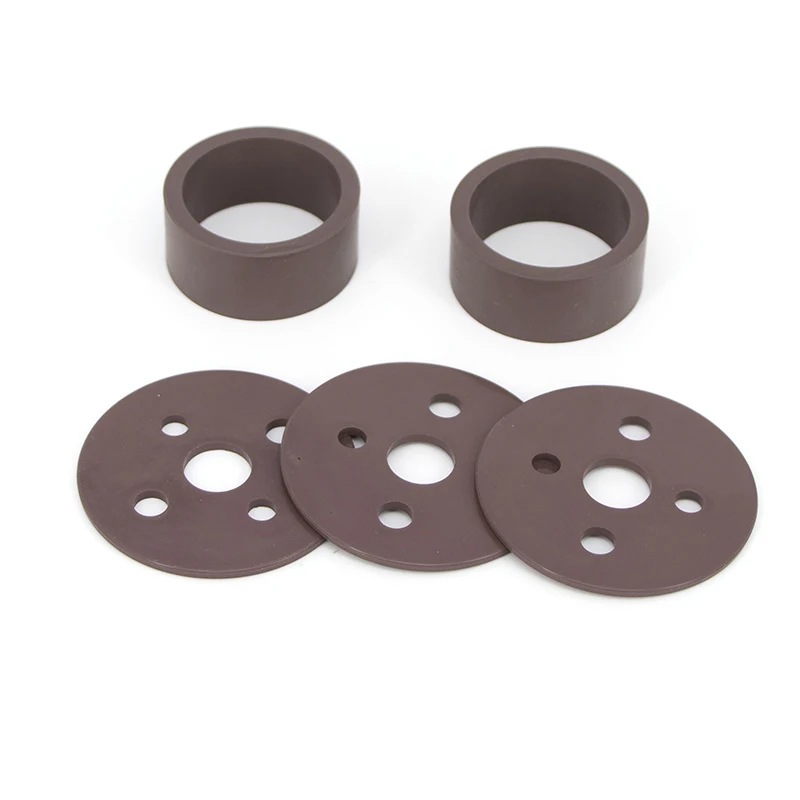
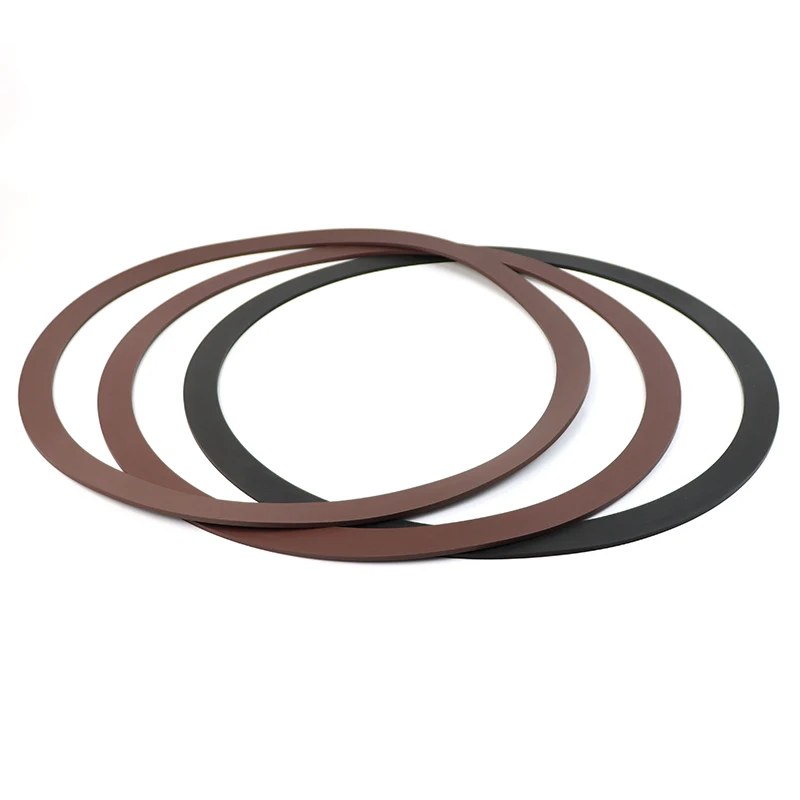
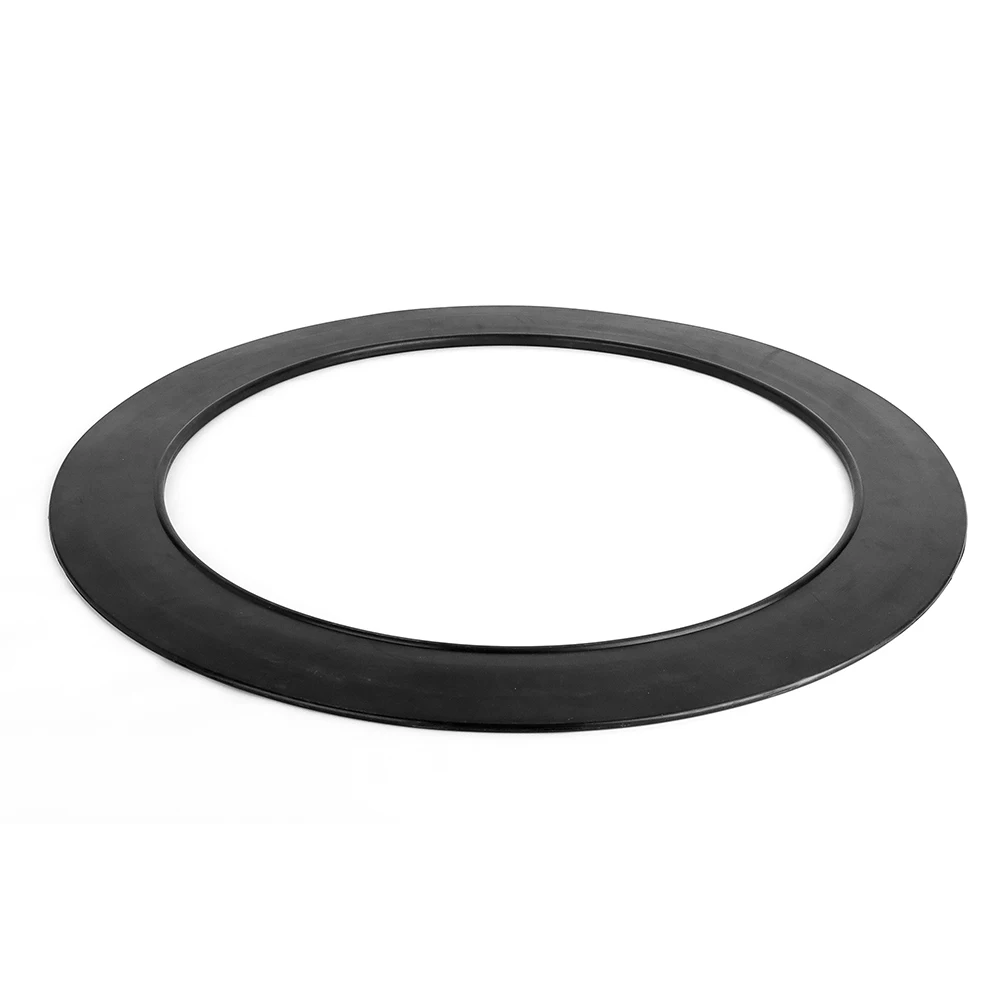
ROHS Odorless High Heat Resistant Silicone FKM Flat Ring Gasket Rectangular Food Grade EPDM Flange Gasket
- Category: >>>
- Supplier: Guangdong Haoo Sealing Technology Co. Ltd.Guangdong Ltd.
Share on (1601354501190):
Product Overview
Description
Product Description
| Material | Standard compounds | Standard hardness ±5ShoreA | Standard colors | Material Description |
| FKM/FPM | Type A | 75 | balck /brown | It is a standard formula material with bisphenol cured and a fluorine content of 66%,The operating temperature range is -20 ℃~+250 ℃, and it is recommended to keep the long-term working temperature within+225 ℃ |
| FKM/FPM | Type B | 75 | balck /brown | It is a standard formula material with bisphenol cured and a fluorine content of 68.5%,The operating temperature range is -20 ℃~+250 ℃, and it is recommended to keep the long-term working temperature within+225 ℃ |
| FVMQ | Peroxide Cure | 70 | Light blue/Yellow | Fluorosilicone is like silicone rubber.The temperature range for use is -60 ℃~+175 ℃, with short-term use at 200 ℃ |
| VMQ | Peroxide Cure | 70 | Red | Standard silicone compounds are usually peroxide-cured. Mainly polymerized from methyl vinyl silicone rubber, with a working range of -60 ℃ to+225 ℃ |
| EPDM | Peroxide Cure | 70 | Black | Peroxide-Cured EPDM rubber provides a wider temperature range and superior compression permanent deformation, with a stable working range of -55 ℃ to+150 ℃ |
| EPDM | Sulfur Cure | 70 | Black | Standard EPDMs are usually sulfur-cured.Operating range -40 ℃~100 ℃ |
| HNBR | Peroxide Cure | 70 | Black/Green | Hydrogenated nitrile specifically designed to provide superior temperature and fuel resistance compared to traditional NBR materials. Standard compounds HNBR, operating temperature range -40 ℃~+150 ℃, long-term operating temperature+135 ℃ |
| NBR | Peroxide Cure | 70 | Black | High temperature peroxide-cured NBR, temperature range -40 ℃~+135 ℃, |
| NBR | Sulfur Cure | 70 | Black | The standard couponds NBR material is sulfur-cured, with a temperature range of -40 ℃ to+100 ℃ |
| Compounds | General Description | |||
| FKM/FPM | FKM have excellent chemical and temperature resistance and are available in a wide variety of FKM types and formulations. Fluorocarbon compounds are widely used in chemical, aerospace and industrial applications, but are not recommended for use with steam, amines, or polar solvents.Bisphenol cured compounds include type A/B/F, peroxide cured compounds include type GF/GLT/ETP, and Strong acid and alkali resistance compound Aflas | |||
| FVMQ | Fluorosilicone o-rings feature excellent low temperature performance and resistance to most jet fuels and mineral oils, making them ideal for use in aerospace, automotive and some semiconductor applications. Fluorosilicone o’rings are a hybrid of Silicone and FKM materials. | |||
| VMQ | Silicone rubber are excellent seal materials for static, high temperature applications. Featuring outstanding flex and fatigue life, ozone and UV radiation resistance, physiologically neutral and insulating properties, silicone o-rings are effective in a wide range of applications. | |||
| EPDM | Ethylene-Propylene elastomers are most commonly a terpolymer by excellent chemical and thermal resistance. EPDM materials are used in a wide range of water and irrigation applications. EPDM are not recommended for exposure to most oils | |||
| HNBR | Hydrogenated Nitrile was specifically developed for increased temperature resistance and better compatibility with new automotive fuels. Hydrogenated Nitrile also offers higher strength and minimal degradation at high temperatures. Specific physical and chemical resistances vary by compound formulation. | |||
| NBR | also known as Buna-N, are one of the most common types of o-ring materials because of their low-cost performance in basic water, oils, fuels, and lubricants.For general purpose applications such as pneumatics, hydraulics, and fuel systems | |||


We Recommend


New Arrivals
New products from manufacturers at wholesale prices