80±3μm PEM Double Reinforced Proton Exchange Membrane with Superior Conductivity for Water Electrolysis Systems
- Category: >>>
- Supplier: Guangdong Younyan Energy Technology Co. Ltd.Guangdong Ltd.
Share on (1601376806063):
Product Overview
Description
Why hydrogen?-We’re unlocking tomorrow’s energy
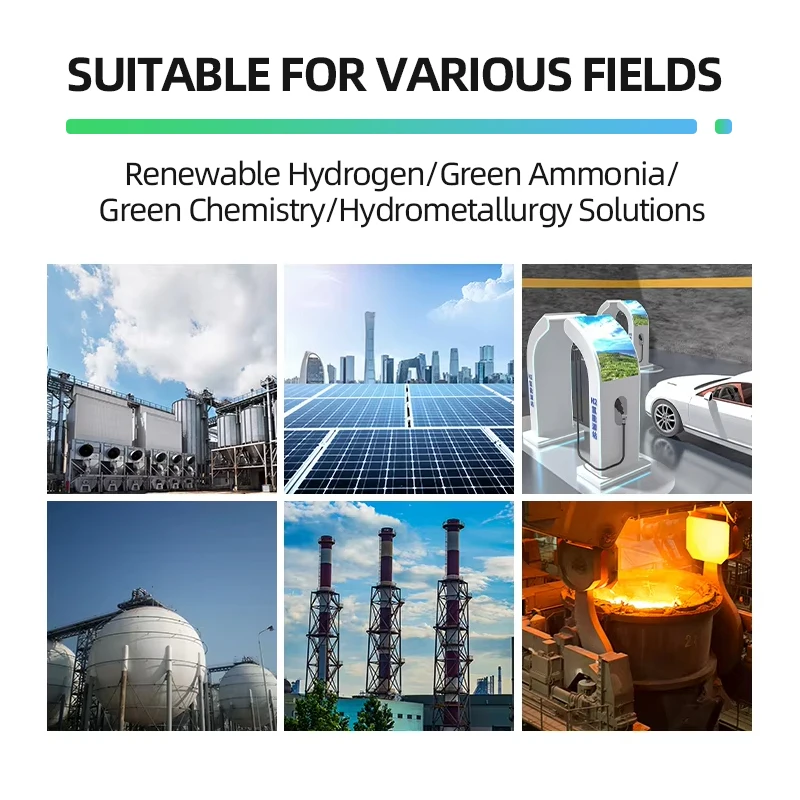
Hydrogen is not only the most abundant element in the universe. It could also play an essential role in tomorrow’s energy mix, from fueling cars, trains, trucks, and ships to generating electricity and heating buildings. That’s because it’s a colorless,clean fuel that emits only water when burnt or oxidized.
Its potential as an energy carrier is therefore a key part of our vision to deliver a lower-emissions future with today’s infrastructure and help meet tomorrow’s needs for people and the planet.
Hydrogen is not only the most abundant element in the universe. It could also play an essential role in tomorrow’s energy mix, from fueling cars, trains, trucks, and ships to generating electricity and heating buildings. That’s because it’s a colorless,clean fuel that emits only water when burnt or oxidized.
Its potential as an energy carrier is therefore a key part of our vision to deliver a lower-emissions future with today’s infrastructure and help meet tomorrow’s needs for people and the planet.

Advantages:
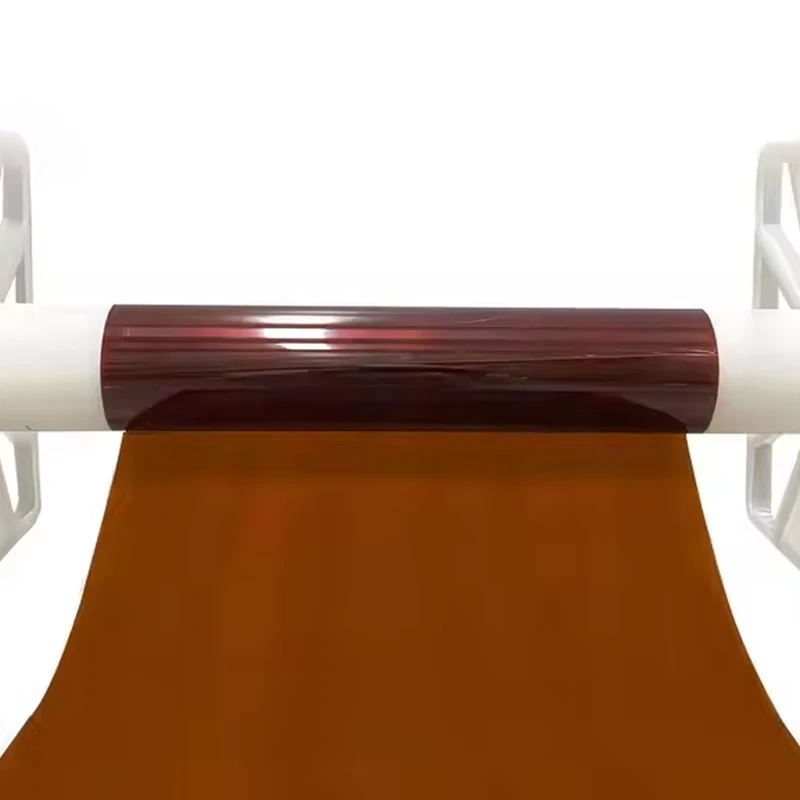
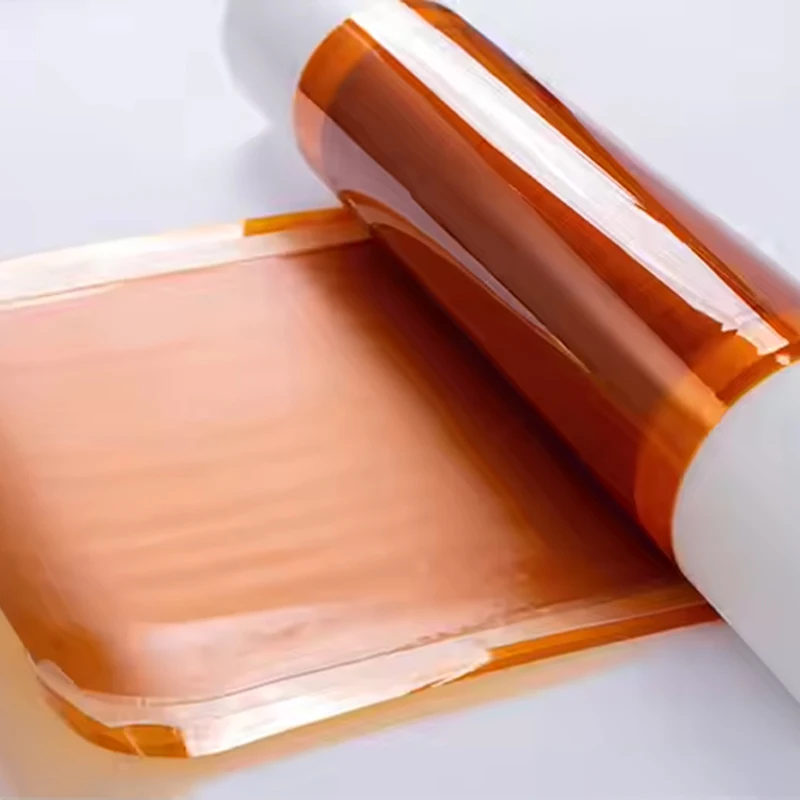
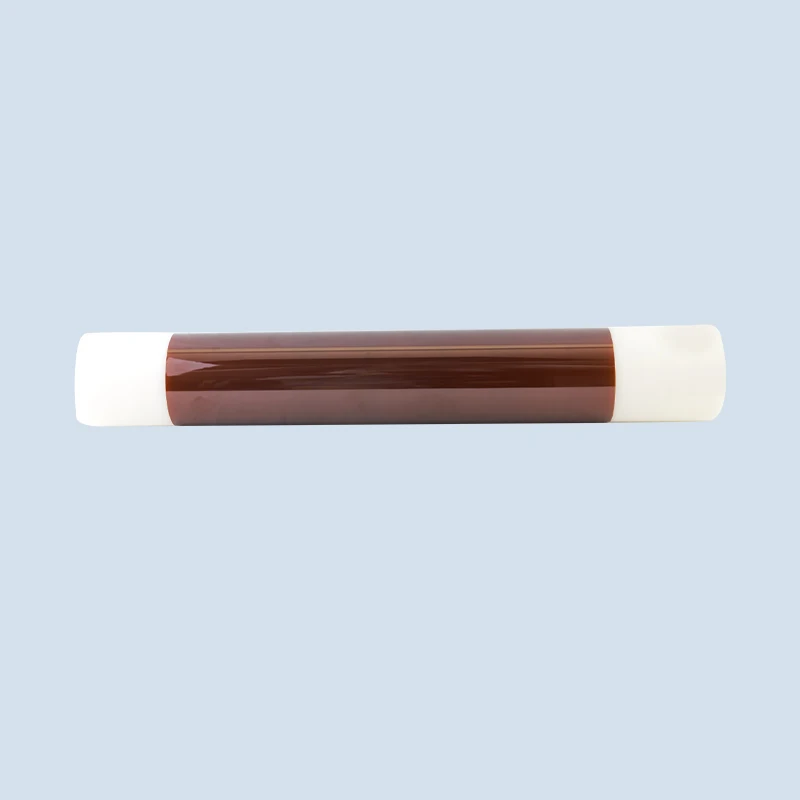
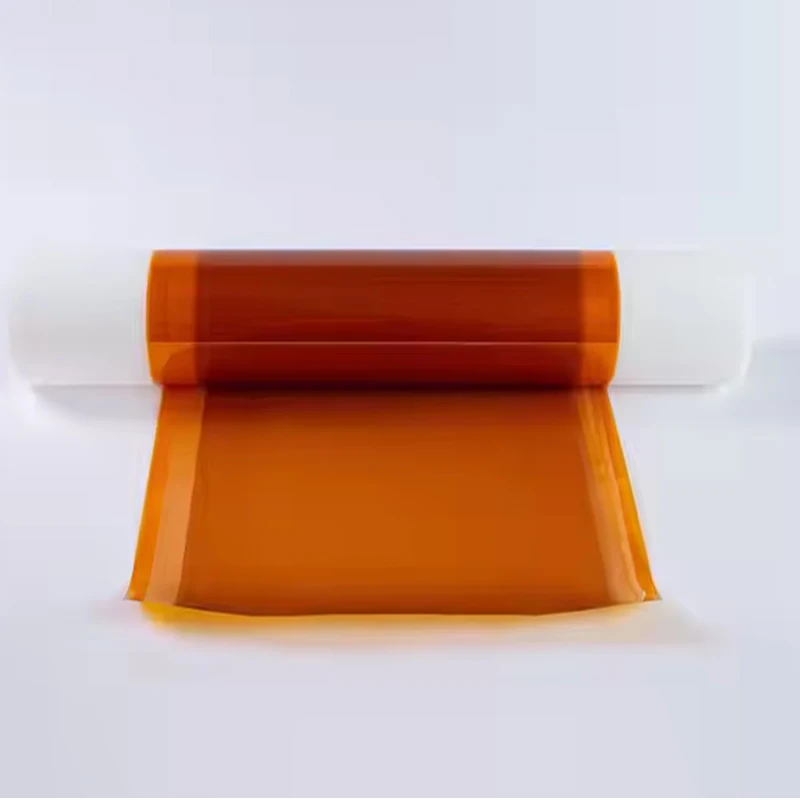
PEM double reinforced proton exchange membrane is made of perfluorosulfonic acid resin with good chemical stability, proton conductivity and gas separability as solid electrolyte, and adopts high-strength polymer as the reinforcement layer skeleton, which has the characteristics of low impedance, high selectivity, and high mechanical stability and so on; through chemical reinforcement to make it high in corrosive environment with high chemical stability and low hydrogen permeation current. Compared with similar proton exchange membrane with higher mechanical properties and proton conductivity, can be widely used in industrial high-pressure differential electrolysis water hydrogen production, membrane separation and other fields.
Product Description
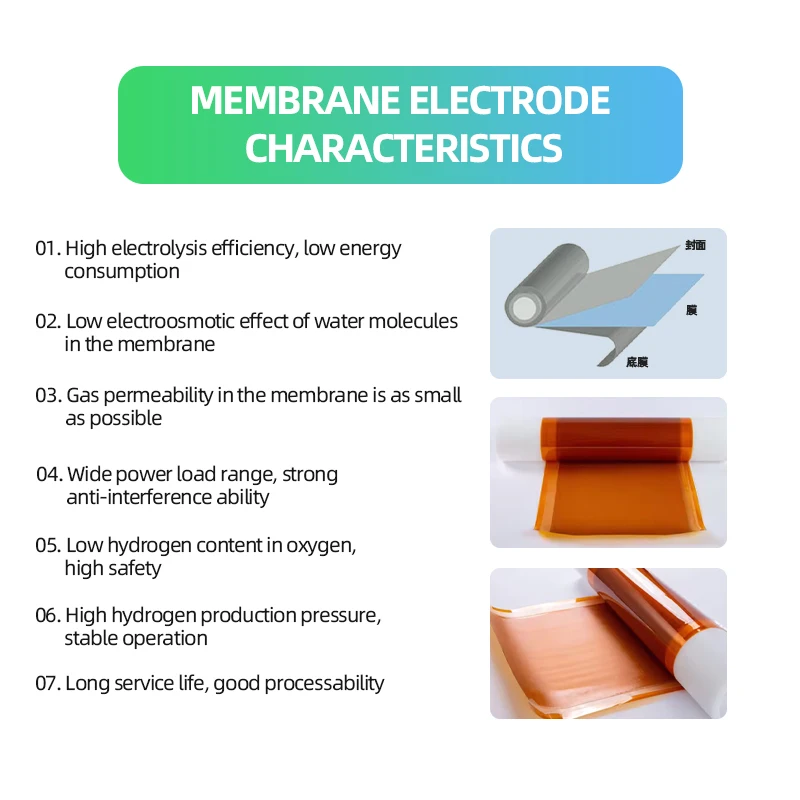
1.Good proton conductivity
2.Low electroosmotic effect of watermolecules in the memprane
3.Gas permeability in the membrane isas small as possible
4.Good dry-wet conversion
5.Good dry-wet conversion performance
6.Good processing performance
7.Has a certain mechanical strength
8.Good processability

Company Information
Guangdong Younyan Energy Technology Co., Ltd. is an innovative enterprise that has emerged in the field of new energy technology.
As a new energy technology company integrating R&D, intelligent manufacturing, and global sales.
The company takes innovation as its driving force, promoting the application of hydrogen energy products as its mission, and
aiming to become a world-class high-tech enterprise in the field of new energy. It continuously promotes hydrogen energy storage technology, and at the same time, through the industry's technological progress and application optimization, provides the highest quality products and services to customers in industry, agriculture, health and other industries.
As a new energy technology company integrating R&D, intelligent manufacturing, and global sales.
The company takes innovation as its driving force, promoting the application of hydrogen energy products as its mission, and
aiming to become a world-class high-tech enterprise in the field of new energy. It continuously promotes hydrogen energy storage technology, and at the same time, through the industry's technological progress and application optimization, provides the highest quality products and services to customers in industry, agriculture, health and other industries.
FAQs about PEM electrolysis
1.What is PEM electrolysis?
Proton exchange membrane electrolysis (PEM electrolysis) is an electrochemical process for producing hydrogen by means of water electrolysis. The process uses an electrolyzer that contains an anode and a cathode. The anode and cathode are separated electrically by a proton exchange membrane, which is also called a polymer electrolyte membrane. When the electrolysis process runs on electricity from renewable energy sources such as solar power, hydropower, or wind power, the hydrogen produced is known as green hydrogen.
2.How does PEM electrolysis work?
In PEM electrolysis, ultrapure water flows around a proton exchange membrane (PEM). Located between the anode and the cathode, this membrane is ionically conductive. When an electric voltage is applied to both electrodes, the water on the anode side oxidizes to oxygen, free electrons, and hydrogen ions (Oxygen Evolution Reaction, OER). The ions pass through the membrane by diffusion. They then combine with the electrons at the cathode side to form hydrogen gas (Hydrogen Evolution Reaction, HER). The reaction products of PEM electrolysis are hydrogen and oxygen.
3.What is a PEM electrolyzer?
A PEM electrolyzer is a system that splits water into its component parts of hydrogen and oxygen by means of an electrochemical reaction. The hydrogen produced in this way is used as an efficient energy source. We manufacture the most important component of a PEM electrolyzer – the stack, which is, in a sense, the beating heart of water electrolysis. There is a great range of areas of application – and the dimensions of electrolysis systems vary greatly, too. They range from decentralized hydrogen production for covering industrial companies’ own needs through to large-scale systems for industrial hydrogen applications or for companies that produce hydrogen on a large scale for export purposes.
4.What are the system benefits of PEM electrolysis?
Compared to other electrolysis methods, such as alkaline electrolysis (AEL), PEM water electrolysis boasts a number of key benefits, including high power density, high energy efficiency, and high hydrogen output pressure. There are other advantages to sing PEM electrolyzers, too – they offer maximum flexibility, require very little space, and can be scaled with ease. What’s more, this process is very safe and reliable, making it the ideal technology when combined with renewable energy resources such as wind and solar power.
Thank you so much for visiting, please contact me freely if you have any questions.
Proton exchange membrane electrolysis (PEM electrolysis) is an electrochemical process for producing hydrogen by means of water electrolysis. The process uses an electrolyzer that contains an anode and a cathode. The anode and cathode are separated electrically by a proton exchange membrane, which is also called a polymer electrolyte membrane. When the electrolysis process runs on electricity from renewable energy sources such as solar power, hydropower, or wind power, the hydrogen produced is known as green hydrogen.
2.How does PEM electrolysis work?
In PEM electrolysis, ultrapure water flows around a proton exchange membrane (PEM). Located between the anode and the cathode, this membrane is ionically conductive. When an electric voltage is applied to both electrodes, the water on the anode side oxidizes to oxygen, free electrons, and hydrogen ions (Oxygen Evolution Reaction, OER). The ions pass through the membrane by diffusion. They then combine with the electrons at the cathode side to form hydrogen gas (Hydrogen Evolution Reaction, HER). The reaction products of PEM electrolysis are hydrogen and oxygen.
3.What is a PEM electrolyzer?
A PEM electrolyzer is a system that splits water into its component parts of hydrogen and oxygen by means of an electrochemical reaction. The hydrogen produced in this way is used as an efficient energy source. We manufacture the most important component of a PEM electrolyzer – the stack, which is, in a sense, the beating heart of water electrolysis. There is a great range of areas of application – and the dimensions of electrolysis systems vary greatly, too. They range from decentralized hydrogen production for covering industrial companies’ own needs through to large-scale systems for industrial hydrogen applications or for companies that produce hydrogen on a large scale for export purposes.
4.What are the system benefits of PEM electrolysis?
Compared to other electrolysis methods, such as alkaline electrolysis (AEL), PEM water electrolysis boasts a number of key benefits, including high power density, high energy efficiency, and high hydrogen output pressure. There are other advantages to sing PEM electrolyzers, too – they offer maximum flexibility, require very little space, and can be scaled with ease. What’s more, this process is very safe and reliable, making it the ideal technology when combined with renewable energy resources such as wind and solar power.
Thank you so much for visiting, please contact me freely if you have any questions.
We Recommend
New Arrivals
New products from manufacturers at wholesale prices