Pefloxacin is a synthetic chemotherapeutic agent used to treat severe and life-threatening bacterial infections. Pefloxacin is commonly referred to as a fluoroquinolone (or quinolone) drug and is a member of the fluoroquinolone class of antibacterials. It is an analog of norfloxacin. It is a synthetic fluoroquinolone, belonging to the 3rd generation of quinolones.
See the latest package insert for pefloxacin for additional details.
Mode of action
Pefloxacin is a broad-spectrum antibiotic that is active against both Gram-positive and Gram-negative bacteria. It functions by inhibiting DNA gyrase, a type II topoisomerase, and topoisomerase IV,which is an enzyme necessary to separate, replicated DNA, thereby inhibiting cell division.
Mechanism of action:
The bactericidal action of pefloxacin results from interference with the activity of the bacterial enzymes DNA gyrase and topoisomerase IV, which are needed for the transcription and replication of bacterial DNA. DNA gyrase appears to be the primary quinolone target for gram-negative bacteria. Topoisomerase IV appears to be the preferential target in gram-positive organisms. Interference with these two topoisomerases results in strand breakage of the bacterial chromosome, supercoiling, and resealing. As a result DNA replication and transcription is inhibited.
The fluoroquinolones interfere with DNA replication by inhibiting an enzyme complex called DNA gyrase. This can also affect mammalian cell replication. In particular, some congeners of this drug family display high activity not only against bacterial topoisomerases, but also against eukaryotic topoisomerases and are toxic to cultured mammalian cells and in vivo tumor models. Although the quinolone is highly toxic to mammalian cells in culture, its mechanism of cytotoxic action is not known. Quinolone induced DNA damage was first reported in 1986 (Hussy et al.)
Recent studies have demonstrated a correlation between mammalian cell cytotoxicity of the quinolones and the induction of micronuclei.As such some fluoroquinolones may cause injury to the chromosome of eukaryotic cells.
There continues to be considerable debate as to whether or not this DNA damage is to be considered one of the mechanisms of action concerning the severe and non abating adverse reactions experienced by some patients following fluoroquinolone therapy.
FAQ
What are the precautions aboutPefloxacin Mesylate?
Fluoroquinolones are used to treat bacterial infections in many different parts of the body. They are both bacteriocidal and bacteriostatic. It is effective against both gram positve and gram negative organisms including : Pseudomonas, gonoccoci, H.influenzae, staphylococci, streptococci etc. It is not active aginst anaerobes. It is not effective for Rhinitis, Influenza, or other viral infections.They are mainly used for GIT infections.
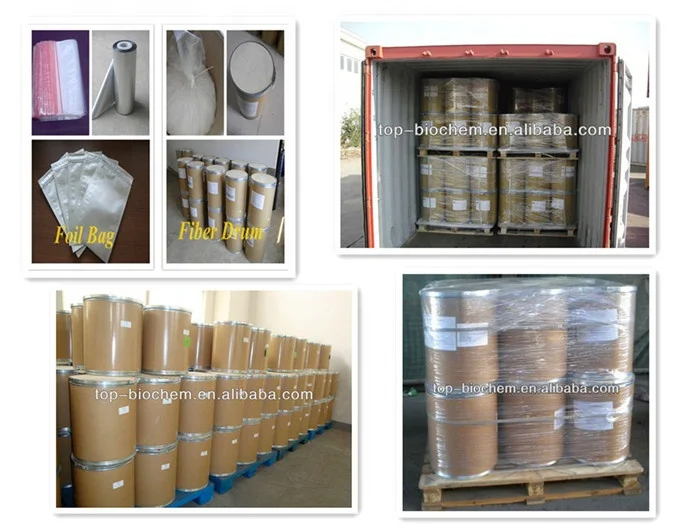
Our normal packaging is 25kg/drum or box or bag. The shipping term can be by sea, by air, your other express company like DHL, FEDEX, EMS, and TNT.
Our Services
a) Free sample can be supplied.
b) Guide our clients by professinal techniques and teach them how to use our product after sales
c) Define lowest price on quality products.
Company Information
Shaanxi Top Pharm Chemical Co., Ltd. has been primarily engaged in the research, development, and marketing of various photochemical products since 1999. We take full advantages of natural pharmaceutical resources
which grow in the areas of Qinba Mountain and Qinling Mountain. Within years' development, our core competitiveness has been firmly formed and developed.
At Top Pharm, we devoted ourselves to the sophisticated products with carefully selected natural resources to meet the demands' of our customers in advance.
Our detailed business scope:
1. Extract/sap and separated effective components from natural plants
2. Supplying amino acid/aminophenol & vitamin series of products
3. Identifying the quality of medicine raw materials
4. Developing the newest pharmaceutical intermediates
5. Providing functional ingredients
At Top Pharm, we firmly believe that customers' success is our success. Each staff member of our company is devoted to being ready for your requirements.