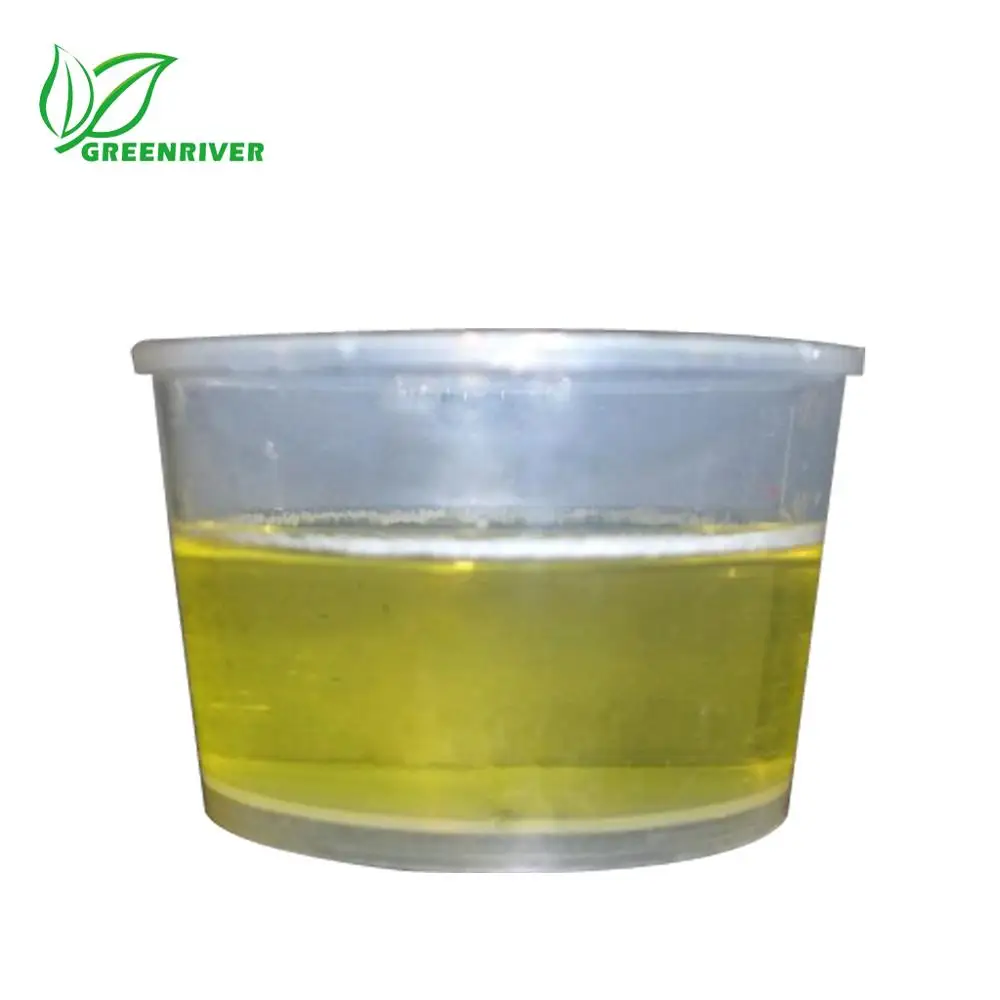
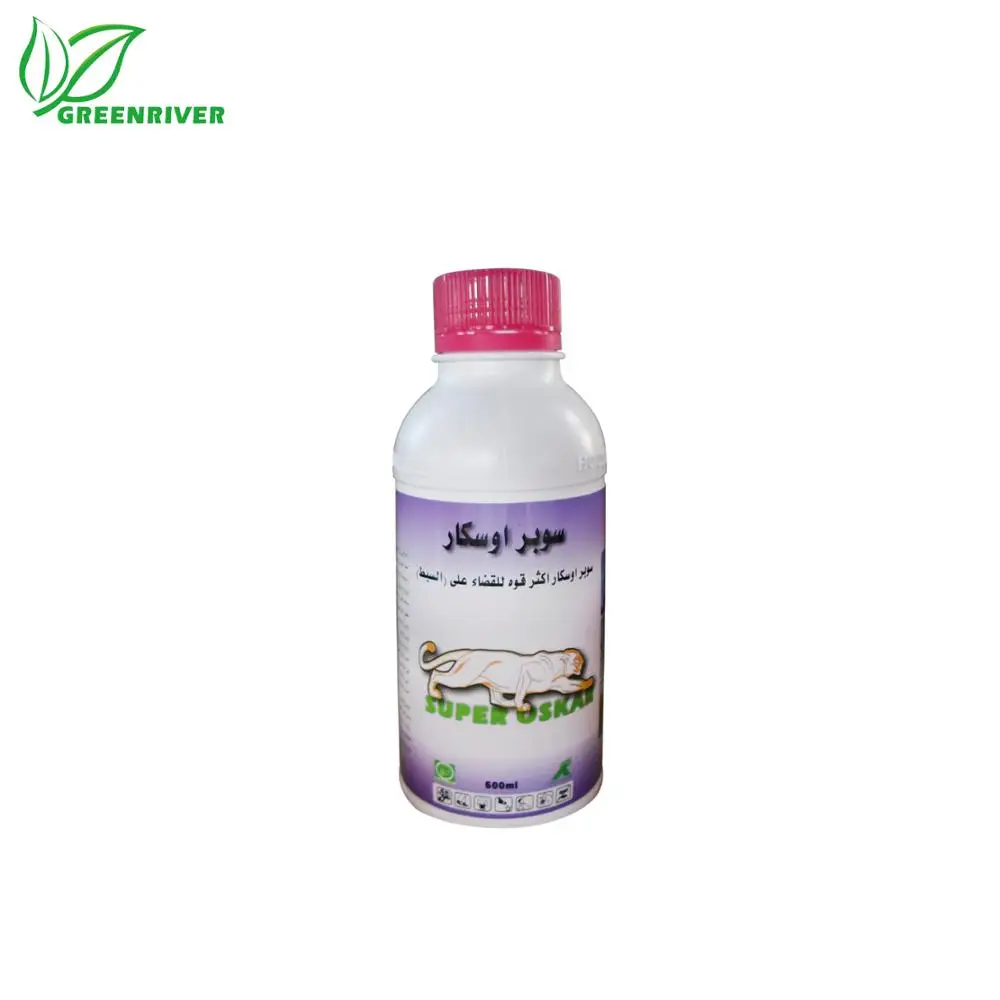
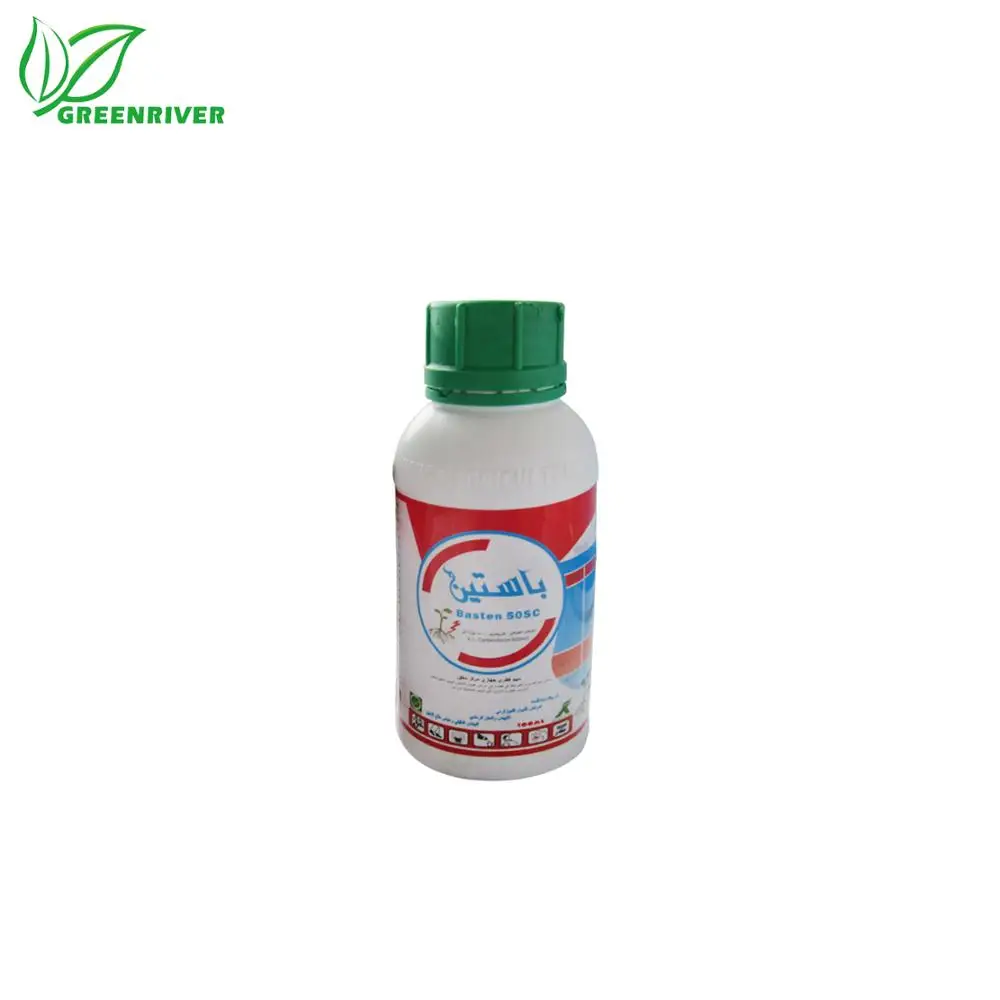
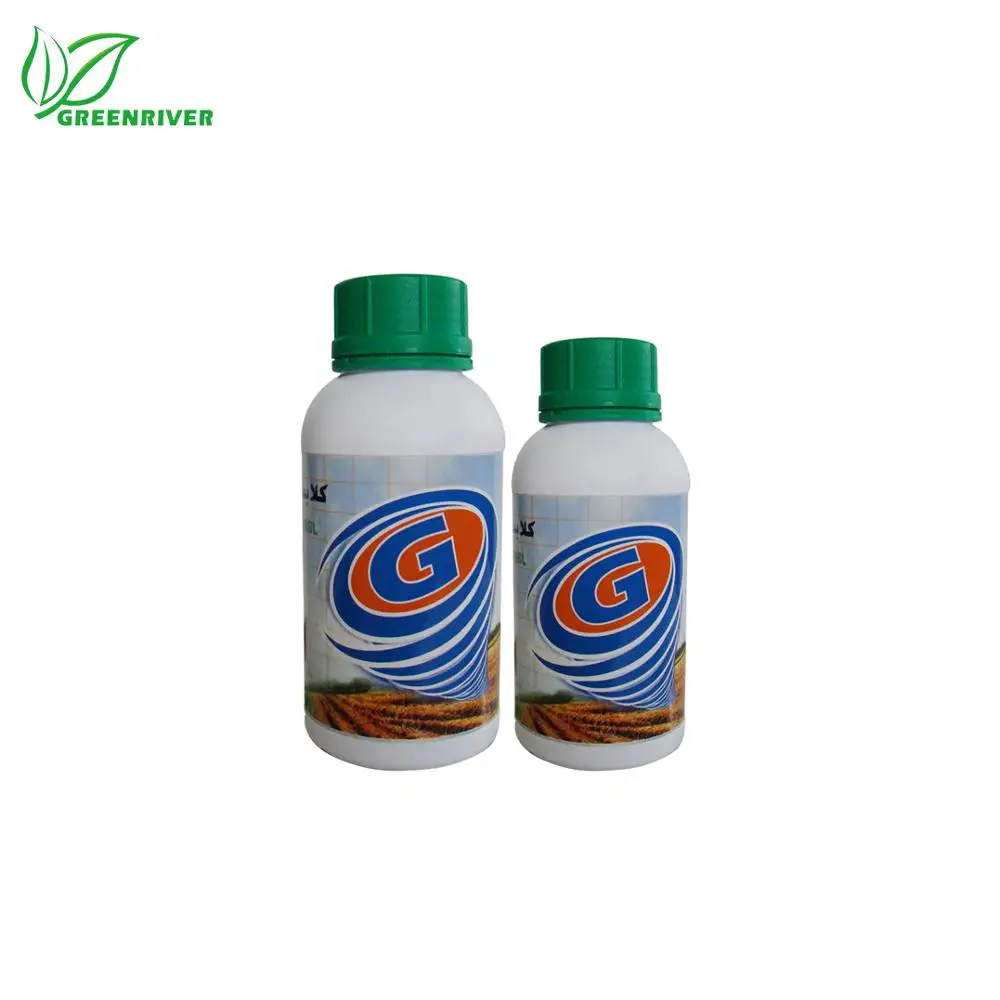
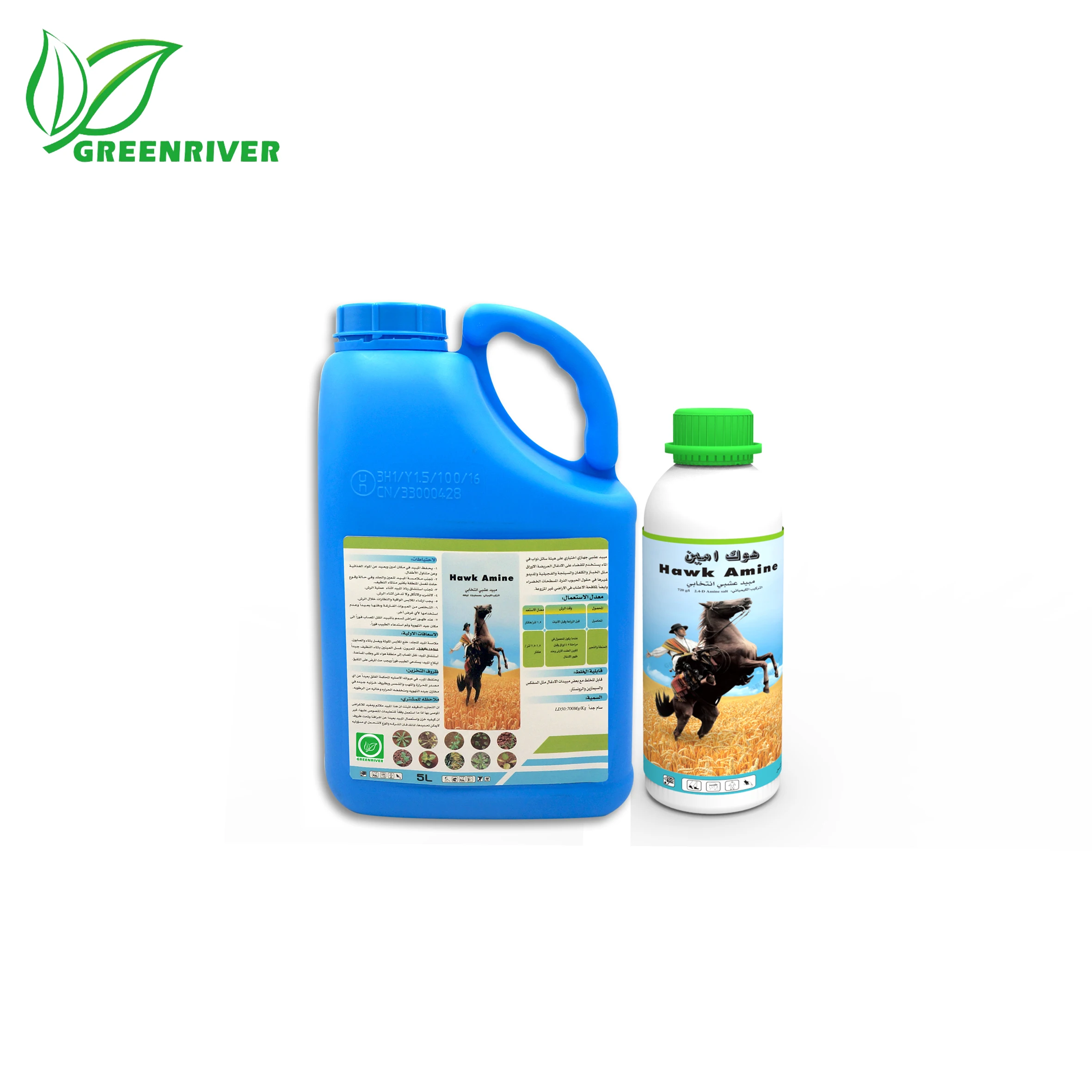
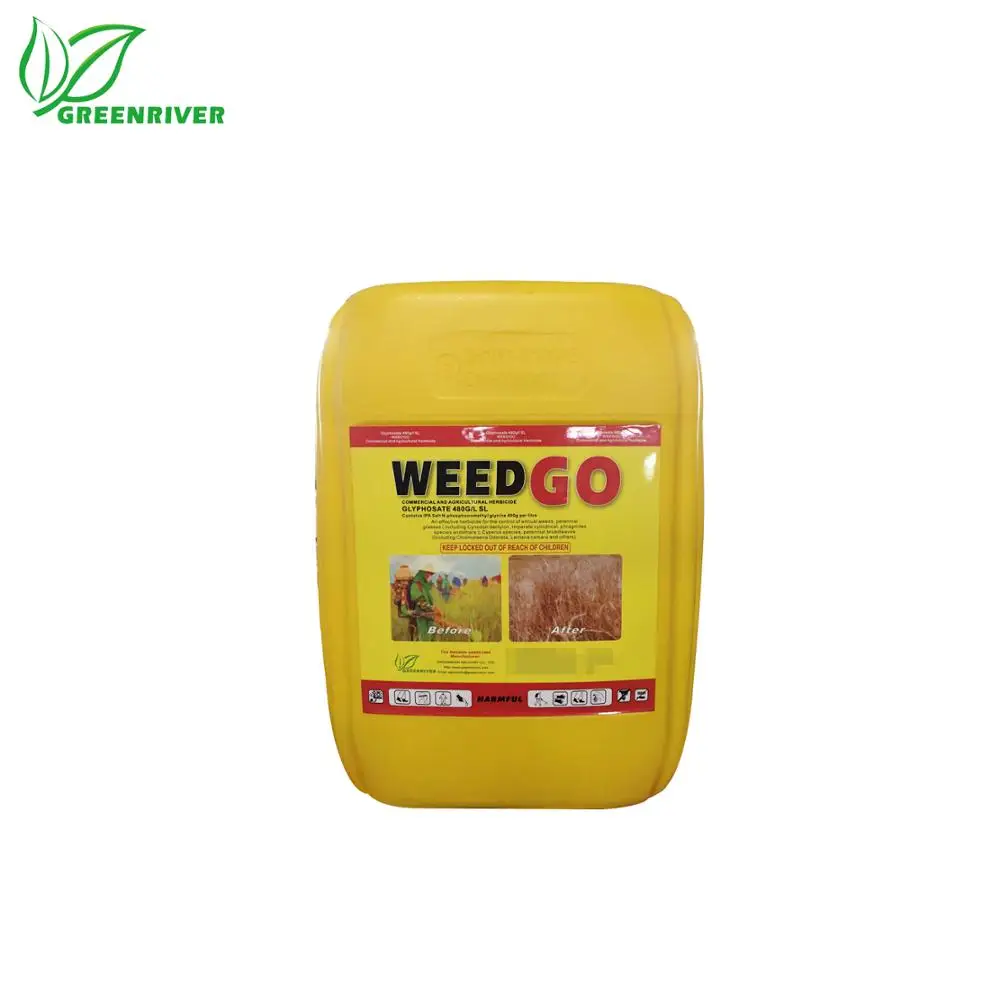
Good price 98% Tech 50% SL PGR Chlormequat chloride
- Category: >>>
- Supplier: Greenriver Industry Co. Ltd.
Share on (1913852048):
Product Overview
Description
Product Description
Active ingredient | Chlormequat chloride | ||||
Chemical name | 2-chloro-N,N,N-trimethylethanaminium chloride | ||||
Classification | Plant Growth Regulator / Agrochemical | ||||
Formulation | 50%SL, 72%SL | ||||
Biochemistry | Gibberellin biosynthesis inhibitor. | ||||
Mode of action | Plant growth regulator which inhibits cell elongation, hence shortening and strengthening the stem and producing a sturdier plant. Also influences the developmental cycle, leading to increased flowering and harvest. May also increase chlorophyll formation and root development. | ||||
Usage | To increase resistance to lodging (by shortening and strengthening the stem) and to increase yields in wheat, rye, oats, and triticale; for wheat in Europe, applied at 0.8-1.6 kg/ha. Also used to promote lateral branching and flowering in azaleas, fuchsias, begonias, poinsettias, geraniums, pelargoniums, and other ornamental plants; to promote flower formation and improve fruit setting in pears, almonds, vines, olives, and tomatoes; to prevent premature fruit drop in pears, apricots, and plums; etc. Also used on cotton, vegetables, tobacco, sugar cane, mangoes, and other crops. | ||||
Mammalian Toxicology | Oral: Acute oral LD50 for male rats 966, female rats 807 mg/kg. Skin and eye: Acute percutaneous LD50 for rats >4000, rabbits >2000 mg/kg. Not irritating to skin and eyes; not a skin sensitiser. Inhalation: LC50 (4 h) for rats >5.2 mg/l air. | ||||
Certificate of quality | Chlormequat chloride 50%SL | ||||
Appearance Content of A.I. pH Emulsifying property | Specification Light yellow to yellow liquid ≥50% 2.0~5.0 FAO Standard | ||||
Company Profile

FAQ
Q1. I want more styles, how can I get latest catalogue for your reference?
A: You can contact us by Email, we will give you our latest catalogue according to your information.
Q2. Can you add our own logo on the product?
A: Yes. We offer the service of adding customers’ logo. There are many types of this service. If you have this need, kindly send us you own logo you are welcome.
Q2. Can you add our own logo on the product?
A: Yes. We offer the service of adding customers’ logo. There are many types of this service. If you have this need, kindly send us you own logo you are welcome.
Q3. How does your factory do regarding quality control?
A: "Quality is priority? We always attach great importance to quality controlling.
A: "Quality is priority? We always attach great importance to quality controlling.
1) Skillful workers care every details in handling the producing and packing processes;
2) Quality Control Department specially responsible for quality checking in each
process.
Q4. How can we guarantee quality?
Always a pre-production sample before mass production;
Always final Inspection before shipment;
Q5. How can I order?
A: You can directly place an order on our shop in Alibaba web. Or you can tell us the product name, packing and quantity you need, then we will send you the quotation.
Q6.what can you buy from us?
Insecticide,Herbicide,Fungicide,Rodenticide,Plant Growth Regulator
Q7. what services can we provide?
Accepted Delivery Terms: FOB,CFR,CIF,CIP,CPT,DDP,DDU,Express Delivery;
Accepted Payment Currency:USD,EUR,HKD,CNY;
Accepted Payment Type: T/T,L/C,D/P D/A,Credit Card,PayPal,Western Union,Cash;
Language Spoken:English,Chinese,Spanish,Arabic,Russian
process.
Q4. How can we guarantee quality?
Always a pre-production sample before mass production;
Always final Inspection before shipment;
Q5. How can I order?
A: You can directly place an order on our shop in Alibaba web. Or you can tell us the product name, packing and quantity you need, then we will send you the quotation.
Q6.what can you buy from us?
Insecticide,Herbicide,Fungicide,Rodenticide,Plant Growth Regulator
Q7. what services can we provide?
Accepted Delivery Terms: FOB,CFR,CIF,CIP,CPT,DDP,DDU,Express Delivery;
Accepted Payment Currency:USD,EUR,HKD,CNY;
Accepted Payment Type: T/T,L/C,D/P D/A,Credit Card,PayPal,Western Union,Cash;
Language Spoken:English,Chinese,Spanish,Arabic,Russian
We Recommend
New Arrivals
New products from manufacturers at wholesale prices