high potency extract soy bean lecithin for feed
- Category: >>>
- Supplier: Tianjin Hexiyuan Lecithin Technology Co. Ltd.
Share on (1936130426):
Product Overview
Description
Products Description

PROPERTIES OF WATER SOLUBLE FEED GRADE SOYA LECITHIN
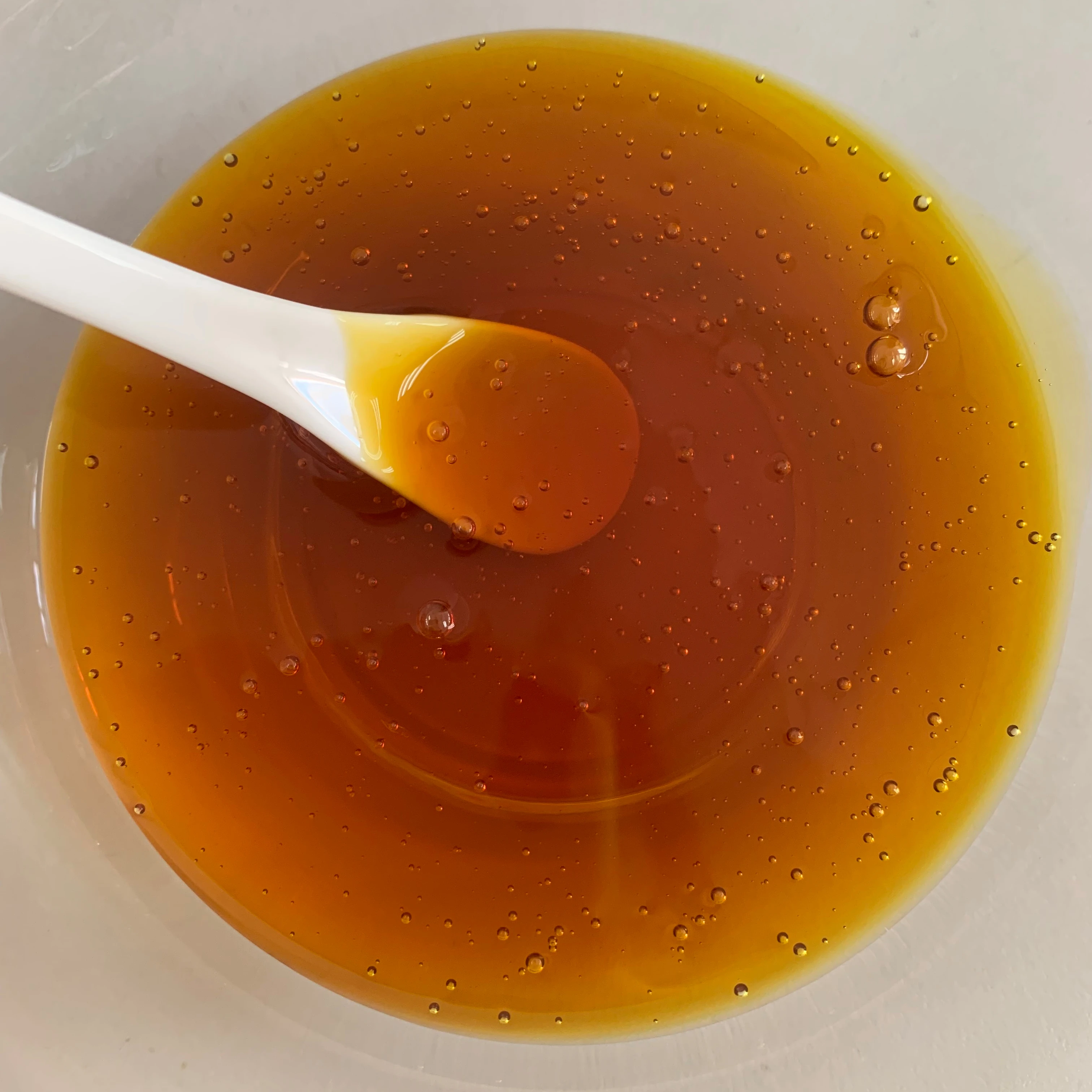
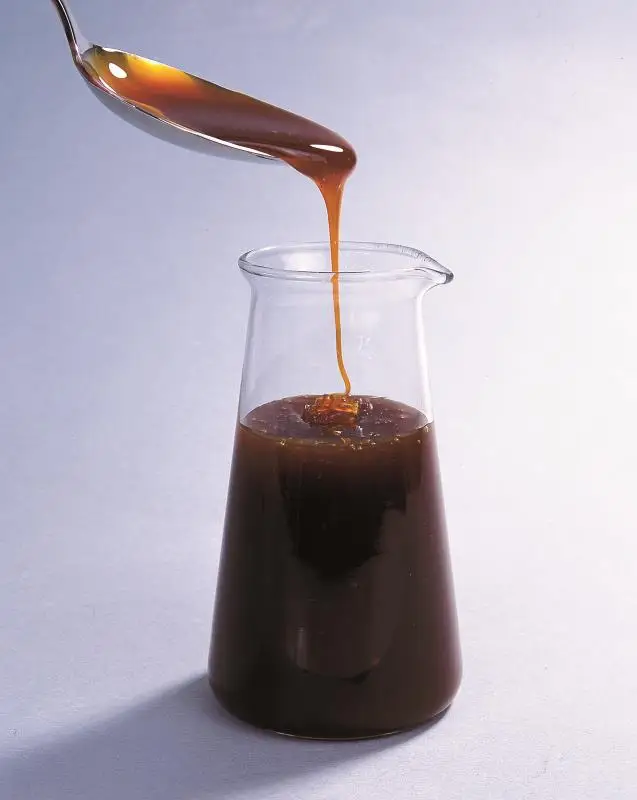
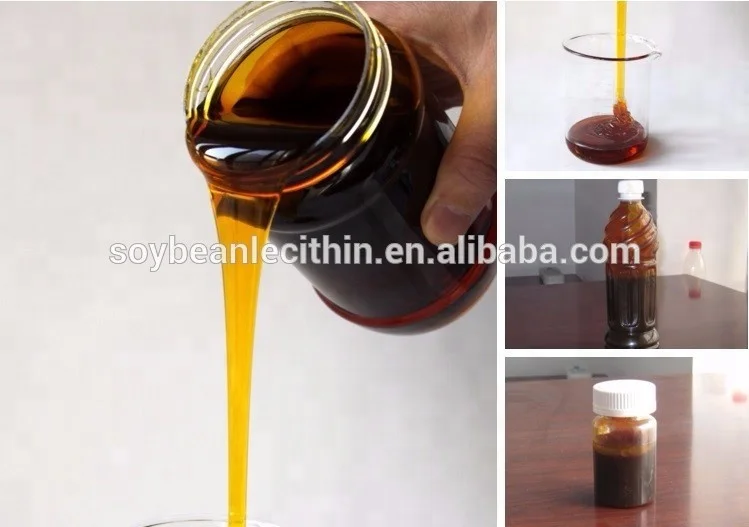
1 This product is a new substitute of soya lecithin with rich lecithin (PC) cephalin (PE) inositol phospholipids (PI). As its strong water- soluble property, light color appearance and good liquidity, it is easy to be added particularly in the liquid ingredients. It will form a milky liquid after being mixed with water.
2 This product can strengthen the immunity of animals.
3 According to the product emulsification features, it can promote the animal enteric emulsion after using this soya lecithin, so as to have the high absorption.
2 This product can strengthen the immunity of animals.
3 According to the product emulsification features, it can promote the animal enteric emulsion after using this soya lecithin, so as to have the high absorption.
Technical Data Sheet
Acetone Insoluble | 60% Minimum |
Hexane Insoluble | 0.3% Maximum |
Moisture | 1.0% Maximum |
Acid Value | 30 KOH/g Maximum |
Peroxide Value | Peroxide Value |
Color (Gardner) | 10 Maximum |
Viscosity(at 250C Brookfield) | 60-140 Poise Maximum |
Total plate count : | 100 cfu/gm Maximum |
Coli form : | Negative in 1 gm |
E-Coli: | Negative in 1 gm |
Yeast & Moulds : | 100 cfu/gm Maximum |
Application
Aqua Feed Grade
Advantages
1.\tImproves survival rate of shrimp and fish larvae
2.\tImproves growth rate of fish and shrimp
3.\tImproves feed utilization efficiency Increases resistance to stress
4.\tProvides a consistent source of bio-available phospholipids
5.\tGood energy source
6.\tMobilizes cholesterol
7.\tNutritionally superior source of choline, iositol and unsaturated faty acids
8.\tReduces the leaching of water-soluble nutrients
9.\tActs as a natural antioxidant
10.\tActs as a feed attractant
Cattle Feed Grade
Advantages :
1. More productive milch breeds demand high energy during lactation period. So it acts as energy supplies.
2. It increases the milk fat as well as milk production
3. It reduces the chance of infertility, loss of weight, ketosis, and lower milk production bia optimal energy supply.
4. Long chain fatty acids (Linoleic, Linolenic, Palmitic acids) are used for the milk fat synthesis. These fatty acids adsorbed on to particles in the rumen where they are hydrogenated by microbes and absorbed only from the intestine which increases fat percentage in the milk.
5. It improves the absorption of fat soluble vitamins and other nutrients.
6. Less moisture contents is advantageous for reduces the fungal growth in the feeds.
7. It increases the palatability of the feeds
Function :
It acts as a energy supplies, energy concentrate, fat enrichment.
Pig Feed Grade
A number of factors may impact pigs' response to dietary lecithin. These include:
1. Fat level and type : The higher the amount of dietary fat and the longer and more saturated its fatty acids are, the greater the opportunity for lecithin response. Nutritionists should give consideration to fat blends, to include lecithin, rather than single source fats for young pig diets. This will address fat utilization and fatty acid requirements.
2. Calorie/amino acid nutrition : Pig diets should be formulated to optimal dietary amino acid and caloric densities. As dietary fat source is modified (fat blends and/or lecithin addition), the impact of this change on dietary caloric level should be recognized in maintaining calorie/amino acid ratio.
3. Lecithin type and level : Lecithin with an HLB of 6-8 may afford more consistent emulsification. A lecithin level of 5-10 percent of the supplemental dietary fat should be considered.
4. Pig performance : As producers challenge their young pigs to grow faster and establish higher overall performance standards, supplemental lecithin makes increased economic sense.
5. Age : The younger the pig and the less developed its digestive system, the greater the opportunity for response to lecithin. Lecithin should be targeted in diets of pigs less than five weeks old.
Advantages
1.\tImproves survival rate of shrimp and fish larvae
2.\tImproves growth rate of fish and shrimp
3.\tImproves feed utilization efficiency Increases resistance to stress
4.\tProvides a consistent source of bio-available phospholipids
5.\tGood energy source
6.\tMobilizes cholesterol
7.\tNutritionally superior source of choline, iositol and unsaturated faty acids
8.\tReduces the leaching of water-soluble nutrients
9.\tActs as a natural antioxidant
10.\tActs as a feed attractant
Cattle Feed Grade
Advantages :
1. More productive milch breeds demand high energy during lactation period. So it acts as energy supplies.
2. It increases the milk fat as well as milk production
3. It reduces the chance of infertility, loss of weight, ketosis, and lower milk production bia optimal energy supply.
4. Long chain fatty acids (Linoleic, Linolenic, Palmitic acids) are used for the milk fat synthesis. These fatty acids adsorbed on to particles in the rumen where they are hydrogenated by microbes and absorbed only from the intestine which increases fat percentage in the milk.
5. It improves the absorption of fat soluble vitamins and other nutrients.
6. Less moisture contents is advantageous for reduces the fungal growth in the feeds.
7. It increases the palatability of the feeds
Function :
It acts as a energy supplies, energy concentrate, fat enrichment.
Pig Feed Grade
A number of factors may impact pigs' response to dietary lecithin. These include:
1. Fat level and type : The higher the amount of dietary fat and the longer and more saturated its fatty acids are, the greater the opportunity for lecithin response. Nutritionists should give consideration to fat blends, to include lecithin, rather than single source fats for young pig diets. This will address fat utilization and fatty acid requirements.
2. Calorie/amino acid nutrition : Pig diets should be formulated to optimal dietary amino acid and caloric densities. As dietary fat source is modified (fat blends and/or lecithin addition), the impact of this change on dietary caloric level should be recognized in maintaining calorie/amino acid ratio.
3. Lecithin type and level : Lecithin with an HLB of 6-8 may afford more consistent emulsification. A lecithin level of 5-10 percent of the supplemental dietary fat should be considered.
4. Pig performance : As producers challenge their young pigs to grow faster and establish higher overall performance standards, supplemental lecithin makes increased economic sense.
5. Age : The younger the pig and the less developed its digestive system, the greater the opportunity for response to lecithin. Lecithin should be targeted in diets of pigs less than five weeks old.
Poultry feed grade
1.\tIt ensures excellent digestibility of fat and energy because it acts as a natural emulsifier
2.\tIt improves the digestibility of the other nutrients in the feed and promotes the absorption of the fat-soluble vitamins
3.\tIt has been specially developed for use in energy-rich feed mixtures for poultry.
4.\tIt is Natural performance enhancement
5.\tGreater vitality
6.\t Support for the immune system
7.\tEfficient metabolism
8.\tOptimal supplies of choline and energy
9.\tExcellent binding of dust
10.\tIt acts as energy supplies, energy concentrates, fat & protein enrichment
11.\tIt helps as a physiological agent and aids in pelletizing
12.\tIt increases the egg mass & production.
13.\tDecrease feed dust.
14.\tImproves feed efficiency.
1.\tIt ensures excellent digestibility of fat and energy because it acts as a natural emulsifier
2.\tIt improves the digestibility of the other nutrients in the feed and promotes the absorption of the fat-soluble vitamins
3.\tIt has been specially developed for use in energy-rich feed mixtures for poultry.
4.\tIt is Natural performance enhancement
5.\tGreater vitality
6.\t Support for the immune system
7.\tEfficient metabolism
8.\tOptimal supplies of choline and energy
9.\tExcellent binding of dust
10.\tIt acts as energy supplies, energy concentrates, fat & protein enrichment
11.\tIt helps as a physiological agent and aids in pelletizing
12.\tIt increases the egg mass & production.
13.\tDecrease feed dust.
14.\tImproves feed efficiency.
Product packaging
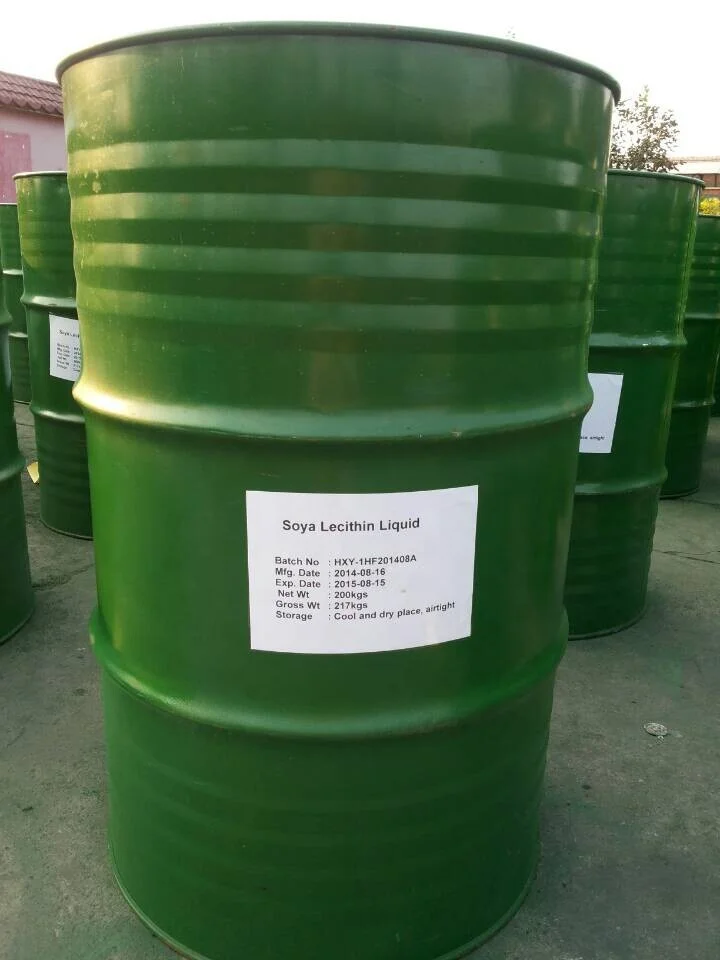
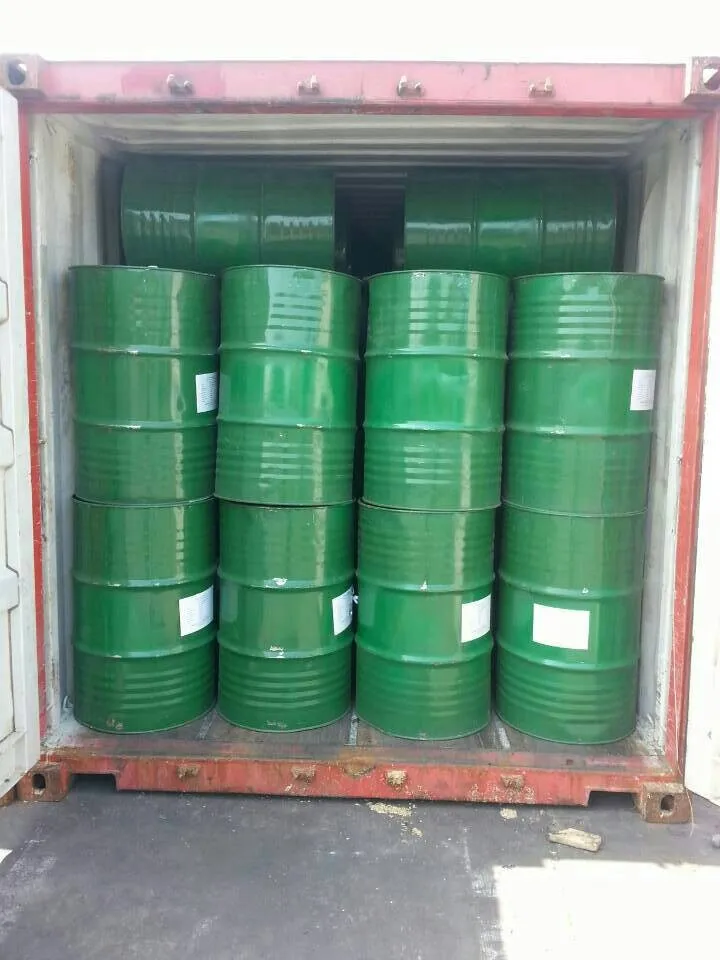
200KG steel Drum
1*20FCL will be load 19.6 MT MAX
20 liters plastic Drum
1*20FCL will be load 12.6 MT MAX
IBC Drum
1*20FCL will be load 20 MT MAX
Storage:
1) Be set to cool.dry and ventilated place .away from Fire source.
2) Sealed,avoid light,Prevent from rain and strong acis or alkali.
3) Lightly transport and protect from package damage.
Storage life/Shelf life: 24 months
1) Be set to cool.dry and ventilated place .away from Fire source.
2) Sealed,avoid light,Prevent from rain and strong acis or alkali.
3) Lightly transport and protect from package damage.
Storage life/Shelf life: 24 months
Company Profile

Tianjin Hexiyuan Lecithin Technology Co.,Ltd
Shandong Lanhe Bio-Tech Co.,Ltd
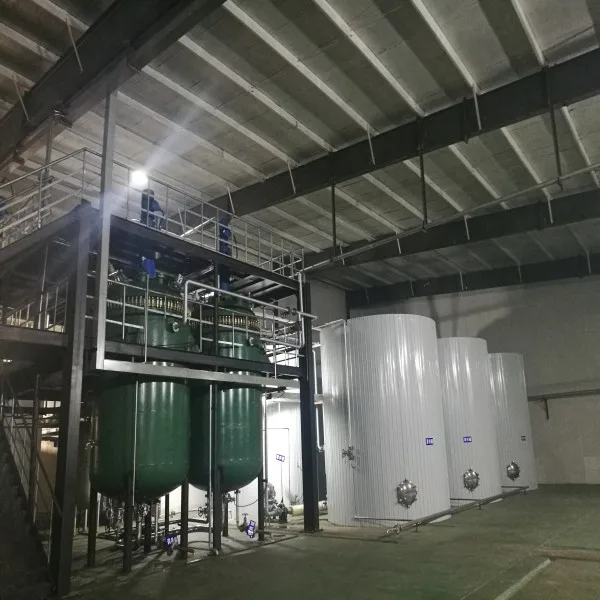
is a professional manufacturer and exporter. It is located in Tianjin China , are specialized in lecithin products over 10 years.
Our company is mainly engaged in researching, developing and producing of soya lecithin base on Shandong Lanhe Bio-Tech Co.,Ltd.
The main products are standard soya lecithin, hydrolyzed soya lecithin, bleached soya lecithin, transparent soya lecithin,
de-oiled soya lecithin, PC, PS,sunflower lecithin etc.
de-oiled soya lecithin, PC, PS,sunflower lecithin etc.
Certifications

Contact Us

We Recommend
New Arrivals
New products from manufacturers at wholesale prices