Specifications of broiler/chicken/poultry feed pellet production line
Animal Feed Machine with different capacity starting from 0.5 ton upto 20 ton per hour.
Model
SKLH250
SKLH304
SKLH320
SKLH350
SKLH400
SKLH420
SKLH508
Capacity(T/H )
0.5-1.5
1-2
2-4
3-7
7-10
5-14
6-20
Power (kw)
22
30
37
55
75/90
90/110
110/132/160
Screw feeder
power (kw )
0.75
0.75
0.75
0.75
1.5
1.5
2.2
Conditioner
power
(kw )
2.2
2.2
2.2
2.2
5.5
5.5
11
Die Inner
Dia
(mm)
Φ250
Φ304
Φ320
Φ350
Φ400
Φ420
Φ508
Dimension
(L*W*H)
1300*1000
*1500
1200*1000
*1100
1900*900
*1100
1900*900
*1100
3300*1200
*2500
3300*1200
*2505
3500*1470
*2800
Pellet size
2-18mm
Production Process Process sequence for production of mash, pellet and crumbled chicken feed
raw material milling system For example soy bean are stored with large quantity and are delivered to this storage by trucks. A hammer milling system will be located here to reduce the size of soy bean before transporting to raw material silo.
Raw material intake systems Corn, soy bean, rice and other macro ingredients are stored and conveyed to individual silo.
Dosing and weighing Ingredient is prepared with dosing and weighing system. One or more separate weighing system can be installed for macro- and micro- ingredients. With several hoppers weighing at the same time, cycle time will be shorten to prepare a batch. The quantity of the batch will equal to the size of the first mixer that followed in the next sequence.
Milling system and first mixer Grinding is followed to fine grind the material to meet particle size criterion. Fine grinded powder is fed into mixers with metered liquid, fat or molasses added.
Finished product The well mixed mash is now directed to the finished product bins for bagging or carried away by trucks in bulks.
Pellet feed All manufacturing steps shared with how mash feed is prepared and several more steps required.
Pre-conditioning and pelleting system When well-mixed mash is prepared, it is fed to pre-conditioner where water and steam are heat treated the mash to kill salmonella and gives a significant reduction of bacteria of mash feed. Mash feed is then pelleted through a pellet mill.
Cooler Temperature of the pellets is cooled though a counterflow cooler
Sieve and finished product bins Pellets are conveyed through a sieve to remove impurity and deformed pellets. Fines and deformed pellets are recycled back to bins before the pellet mill. Sieved pellet with different sizes are stored in individual bins.
Finished product Pellets are bagged with automatic bagging system or carried away by trucks in bulks.
Crumbled feed Crumbler is used after cooler. And all crumbled feeds will go through sieves before storage in finished product bins.
Crumbler Reduce the size of the pellets by adjusting roller gap.
Tips for pelleting Animal Feed Animal Feed contains high amount of grains and that means high concentration of fiber. Good quality of pre-conditioning is the key of success in making chicken pellet feed. Enough direct and indirect steam heat source and moisture will soften the mash with high elasticity. Gelatinized starch is the perfect binder to form pellets. Too much fat added in the formulation will create high amount of fines formation during pelleting. It is suggested to add 1% of fat in the mixer and this will lower the wear on the dies and improves the throughput of the pellet mill. Any additional fat is suggested to evenly spray on the pellets to improve the fat contents and quality of the pellet surface.
Pellet size are from 2.0mm, 3.0mm, 3.5mm, 4.5mm to maximum 18.0mm
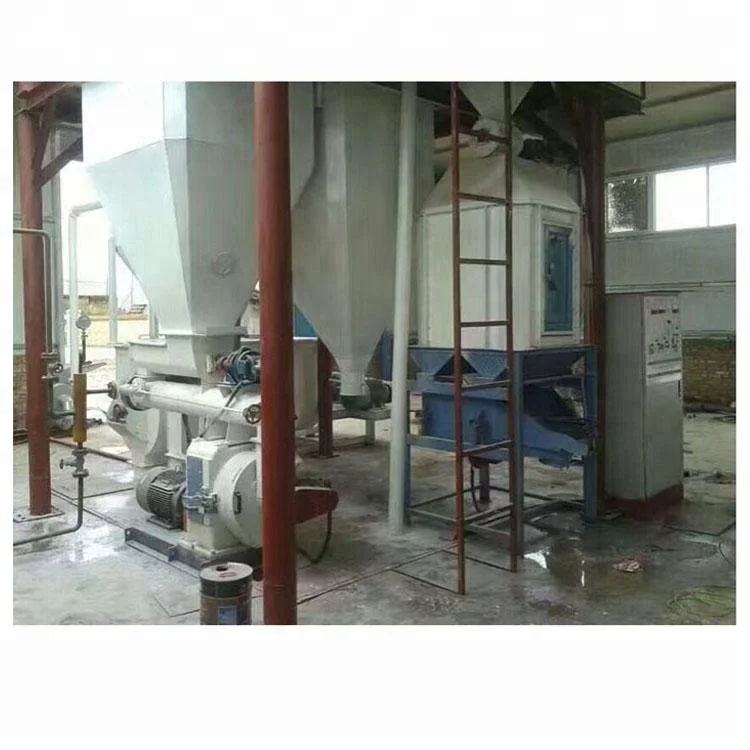
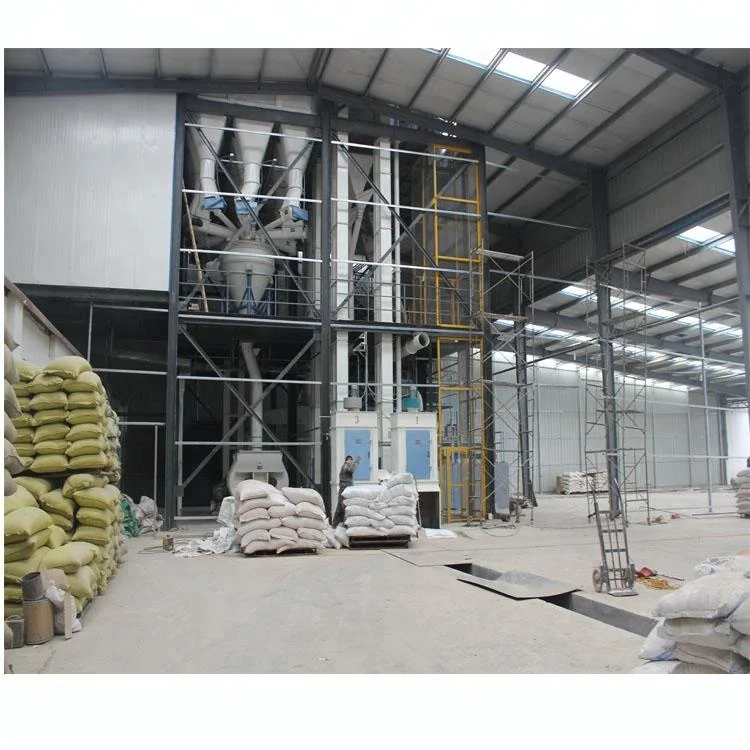
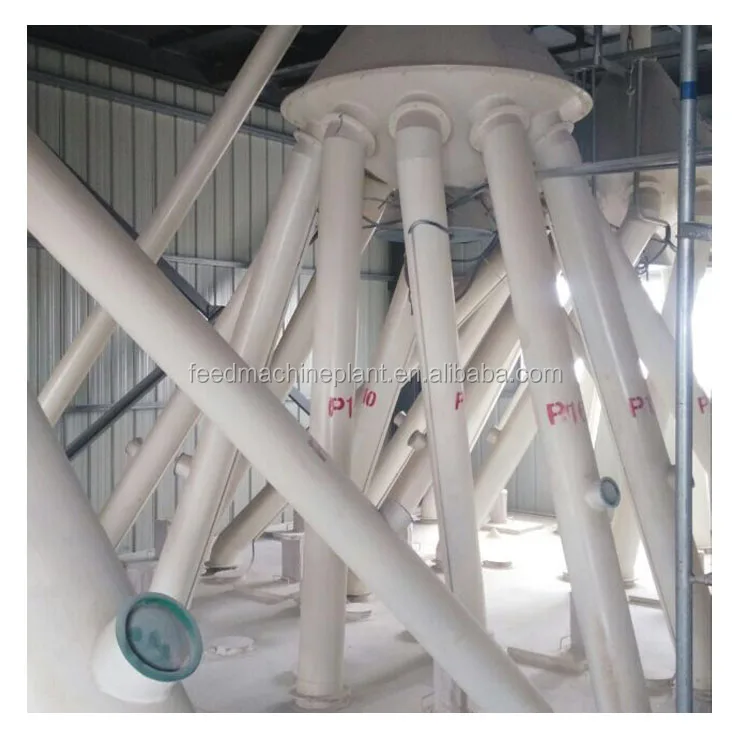
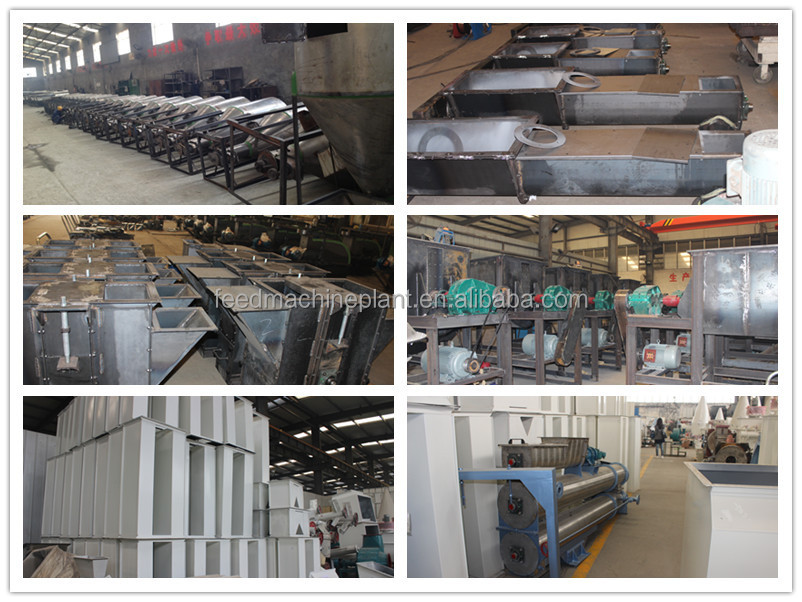
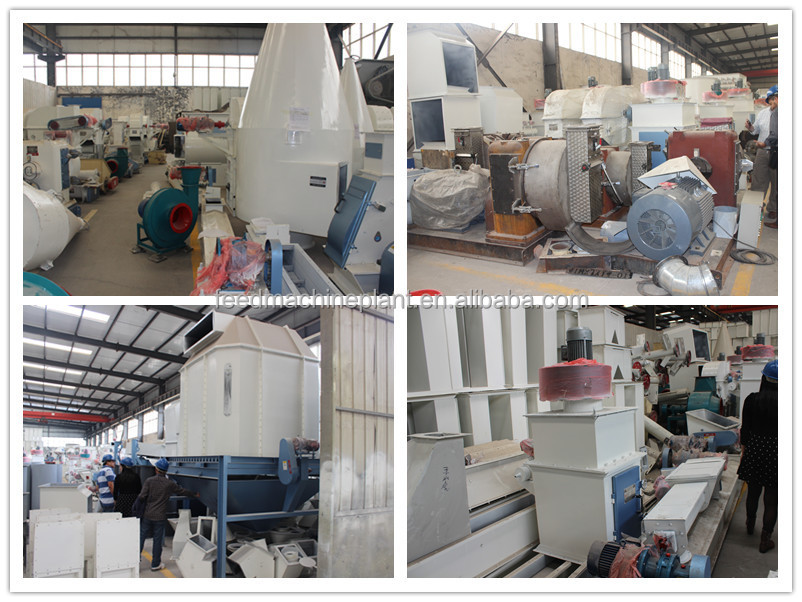
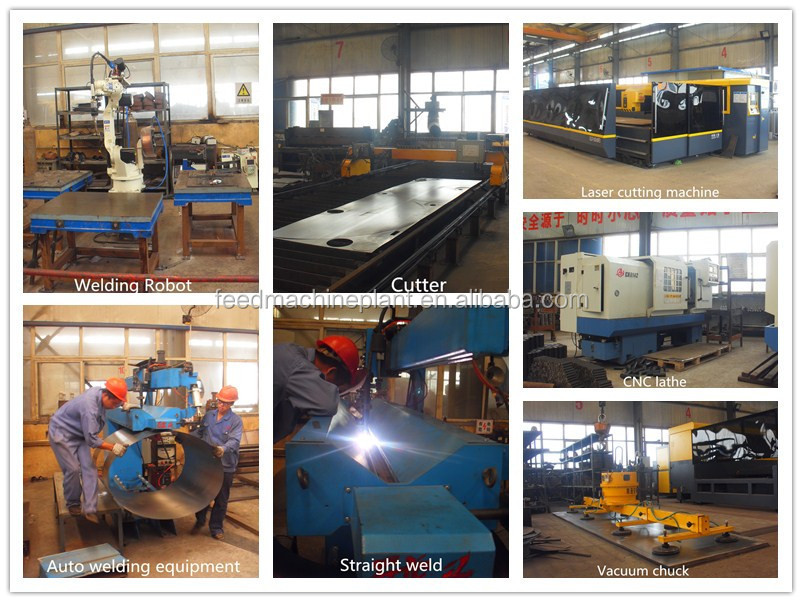
The pictures of poultry feed production line in our factory:
9KLH420
Workshop corner
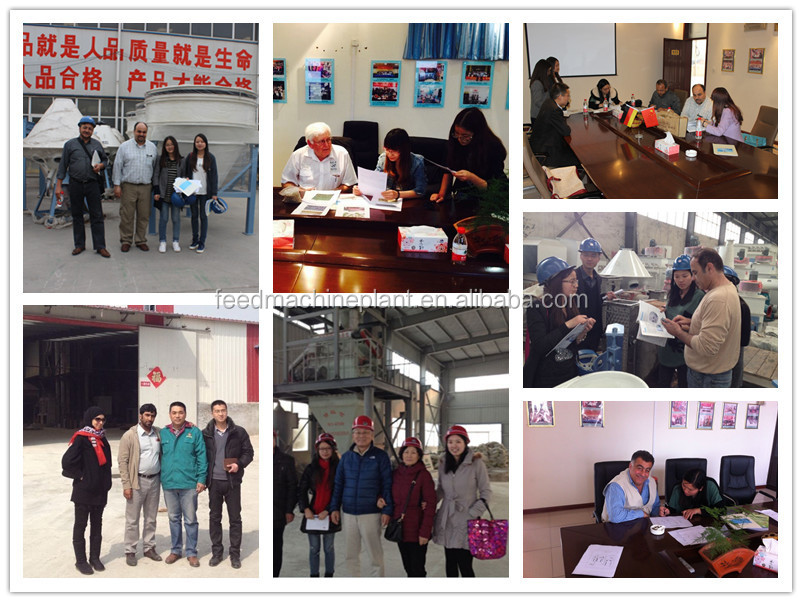
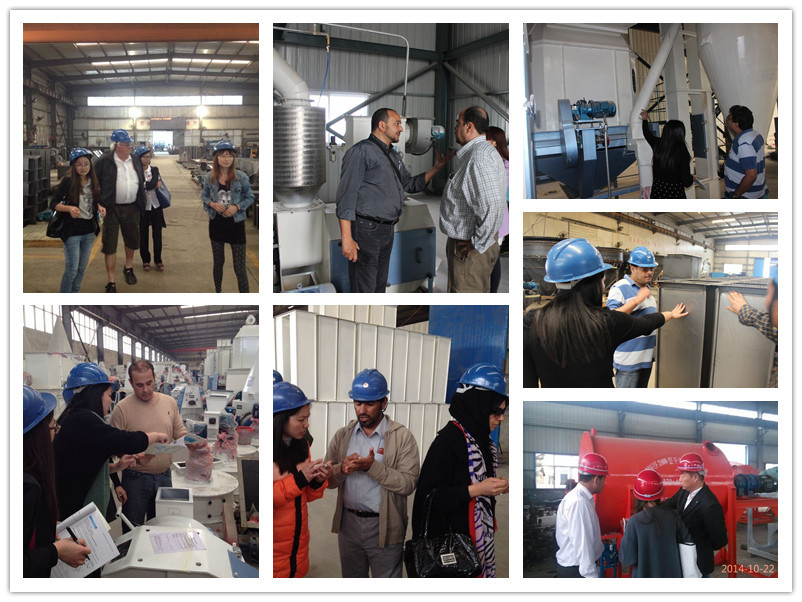
Customer visit
Processing Power
Company information
Based on the long experience as a starting point, careful looking at the future, combined with the study and design of new technologies to improve production processes in animal feed: this is the mix that makes us a pioneer in the field of plants for feed mills. The production program covers each single machine which composes a plant of pellet production. Tools built and calibrated according to the needs of the customer, allow a continuous monitoring of the production cycle and make it the most efficient by every single step, with constant updating of computerized systems which control the plant processing.