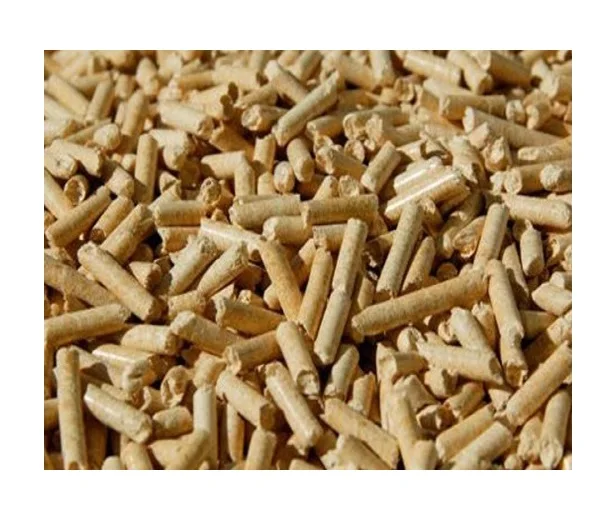
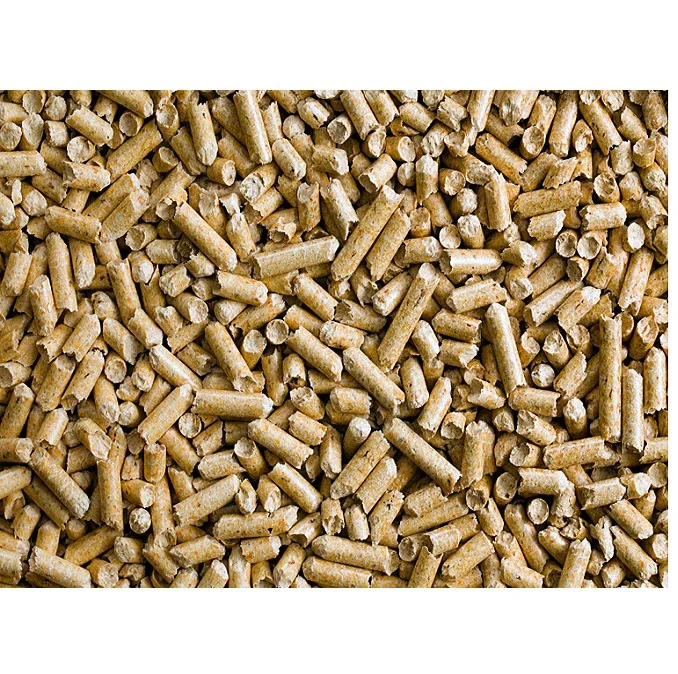
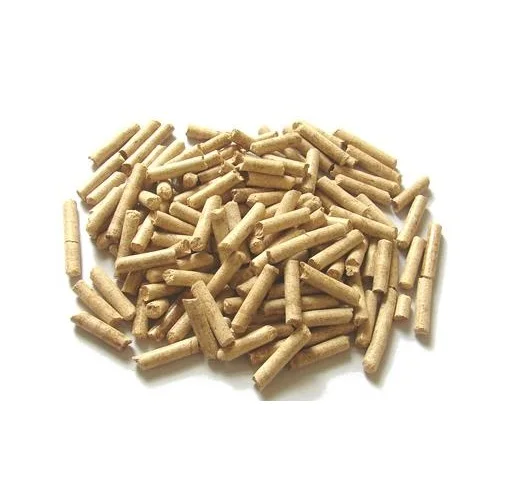
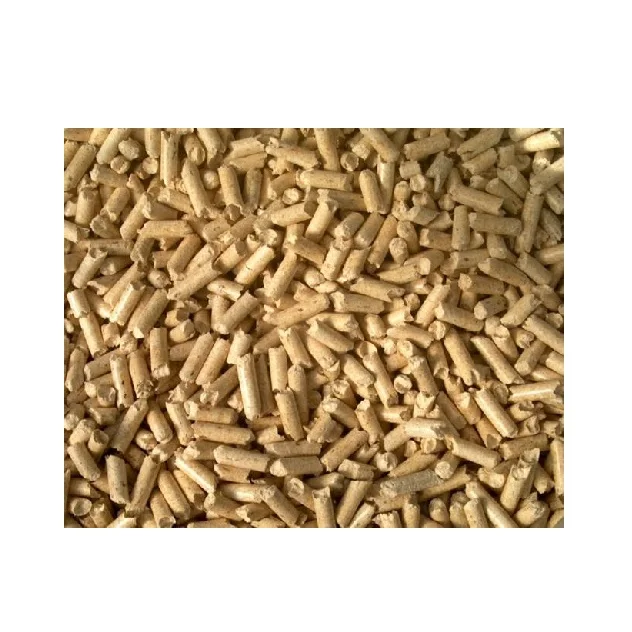
We Sell Best Quality Wood Pellets, At Low Price...
US $60.00-$70.00
Share on (50032436503):
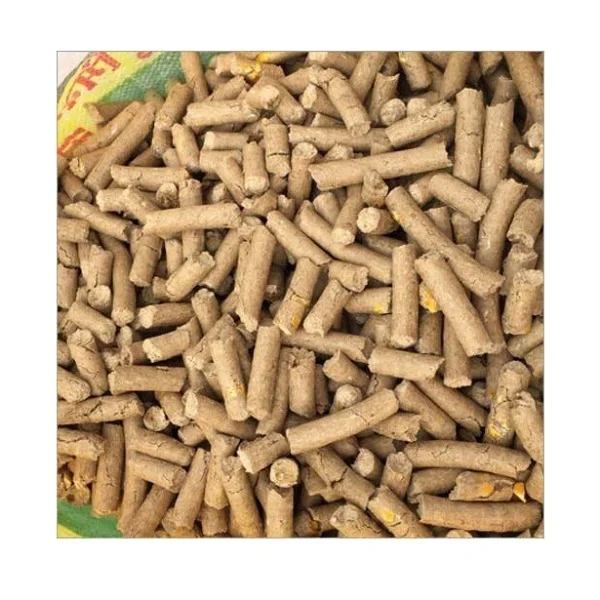
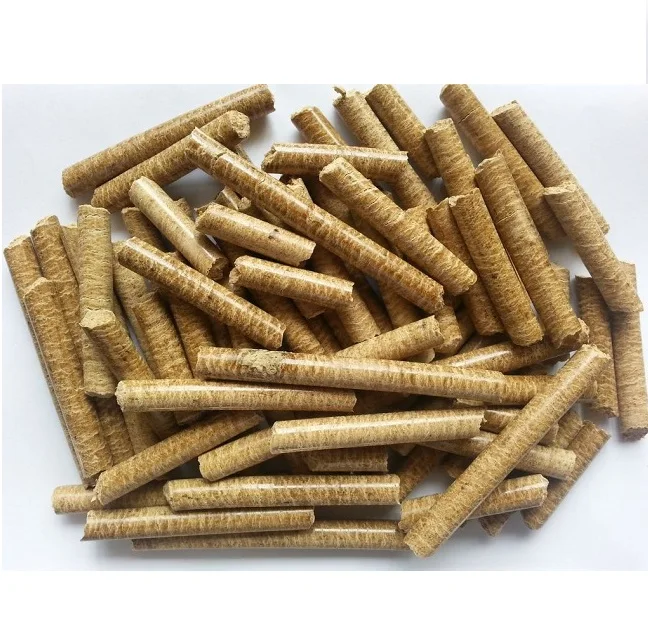
As you know, Rice husk briquette/pellet has been more popular in 2 recent years in industrial boilers from garment to food or furniture industry. However, there are some enterprise wondering about this fuel. Is it better and cheaper?
To help you answer this question, please look at the following statistics we made through a survey:
- Cost of husk briquette/pellet is 1/3 lower than coal.
- Saving cost of boiler with capacity of 1 ton/h when replacing coal by husk briquette/pellet: 54%
=> So that using husk briquette/pellet can save 54% in comparison with coal .
The product is safety for the environment and without impact on health of users as firewood and coal. It is very popular in the world such as France, UK, Korea, etc.
| \t | \t | \t | \t |
| \t | \t | \t | \t |
| \t | \t | \t | \t |
The Rice husk briquette/pellet is produced as the following process: Rice husk is collected from rice mills, then put into compressor; automatic drying unit will reduce humidity to less than 12%, then press into hard wood bar, in length of 10->50 cm, diameter of 40-> 90 cm. Each 1100kg rice husk will create 1000kg rice husk briquette/pellet. Each compressor has capacity of 250 – 300kg/hour. Because the agricultural waste (rice husk) itself has blinder (lignin), when pressing, frictional heat and heat from molds created a strong blinder. Thus, the Rice husk briquette/pellet is harder than other normal firewood.
VIETGO Co., Ltd is one of the biggest manufactures in Viet Nam. At the present, we have many factories and can supply many kinds of fuel such as: Rice Husk Briquette/pellet, wood chips, wood pellets...
Here are some pictures of our office:


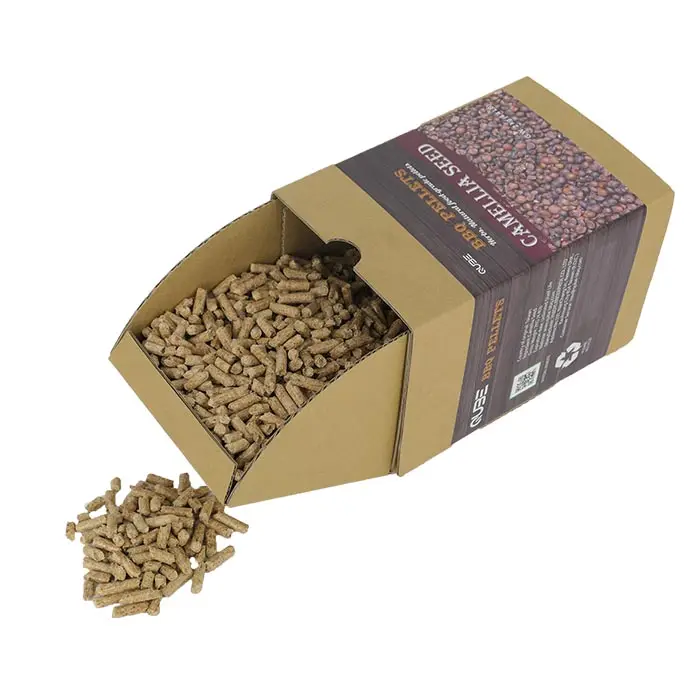
New products from manufacturers at wholesale prices