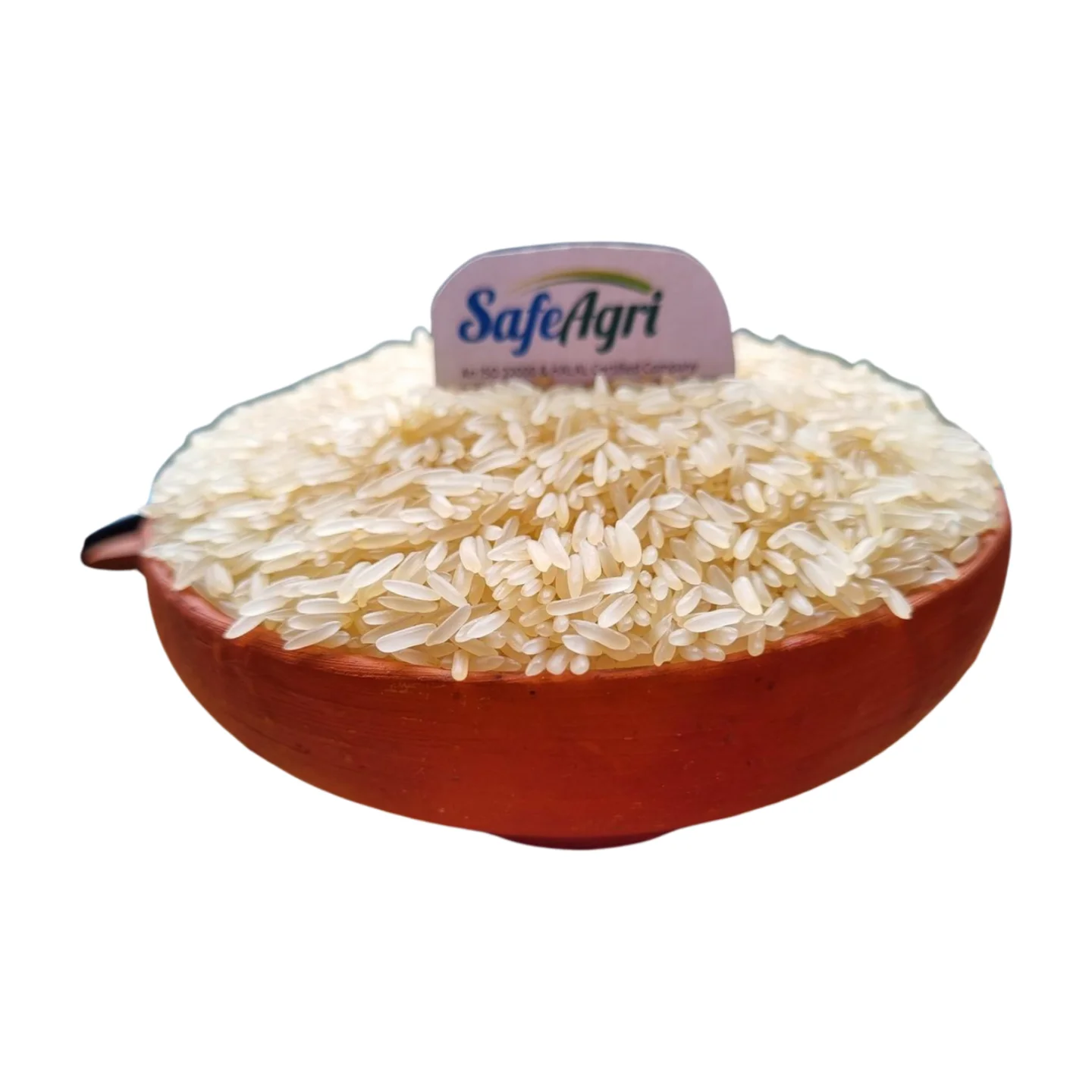
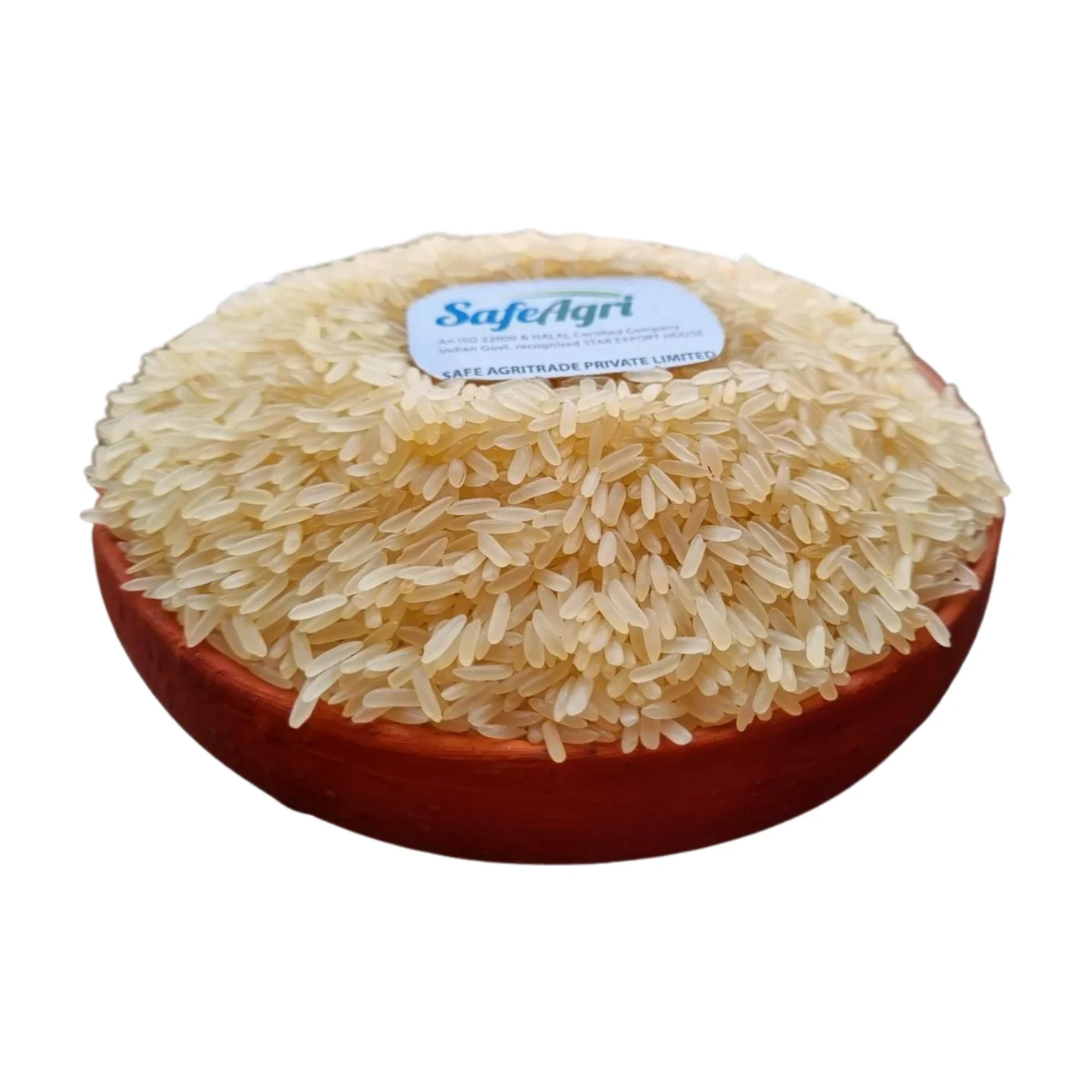
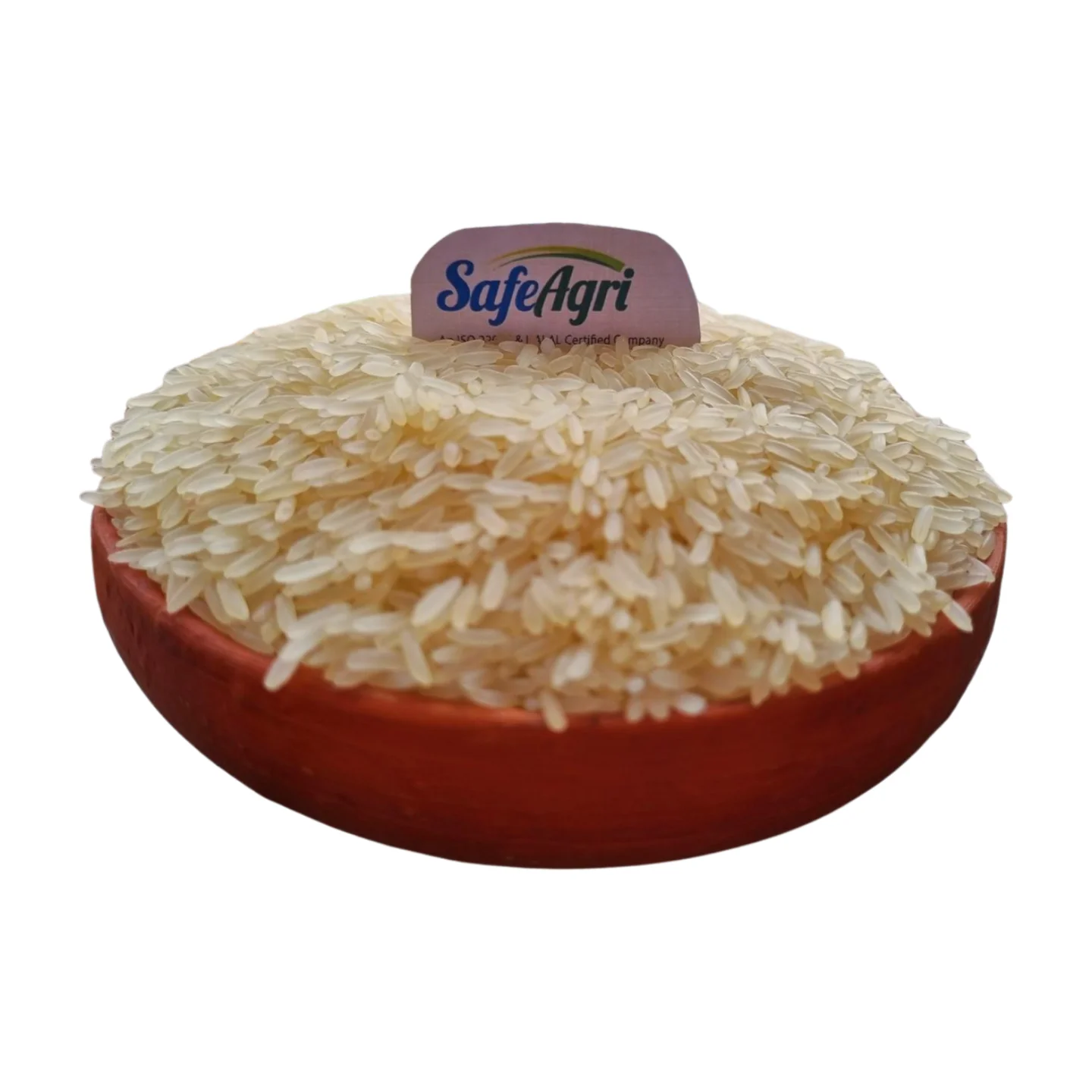
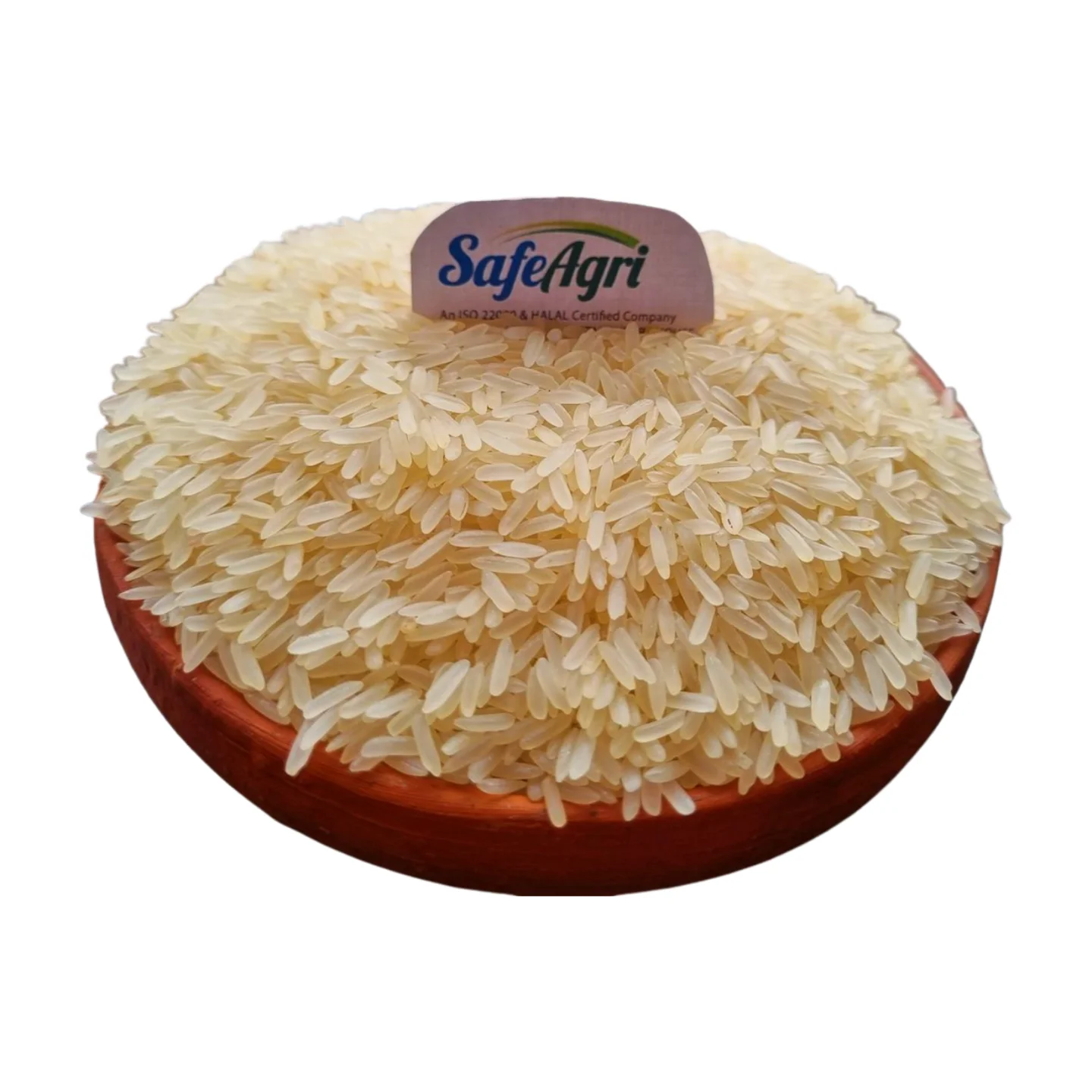
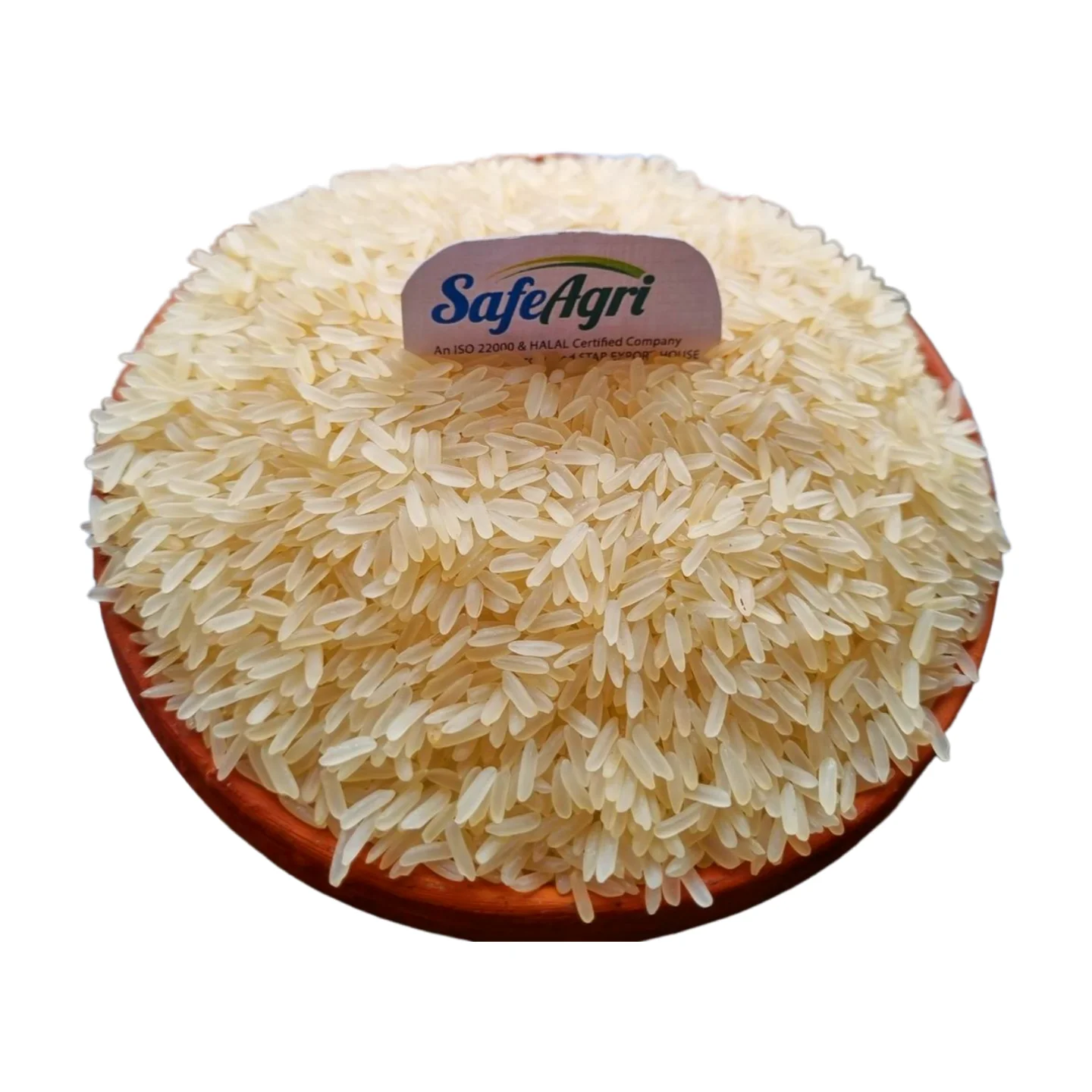
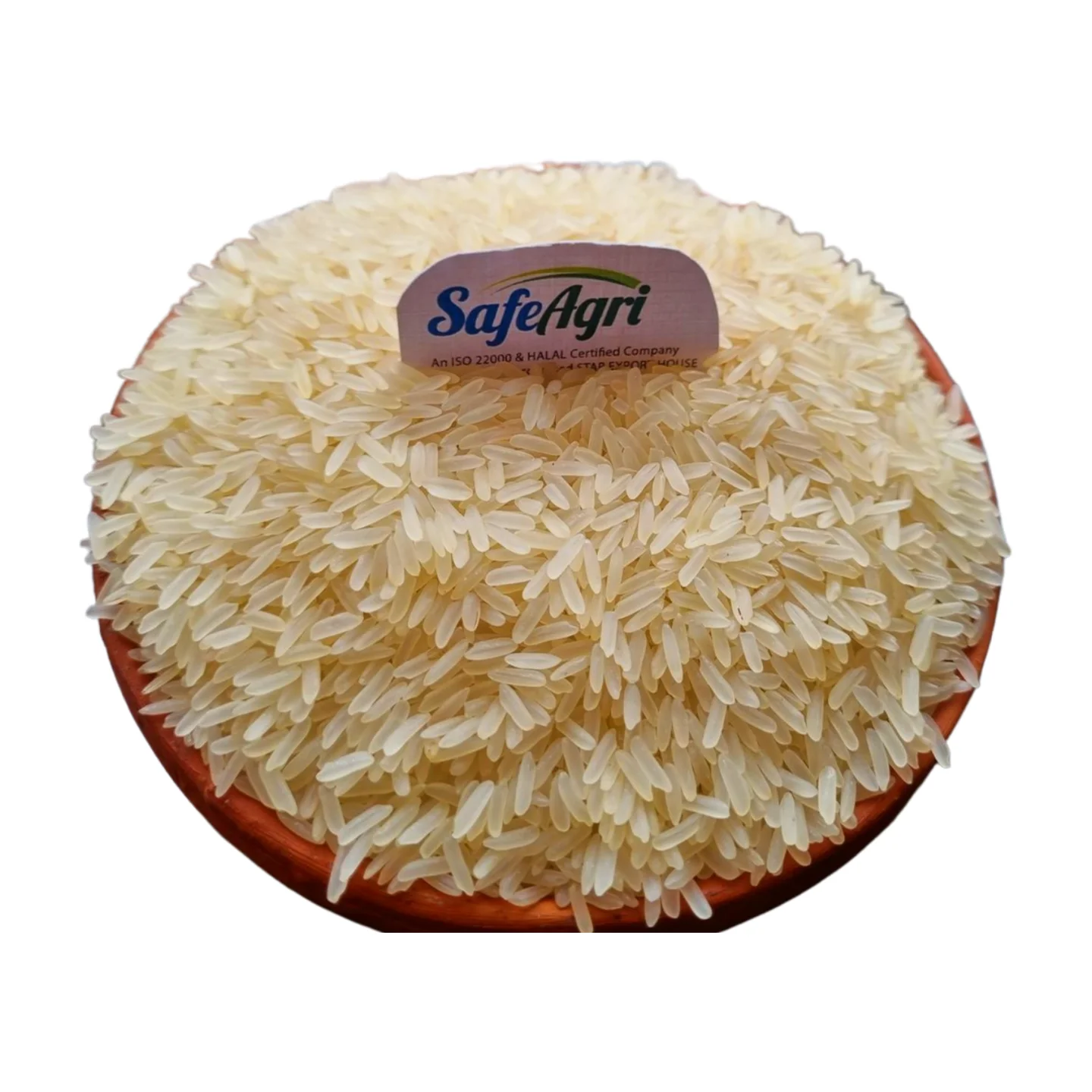
Желтый цвет, Pr 11 Индийский длиннозерный пропаренный рис, небасмати, рис длиной 7 мм, 14% макс. влаги и 5% сломанный рис
- Category: >>>
- Supplier: SAFE AGRITRADE PRIVATE LIMITED
Share on (50037511822):
Product Overview
Description

1. Safety and Quality: Throughout the entire export process, Safe Agritrade gives safety and quality standards a top priority. They follow strict quality control procedures to ensure their agricultural goods meet the necessary standards and laws. By adhering to these safety and quality standards, you may establish a reputation for producing dependable and trustworthy goods on the global market.
2. Compliance with International Standards: Safe Agritrade is knowledgeable about import/export procedures, certification requirements, and other international trade laws. They can help you navigate the intricate process of compliance, lowering the likelihood of mistakes or delays in your export operations.
3. Market Access: Safe Agritrade has built relationships and alliances with global distributors and purchasers. By collaborating with them, you open up your market and expand your prospects for growth while having access to a larger pool of potential clients. They can point you in the direction of the most lucrative export destinations because they have experience navigating a range of marketplaces.
4. Risk Mitigation: Safe Agritrade is aware of the dangers involved with cross-border trade, including shifting political
landscapes, unpredictable economic conditions, and shifting commerce regulations. They can help you manage these risks successfully thanks to their expertise, experience, and risk-reduction techniques.
landscapes, unpredictable economic conditions, and shifting commerce regulations. They can help you manage these risks successfully thanks to their expertise, experience, and risk-reduction techniques.
5. Dependable Distribution and Logistics: Managing distribution and logistics is important when exporting agricultural goods. With cooperation with reputable logistics companies, Safe Agritrade has a wide distribution network. As a result of the effective procedures they have built for handling packaging, transportation, and documentation, your products will be delivered in a secure and timely manner.
Before making a decision, it is critical to undertake thorough research, weigh the pros and cons of various export possibilities, and evaluate aspects such as cost, trade terms, and client preferences. You may also want to conduct some research on your alternatives or solicit feedback from other exporters who have utilized Safe Agritrade to make an informed decision that corresponds with your company's goals and values.

PR 11 Long Grain Parboiled Rice from Safe Agritrade
We are glad to introduce Safe Agritrade Pvt. Ltd., one of India's leading rice processors and exporters. With over 6 years of rice expertise, we exported to numerous markets throughout the world, including the CIS, Eurasia, the Middle East, and North America.Africa. We are now shipping numerous types of rice, particularly long-grain parboiled rice, at the best price and quality. Rice that has been partially boiled in its husk is known as parboiled rice. It's sometimes referred to as converted rice or easy-cook rice. Soaking, steaming, and drying are the three essential steps of parboiling. These approaches make the rice easier to handle by hand while also boosting its nutritional profile, modifying its texture, and increasing its resistance to weevils. Many countries around the world employ the procedure. Because parboiling moves nutrients, particularly thiamin, from the bran to the endosperm, parboiled white rice is nutritionally equal to brown rice.
PR11 long-grain parboiled rice is a variety of non-basmati rice farmed mostly in India, particularly in Haryana, Punjab, and
Himachal Pradesh. It's well-known for its quick frying time, nonsticky texture, and consistent grain size. Parboiling is the
process of soaking, steaming, and drying rice before grinding to preserve its nutritional content and flavor. PR11 rice has a yellow tint owing to parboiling and is high in carbs. It is a popular product in India and several other areas, PR11 rice has a grain length (AGL) of 6.90 mm and may be prepared as raw, steaming, or parboiled rice.
Process and chemistry: Parboiled rice is gelatinized and retrograded after cooling, forming type-3 resistant starch, which can act as a prebiotic and benefit health. It takes less time to cook and is firmer and less sticky. Minerals are added to increase bioavailability.Himachal Pradesh. It's well-known for its quick frying time, nonsticky texture, and consistent grain size. Parboiling is the
process of soaking, steaming, and drying rice before grinding to preserve its nutritional content and flavor. PR11 rice has a yellow tint owing to parboiling and is high in carbs. It is a popular product in India and several other areas, PR11 rice has a grain length (AGL) of 6.90 mm and may be prepared as raw, steaming, or parboiled rice.
Older methods: Rice was soaked in cold water for 36–38 hours, then parboiled, dried, and milled.
Huzenlaub Process: The Huzenlaub Process preserves more nutrients and reduces boiling time, increasing rice resistance to weevils.
Modern methods: Parboiling reduces breakage and yields a yellowish color in rice.
Nutrition: Parboiling rice reduces thiamin, niacin, biotin, and pantothenic acid but preserves more of them. Fortification is common for parboiled rice, but arsenic levels can increase or decrease significantly.

Length | 7 mm |
Broken | 5%, 10% Sortex Cleaned |
Chalky | Nill |
Color | Yellow |
Shape | Long |
Paddy | Nill |
Moisture | 14% |


We Recommend
New Arrivals
New products from manufacturers at wholesale prices