









Rapeseed oil
- Category: Rapeseed Oil >>>
- Supplier: ARYA EXPORTS & IMPORTS [India]ARYA
Share on (50045329902):
Product Overview
Description
Product DescriptionDescription:
Description:
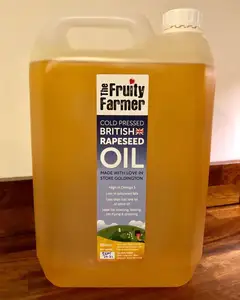
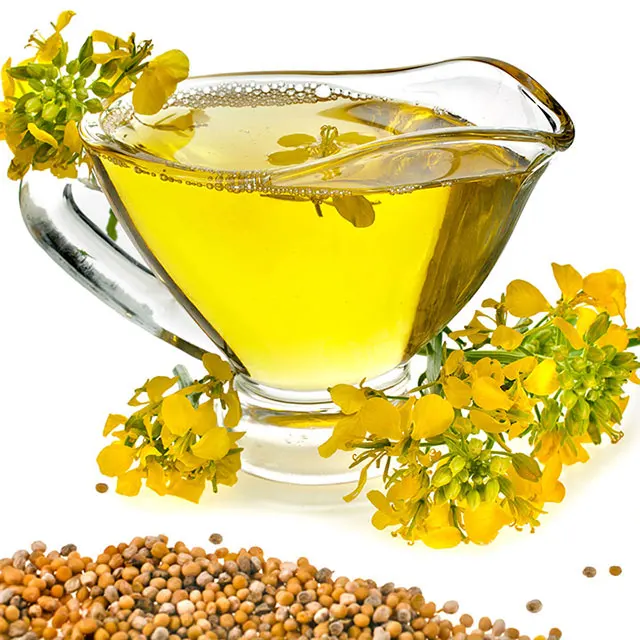
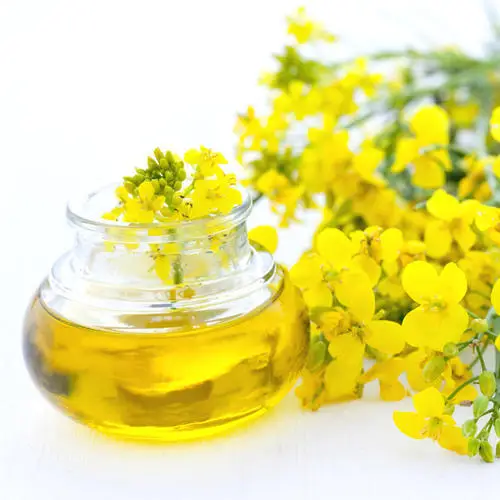
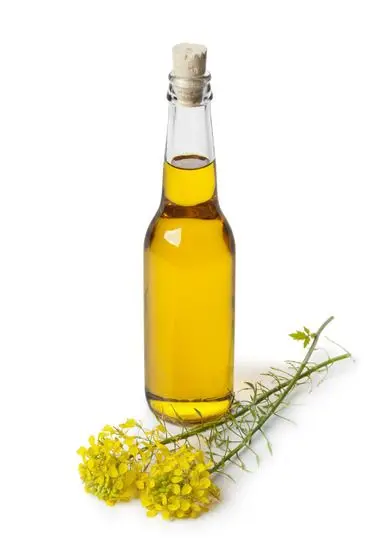
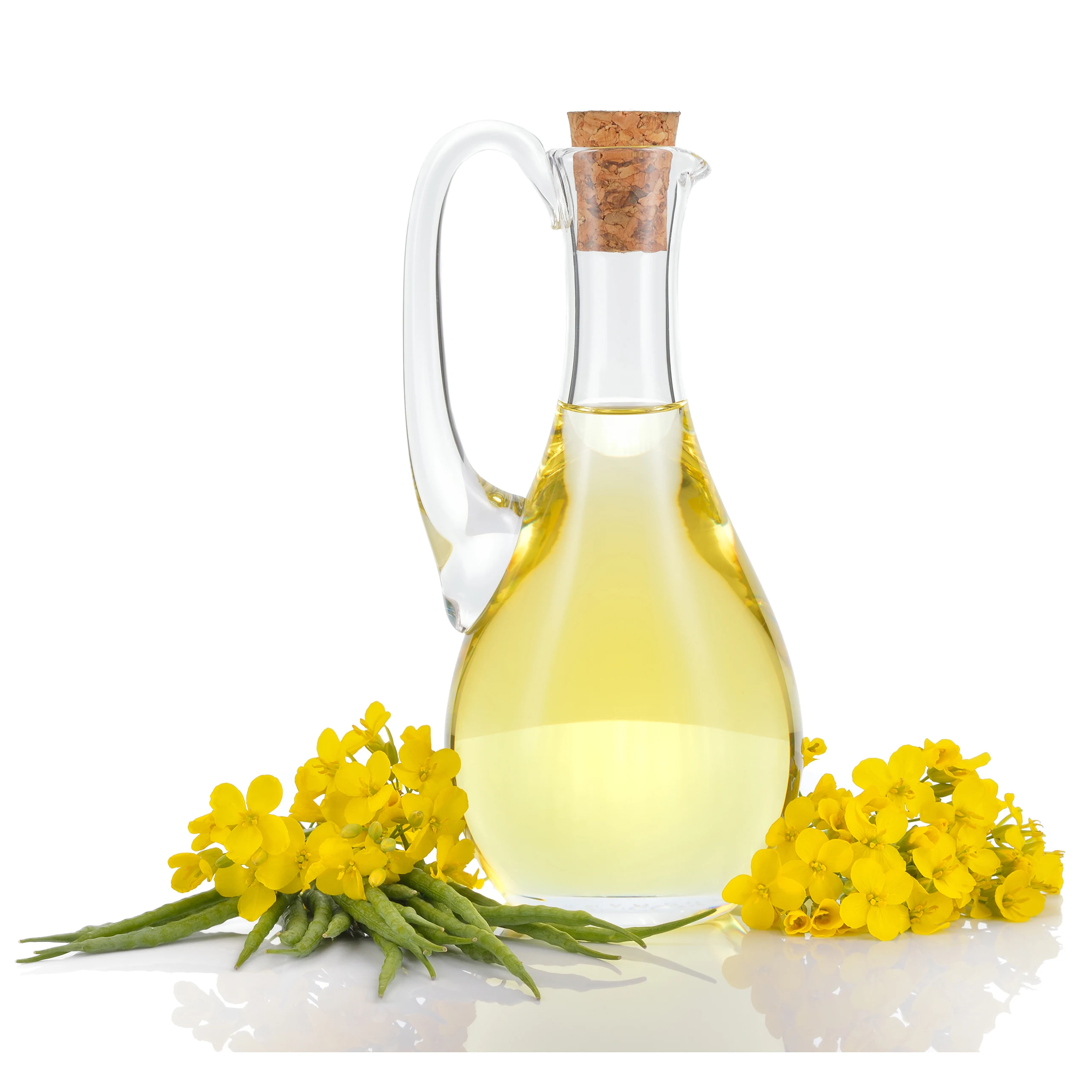
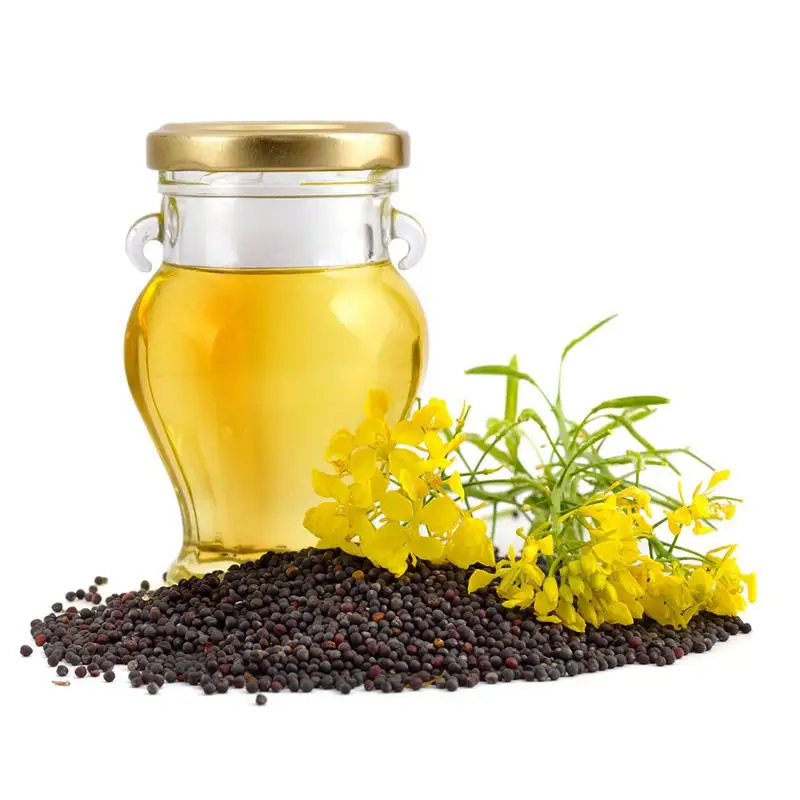
Rapeseed, also known as rape, oilseed rape, is a bright-yellow flowering member of the family Brassicaceae, cultivated mainly for its oil-rich seed. It is the third-largest source of vegetable oil in the world.Rapeseed oil is from the third most important crop grown here in the UK after wheat and barley, and is the only commonly used culinary oil that can be widely found both grown and bottled in the UK. Other vegetable oils, such as olive or sunflower, are primarily imported from mainland Europe or further afield. Rapeseed oil is also produced in other countries, such as Ireland, France, Germany, Netherlands and Canada.Rapeseed oil is made by both small and large-scale producers and comes in two forms: artisan cold-pressed and refined. Cold-pressing simply involves using a press to squeeze the oil out of the seeds, retaining all its natural flavour, before being simply filtered and bottled. Refined oil on the other hand, is extracted from the seeds under high temperatures, before being cleaned to create a flavourless oil (allowing other ingredients, like spices, to really shine during cooking) with a high smoke point.Rapeseed oil is produced from the black seeds of the rapeseed plant, also known as Brassica napus. It comes from the same family of plants such as cabbage, broccoli, and cauliflower. Visually, the rapeseed plant makes for a lovely landscape surface during the spring when it sprouts vibrant yellow flowers. Its beauty however is much more than just visual, as this plant has some serious, wonderful uses as an oil.Measured up against other oils, rapeseed oil has the least levels of saturated fat. In fact when compared with the mighty olive oil, it only has half the amount of saturated fat. Although we now know that saturated fat has been overly demonized, it is still a good idea to watch this macro nutrient when one is conscious of weight gain.We will look more into this in a while. Rapeseed is also loaded with monosaturated fats, and is highly recommended for vegetarians. In cooking, it also can withstand more elevated temperatures compared to olive oil with a threshold of 230°C. What's more, rapeseed oil retails for considerably less than the other usual 'healthy' oils. Here are more benefits of this lesser known but nonetheless, beneficial oil.Measured up against other oils, rapeseed oil has the least levels of saturated fat. In fact when compared with the mighty olive oil, it only has half the amount of saturated fat. Although we now know that saturated fat has been overly demonized, it is still a good idea to watch this macro nutrient when one is conscious of weight gain.We will look more into this in a while. Rapeseed is also loaded with monosaturated fats, and is highly recommended for vegetarians. In cooking, it also can withstand more elevated temperatures compared to olive oil with a threshold of 230°C. What's more, rapeseed oil retails for considerably less than the other usual 'healthy' oils. Here are more benefits of this lesser known but nonetheless, beneficial oil.Measured up against other oils, rapeseed oil has the least levels of saturated fat. In fact when compared with the mighty olive oil, it only has half the amount of saturated fat. Although we now know that saturated fat has been overly demonized, it is still a good idea to watch this macro nutrient when one is conscious of weight gain.The oil comes from the black seeds of the oilseed rape plant, Brassica napus, from the same Brassica family as the vegetables broccoli, cabbage and cauliflower. The plant produces sunny, yellow flowers around springtime, so look out for golden fields brightening our beautiful landscapes during these months.
The health benefits of Rapeseed Oil
Contains the lowest saturated fat content of any oil – less than half that of Olive Oil.
It's a great source of Omega 3,6,9 with10 times more Omega 3 than Olive Oil.
It is a good source of antioxidant Vitamin E.
High in monounsaturated fats.
Detailed Images