vinyl chloirde acrylate copolymer
- Category: >>>
- Supplier: Baoding Zhongbao Chemical Industry Trading Co. Ltd.
Share on (542565586):
Product Overview
Description
BV resin, a new type of PVC processing aids, formed by copolymerization by taking acrylate as the main body and introducing other monomers. It has similar solubility parameters, excellent compatibility and blending performance compared with PVC. It can be widely used in the molding of PVC hard and soft products, with excellent performance. It is a substitute product of ACR. It can improve products’ anti-impact strength, low temperature flexibility, surface gloss and light –resistance and anti-aging properties.
Product properties
(1) Good compatibility with PVC resin, and is easily dispersed in the PVC resin, being easy to operate.
(2) With internal plasticizing capability, reducing the consumption of plasticizer amount in shoe material, wire and cable materials and soft and transparent material, and solving the plasticizer-surface-migration problem.
(3)Able to significantly improve low temperature flexibility and impact strength of products.
(4)Significantly improving products’ surface gloss, better than ACR.
(5) Good thermal stability and weather resistance.
(6) Reducing the melt viscosity, shorten fusion time, increasing per unit production, improving products’ impact strength and low temperature flexibility. (7) To replace ACR with the same amount, under the premise of maintaining the material properties, it can reduce lubricant consumption or increase the filler dosage, which has opened up new ways to optimize product quality and reduce costs.
BV is superior to ACR in the following several aspects:
1.When BV is added into PVC in place of ACR, whose plasticizing properties on PVC is better than that of ACR.
2.When BV is used in PVC flame retardant electrical insulation bushing, the product’s compressive strength and resilience are both improved, which solves the problem of flame retardant electrical insulation bushing becoming weak and soft in the summer time when ACR is used as a processing aid in the production.
3.For making products of same appearance, the consumption of BV is less than that of ACR, and the gloss is better than the ACR, and further, the chance of becoming piebald is far less than that of ACR.
4. When product is extruded to shape, the electric current is less when BV is used than when ACR is used, for which, the mobility is also better than that of ACR, saving power and improving production efficiency.
5.When BV is used in the extrusion of PVC pipe, it can reduce the amount of lubricant consumption.
Applications:
1.Widely used in the production of PVC profiles, sheet, pipe, transparent products, wire and cable materials, shoe materials. BV can completely substitute ACR.
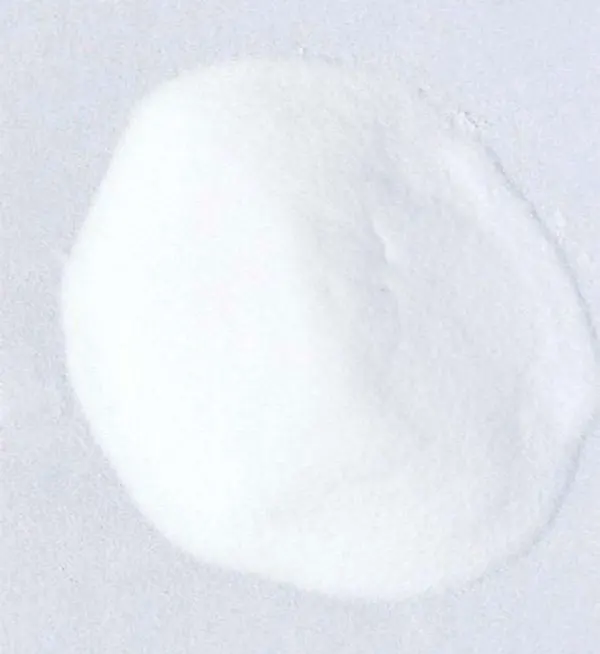
2.When matched and used with the CPE, the amount of the CPE can be reasonably reduced. Physical and chemical indicators: Appearance: White powder particles; When observed under microscope: Transparent spherical particle; Apparent density (g / ml): ≥ 0.5 Intrinsic viscosity (ml/ g) :8.39-13 .43
1. Physical and chemical properties of profile and sheet purposed BV resin:
Indicator | BV-13 |
Intrinsic viscosity(ml/g) | 12.3±0.3 |
Apparent density(g/ml)≥ | 0.65 |
Volatile(%),≤ | 1.0 |
Granularity (40-mesh pass rate),≥ | 98.0 |
2.Physical and chemical properties of PVC injection-molding purposed BV resin:
Indicator | BV-10 |
Intrinsic viscosity(ml/g) | 9.7±0.3 |
Apparent density(g/ml)≥ | 0.65 |
Volatile(%),≤ | 1.0 |
Granularit(40-mesh pass rate),≥ | 98.0 |
We Recommend
New Arrivals
New products from manufacturers at wholesale prices