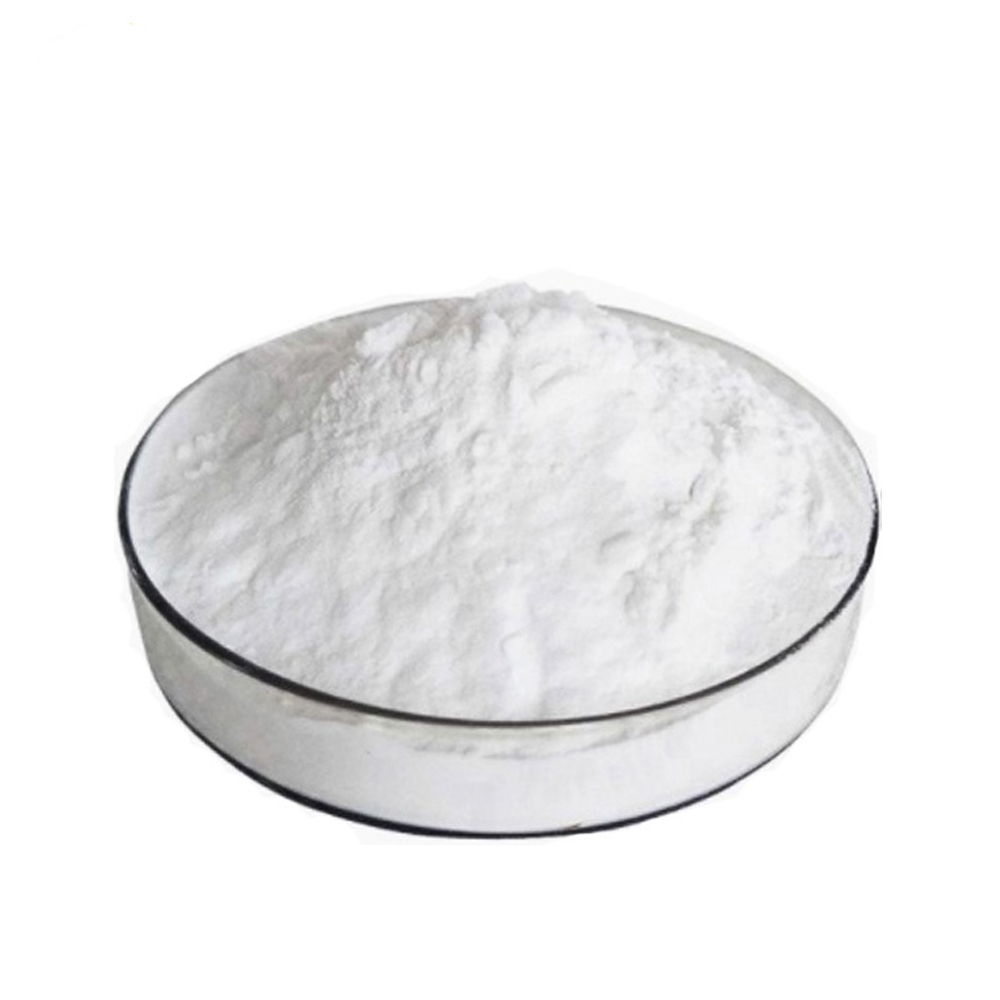
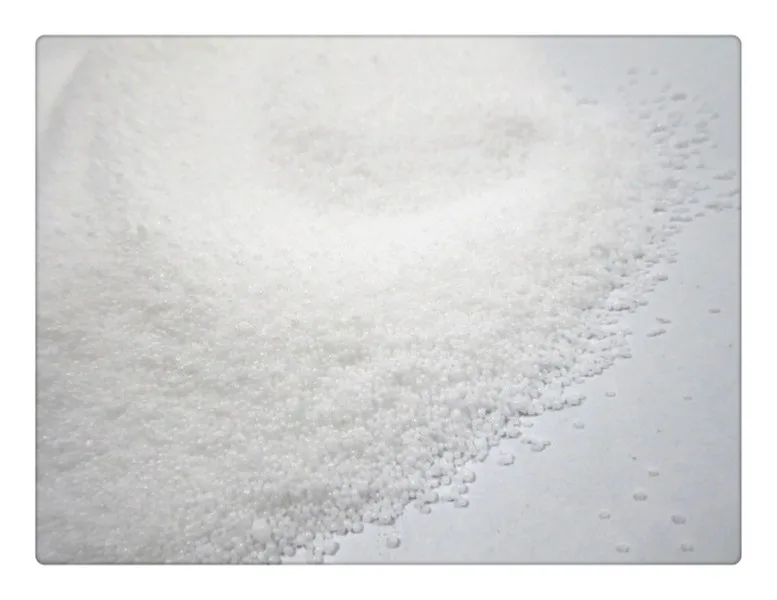
Stearic Acid from Indonesia factory 1820/1838/1842/1860/1865
- Category: Organic Acid >>>
- Supplier: Hefei Tengchao Chemical Material Co. Ltd.
Share on (60079464564):
Product Overview
Description
Our stearic acid is derived from palm oil. It is 100% vegetable origin
and Kosher certificated.
Product Description
Product Name: Stearic Acid 1842
| ITEMS | SPECIFICATIONS | ||
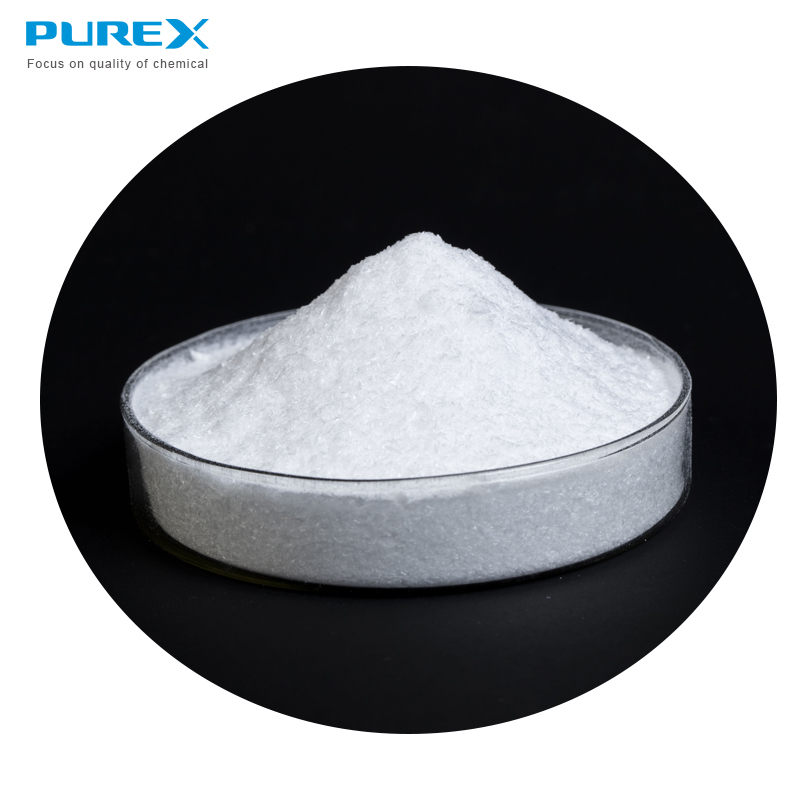
| Appearance | White , bead type | Complies | |
| Iodine value≤ | 0.3 | 0.25 | |
| Sapon value | 209-211 | 210.25 | |
| Acid value | 208-210 | 209.4 | |
| Color(hazen)≤ | 60 | 55 | |
| Titer,°C | 54-57 | 55.5 | |
| Moisture %≤ | 0.2 | 0.08 | |
| Inorganic %≤ | 0.001 | Pass | |
| C18, % | 40-44 | 43 | |
| C20,% | ≤1 | 0.6 | |
| C16, % | 53-58 | 56 | |
| C14, % | ≤1.0 | 0.5 | |
| C12, % | 0 | 0 | |
| Conclusion: | CONFORM | ||
Product Name: Stearic Acid 1820 :
| ITEMS | SPECIFICATIONS | ||
| Appearance | White fine bead | Complies | |
| Iodine value≤ | 0.1-0.2 | 0.15 | |
| Sapon value | 214-216 | 215.2 | |
| Acid value | 213-215 | 214.3 | |
| Color(hazen)≤ | 100 | 50 | |
| Titer,°C | 55-57 | 56 | |
| Moisture %≤ | 0.2 | 0.08 | |
| Inorganic %≤ | 0.001 | Pass | |
| C18, % | 17.743 | ||
| C16,% | 79.1575 | ||
| C14,% | 2.4257 | ||
| C12,% | 0.2295 | ||
| C20,% | 0.0431 | ||
| MFT.DATE | July, 20th, 2010 | ||
| EXP.DATE | July,20th, 2011 | ||
| Conclusion: | Up to the Standard for Export. | ||
Product Name: Stearic Acid (1838)
| ITEMS | SPECIFICATIONS | |
| Appearance | White , bead type | Complies |
| Iodine value≤ | 0.3 | 0.22 |
| Sapon value | 211-212.5 | 212.2 |
| Acid value | 210-211.5 | 211.1 |
| Color(hazen)≤ | 80 | 65 |
| Titer,°C | 54-57 | 55.5 |
| Moisture %≤ | 0.2 | 0.08 |
| Inorganic %≤ | 0.001 | Pass |
| C18, % | 36-38 | 37 |
| C20,% | ≤1 | 0.5 |
| C16, % | 59-64 | 61 |
| C14, % | ≤2.0 | 1.4 |
| C12, % | ≤0.5 | 0.1 |
| Conclusion: | CONFORM | |
Stearic acid is extracted from many types of animal fats, vegetable fats, and some oils. It can change the consistency or melting temperature of a product, as a lubricant, or to prevent oxidation. The versatility and cost effectiveness of the acid makes it a popular ingredient in countless types of products, from candles and soap to lotion and margarine.
Stearic acid is prepared by treating these fats and oils with water at a high pressure and temperature (above 200 °C), leading to the hydrolysis of triglycerides. The resulting mixture is then distilled. Commercial stearic acid is often a mixture of stearic and palmitic acids, although purified stearic acid is available.
Stearic acid is mainly used in the production of candles, detergents, soaps, and cosmetics products.
It is often used to harden the wax and strengthen the candle. It also has an impact on the melting point of the wax, improving the durability and consistency of the candle.
Soaps are not made directly from stearic acid, but indirectly by saponification of triglycerides consisting of stearic acid esters. Esters of stearic acid with ethylene glycol; glycol stearate and glycol distearate, are used to produce a pearly effect in shampoos, soaps, and other cosmetic products.
They are added to the product in molten form and allowed to crystallize under controlled conditions. Detergents are obtained from amides and quaternary alkylammonium derivatives of stearic acid.
In view of the soft texture of the sodium salt, which is the main component of soap, other salts are also useful for their lubricating properties. Lithium stearate is an important component of grease. The stearate salts of zinc, calcium, cadmium, and lead are used to soften PVC.
Stearic acid is used along with castor oil for preparing softeners in textile sizing. They are heated and mixed with caustic potash or caustic soda. Related salts are also commonly used as release agents, e.g. in the production of automobile tires.

We Recommend
99.6min oxalic acid in bulk
US $5300-$5400
Cosmetic Raw Materials 99%min Glycolic Acid CAS 79-14-1
US $2.00-$5.00
Best citric acid anhydrous and citric acid monohydrate bp93 Supplier
US $700.00-$900.00
Cas 563-96-2 Glyoxylic acid monohydrate Powder Manufacturer
US $2.00-$2.80
New Arrivals
New products from manufacturers at wholesale prices