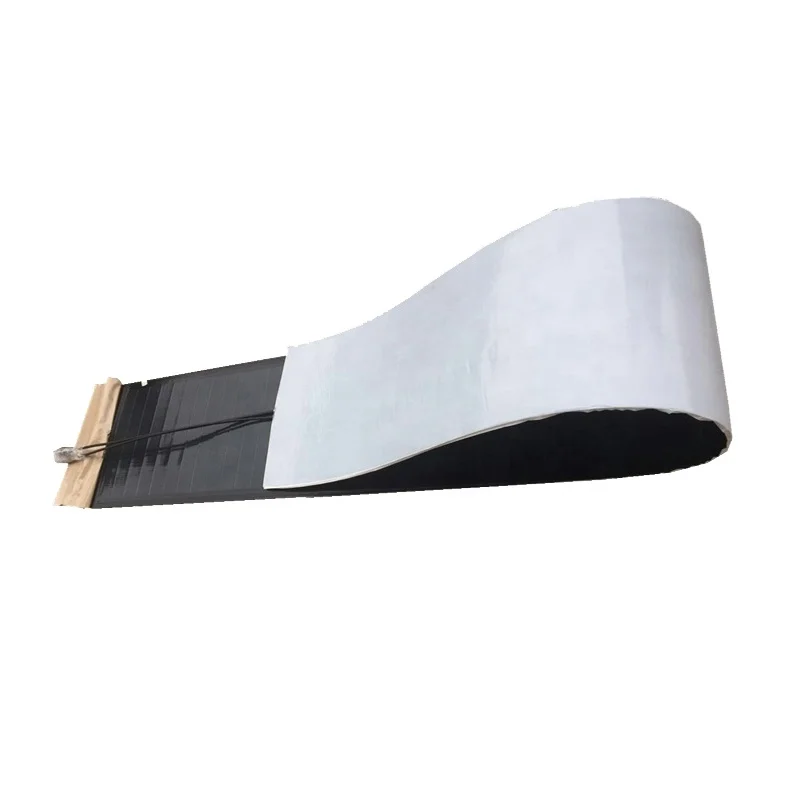
260W/67.3V amorphous CIGS flexible solar panels for caravans
- Category: >>>
- Supplier: Jinan Lin Quan Import And Export Co. Ltd.
Share on (60154783098):
Product Overview
Description
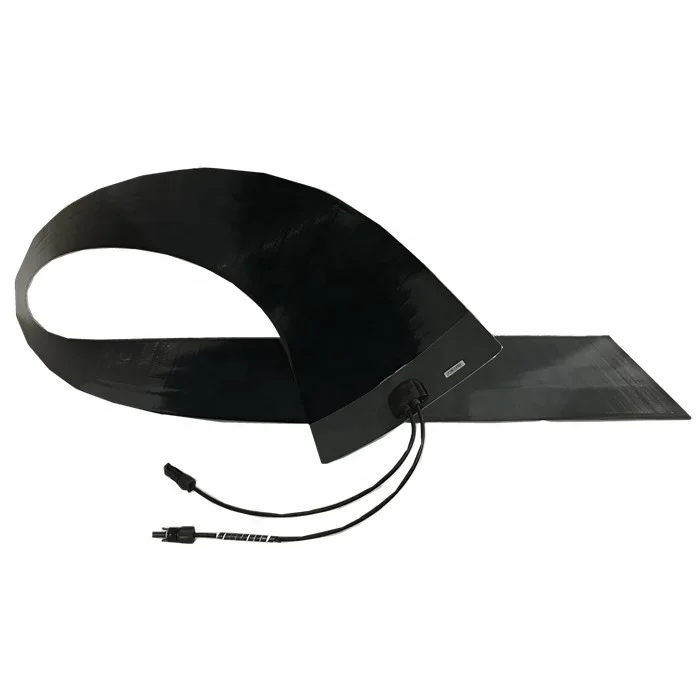
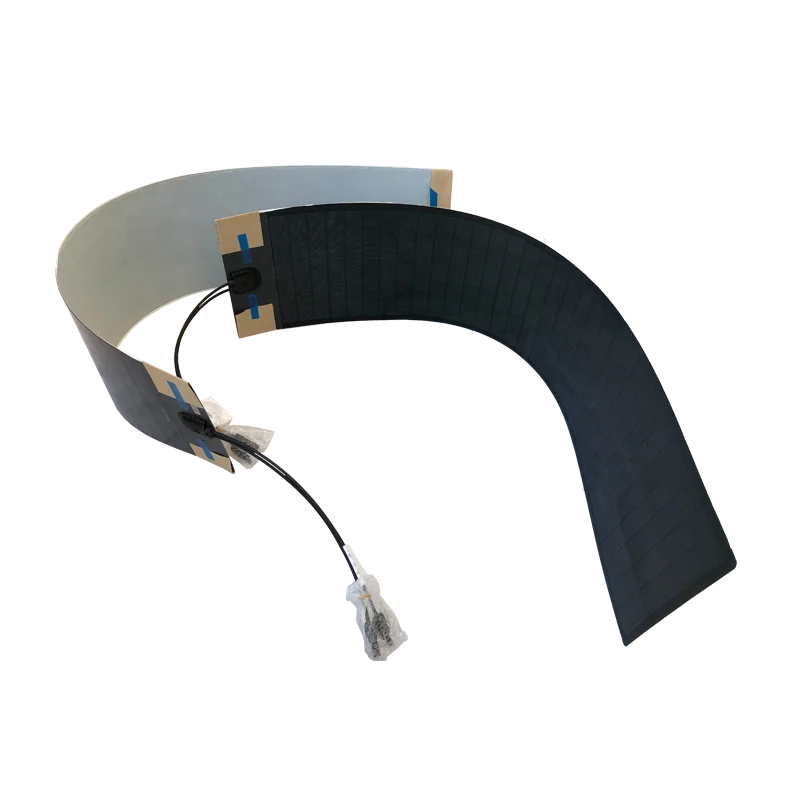
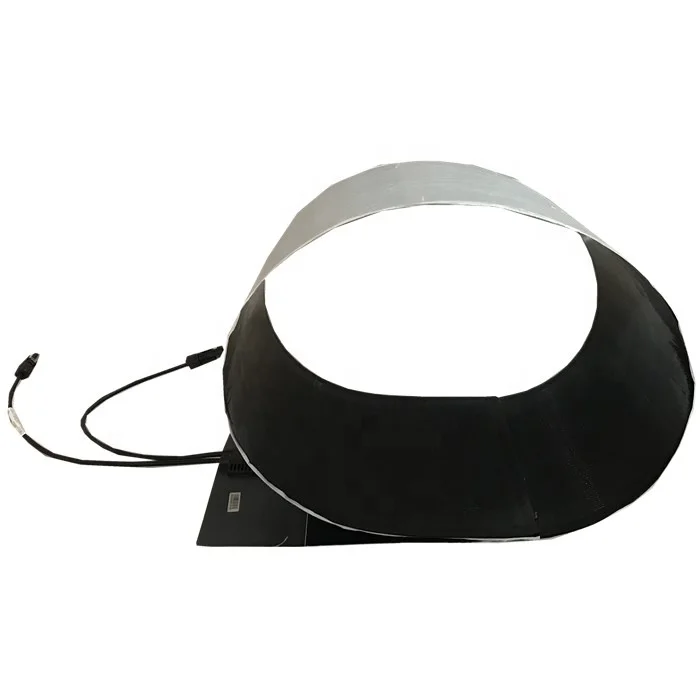
260W/67.3V amorphous CIGS flexible solar panels for caravans
Product Description
260W/67.3V amorphous CIGS flexible solar panels for caravans is detailed as follows:
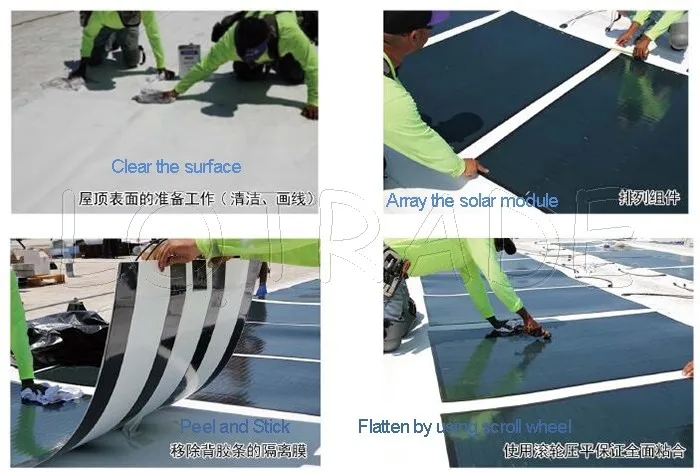
With back adhesive tape or non-adhesive film back, offers a wide options of installation methods for customers.
The products are specifically designed for rooftop installations.
MiaSolé is the producer of powerful, lightweight, shatterproof andflexible solar cells. The innovative solar cell is based on the highestefficiency thin–film technology available today, and its flexible cell architecture makes it ideal for a wide variety of solutions ranging from off-grid transportation solutions to commercial roofing solarpanels to flexible mobile devices.
Why flexible Solar:
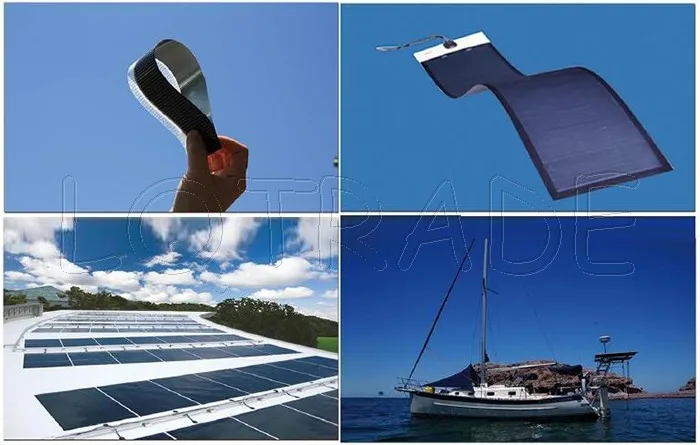
Flexible lightweight shatterproof solar cells and modules can go where rigid breakable glass modules can’t. This makes it possible to add solarenergy generation to curved surfaces, vehicles, structures such as carports and storage facilities, floating reservoir covers, landfill membrane covers,low load capacity roofs, as well as mobile devices and many other applications.
KEY FEATURES
Record effi ciency levels in a fl exible form factor
Low installed weight at less than 2.4 kg/m2(<0.5lb/sq ft)
No penetrations, ballast or racking required
Applicable for high wind load and high seismic hazard areas
Bypass diodes reduce PV system shading losses
Directly bonds to many approved surfaces
FLEX-03NL-260W | FLEX-03NL-270W | FLEX-03NL-280W | FLEX-03NL-290W | |
Cpacity rating(Pmax) | 260W | 270W | 280W | 290W |
Tolerance of Pmax(%) | +10 / -0% | +10 / -0% | +10 / -0% | +10 / -0% |
Module aperture area efficiency(%) | 14.4% | 15.0% | 15.5% | 16.1% |
Maximum Power Voltage(Vmpp) | 67.3V | 68.3V | 69.3V | 70.3V |
Maximum Power Current(Impp) | 3.88A | 3.96A | 4.04A | 4.13A |
Open Circuit Voltage(Voc) | 86.2V | 86.8V | 87.3V | 87.9V |
Short Circuit Current(Isc) | 4.70A | 4.70A | 4.70A | 4.70A |
Maximum Series Fuse Rating(A) | 10A | 10A | 10A | 10A |
Maximum System Voltage(IEC/UL) | 1000/1000 | |||
Dimension(mm) | 5910 mm Length* 348 mm Width * 2.5 mm Thickness | |||
Maximum at J-Box(mm) | 17 mm | |||
Weight(Module without adhesive) | 3.6 KG | |||
Weight(Module with adhesive) | 4.3 KG | |||
Weight/Area (Module without adhesive) | 1.7 kg/m2 | |||
Weight/Area (Module with adhesive) | 2.1 kg/m2 | |||
Junction Box Type | IP 68 | |||
Cable connections | Amphenol H4 (MC4 compatible) | |||
Cell type | Copper Indium Gallium Diselenide (CIGS) | |||
Warranty | 5 year workmanship, 10/25 year power output | |||
Certification | UL 1703, IEC 61646, IEC 61730, cUL 1703, IEC 62716 | |||
RELIABILITY AND SAFETY
IEC 61646 & IEC 61730
UL 1703
UL Class A over TPO - slope up to 2.5”
WARRANTY
5 year workmanship
10/25 year warranty against power loss

Advantages
1.Strong Light Absorption
CIGS PV draws on the best characteristics of copper, indium, gallium, and selenium. It absorbs light over the widest spectral range, not only within the visible light spectrum in the same manner as crystalline silicon and amorphous, but also absorb light in the infrared range, from 700-1,200 nm. This means that CIGS PV can capture light for a longer period of time during a given day, a crucial advantage for high latitudes and altitudes where sunlight may be limited, or for short winter days.
2.Stable Energy Generation
Crystalline silicon PV exhibits light diffusion and photo deterioration when exposed to the sun for long periods of time, thus causing their power generation capability to gradually decline. CIGS PV does not suffer from these phenomena. Thus, from the long-term perspective, CIGS PV offers more stable energy generation and requires less maintenance costs.
3.High Transfer Efficiency, High Overall Electrical Output
According to the National Renewable Energy Labs (NREL), CIGS PV can currently attain up to a 19.9% efficiency rate. However, the highest rate recorded in the industry has been up to 16%, with an average rate of 12%. It is worth noting that when crystalline silicon (efficiency of 16%) and CIGS are tested together outdoors, the latter generates 1.2 times more energy than the former. Even though the current in use CIGS PV’s efficiency be lower than that of silicon-based, CIGS PV absorbs more sunlight per day and so produces more energy in total.
4.Low Production Costs
The main cost of CIGS PV lies in its raw materials—copper, indium, gallium and selenium. However, it requires only ordinary soda glass as opposed to special ultra-white or thin-film conductive glass. While the aforementioned metals are precious metals, CIGS PV requires no more than a 3 um (1 um = 1/1000mm) coat, giving it a competitive per unit cost.
5.Short Energy Payback
Time Renewable energy offers many benefits. However, manufacturing the technology to produce such energy is itself resource-intensive. Thus, in assessing whether a particular type of renewable energy is genuinely sustainable, one needs to look at not only its efficiency but also how long it takes for the renewable energy produced to offset the resources needed to produce that facility. This is known as “EPBT”(energy payback time). According to the U.S. Department of Energy, assuming a 30-year lifespan for solar installments, the EPBT of crystalline silicon PV has been estimated to be about 2-4 years. By contrast, CIGS PV is estimated only 1-2 years. In other words, any of the PV systems above mentioned would have a roughly 26-29 year lifespan of truly pollution-free use. In a nutshell, CIGS comes out on top.


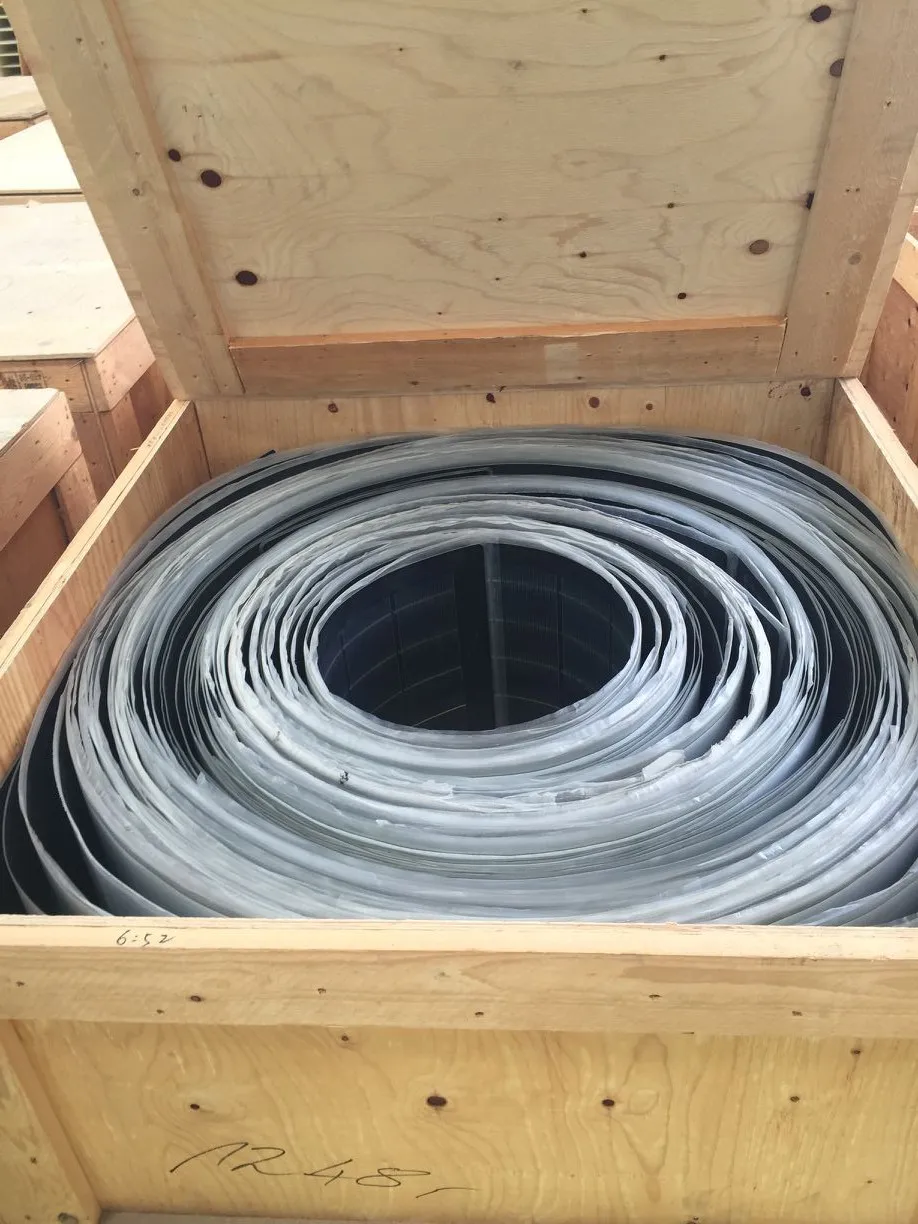
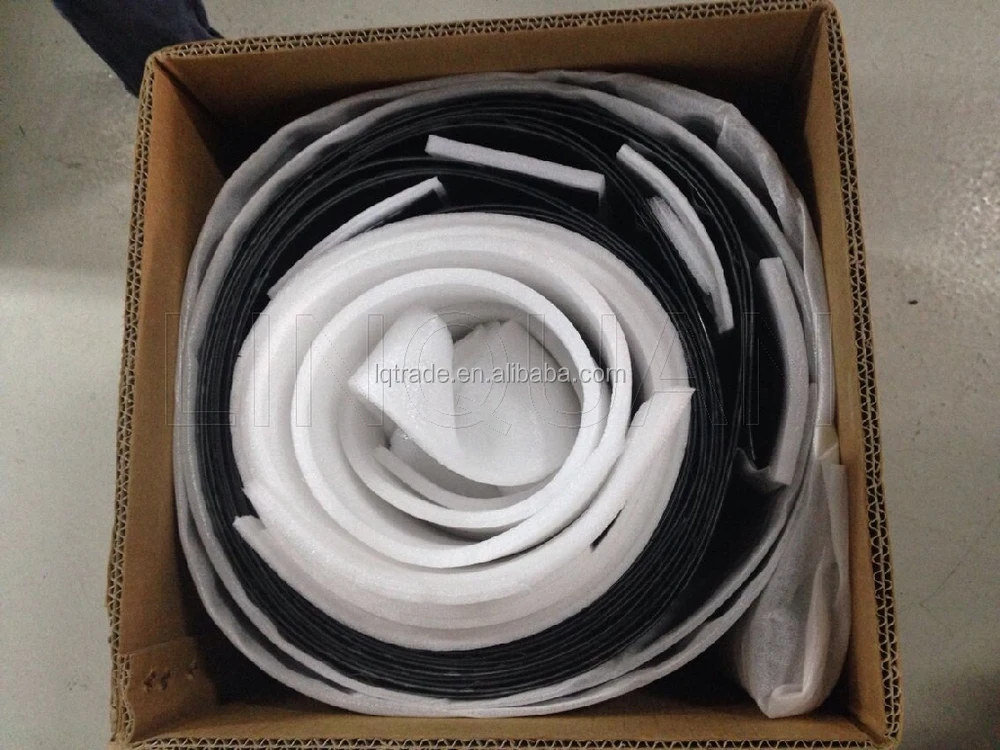
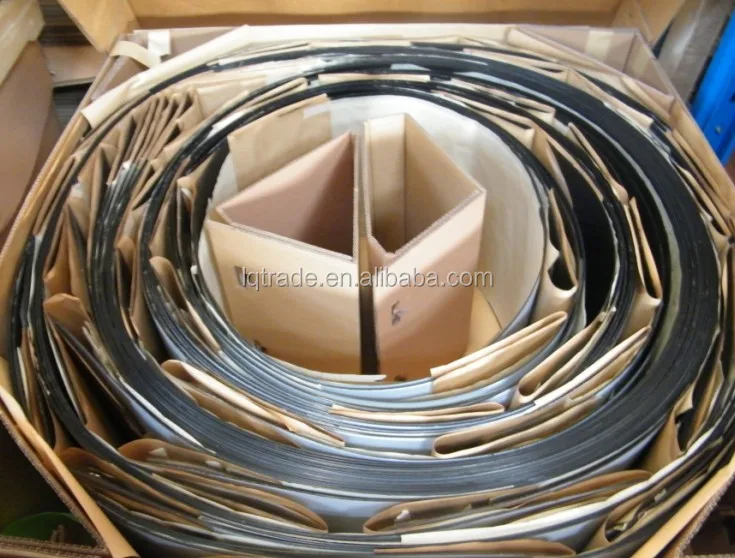
Packaging & Shipping
The 250W CIGS flexible solar panel is packed as follows:
Technology
How do we do it?
We begin with high–grade stainless steel foil and use an advanced semiconductor deposition process, PVD, to produce the most controlled,stable, and powerful flexible stainless steel CIGS cell in the world. Once the cell structure is deposited on the foil, special transparent conductiveoxides are applied, and a specialized plastic-cell interconnect meshwire system is laminated to the cell, which is in turn protected by special water barrier plastics. The transparent water barrier is key to the longevity of MiaSolé FLEX modules. The special plastic back sheet has an internalaluminum film to prevent water transmission from eroding the powerfulstainless steel CIGS cells.

Installation
Application Scope
Flat, Corrugated and Standing Seam Metal Roofs
Single Ply TPO and EPDM Membrane Roofs
HDPE Landfill Covers
Residential
Ground installation on membrane material
Metal or TPO/EPDM membrane roofing installation
Golf cart/car/boat/RV
We Recommend
New Arrivals
New products from manufacturers at wholesale prices