
Habio Cellulase (Powder, Liquid)
- Category: >>>
- Supplier: Sichuan Habio Bioengineering Co. Ltd.
Share on (60166906145):
Product Overview
Description
Cellulase
(Food Grade, Feed Grade, Industry Grade)
Product Description
Introduction
Habio cellulose was produced by Trichoderma species using modern genetic engineering technology, microbial fermentation technology, and advanced post-processing techniques. It is composed of multiple ingredients and can degrade cellulose in fibers to create simple sugars efficiently, thus improving the utilization of raw ingredients. It is widely used in manufacture of feed, textile, fuel ethanol, alcohol, Chinese medicine extraction, food, fruit juice-processing, etc.
Mechanism
Cellulose is a high-polysaccharides made of glucopyranose by β-1,4-glycosidic bond. Cellulase system consists of three major components: Endoglucanases (endo-1,4-β-D-glucanases; C1; EG, EC 3.2.1.4), cellobiohydrolases (exo-1,4-β-D-glucanases; CX; CBH, EC 3.2.1.91), and β-glucosidases (1,4-β-D-glucosidase; βG; BGL, EC 3.2.1.21). EG acts on insoluble cellulose surface, breaks internal bonds to disrupt the crystalline structure of cellulose and expose individual cellulose polysaccharide chains, and makes cellulose chains hydration easily. CBH cleaves 2-4 units from the ends of the exposed chains produced by EG, resulting in the tetrasaccharides or disaccharide such as cellobiose. There are two main types of CBH- one type working processively from the reducing end, and the other type working processively from the non-reducing end of cellulose. βG hydrolyses the CBH product into individual monosaccharides. Through the synergistic action of above enzyme system, cellulose can be efficiently hydrolyzed to glucose.
Definition of Activity
One unit of cellulose is defined as the quantity of enzyme, which liberates 1μmol of reducing sugar from 4.0mmol/L sodium carbixymethyl cellulose substrate at 37°C and pH5.5 in 1min.


Product functions
- Feed Industry: Degrading cellulose to cello-oligosaccharide specifically, decreasing the chyme mucosity. Breaking down the structure of cell walls and releasing the nutrients inside, increasing the diffusion rate of endogenous digestive enzymes and enhancing the nutrients digestibility. Balancing intestinal flora to enhance animal immunity and reduce diarrhea ratio. Improving the animal production performance to increase customer profits.
- Fabric and Textiles: Improving the finish, sheen, flexibility, air-permeability, insulation and softness of the textile fabrics, developing permanent resistance of fabric to lint, fuzz and pill buildups and easing further treatments and dye processes.
- Breweries and Wineries: Breaking down plant cell walls and membranes, boosting the release of starch, and in turn, the output of alcohol.
- Food, Chinese medicine, etc.: Improving the effectiveness, absorption and nutritional effects of product.
Product features
- Full –scale enzyme profile (EG, CBH and βG) ensures the efficient degradation of cellulose.
- Optimal genetic engineering strain, advanced production technology of liquid submerged fermentation and unique post-processing lead high cellulase activity and good stability.
- Broad enzyme profile, high enzyme activity and good thermostability help it more suitable for varieties of processing.
Specification and usage
Specification | Activity | Usage |
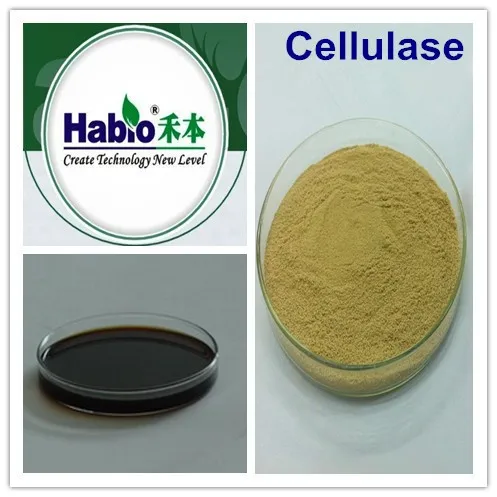
Powder | 500U/g-10 000U/g | Feed industry: 0.01-0.05%; Textile industry: 0.05-0.1%; Other industry: According to the instruction of technicians. |
Liquid | 500U/mL-10 00U/mL |
Packaging & Shipping
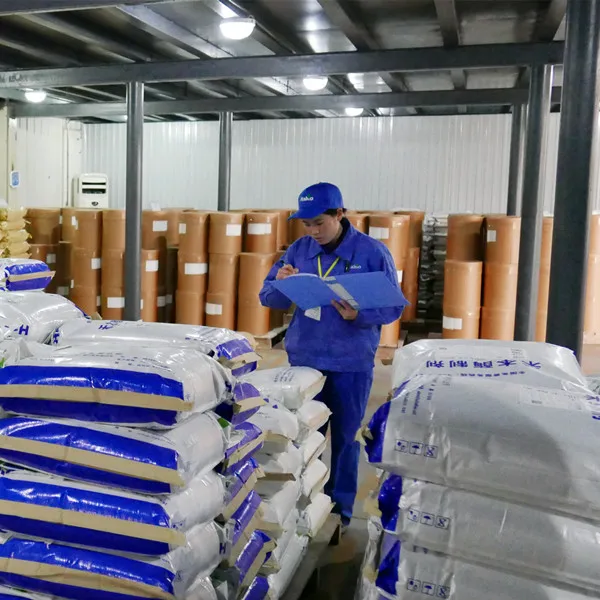
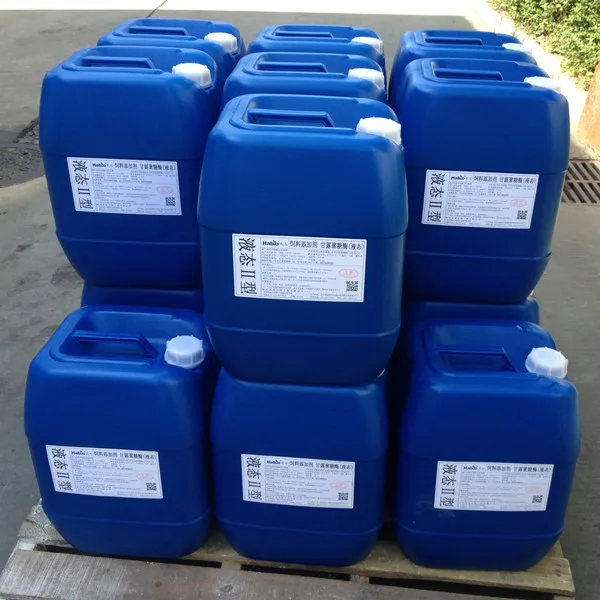
Package: 30kg and 225kg plastic barrel (Liquid) FOB Port: Qingdao, Shanghai and other Chinese Ports.
25kg bag.......................... (Powder) Shipping time: Please contact Kelvin Xu.
Company Information
Business Type: Manufacturer, Trading Company
Main Products: Food Grade Enzyme,Feed Grade Enzyme,Industry Grade Enzyme
Location: Sichuan, China (Mainland)
Year Established: 2002
Year start exporting: 2002
Number Of Employees: 201 - 300 People
Total Revenue: US$10 Million - US$50 Million
Main Markets: Domestic Market, Eastern Asia, Southeast Asia, South America, South Asia
Certifications: ISO9001
Product Certifications: Test Report for Submitted Sample
We Recommend


New Arrivals
New products from manufacturers at wholesale prices