ayurvedic urea cream, urea producers
- Category: Nitrogen Fertilizer >>>
- Supplier: Taian Guangyuan International Trade Co. Ltd.
Share on (60196315852):
Product Overview
Description
urea
What Is Urea
Urea or carbamide is an organic compound with the chemical formula CO(NH2)2. The molecule has two —NH2 groups joined by a carbonyl (C=O) functional group.
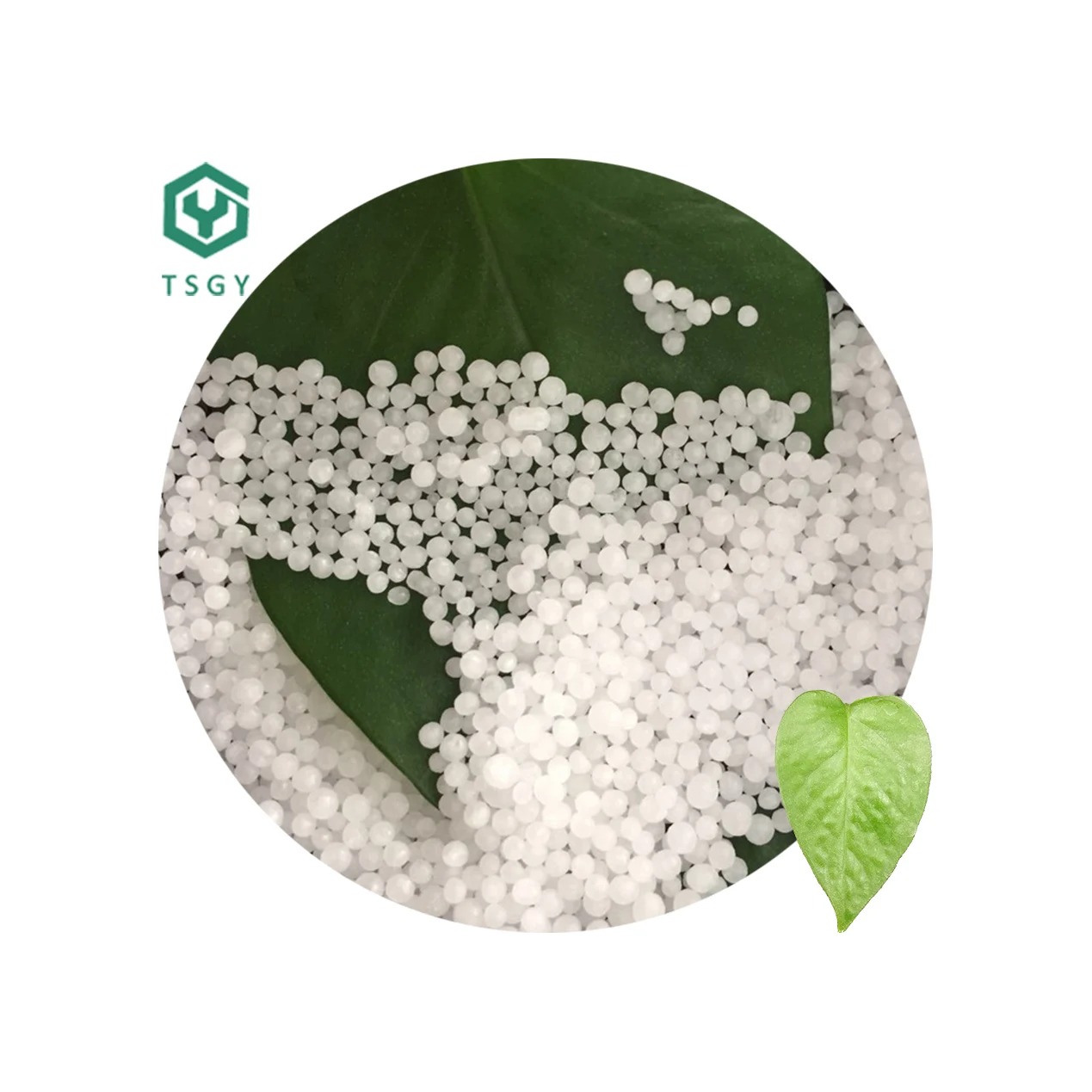
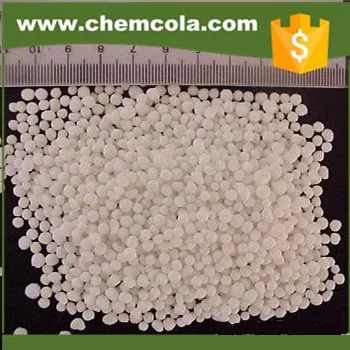
Urea serves an important role in the metabolism of nitrogen-containing compounds by animals and is the main nitrogen-containing substance in the urine ofmammals. It is a colorless, odorless solid, highly soluble in water and practically non-toxic (LD50 is 15 g/kg for rat). Dissolved in water, it is neither acidic nor alkaline. The body uses it in many processes, the most notable one being nitrogen excretion. Urea is widely used in fertilizers as a convenient source of nitrogen. Urea is also an important raw material for the chemical industry.
How to Product
1.Industrial methods
For use in industry, urea is produced from synthetic ammonia and carbon dioxide. As large quantities of carbon dioxide are produced during the ammonia manufacturing process as a byproduct fromhydrocarbons (predominantly natural gas, less often petroleum derivatives), or occasionally from coal, urea production plants are almost always located adjacent to the site where the ammonia is manufactured. Although natural gas is both the most economical and the most widely available ammonia plant feedstock, plants using it do not produce quite as much carbon dioxide from the process as is needed to convert their entire ammonia output into urea. In recent years new technologies such as the KM-CDR process[12][13] have been developed to recover supplementary carbon dioxide from the combustion exhaust gases produced in the fired reforming furnace of the ammonia synthesis gas plant, allowing operators of stand-alone nitrogen fertilizer complexes to avoid the need to handle and market ammonia as a separate product and also to reduce their 'greenhouse gas' emissions to the atmosphere.
Specification
Product Standard:GB2440-2001 | ||||
Test Item | Quality Index | Test Result | ||
| Superior | First Grade | Qualified |
|
Total Nitrogen Content(%) | 46.4 | 46.2 | 46.0 | 46.6 |
Biuret Content(%) | 0.9 | 1.0 | 1.5 | 0.9 |
Moisture(%) | 0.4 | 0.5 | 1.0 | 0.4 |
Urea,N,N''-methylenebis(%) | 0.6 | 0.6 | 0.6 | 0.6 |
Particle Size(d0.85-2.80mm)% | 93 | 90 | 90 | 93 |
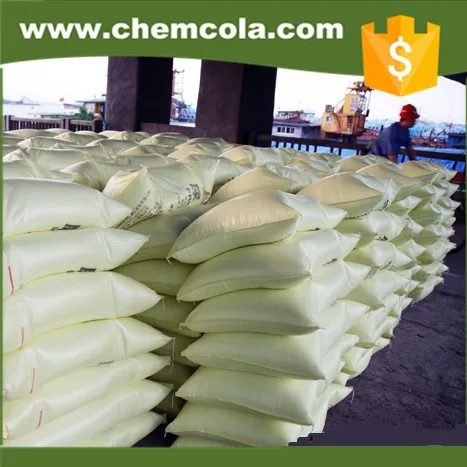
Weight | Net Content for Each bag:50 ± 0.5kg | |||
| Average Net Content for Each bag >50kg | |||
Grade Estimation | Superior | |||
Uses
Agriculture
More than 90% of world industrial production of urea is destined for use as a nitrogen-release fertilizer.Urea has the highest nitrogen content of all solid nitrogenous fertilizers in common use. Therefore, it has the lowest transportation costs per unit of nitrogen nutrient. The standard crop-nutrient rating (NPK rating) of urea is 46-0-0.
Chemical industry
Urea is a raw material for the manufacture of two main classes of materials: urea-formaldehyde resins and urea-melamine-formaldehyde used in marine plywood.
Explosive
Urea can be used to make urea nitrate, a high explosive that is used industrially and as part of some improvised explosive devices. It is a stabilizer in nitrocellulose explosives.
Automobile systems
Urea is used in SNCR and SCR reactions to reduce the NOx pollutants in exhaust gases from combustion from Diesel, dual fuel, and lean-burn natural gas engines. The BlueTec system, for example, injects a water-based urea solution into the exhaust system. The ammonia produced by the hydrolysis of the urea reacts with the nitrogen oxide emissions and is converted into nitrogen and water within the catalytic converter. Trucks and cars using these catalytic converters need to carry a supply of diesel exhaust fluid (DEF), a mixture of urea and water.
SGS Inspection


Contact US

We Recommend

Urea Solution 32.5% AUS 32 adblue price per litre
US $190.00-$210.00

UREA GRANULATED N46
US $910.00

Food Grade Prilled state prilled automotive grade urea
US $175.00-$185.00

High purity N37 polymer Sulphur Coated Urea
US $290.00-$420.00

agricultural fertilizer
US $150.00-$380.00
New Arrivals
New products from manufacturers at wholesale prices