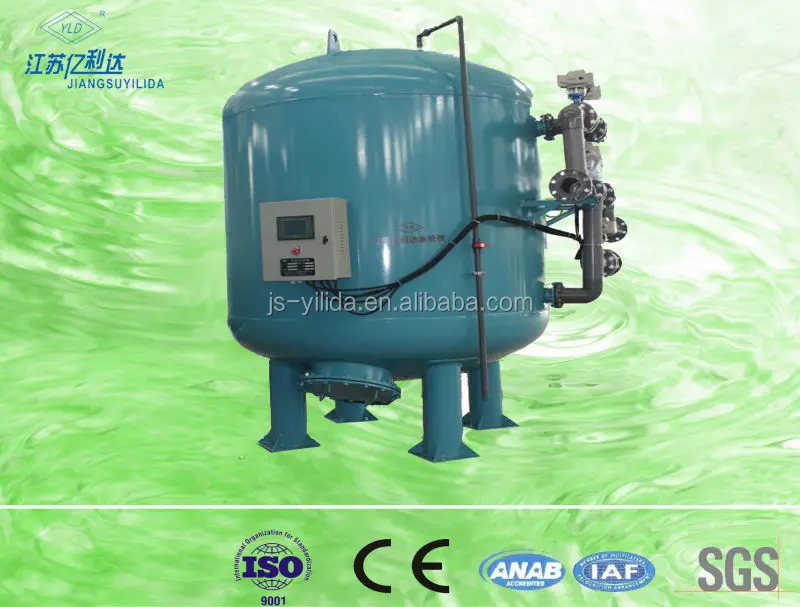
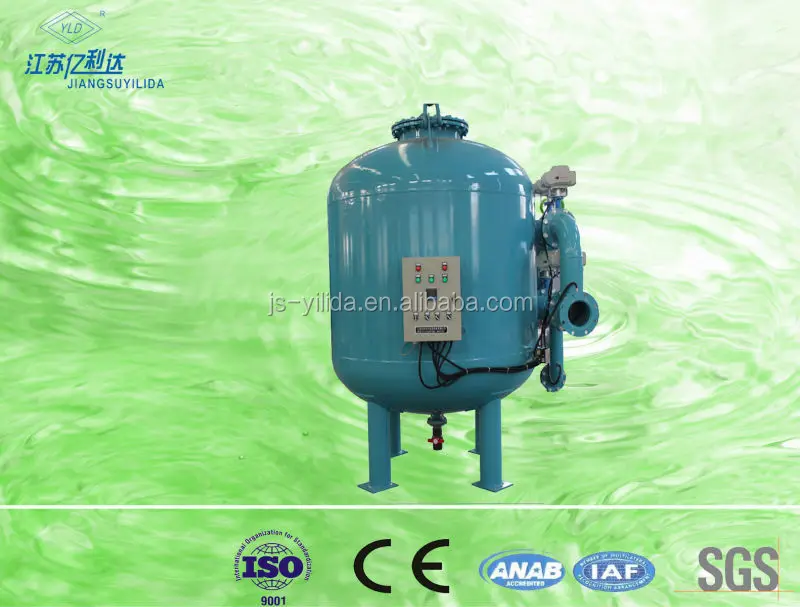
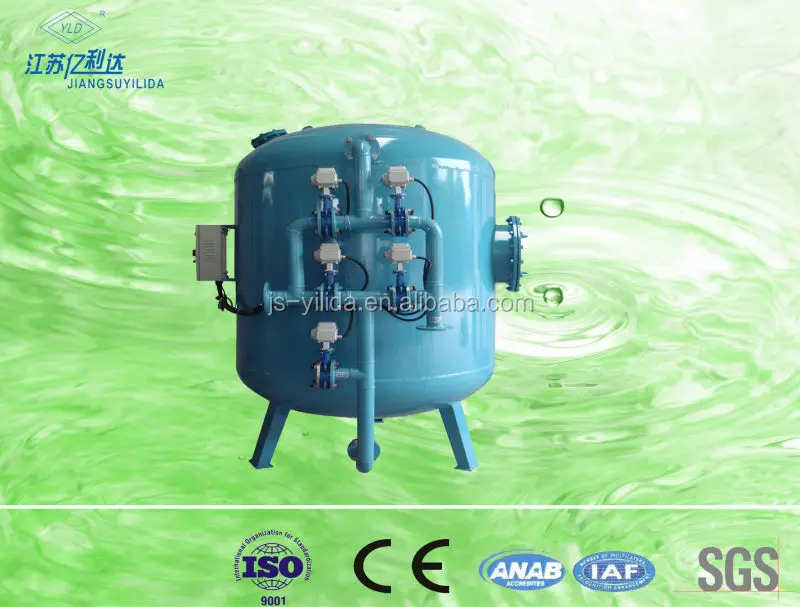
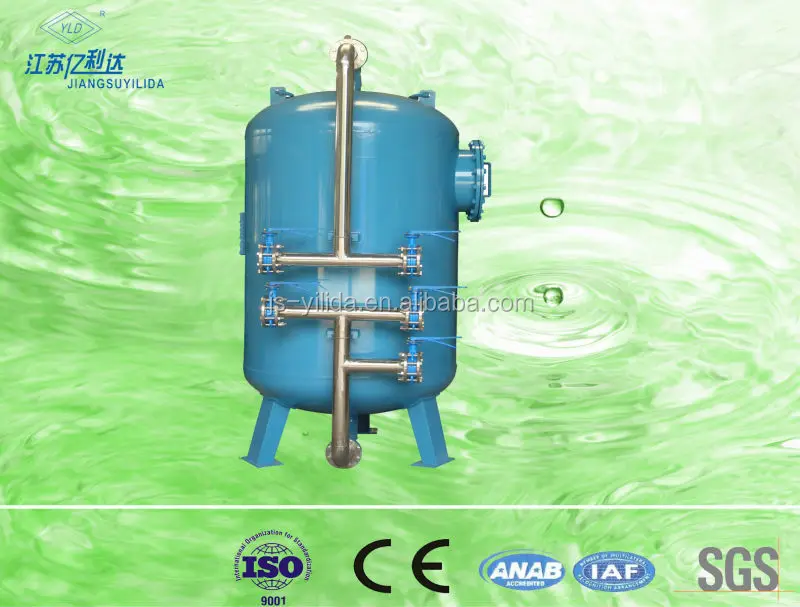
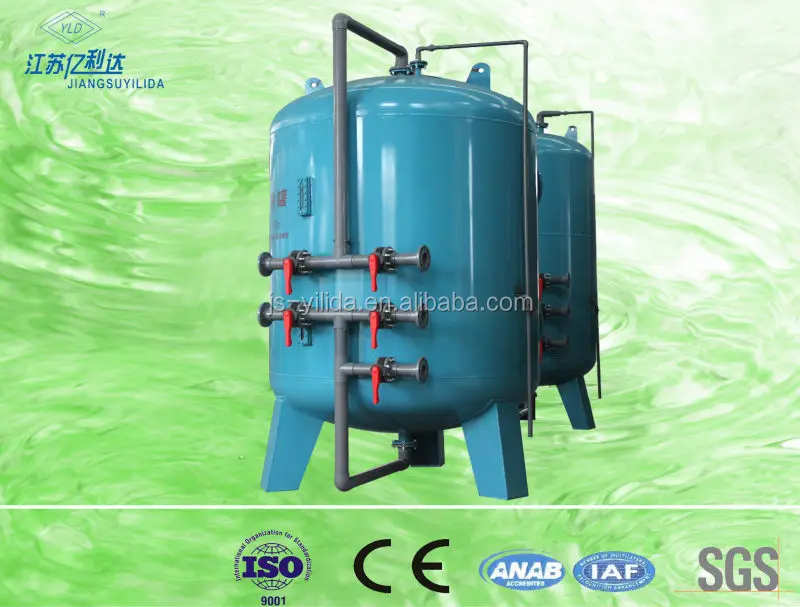
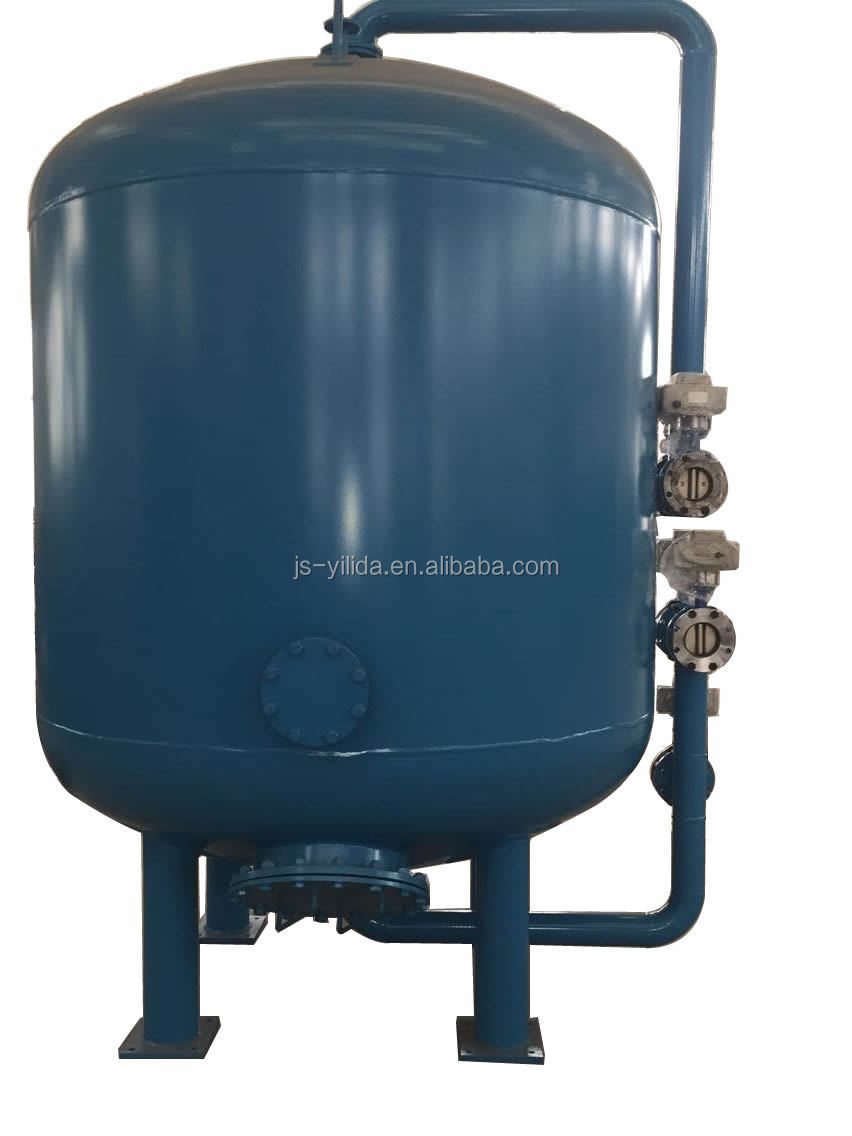
Washable activated carbon filter to remove sulphur dioxide and nitrogen dioxide
- Category: >>>
- Supplier: Jiangsu YLD Water Processing Equipment Co. Ltd.
Share on (60238664907):
Product Overview
Description
Activated Carbon FIlters
Finding an effective filter to reduce or remove odour can be expensive. Especially if you do not know how much odour actually needs to be removed to make the atmosphere more pleasant. Because of this GVS have developed a series of filters capable of dealing with low-level odours that can be fitted to existing HVAC systems without the need for major modifications or compromising the removal of particulates. The Multi-Pack combines a particulate filter with activated carbon. The Rigid-Carb also utilises the same housing but is a solid carbon. To find out more see the Product Overview below.
ACTIVATED CARBON FILTERS: Function
Activated carbon filters provide one of the most effective methods for removing odours and gaseous contaminants. Among their most common uses are in museums and galleries to remove sulphur dioxide, nitrogen dioxide and nitric oxide that cause serious damage to exhibits; kitchen extract systems to remove odours; the printing industry for the removal of ozone; and many industrial processes for both odour and gas removal.
ACTIVATED CARBON FILTERS: Selection & Operation
Activated carbon comes in two forms: base carbon and impregnated carbons. While base carbons are suitable for most applications, impregnation will enhance its ability with respect to certain types of gaseous contaminant. Selection therefore requires notification of the types of contaminant to be removed, along with details on air flow and filter measurements to determine the most appropriate format.
What is granular activated carbon (GAC)?
Granular activated carbon is made from raw organic materials (such as coconut shells or coal) that are high in carbon. Heat, in the absence of oxygen, is used to increase (activate) the surface area of the carbon; this is why these filters are sometimes referred to as “charcoal” filters. The activated carbon removes certain chemicals that are dissolved in water passing through a filter containing GAC by trapping (adsorbing) the chemical in the GAC.
It is very important that the type and concentration of contaminants, and average water use, be known in order to determine the correct size and components of the system. All treatment systems require proper installation and periodic maintenance. Eventually, the ability of the GAC to bind and remove chemicals is used up and the GAC needs to be changed. How often the GAC should be changed needs to be based on contaminant levels and water use. While some filters may last for several years if contaminant levels and/or water use are low, higher levels or use may require more frequent change-outs.
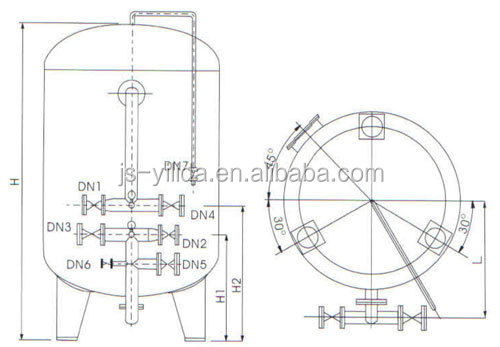
Technical parameters sheet


We Recommend
New Arrivals
New products from manufacturers at wholesale prices