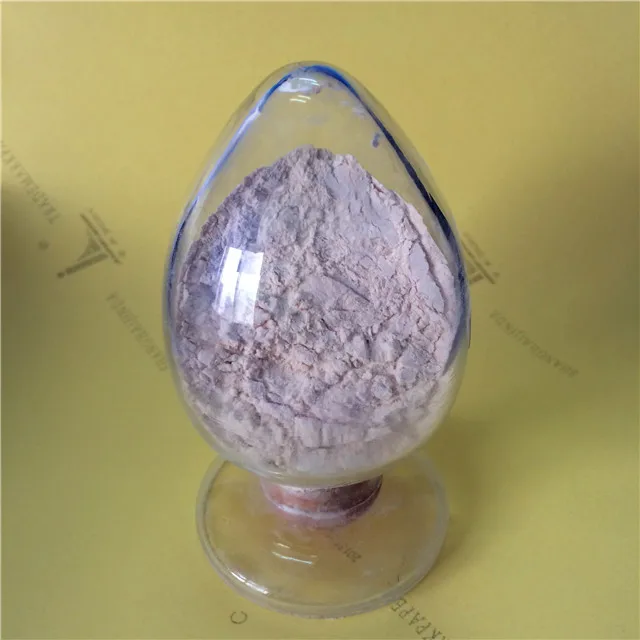


High activity enzyme Catalase for Food Industry
- Category: >>>
- Supplier: Sichuan Habio Bioengineering Co. Ltd.
Share on (60290101378):
Product Overview
Description
Habio Advantages
- Competitive quality and price in the world.
- Specialize in enzymes field for 15 years.
- Marketing in more than 30 countries and areas.
- More than 10 international and national patents .
Habio Catalase Characters
1. To maintain the consistency of color between each batch;
2. Uniform dyeing effect;
3.Reduce water consumption and energy consumptionl;
4. Envionment friendly;
5. Shorten the process time and increase production.
Top Catalase as textile chemicals Specifications
Habio Catalase is developed by Habio with advanced genetic engineering technology efficiently catalyzing hydrogen peroxide.
Habio Top Catalase as textile chemicals
Habio catalase is developed by Habio with modern genetic engineering, microbe fermentation and advanced post-process technology, which can efficiently catalyze hydrogen peroxide (hydrogen peroxide) into oxygen and water, and can be widely used in textile, paper, electronics, food and other industries to remove hydrogen peroxide, a significant saving of water resources and reduce energy consume.
Top Catalase as textile chemicals Definition
One unit (U) of catalase is defined as the quantity of enzyme, which liberates 1μmol hydrogen peroxide per minute at 30℃, pH6.8.
Top Catalase as textile chemicals Characteristics
1. Exclusive microbial fermentation, good stability, high efficiency;
2. A broad temperature range of activity, excellent thermostability and high enzyme activity at 15℃-60℃;
3. A wide pH range of activity. High enzyme activity under pH 3 to 10, adapt to different industries;
4. High purity without impurities, good storage stability, convenient for transportation and storage.
Top Catalase as textile chemicals Functions
1. Textile Industry: to remove hydrogen peroxide after bleaching and before dyeing, saving water, energy and time, not damaging the fibers and dyes, and do not pollute the environment;
2.Papermaking Industry: monitoring and optimizing the amount of hydrogen peroxide in bleaching process, degrading residual hydrogen peroxide after the bleaching;
3. Electronics Industry: to remove hydrogen peroxide after eroding germanium, silicon transistors and semiconductor components; saving water, energy and time;
4. Food Industry: to remove residual hydrogen peroxide after using it as bleacher, oxidation, starch denaturant and preservative in food processing; can be used for eliminating the special odor of hydrogen peroxide caused by ultraviolet irradiation in production of milk, egg products, cheese and other products; also used as leavening agent of baking food;
5. Hydrogen peroxide decomposition also applicable to other industries.
Top Catalase as textile chemicals Specification and Usage
Type | Activity(U/mL) | Usage |
Liquid | 50000 200000 | According to the specific circumstances of each industry (refer to the recommended dosage in Accessory 1), the optimum reaction conditions is 25℃, pH6.8, be compatible with the most commonly used active agents and hydrogen peroxide stabilizers. |
Top Catalase as textile chemicals Storage
30L, 200L, Plastic containers;
Store under sealed, low temperature (4℃) condition for 6 months or room temperature (25℃) for 3 months.
Avoid to be exposed to the sun, rain, high temperature and high humidity.
Top Catalase as textile chemicals Technical Service
Supply catalase formula, activity test and other technical service related to the product to ensure high sufficiency.
Accessory 1
The recommended usage amount of catalase (50000U/mL) for processing 1 ton of different concentrations of H2O2
H2O2 Concentration | Processing Temperature | The needed amount of enzyme for different processing time | ||||
2min Kg | 4min Kg | 6min Kg | 8min Kg | 10min Kg | ||
5000PPM | Room temperature | 2.3~3.4 | 1.1~1.7 | 0.8~1.1 | 0.8~1.1 | 0.6~0.9 |
30℃ | 2.3~3.4 | 1.1~1.7 | 0.8~1.1 | 0.8~1.1 | 0.6~0.9 | |
45℃ | 2.3~3.4 | 1.1~1.7 | 0.8~1.1 | 0.8~1.1 | 0.7~1 | |
60℃ | 2.3~3.4 | 1.5~2.3 | 1.5~2.3 | 1.1~1.7 | 1.1~1.7 | |
1000PPM | Room temperature | 0.9~1.3 | 0.6~0.9 | 0.4~0.6 | 0.3~0.4 | 0.2~0.3 |
30℃ | 0.9~1.3 | 0.6~0.9 | 0.4~0.6 | 0.3~0.4 | 0.2~0.3 | |
45℃ | 1.1~1.7 | 0.6~0.9 | 0.4~0.6 | 0.3~0.4 | 0.3~0.4 | |
60℃ | 1.1~1.7 | 0.8~1.1 | 0.6~0.9 | 0.4~0.6 | 0.4~0.6 | |
500PPM | Room temperature | 0.8~1.1 | 0.6~0.9 | 0.4~0.6 | 0.2~0.3 | 0.2~0.24 |
30℃ | 0.8~1.1 | 0.6~0.9 | 0.4~0.6 | 0.2~0.3 | 0.2~0.24 | |
45℃ | 0.8~1.1 | 0.6~0.9 | 0.4~0.6 | 0.2~0.3 | 0.2~0.24 | |
60℃ | 0.9~1.3 | 0.8~1.1 | 0.6~0.9 | 0.3~0.4 | 0.2~0.3 | |
100PPM | Room temperature | 0.4~0.6 | 0.2~0.3 | 0.2~0.24 | 0.15~0.2 | 0.15~0.2 |
30℃ | 0.4~0.6 | 0.2~0.3 | 0.2~0.24 | 0.15~0.2 | 0.15~0.2 | |
45℃ | 0.4~0.6 | 0.2~0.3 | 0.2~0.24 | 0.15~0.2 | 0.15~0.2 | |
60℃ | 0.6~0.9 | 0.3~0.4 | 0.2~0.3 | 0.2~0.22 | 0.2~0.22 | |
50PPM | Room temperature | 0.15~0.2 | 0.15~0.2 | 0.1~0.15 | 0.1~0.15 | 0.05~0.10 |
30℃ | 0.15~0.2 | 0.15~0.2 | 0.1~0.15 | 0.1~0.15 | 0.05~0.10 | |
45℃ | 0.15~0.2 | 0.15~0.2 | 0.1~0.15 | 0.1~0.15 | 0.05~0.10 | |
60℃ | 0.2~0.22 | 0.2~0.22 | 0.15~0.2 | 0.15~0.2 | 0.10~0.15 | |

We Recommend
New Arrivals
New products from manufacturers at wholesale prices