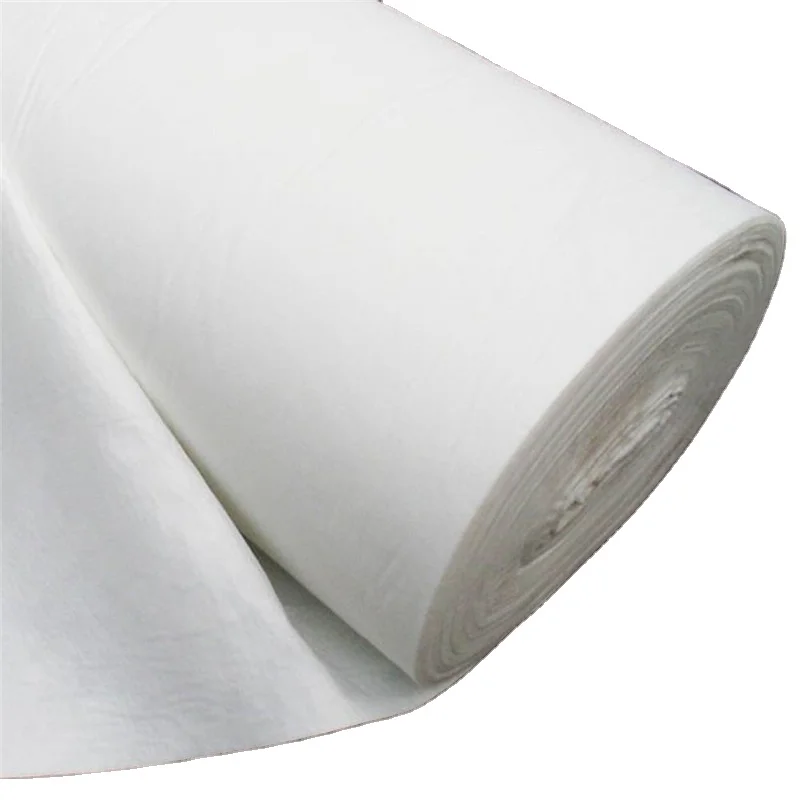
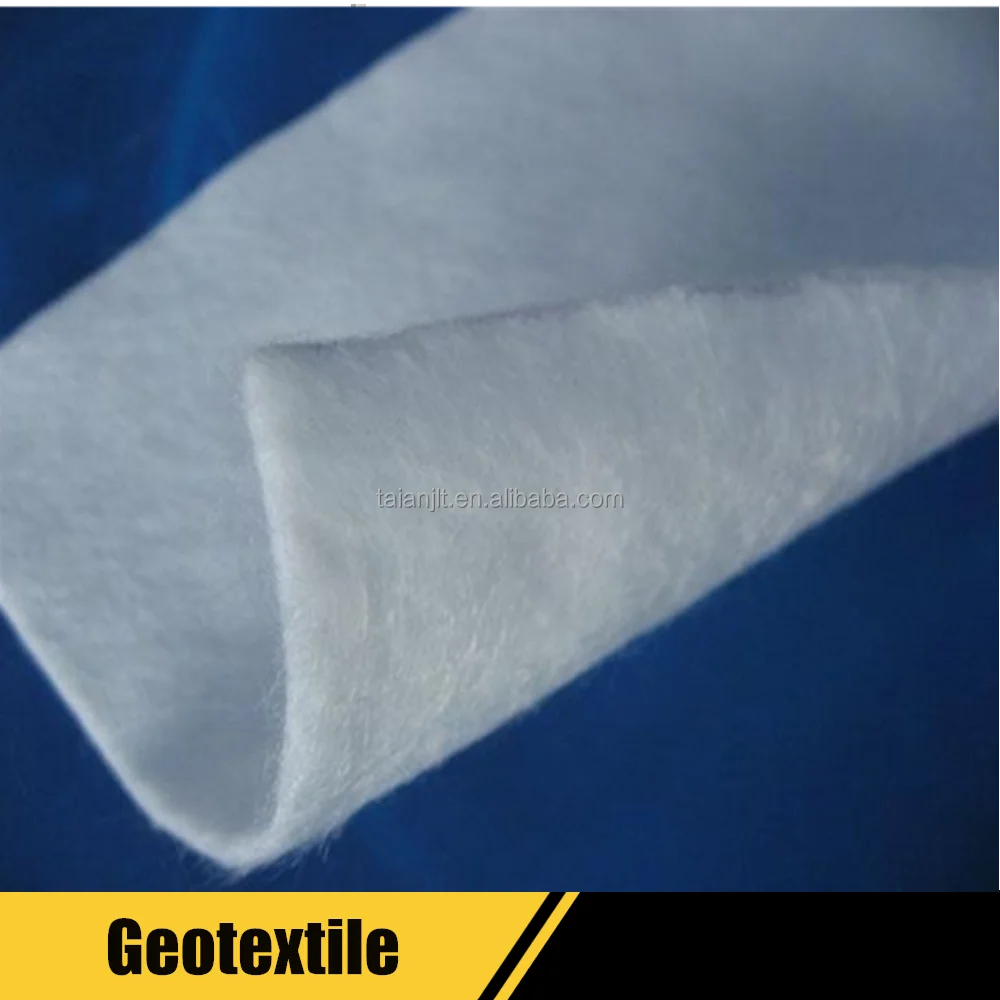
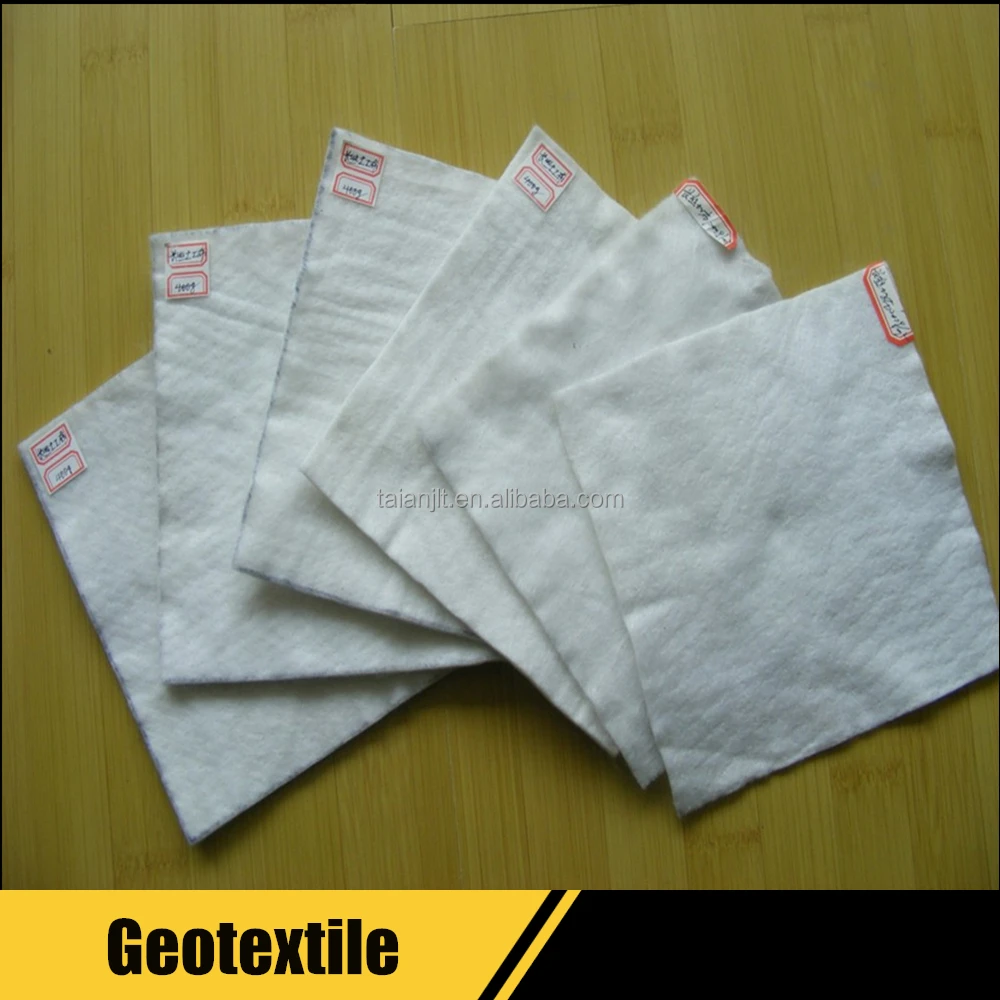
Нетканый полиэфирный штапельный фильтр, ткань, геотекстиль, цена
- Category: Interlining Fabric >>>
- Supplier: The Best Project Material Co. Ltd.
Share on (60306514261):
Product Overview
Description
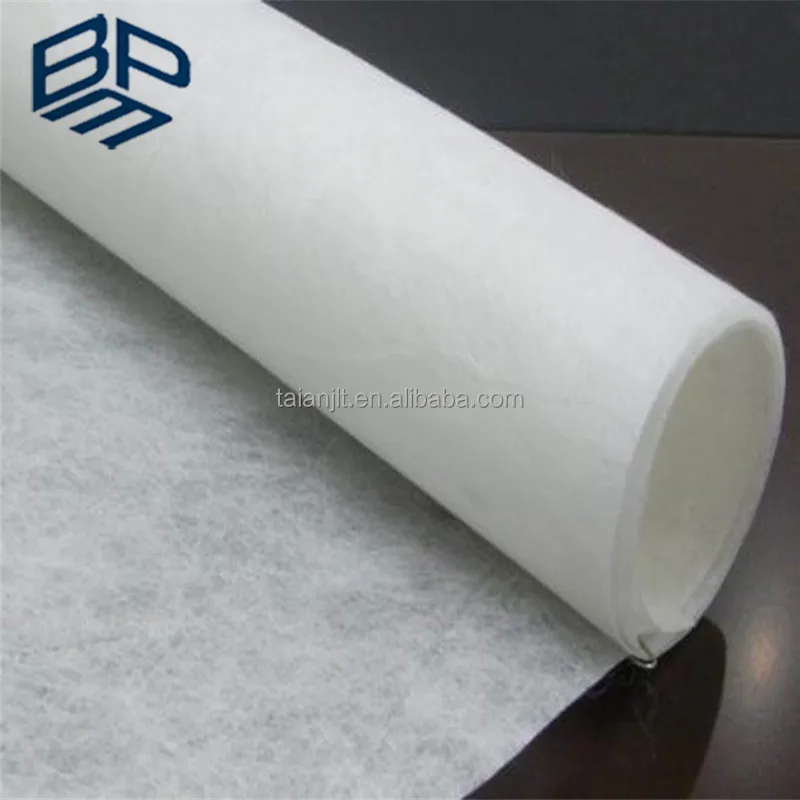
Non woven Polyester Staple Fiber Filter Fabric Geotextile Price
| raw material | PET continuous filament fabric /PET staple fiber fabric |
| color | white/black/grey or as your request |
| gsm | 100g/m2 to 800g/m2 |
| roll size | width(2m to 6m),length(50m to 200m) |
| process | spun-bonded or heat-set |
| packing | PP woven plastic bags |
| project | road construction,geomembrane protection,river bank erosion control,etc. |
Features
high elongation
high tensile strength
excellent permeablity
durable CBR puncture resistance and UV stabilized
Function
Seperation,Filteration,Reinforcement,Protection,Drainage

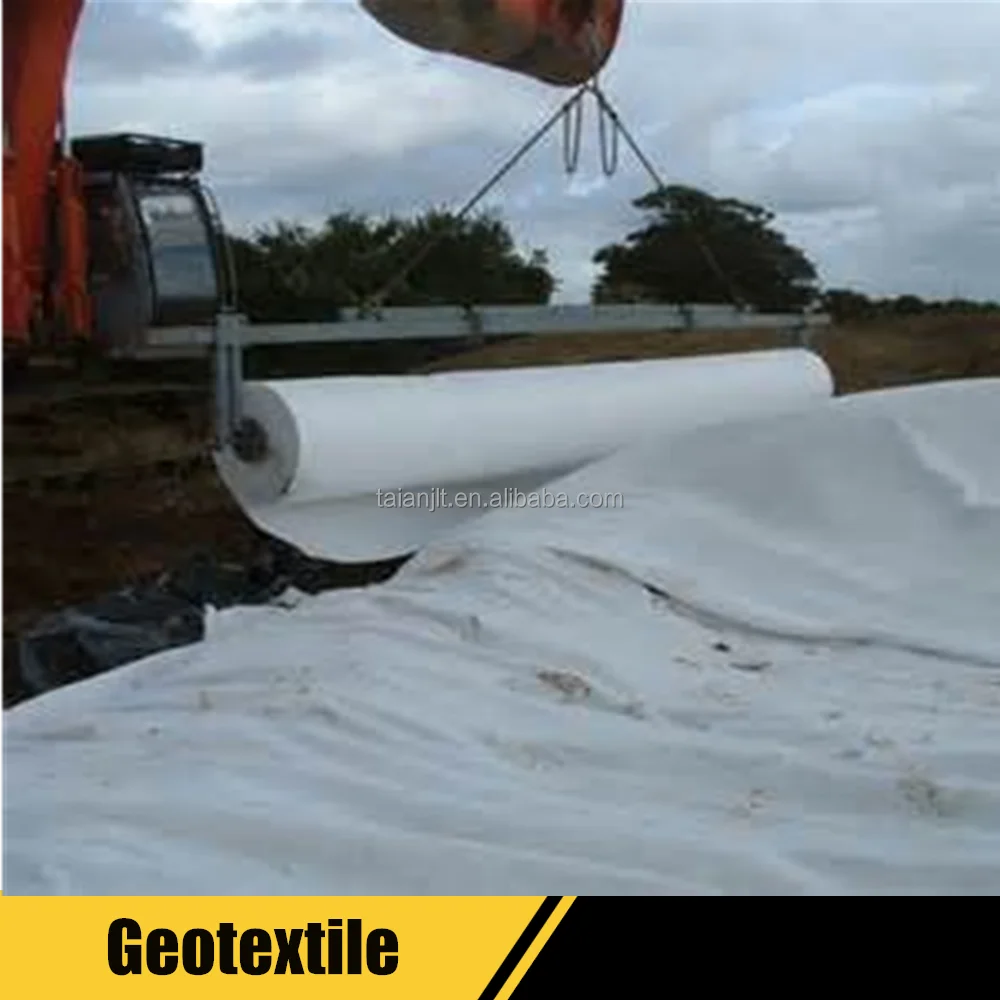
Ability on the construction site
 Applicaition on the project Site
The nonwoven geotextile are usually used together with geomembrane,geonets or geocell as the geocomposites.It is often laid above the geomembrane to protect the geomembrane from surrounding damage.
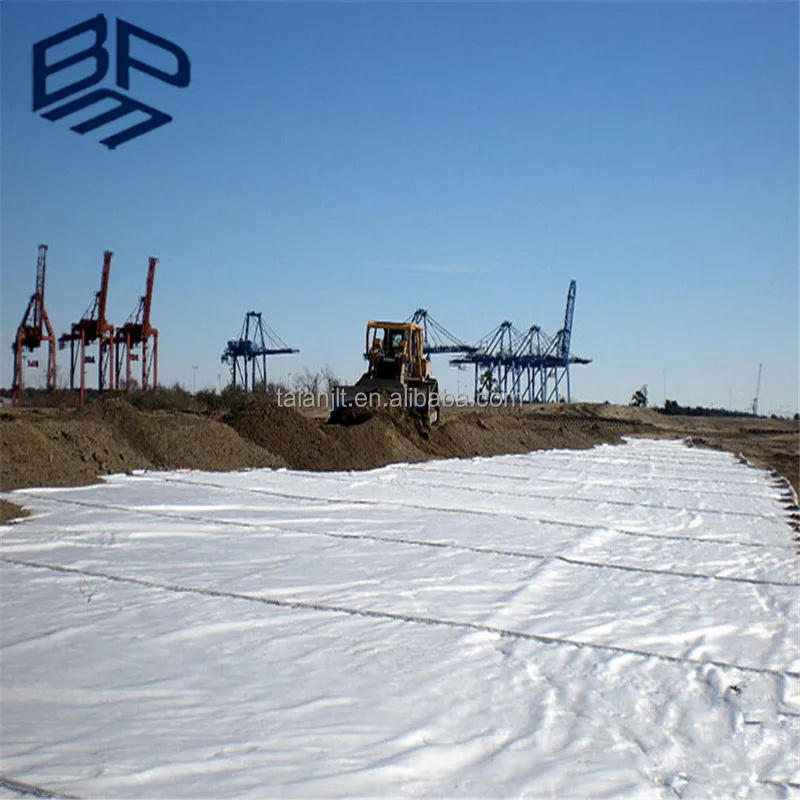
All have a wide range of applications and are currently used to advantage in many civil engineering applications including roads,airfields,railroads,embankments,retaining structures,reservoirs,canals,dams,bank protection and coastal engineering.

geotextile used to reinforce the roadbed

geotextile used to be laid beneath the geomembrane and protect it from damage and used on the river embankement
Technical Properties

geotextile install
Geotextile Installation
Below you find the general installation instructions for the geotextile fabrics. Installation requirements and methods may vary depending on the specifications/plans of your location.
STEP 1: Prepare the install area. Standard preparation involves a process of removing stumps, stones or sharp objects that may be able to penetrate the area. For roadways, vegetation, roots, weeds and topsoil may also need to be removed.
STEP 2: Smooth and level the location. If there is especially soft soil in the area, soil may need to be removed and/or replaced with a higher grade material.
STEP 3: Place the geotextile fabric in the installation area. Fabric should be laid out according to specific plans or site recommendations. Fabric should be stretched until it is as flat and as tight as possible. Each fabric should be overlapped according to site instructions. If no instructions exist, a minimum of 12’’ to 18’’ is recommended.
STEP 4: Secure the fabric with staples, pins, soil or other heavy materials. Fabric should be secured along the edges and then again on overlapping portions of material.
STEP 5: Place aggregate and/or other backfill on top of the fabric. Aggregate should be backfilled as required for your project. Aggregate lifts should be at least 6’’ thick.
Increased thickness may be required for softer subgrades.
Container loading


We Recommend


Polypropylene Non Woven Fabric Plants Protection Cover/Bag
US $0.50-$0.80

Cheap Pp Spanbond Nonwoven Fabrics Price
US $1.00-$2.00
New Arrivals
New products from manufacturers at wholesale prices