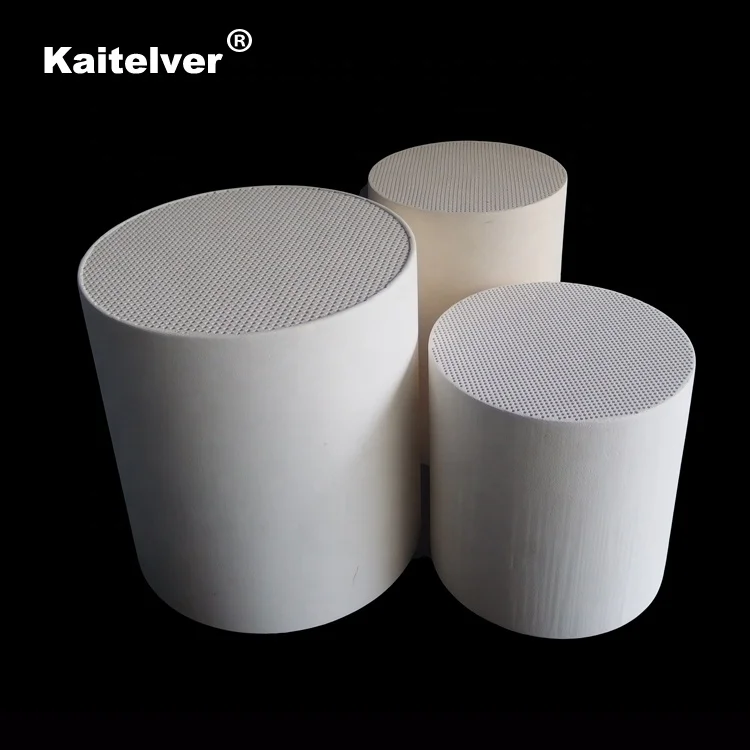
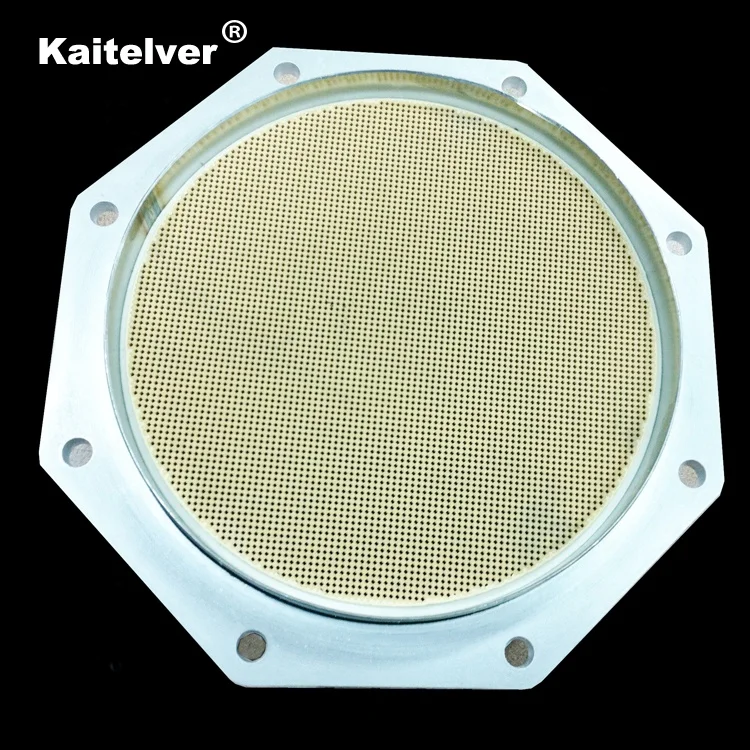
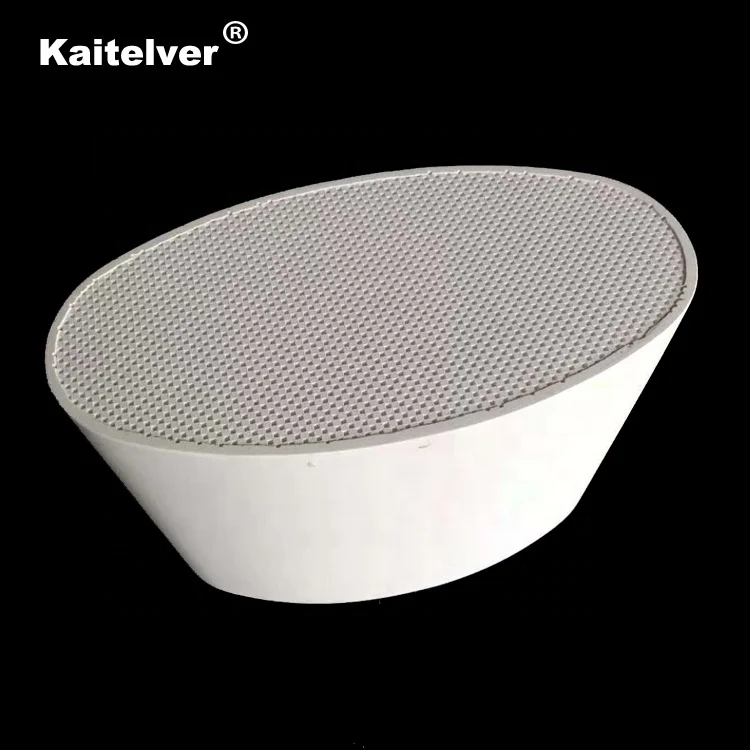
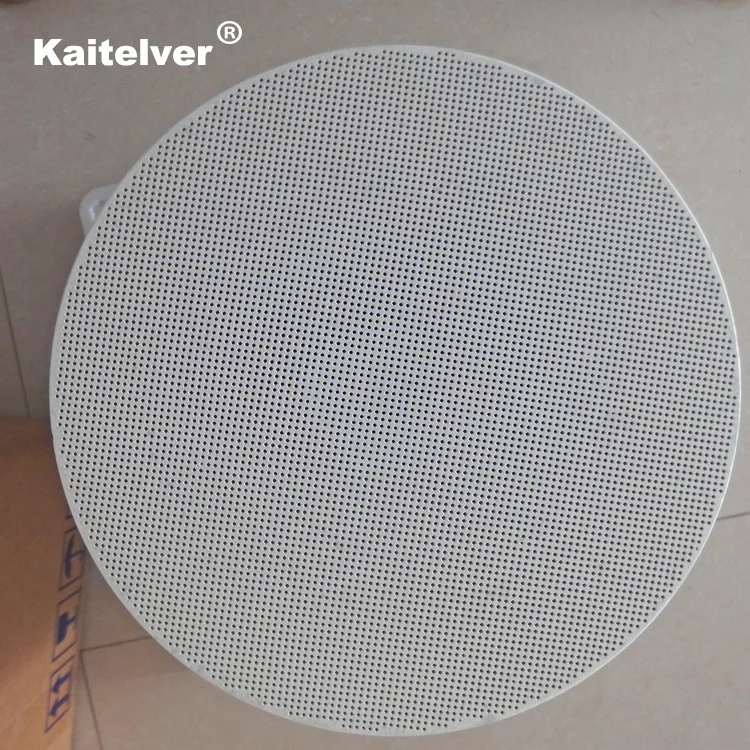
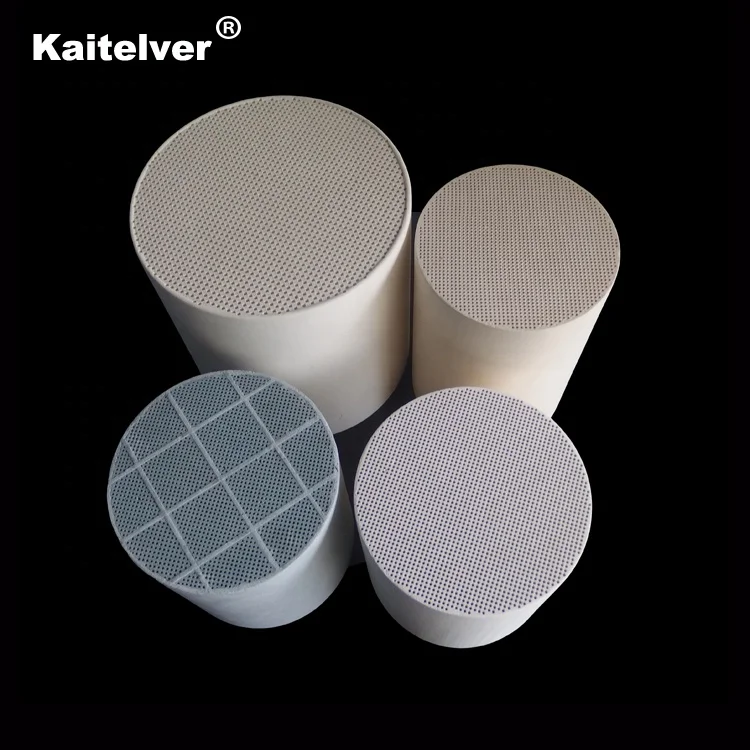
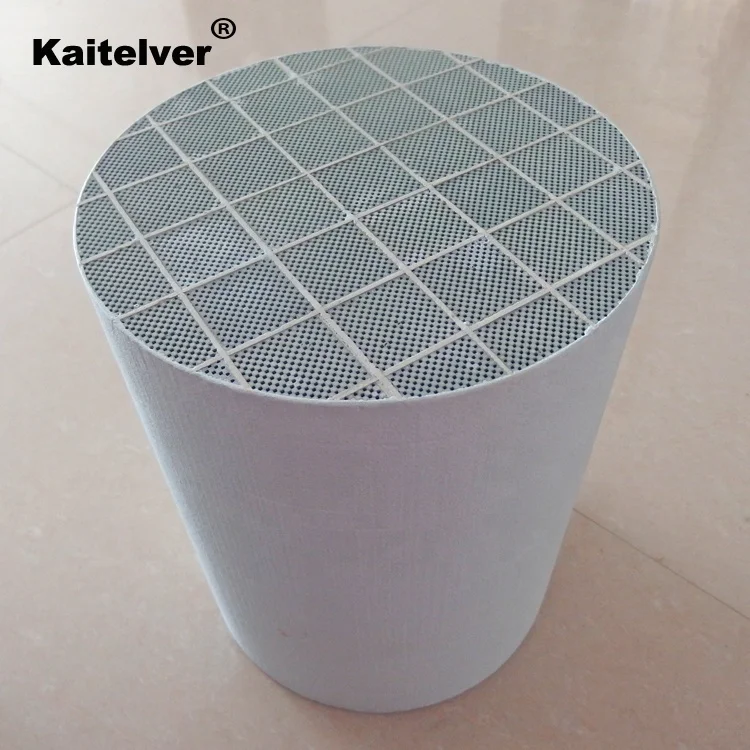
Ceramic honeycomb monolith cordierite diesel particulate filter silicon carbide Sic DPF for diesel black smoke purify
- Category: >>>
- Supplier: Beihai Kaite Chemical Packing Co. Ltd.
Share on (60424328137):
Product Overview
Description
Product Description
Diesel Particulate Filter (DPF)
Diesel particulate filter (DPF) is also called wall flow filter. Spreading with catalyst layer is called CDPF (catalytic DPF).
The filtration material researched and used at present is of three types: ceramic, metallic and composite based. The common types are ceramic based (cordierite or silicon carbide) and metallic based (stainless steel wire mesh) diesel particulate filter.
The main composition of tail gas discharge from diesel is carbon particulates. Diesel particulate filter is a setting to reduce emission granule by filtrating which is set in exhaust system in diesel. Its efficiency for carbon particulates filtration is more than 90%. Part of dissoluble organic composition (SOF) (especially high boiling point) may be trapped.
Working Principle
Plugging up two ends of porous beehive ceramic in turns to filtrate PM by ceramic wall.
DPF Regeneration
Burn the particulates by rising the gas temperature in filter to filtrate PM which piled in the filter so as to guarantee the function of filter. The character of particulates in exhaust gas of diesel relates to concentration of oxygen. It will burn in temperature of 550-650°C.
Advantage of DPF
1. Low pressure drop.
2. Lowcoefficient of thermal expansion.
3. Good thermal shock resistance.
4. High temperature resistance, good resistance to chemical corrosion.
5. High porosity, pore size distribution uniform, high filter specific surface area.
6. Long-term durability performance.
7. High particulate trapping efficiency, suitable for all kinds of regeneration.
Diesel particulate filter is suitable for exhaust gas purification of various kinds of diesel vehicles and ships.
If you want know more things about the DPF, please contact us directly, I will do my best to service for you.
Cordierite Diesel Particulate Filter(DPF)
The most common filter is made of cordierite. Cordierite filters provide excellent filtration efficiency, are relatively inexpensive (comparison with Sic wall flow filter). The major drawback is that cordierite has a relatively low melting point.
Physical & Chemical Properties of Cordierite Diesel Particulate Filter
Property (Uncatalyzed) | Technical index | ||
100/17 | 200/12 | ||
Physical Properties | Cell density | 100 CPSI | 200 CPSI |
15.5 CPSCM | 31.0 CPSCM | ||
Wall thickness | 0.017 Inch | 0.012 Inch | |
0.432 mm | 0.305 mm | ||
Open frontal area (OFA) | 34.5% | 34.5% | |
Geometric surface area (GSA) | 33.3 Inch2/L | 47.0 Inch2/L | |
1.31 m2/L | 1.85 m2/L | ||
Hydraulic diameter | 0.083 Inch | 0.059 Inch | |
2.11 mm | 1.49 mm | ||
Modulus of rupture | 350 PSI/CPSCM | 300 PSI/CPSCM | |
Apparent porosity | ≥50% | ≥50% | |
Coefficient of thermal expansion (20-800°C) | ≤1.2×10⁻⁶/°C | ≤1.2×10⁻⁶/°C | |
Compression strength in normal temperature | ≥10Mpa | ≥10Mpa | |
Mean pore size | 13 Micron | 13 Micron | |
Melting temperature | ≥1400°C | 1400°C | |
Soot-filtration efficiency | ≥95% | ≥95% | |
Chemical Composition | SiO2 | 50.9±1% | |
AL2O3 | 35.2±1% | ||
MgO | 13.9±1% | ||

Silicon Carbide Diesel Particulate Filter(DPF)
Silicon carbide diesel particulate filters (Sic wall flow filters) have a higher melting point and filtration efficiency (can be up to 95%) than cordierite, they are usually more expensive than cordierite wall flow filters.
Technical data of Sic Diesel Particulate Filter
Item | Units | Technical Index |
SiC Content | % | >90 |
Cell density | CPSI | 200/300 |
Wall thickness | mm | 0.35-0.41/0.25-0.31 |
Cell Length | mm | 1.2-1.45 |
Apparent Porosity | % | 42-60 |
Median Pore Size | μm | 12-20 |
Transverse Compression Strength | Mpa | >2.3 |
Vertical Compression Strength | Mpa | 10-18 |
Coefficient of thermal expansion (40-800°C) | 10-6/°C | 4.3-4.4 |
Thermal Conductivity ( 500°C) | W/mK | 14-22 |
Capture Rate | % | >95 |
Bulk Density | Kg/L | 0.8 |
Filter Area | m2/L | 0.75 |
Softening Temperature | °C | 1400 |

Product Show


Production Line

Packaging & Shipping

Contact Us

We Recommend
New Arrivals
New products from manufacturers at wholesale prices