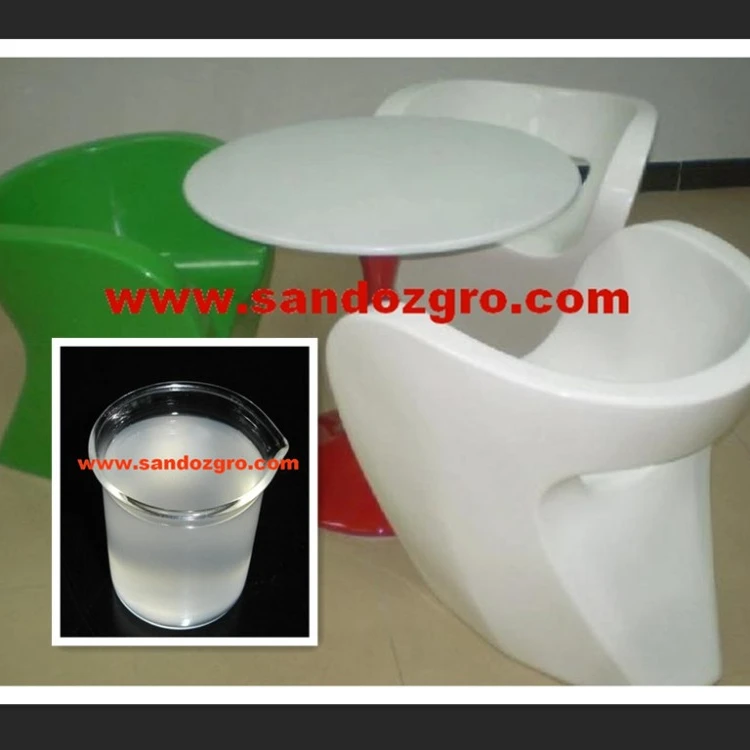
Mold Release agent for fiberglass
- Category: >>>
- Supplier: Shenzhen Nanshan District Magaoding Chemical Material Factory
Share on (60439571219):
Product Overview
Description
General Product Information
SAN-FP06 release agent is a water and alcohol-based polyvinyl alcohol (PVA) coating comprised of water-soluble, film forming materials. The dry PVA film is resistant to the solvents in the resin system used to make composites parts but is soluble in water. It is particularly recommended as a parting agent for separation between polyester or epoxy resins and various mold surfaces but may be used with most thermoset resins. PVA Release Film is not recommended for use with resin or substrates containing water or giving off water during cure.
PVA Release Film parts easily from mold surface and is readily dissolved from molded parts and spray equipment with water. For most composite casting processes PVA Release Film is used over wax or other mold release agents.
Directions for Use
SAN-FP06 release agent is ready to use as received and should not be diluted. Preferred application is with a spraygun. Good results may be obtained with a sponge applicator or paint brush or by dipping substrate and draining excess PVA. Recommended air pressure with HVLP spraygun is 22 - 24 PSI (1.5 - 1.7 BAR) at the gun. When using a traditional spraygun adjust air pressure to 60 - 90 PSI (4 - 6 BAR). Normal gun to substrate spraying distance is 12 -18 inches (30 - 45 cm). On new or unseasoned polyester or vinylester molds, apply multiple coats of PVA Release Film to surface and allow each coat to dry completely before proceeding.
ine-height:146%;" >PVA Release Film parts easily from mold surface and is readily dissolved from molded parts and spray equipment with water. For most composite casting processes PVA Release Film is used over wax or other mold release agents.
Glass fiber release agent,alcohol-based polyvinyl alcohol (PVA) based, should be used with Wax for the easy release of parts from a mold. Wax should be applied to the mold, 3–4 layers thick, and buffed to a high gloss. Once the final layer of wax has dried, PVA should be applied with the following considerations:
Glass fiber release agent can be brushed on or spray on, but for best results, apply with a spray gun, 12–18 inches away from substrate.
Generally, apply in three layers: the first, a thin mist, allowing 10-15 minutes to dry completely. Then apply two heavier flow coats, allowing each to dry completely (30-45 minutes each).
PVA should form a smooth, glossy surface that will not shrink or pull away from corners or curved surfaces.
It may be applied over polyester repairs, or gel coat, as a surface layer for airless tack-free cure.
As a dry film, PVA is resistant to the solvents in a resin system, but is water soluble. PLEASE NOTE: It should not be used with resin or substrate that contains—or produces—water during cure.
When creating parts from molds—or even molds themselves—applying a release agent is an important step in the process. Mold release agents serve two basic purposes:
Mold releases act as a parting agent between layers of resin and the mold surface, so that cured parts can be removed without damaging the part or the mold.
When applied properly, mold releases help create a durable, high-gloss surface finish for finished parts.
Mold Releases help to preserve the integrity of your part and avoid damage to both the part and mold. The effort required to apply a quality release agent during preparation far outweighs the hours spent correcting damage later.
One gallon covers approximately 400 square feet.



We Recommend
New Arrivals
New products from manufacturers at wholesale prices