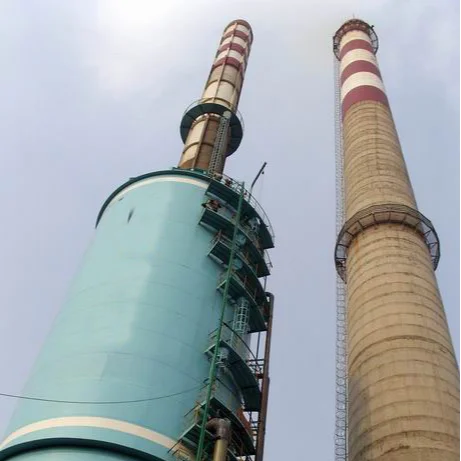
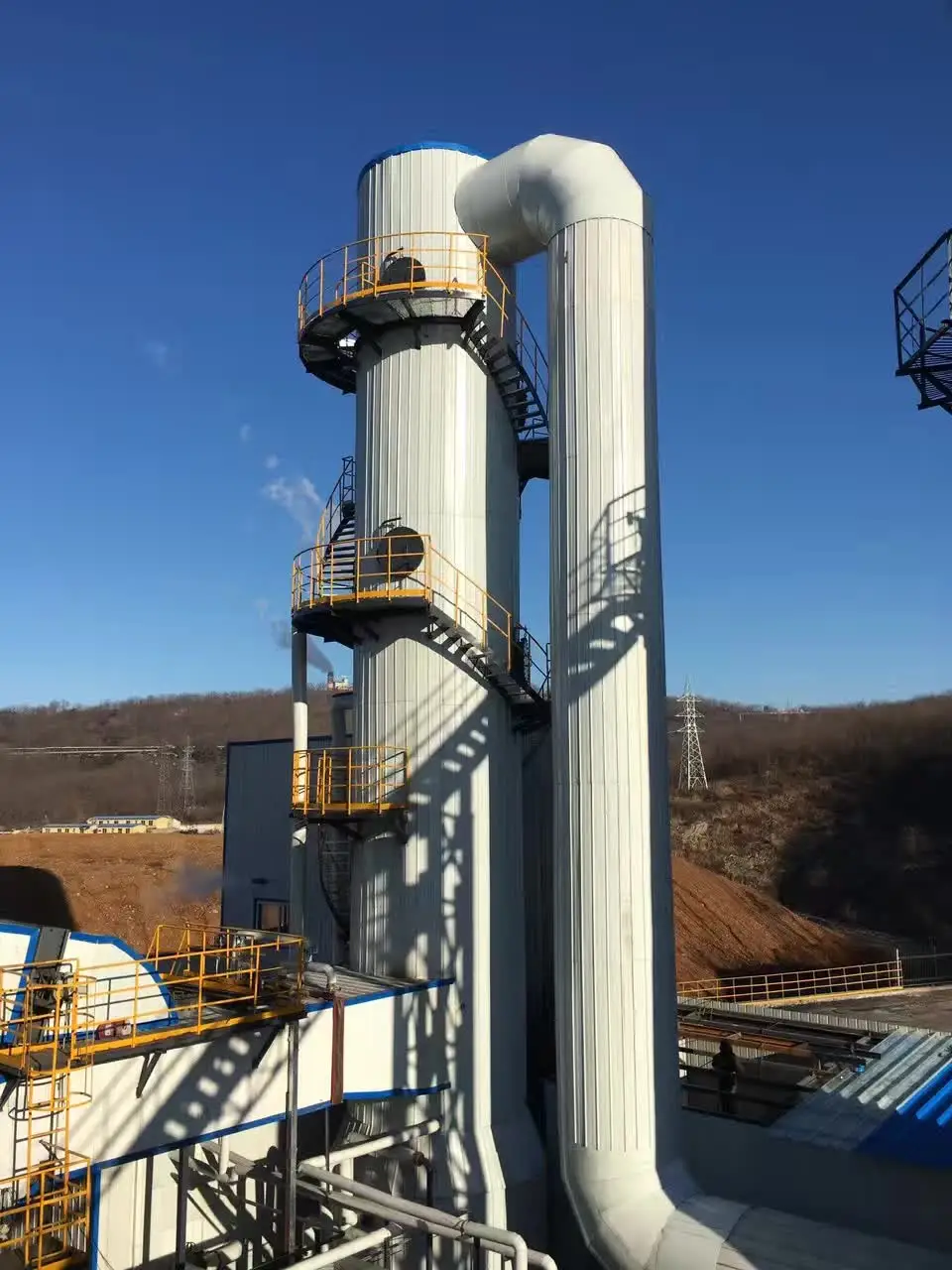
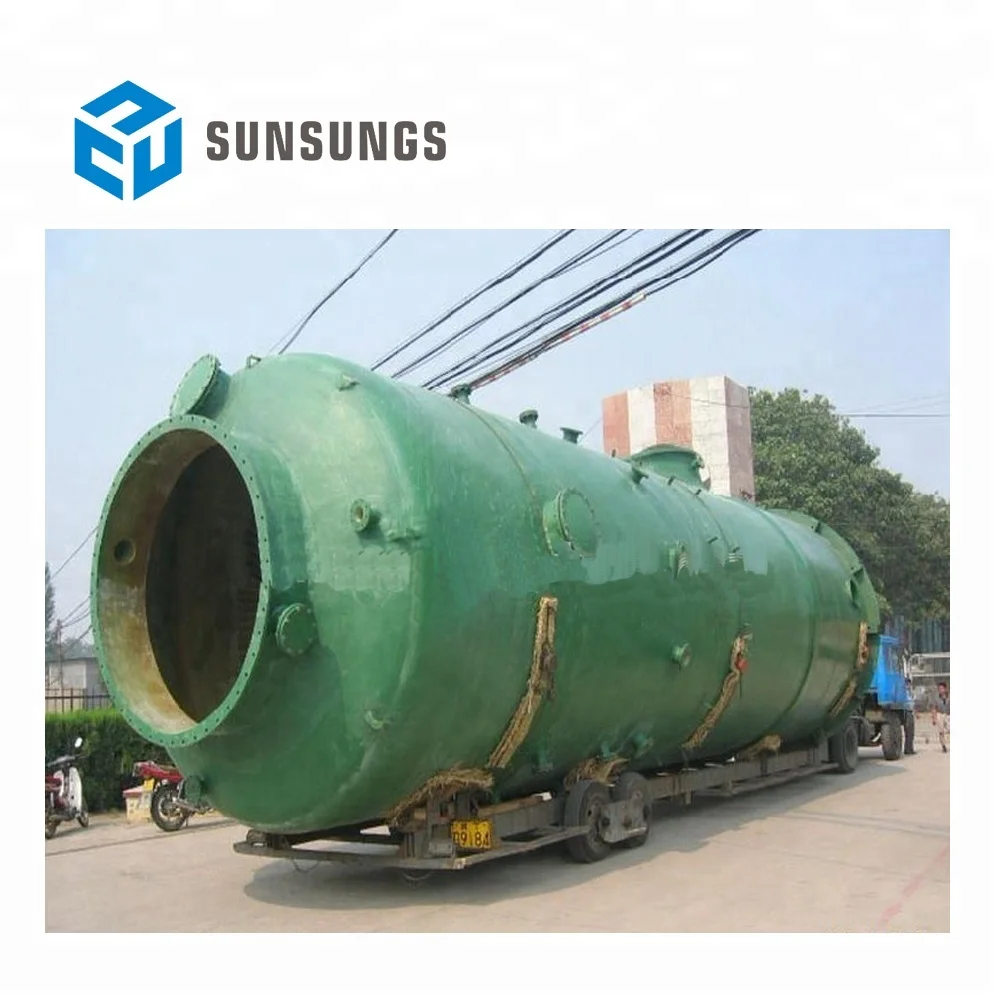
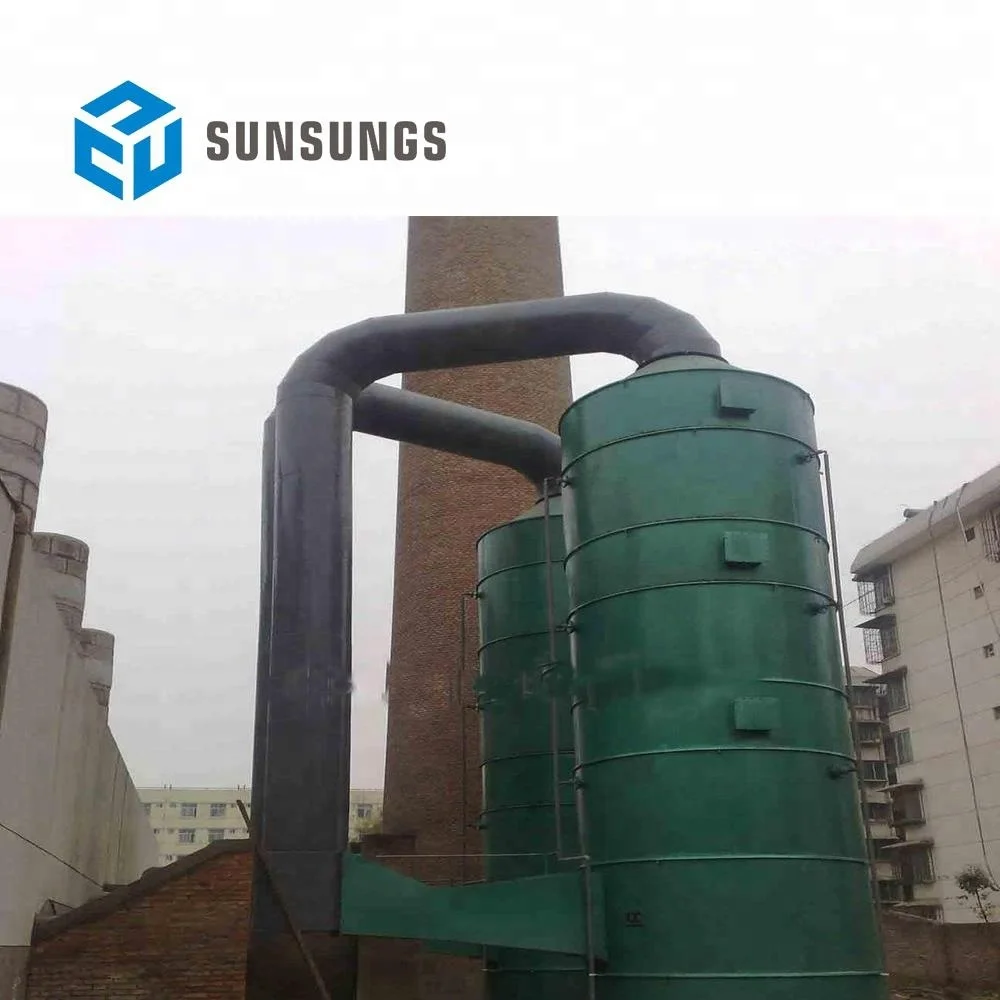
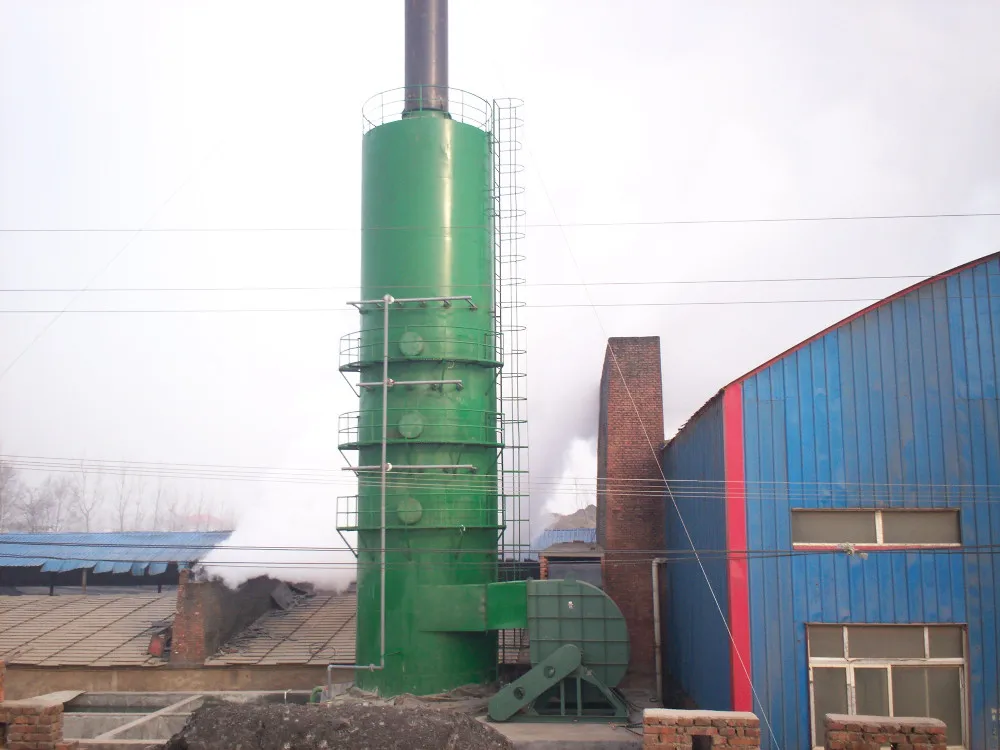
acid gases SO2 , HCL, NOx wet gas scrubbing system
Product Description
Ammonia desulfurization technology is the use of liquid ammonia or ammonia, removing SO2 in flue gas, the generation of high-quality ammonium sulfate [(NH4) 2SO4]. The technique is especially suitable for combustion of cheap high sulfur fuel gas SO2 removal in large-scale thermal power generating units and chemical companies, in the use of waste ammonia desulfurization, resulting in high quality, high purity ammonium sulfate, has gradually become a large flue gas desulfurization project of circular economy comprehensive utilization of mainstream technology.
Technical Parameters of wet gas scrubbing system :
The advantages of wet gas scrubbing system :
1. Technical maturity: the only ammonia flue gas desulfurization technology in the use of 500 thousand KW grade flue gas volume.
2. Desulfurization tower is not easy to scale.
3. Fuel sulfur range adaptable, especially high sulfur coal, high sulfur crude oil, high sulfur petroleum coke desulfurization, no secondary pollution.
4. By-product of ammonia sulfate, a wide range of uses.
5. The escape rate of NH3 is low, ≤10ppm.
6. The desulfurization efficiency is high, can easily reach the high desulfurization efficiency, generally greater than 95%
7. System is simple.
8. Equipment is small in size.
9. Absorbent utilization rate is high.
10. Turning waste into treasure, the sale of by-products obtained good economic benefits.
1. 50MW and above the medium and large new or transformation unit.
2. Desulfurization of city gas.
3. Fuel sulfur content of 0.5 to 5% or above.
4. Oil refining unit desulfurization.
5. Required desulfurization efficiency is more than 95%.
6. Fertilizer plant with production of synthetic ammonia in the surrounding area of the device.
7. Saline alkali area power plants.
3 Flue Gas Desulfurization(FGD) Technologies:
1. Wet limestone-gypsum FGD technology:
Lime/limestone-gypsum flue gas desulfurization is the basic principle of using lime and limestone slurry to absorb the SO2 in flue gas, reaction calcium sulfite, then put the oxidation of calcium sulfite to calcium sulfate.The by-product gypsum can abandon also can be recycled.
Reaction principle:
The absorption process in the absorption tower, main reactions are as follows:
Lime slurry with absorbent:Ca(OH)2+SO2-CaSO3 · 1/2H2O
The limestone slurry sorbent:Ca(OH)2+1/2SO2-CaSO3 · 1/2H2O+CO2
CaSO3 · 1/2H2O+CO2+1/2HO2-Ca(HSO3)2
Because the smoke contains oxygen, it will also occur the following side effects:
2CaSO3 · 1/2H2O+O2+3H2O-2CaSO4 · 2H2O
Oxidation process in the oxidation tower, main reactions are as follows:
2CaSO3 · 1/2H2O+O2+3H2O-2CaSO4 · 2H2O
Ca(HSO3)2+1/2O2+H2O-CaSO4 · H2O+SO2
Advantages:
Technology is mature, higher reliability, wide application. Carbon desulfurization rate can reach more than 95%, able to adapt to the large capacity units, high concentration of sulfur dioxide flue gas desulfurization, absorbent is cheap, and can produce has the commercial value of comprehensive utilization of by-product gypsum.
2. Dual alkali FGD:
Introduction:
Sodium and calcium double alkaline sodium based desulfurizer is adopted to the tower of desulfurization, desulfurization products after reduction regeneration by Ca (OH) 2, regenerate the absorbent can recycle process.Due to strong alkaline sodium based desulfurizer, absorb carbon dioxide after reaction product solubility, won't cause too full dirty jams, crystallization and equipment problems.Double alkaline desulfurization process reduces the investment and operation cost, is suitable for middle and small boiler, furnace desulfurization renovation.
Reaction principle:
2NaOH+SO2--Na2SO3+H2O
Na2SO3+SO2+H2O--2NaHSO3
Ca(OH)2+Na2SO3--2NaOH+CaSO3
Ca(OH)2+2Na2SO3--Na2SO3+CaSO3 · 1/2H2O+1/2H2O
Because the smoke contains oxygen, it will also occur the following side effects:
Ca(OH)2+Na2SO3+1/2O2+2H2O--2NaOH+CaSO4 · H2O
Removal of sulphur in the form of calcium sulfite and calcium sulfate precipitation, then pump into the gypsum dehydration processing system or directly pile or abandoned. Regeneration of NaOH.
Process description:
The flue gas from boiler and furnace after decontamination, from the bottom into the desulfurization tower. And SO2 in flue gas from the top of the tower under the spray of alkali absorb, reaction in the tower.After desulphurization washing after dividing net flue gas sulfur precipitation in the form of calcium sulfite and calcium sulfate, then pump into the gypsum dehydration processing system or directly pile or abandoned.Regeneration of NaOH.
3. Ammonia FGD:
Introduction:
Ammonia desulfurization technology is the use of ammonia or ammonia to remove flue gas SO2, while generating high quality ammonium sulfate [(NH4) 2SO4]. This technology is particularly suitable for large-scale thermal power generating units and chemical companies combustion exhaust gas SO2 removal cheap high sulfur fuel in use, while the waste ammonia desulfurization, produce high-quality, high-purity ammonium sulfate, and gradually become a large loop flue gas desulfurization project economic utilization of mainstream technology.
Reaction principle:
FGD process involves two basic chemical reaction process:
Absorption: SO2 absorption generated as sulfite
Oxidation: sulfite oxidized to sulfate.
Ammonia desulfurization reaction of an aqueous solution of SO2 and NH3 on the basis of:
Oxidation: (NH4) XH2- XSO3 + 1 / 2O2 + (2- X) NH3 = (NH4) 2SO4 (ammonium sulfate) This is a recovery process, which obviously features are: no secondary waste, waste water and air pollution; maximizing recycling SO2, production of ammonium sulfate to achieve SO2 recovery value.
SNCR denitration technology:
Introduction
SNCR means selective non-catalytic reduction denitration technology, that is adopt NH3 \ uric and other reducing agent injected into the furnace temperature of 850-1100 ℃ area, reducing agents are rapidly thermal decomposed into NH3 and NOX and selected reaction with the NOX in the flue gas, NOX is reduced as N2 and H2O, this method is based on a stove or furnace reactor, the process is simple and easy to operate.
Reaction principle
4NO + 4NH3 + O2→ 4N2 + 6H2O
4NH3 + 2NO + 2O2→ 3N2 + 6H2O
6NO2 + 8NH3→ 7N2 + 12H20
The chemical reactions efficiency that SNCR reduction NO depends on of NO flue gas temperature, residence time at high temperature, including the type and quantity reducing agent injection , the mixing efficiency and the content of NOX in the ammonia compound and the like.
Technical process
SNCR system includes six parts: storage and transportation of dry uric acid, urea solution storage preparation system, circulatory system, SNCR dilution and measurement systems, distribution systems, injection systems and PCL control systems.
Purchased finished urea under the action of heat and mechanical stirring at the same time to dissolve a 50% solution of uric acid, 50% solution of uric acid solution then formulated about 5-10% urea solution by dilution module , into the furnace reaction by the injection module.
How about the quality of our machine?Our machine manufactured strictly according to national and international standard.We take a test on every machine before delivery.
How about price of machine?
We can give the lowest price than market one.
We do quotation of machine as soon as possible for any customer. Discount of machine can be given according to quantity.
How about the after-sale service of your company? Our engineer is available to installation machine overseas. The guarantee period of our machine is one year. Spare parts will supply at any time.