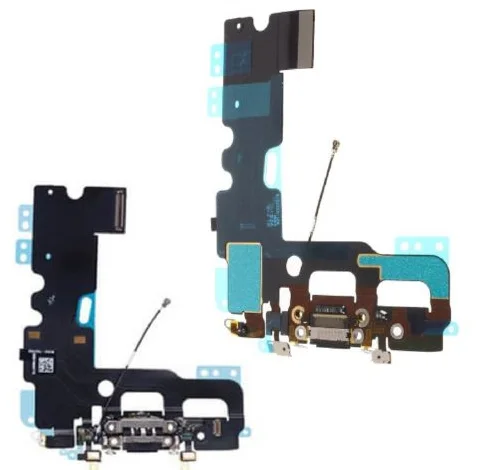
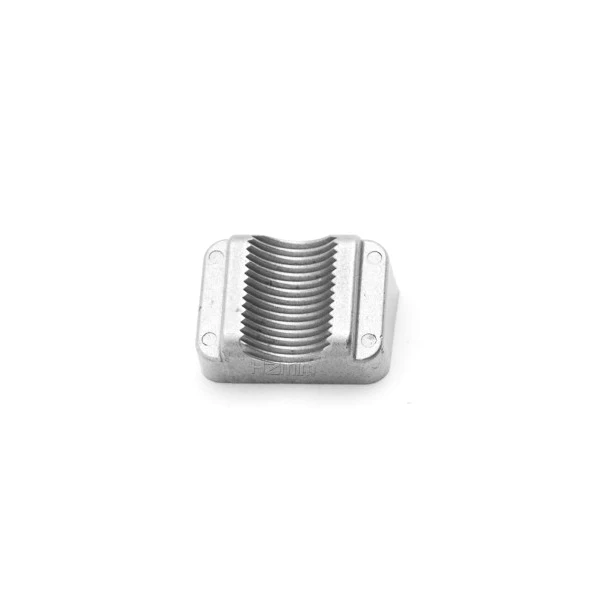
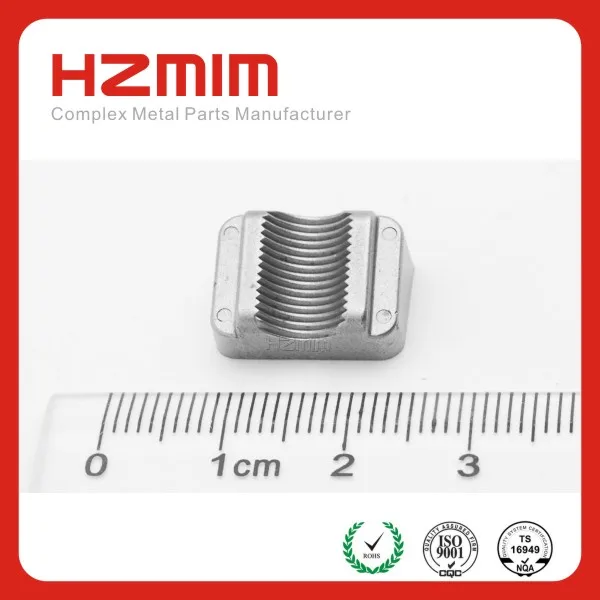
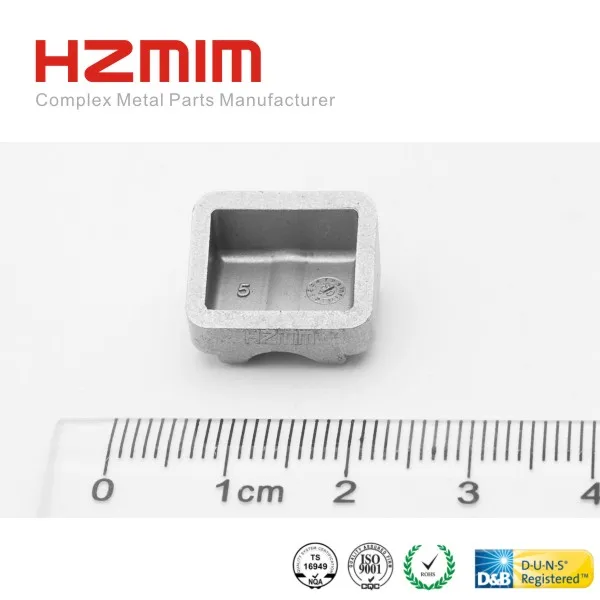
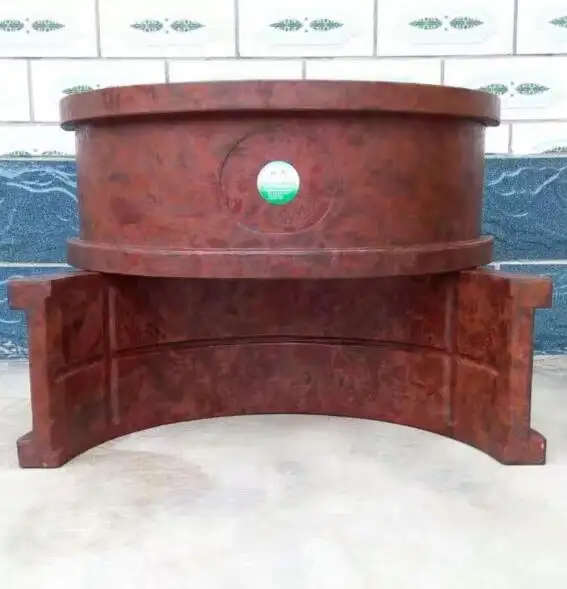
For five flavors soft serve ice cream machine reducer, gear box
US $99.00-$118.00
Share on (60477417733):
Spare parts Hardware tools products, different types of hand tools


electronics parts| electronics parts| electronics parts| electronics parts| electronics parts| electronics parts| electronics parts
Product Description
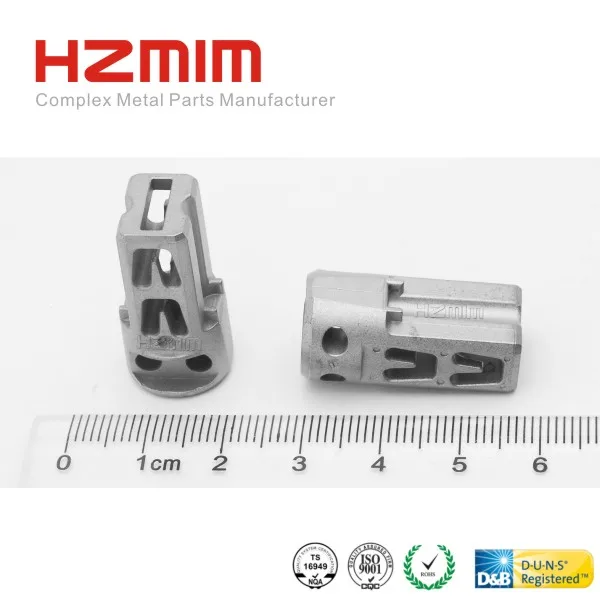
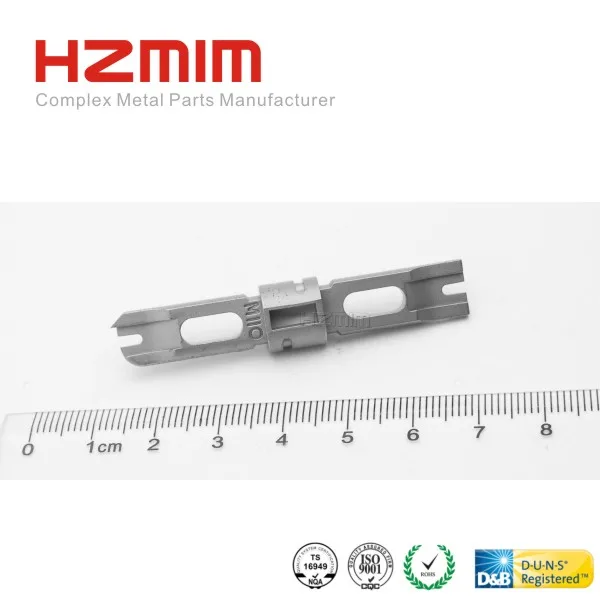
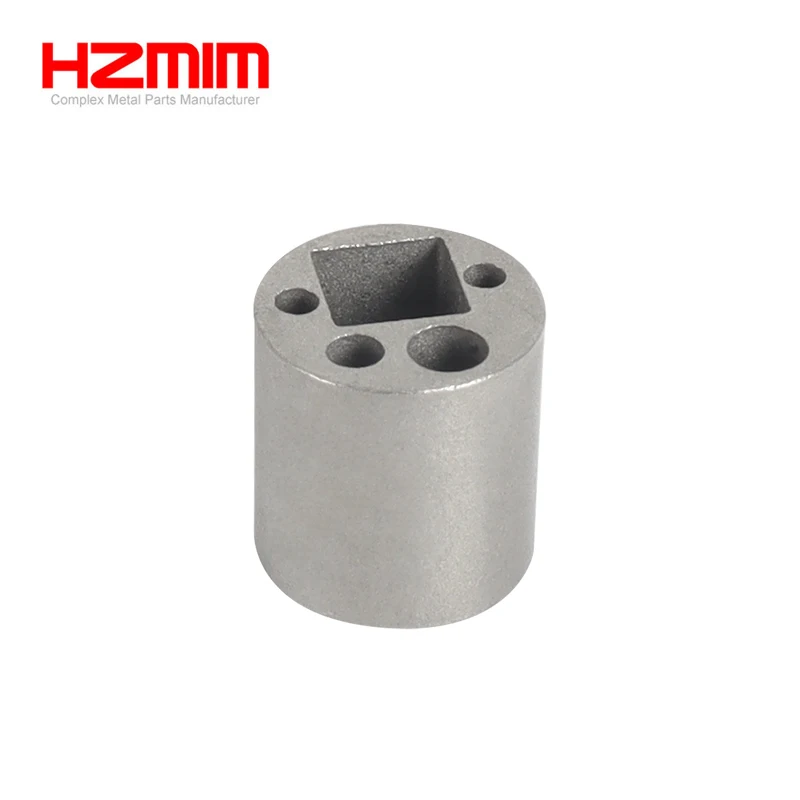
MIM (Metal Injection Molding) combines the technologies of thermoplastic injection molding and powder metallurgy to produce complex-shaped, high density, high performance metal parts.
MIM mainly materials
Material System | Material composition | Typical applications |
Low alloy steel | Fe-2Ni, Fe-8Ni | Automobile, Machinery, ect |
Stainless steel | 316L, 17-4PH, 420, 440C | Medical equipment, Clocks, ect |
Carbide | WC-Co | Various tools, Watches, ect |
Ceramic | Al 2O3, ZrO2, SiO2 | IT electronics, Daily necessities |
Heavy Alloys | W-Ni-Fe, W-Ni-Cu, W-Cu | Arms industry, communications |
Titanium | Ti, Ti-6Al-4V | Medical and military structural parts |
Magnetic Materials | Fe, NdFeB, SmCo5, Fe-Si | Magnetic properties of various components |
Tool steel | CrMo4, M2 | Tools |
How MIM Works
The MIM process combines the design flexibility of plastic injection molding
with the strength and integrity of wronght metals to offer cost effective
solutions for highly complex part geometries.
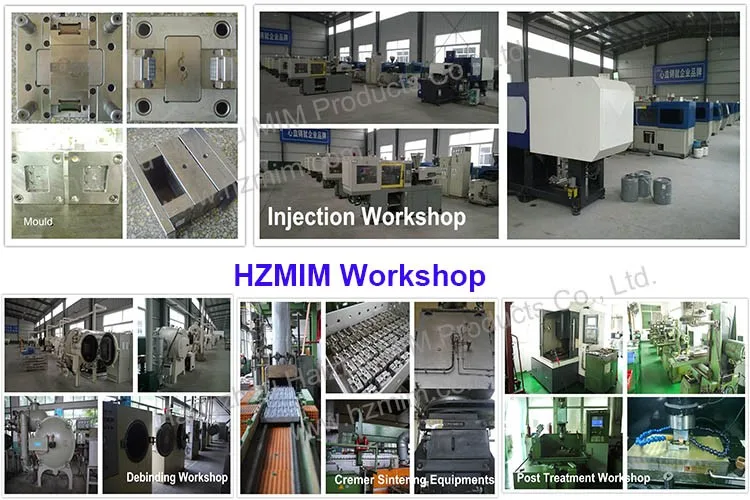
The MIM process is typically explained as four unique processing
steps (compounding, molding, debinding and sintering) to produce
a final part that may or may not need final finishing operations

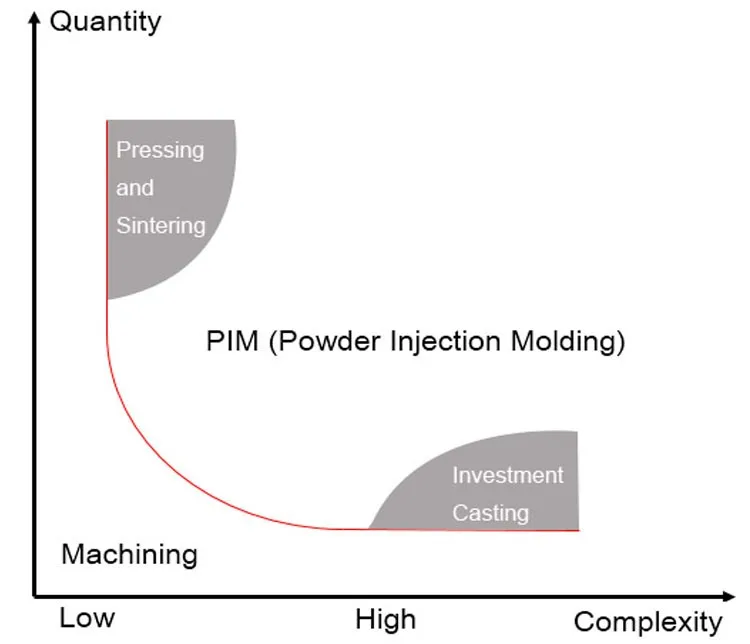
Comparison between MIM and Traditional Machining
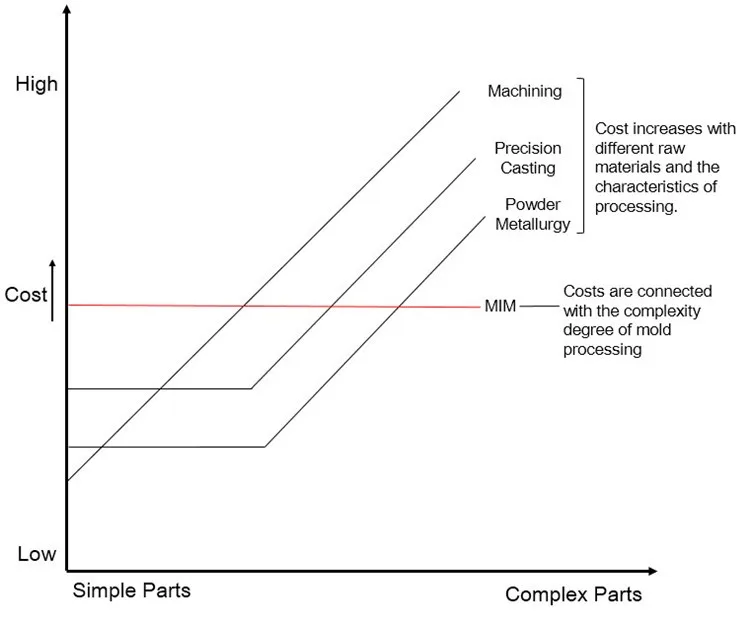
Comparison between MIM and Other Processes
Parameter | MIM | CONVENTIONAL PM | MACHINING | INVESTMENT CASTING |
Density | 98% | 88% | 100% | 98% |
Tensile Strength | High | Low | High | High |
Elongation | High | Low | High | High |
Hardness | High | Low | High | High |
Min. Wall Thickness | 0.5 mm | 1 mm | 0.5 mm | 2 mm |
Complexity | High | Low | High | Medium |
Surface Finish | High | Medium | High | Medium |
Production Volumes | High | High | Low | Medium |
Range of Materials | High | High | High | Medium-High |
Cost | Medium | Low | High | Medium |
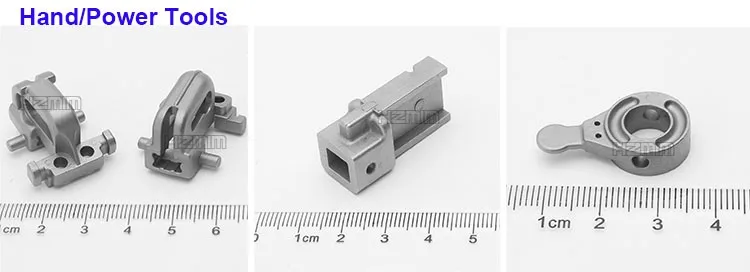
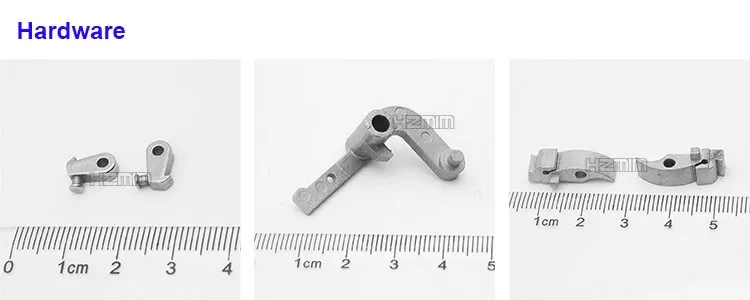
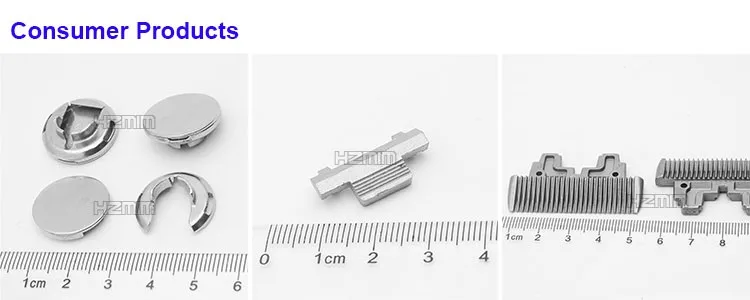
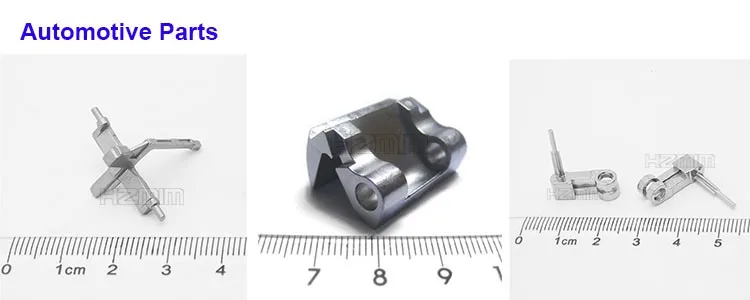
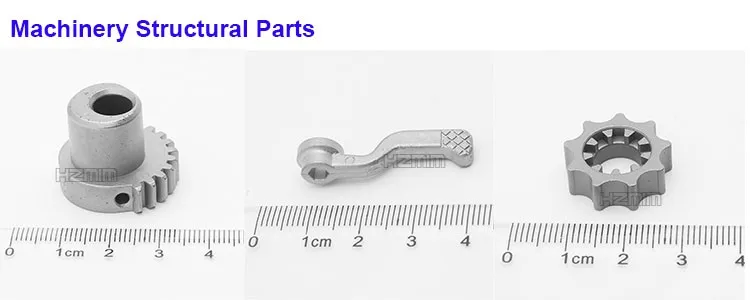
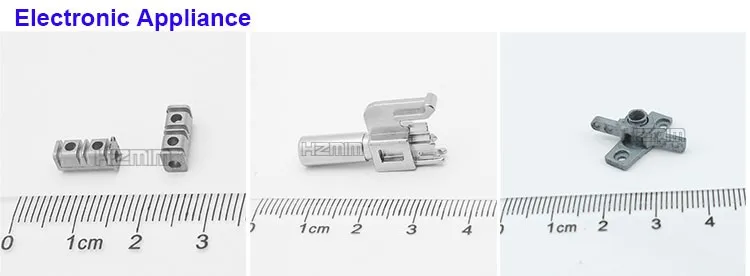
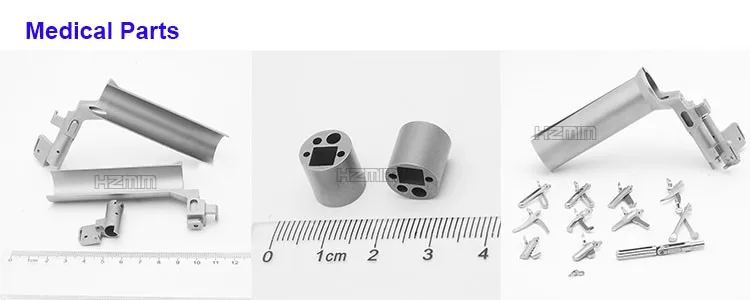
Applications:
Our product line includes:
Tools, Medical treatment, Hardware,
Electronic appliance, Automotive,
Consumer products, Spinning parts and so on.
Post Treatment
HZMIM provides the following services.
Machining |
|
Surface Finish |
|
Plating | Cataphoresis Electroplating (zinc, nickel, chromium, copper, etc) |
PVD | Various colors, like: white, black, golden, brown, etc |
Heat Treatment | To meet the specific hardness requirement of your parts. |
Ultrasonic Cleaning | Clean the tight adhesion or embedded particles from the solid surface. |
Passivation | Ensure a part’s metallurgical stability by making its surface more passive and corrosion resistant. |
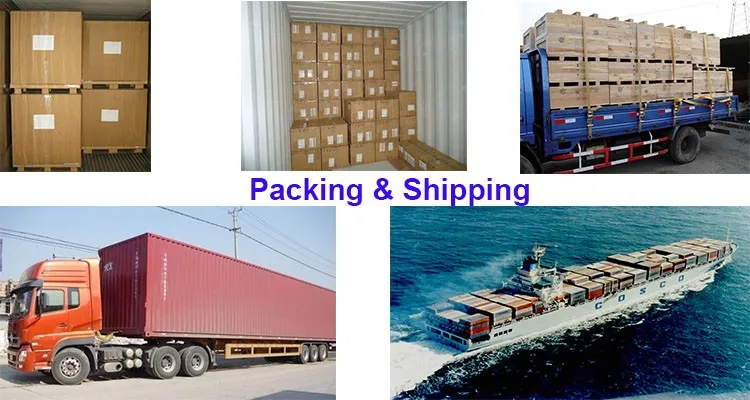
OEM packaging for your products, track the logistics of the products and give feedback timely, to ensure your products arrive in shortest time soundly.
1. What is MIM technology?
MIM (Metal Injection Molding) is a manufacturing technology that combines the shape making complexity of Plastic Injection Molding with the material flexibility of Powder Metallurgy.
2. Is the metal melted during the molding process?
No, only the binders are melted allowing the powders to flow like a plastic material. Upon cooling the binders solidify giving the part strength for handling. The part must be subsequently sintered to high density to achieve the required mechanical properties.
3. How does MIM differ from the Traditional PM process?
Traditional PM uses high, uniaxially applied pressure to coarse metal powders in a die set to produce moderately complex components. Typically, no further densification is gained during the sintering process. Densities achieved by this method are typically in the range of 80-90% of theoretical which limit the physical properties that can be achieved for the given alloy. MIM products are not limited in shape complexity due to the flexibility of the injection molding process. The fine metal powders used - combine with higher sintering temperatures to allow MIM to achieve near full density in the final article. This allows MIM products to have similar properties as wrought materials.
4. Does the part shrink during removal of binders?
No, the part will not change size in the debinding phase of the process. However, since sintering achieves near full density of the powders, the part will undergo a size change of up to 20%.



New products from manufacturers at wholesale prices