Centella Asiatica oil Extract/Centella Asiatica Leaf/Natural Asiaticoside 10% 90%
- Category: >>>
- Supplier: Organic Herb Inc. (hunan)
Share on (60503538888):
Product Overview
Description
Product Description
What is
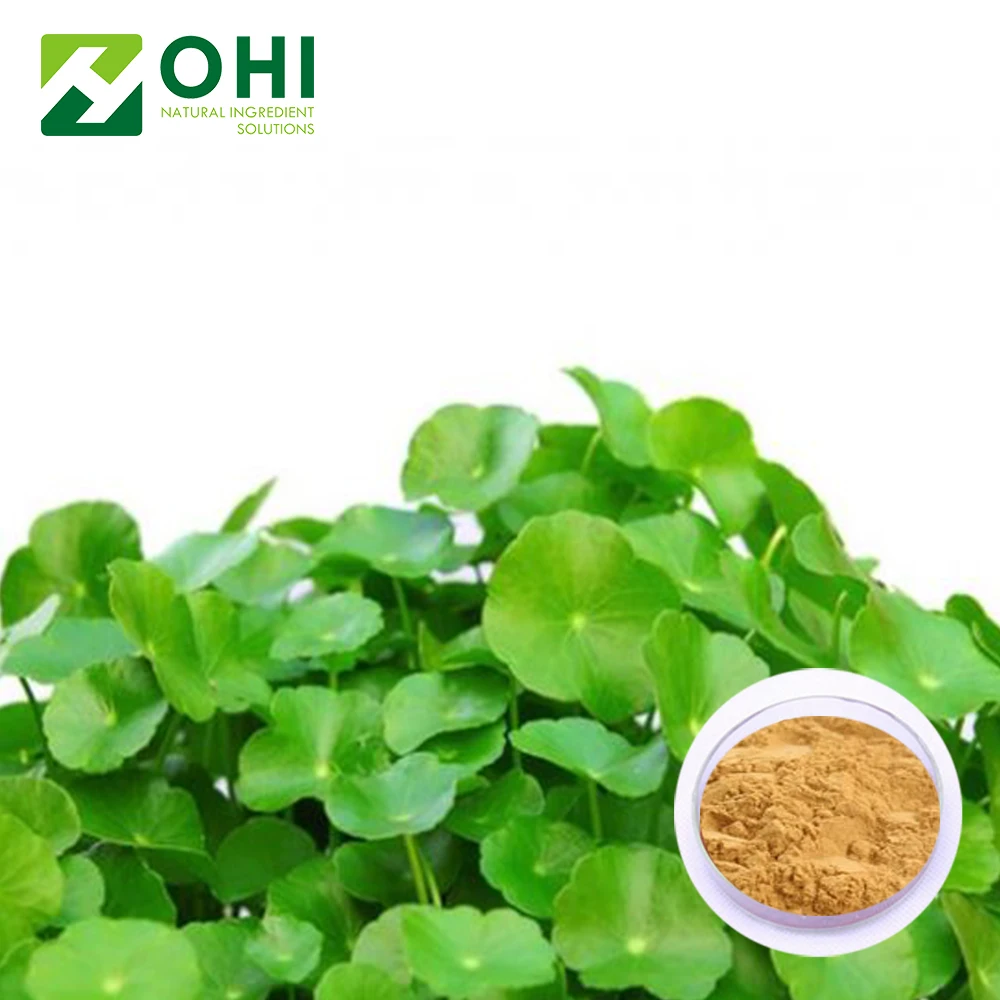
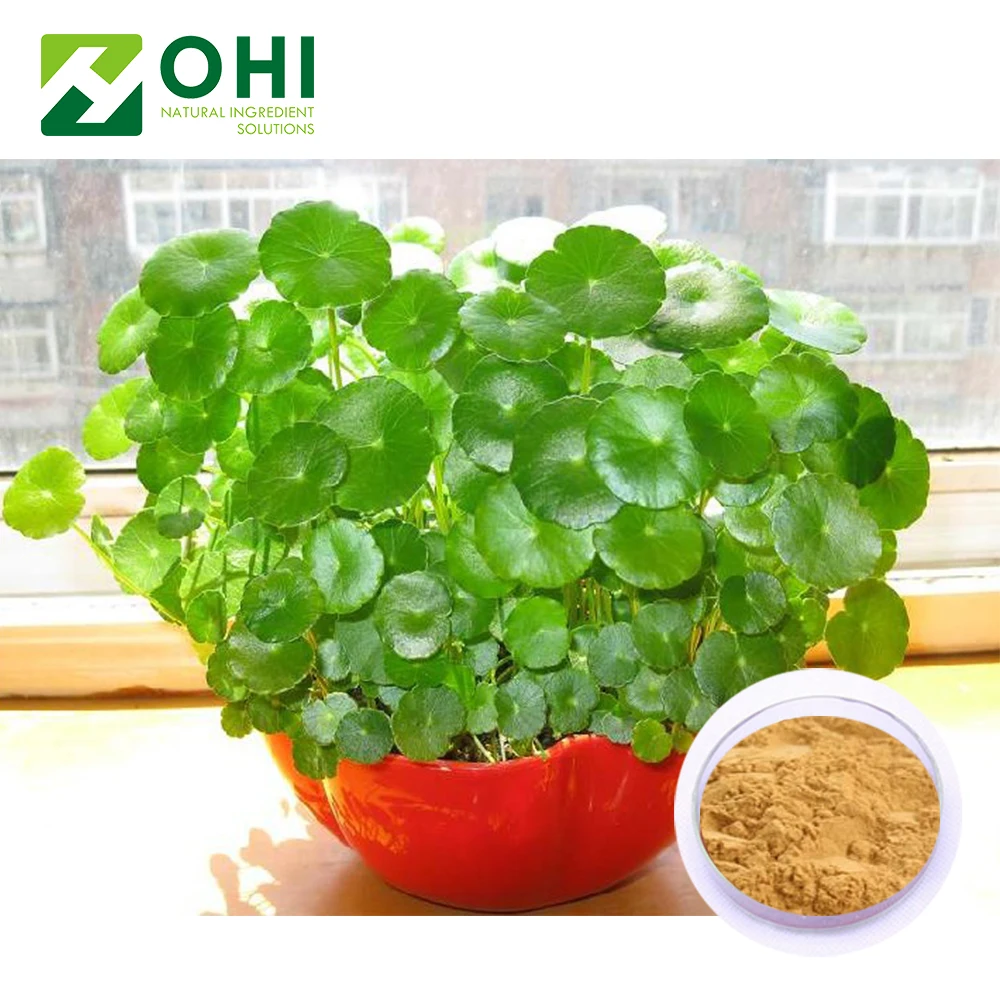
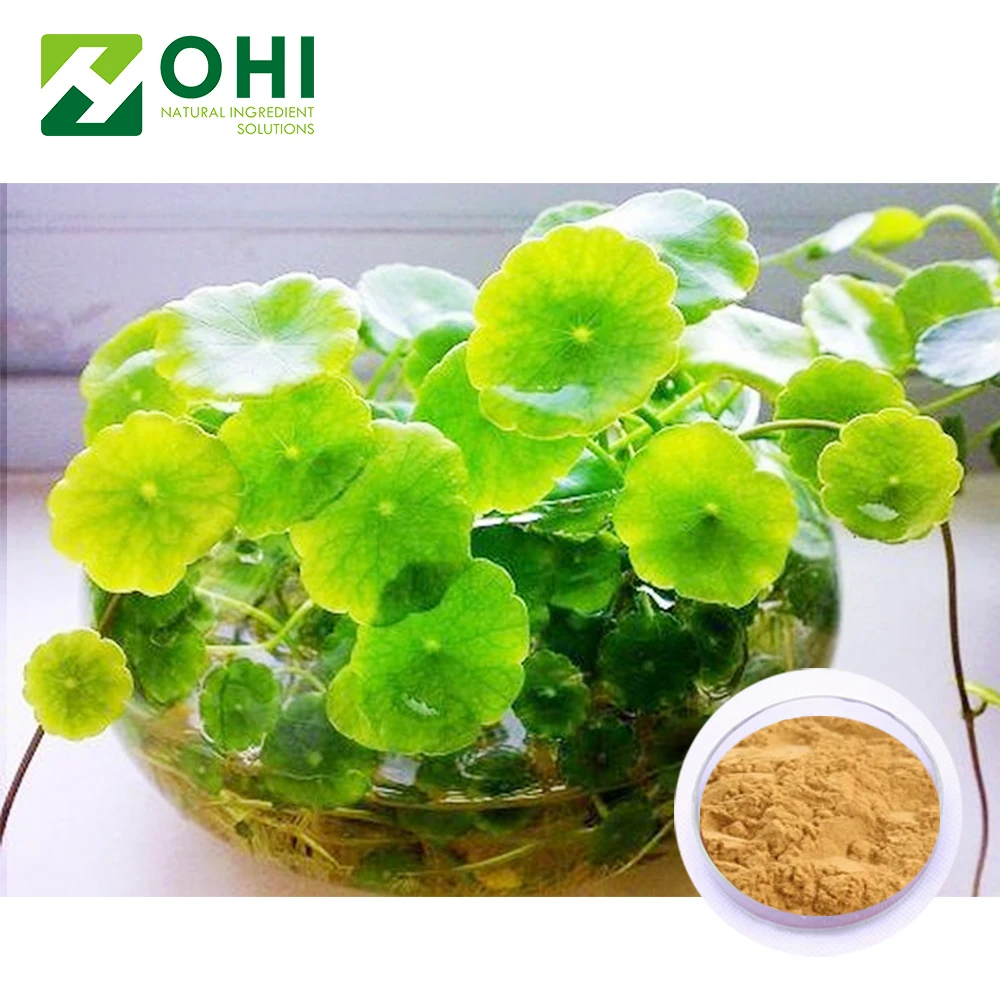
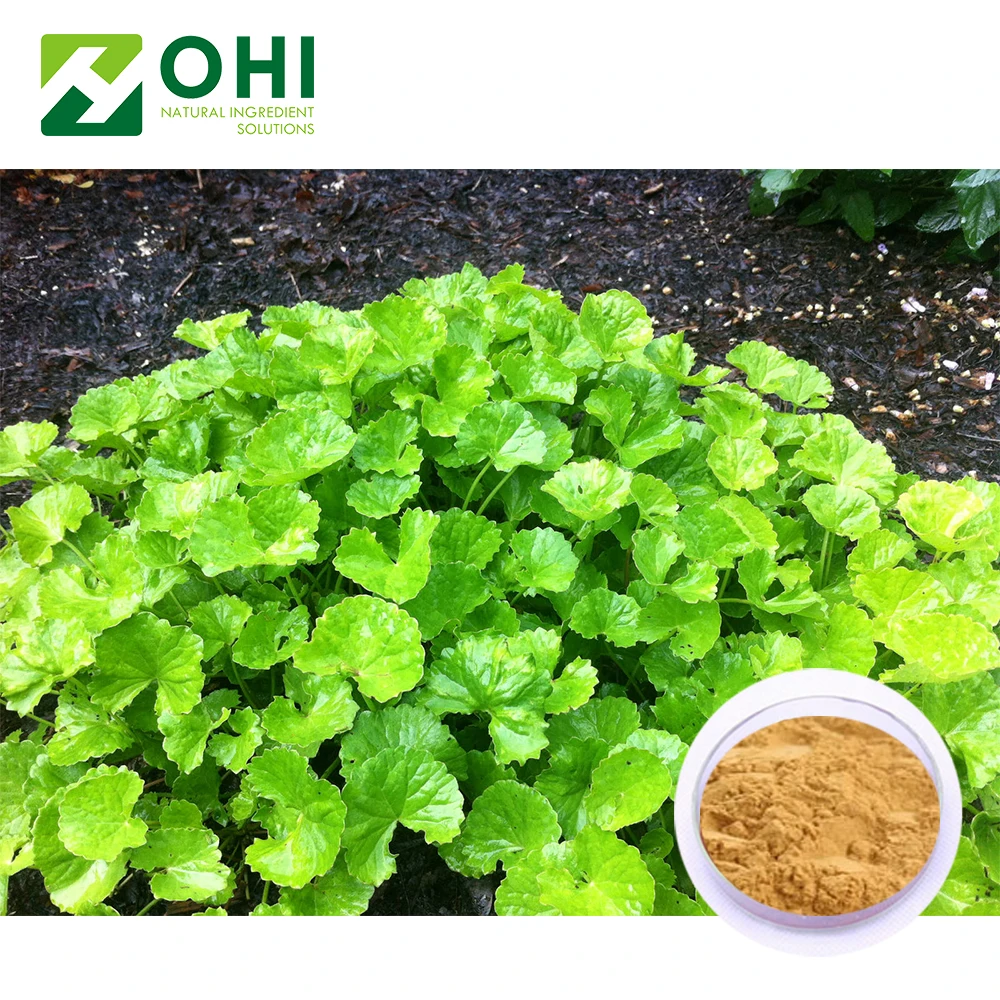
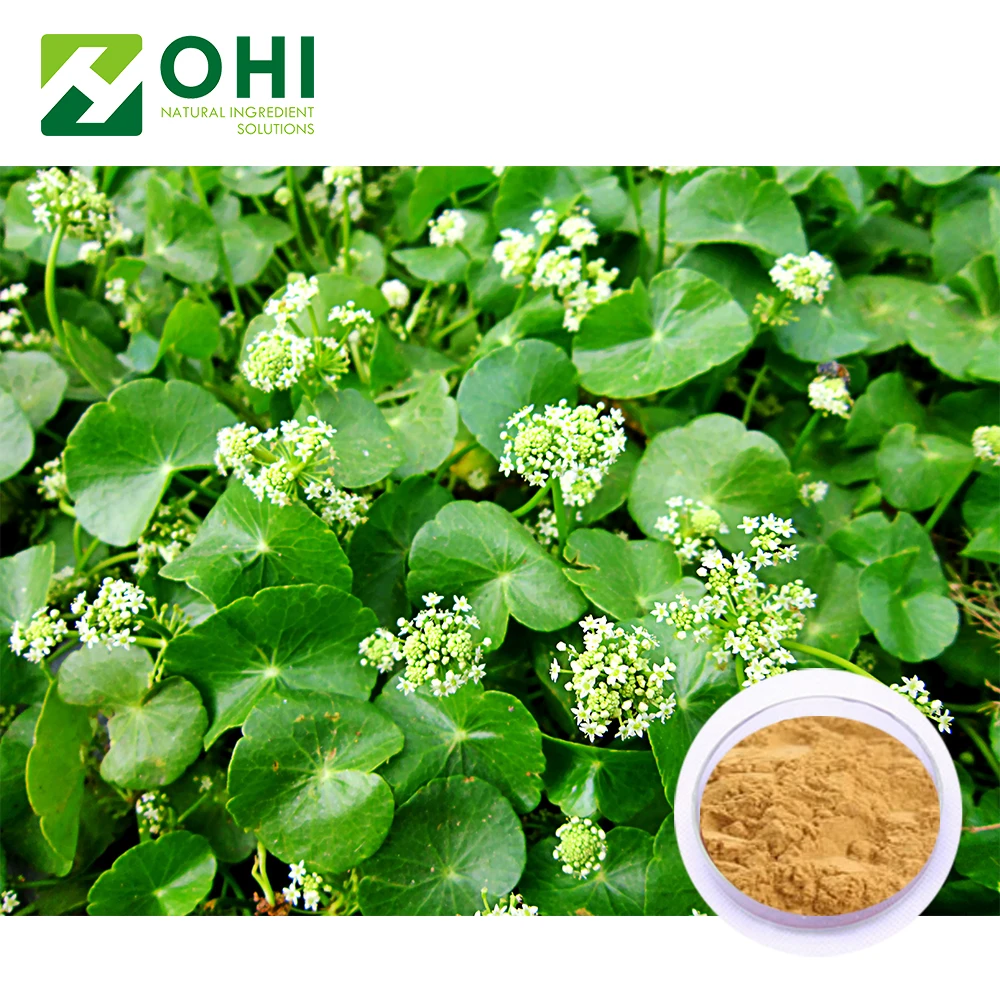
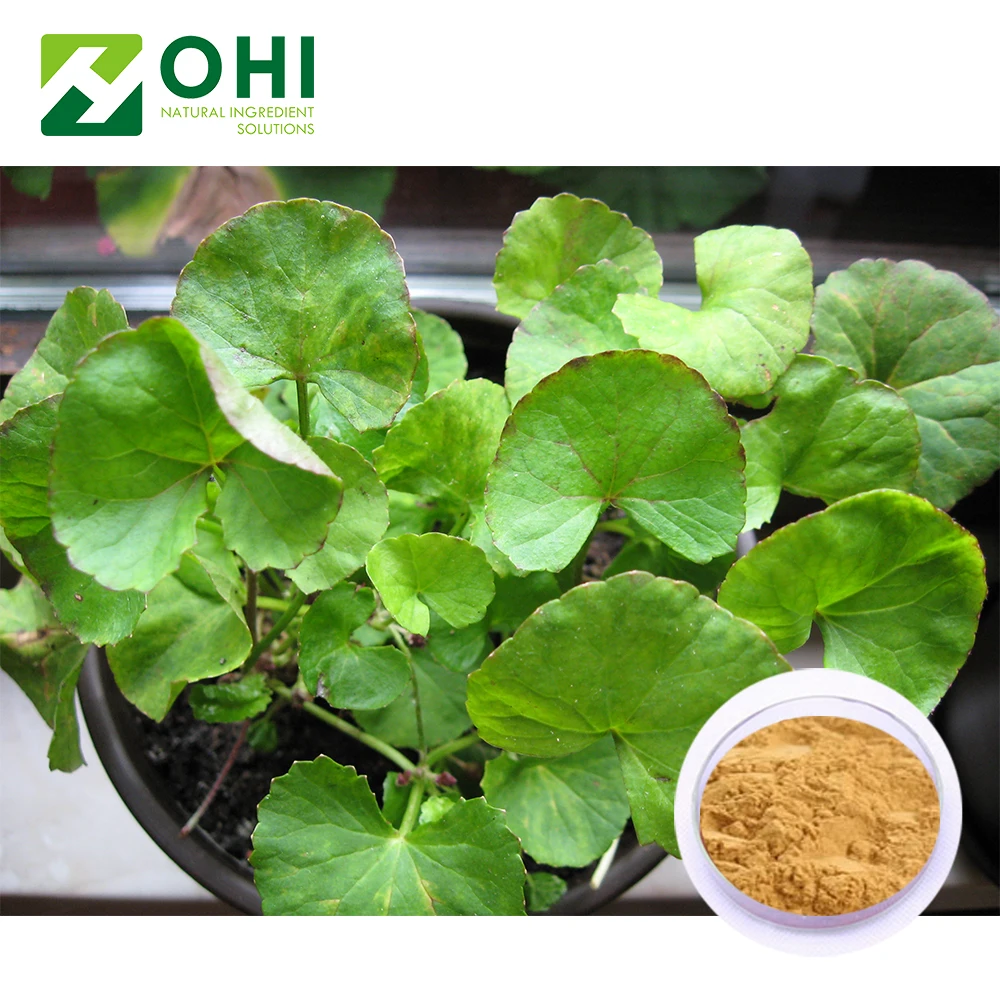
Centella asiatica, commonly known as centella and gotu kola, is a small, herbaceous, frost-tender perennial plant of the family Mackinlayaceae or subfamily Mackinlayoideae of family Apiaceae, and is native to wetlands in Asia. It is used as a medicinal herb in Ayurvedic medicine, traditional African medicine, and traditional Chinese medicine. It is also known as the Asiatic pennywort or Indian pennywort in English, among various other names in other languages.
Other names
In South Asia, other common names of centella include (Thalkudi) in Odia sarswathi aku) in Telugu; (kudavan), (muththil), or (kudangal) in Malayalam; (thankuni) in Bengali; (gotu kola) in Sinhala; / (brahmi) in Marathi: (ondelaga) in Kannada; (vallaarai) in Tamil; (myin-khwar) in Burmese; brahmi booti in Hindi; perook in Manipuri;lambak in Mizo; (manimuni) in Assamese; timare in Tulu; tangkuanteh in Paite; (brahmabuti) or (ghod-tapre) in Nepali; and kholcha ghyan) in Newari (Nepal Bhasa).
In India, particularly, it is popularly known by a variety of names: bemgsag, brahma manduki, brahmanduki, brahmi, ondelaga or ekpanni (south India, west India), sarswathi aku (Andhra Pradesh), gotu kola, khulakhudi, mandukparni, mandookaparni, or thankuni (Bengal), depending on region. Bacopa monnieri is the more widely known Brahmi; both have some common therapeutic properties in Vedic texts and are used for improving memory. C. asiatica is called brahmi particularly in north India,although that may be a case of mistaken identity introduced during the 16th century, when brahmi was confused with mandukaparni, a name for C. asiatica. Probably the earliest study of mandookaparni as medya rasayana (improving the mental ability) was carried out at the Dr. A. Lakshmipathy Research Centre (now under CCRAS).
In Southeast Asia, it is known as (sleuk tracheakkranh) in Khmer; (mying khwar which means "Horse Hoof leaf" ) in Burmese; (bua bok; "land lily") in Thai; rau má ("mother vegetable") in Vietnamese; pegagan or antanan in Indonesian; takip-kohol (literally "snail lid") or yahong yahong ("little bowl") in Filipino; and penggaga, pegagan or pegaga in Malay.
In East Asia, it is known as (lei gong gen; literally "thunder god's root") or (bang dai wun; literally "chipped big bowl") in Chinese; and (byeong-pul, literally "bottle/jar grass") in Korean.
Function
1.It has the function of analgesia and stability and effect on the central nervous system of choline;
2.It has the function of promoting skin metabolism and has a good effect for skin ulcers and other skin diseases;
3.With the function of clearing away heat and detoxifying, clearing damp, subsidence of swelling
and diuretic;
4.With the function of antibacterial and dissolving stones;
5.It has the function of strengthen blood vessels and promoting blood circulation
Our Services
Our team&our services:
1,More than 10 years of experince in the Industry of “plant extract”!
Changsha Organic Herb Inc. (OHI) has been dedicated to the research and development of innovative nutraceutical ingredients since 1993.
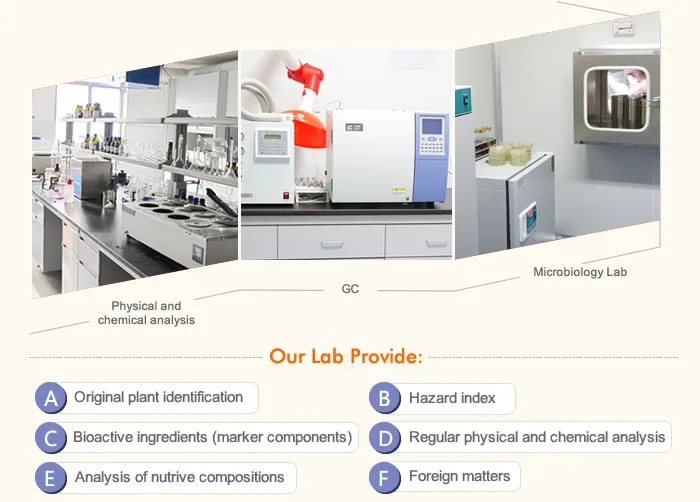
2,Own plant extract manufacturer and Lab !
OHI is the Developer, Manufacturer, Exporter and Primary Supplier of the most remarkable alternative and complementary herbal health products and raw material available today.
3,Warm and enthusiastic team
We have more than 20 sales for exporting and answer your any questions and always ready to help.
4,Rich experience in global exhibition:
We have joined many exhibitions from the global as USA,Sweden,etc,so we can give your much suggestion for the global market and usage of the plant extract.
5,Certificates to ensure
We have got Kosher,Halal,ISO already,will get more certificates in the future if you have request for this. Violet cabbage pigment 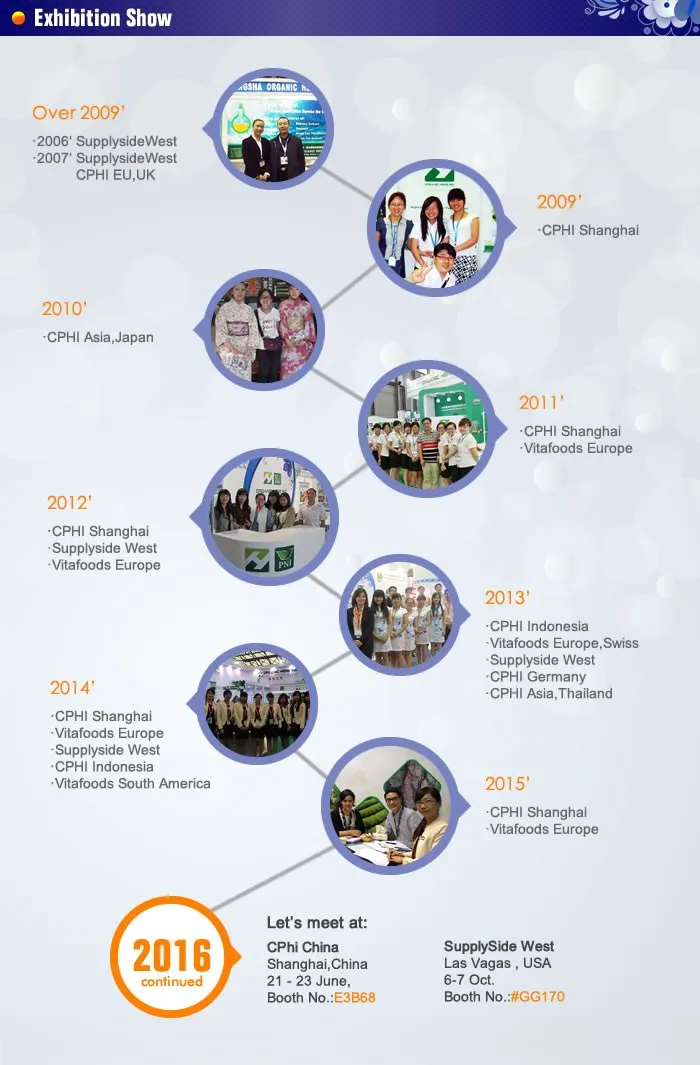




We Recommend


New Arrivals
New products from manufacturers at wholesale prices