Beauty facial spa wood lamp skin care UV magnifying analyzer
- Category: >>>
- Supplier: Lumsail Industrial Inc.
Share on (60547624274):
Product Overview
Description
Product Description
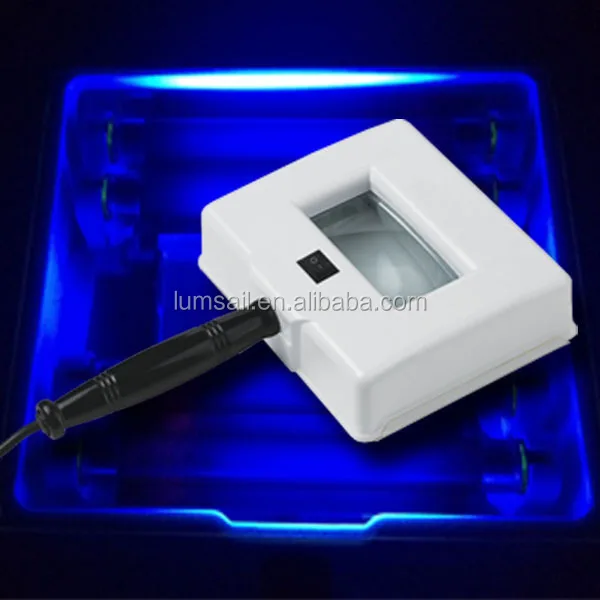
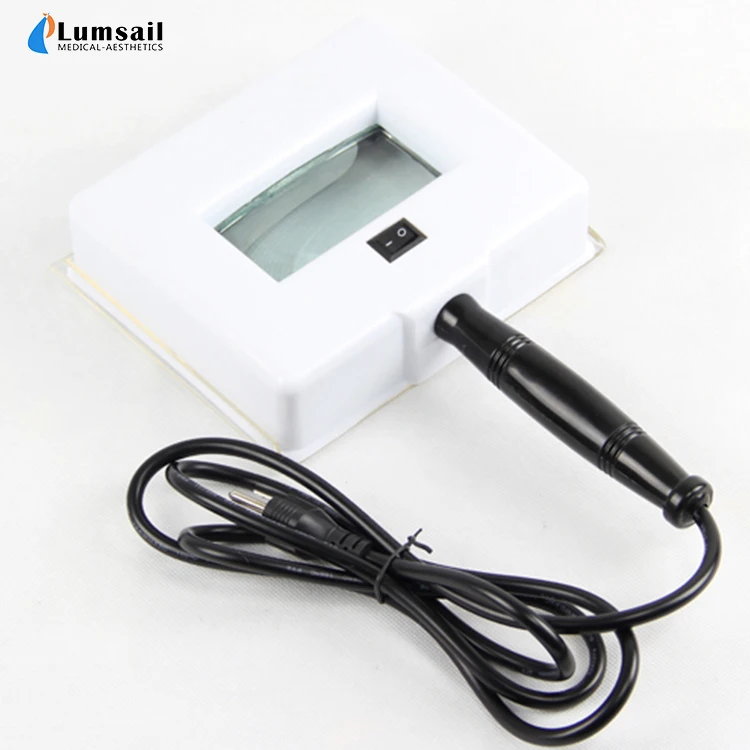
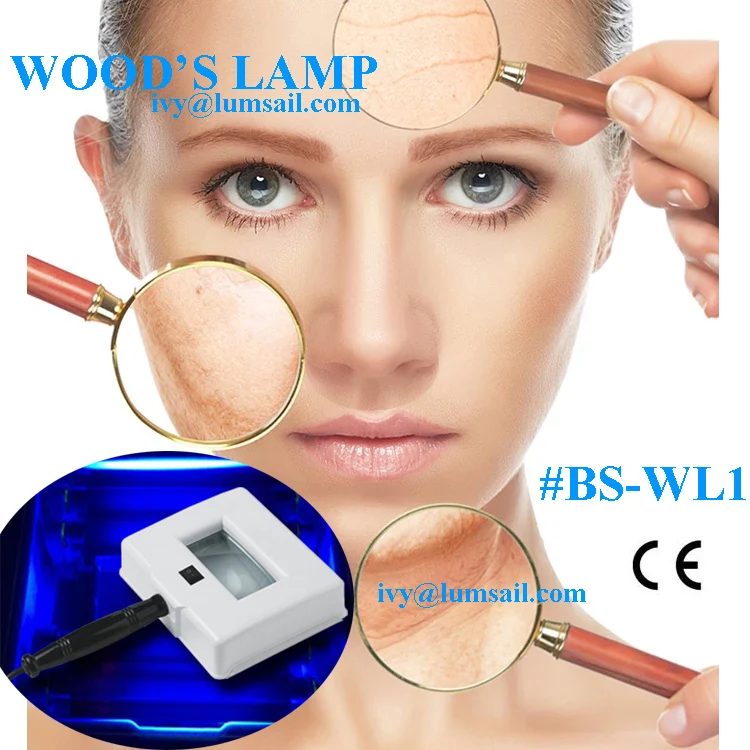
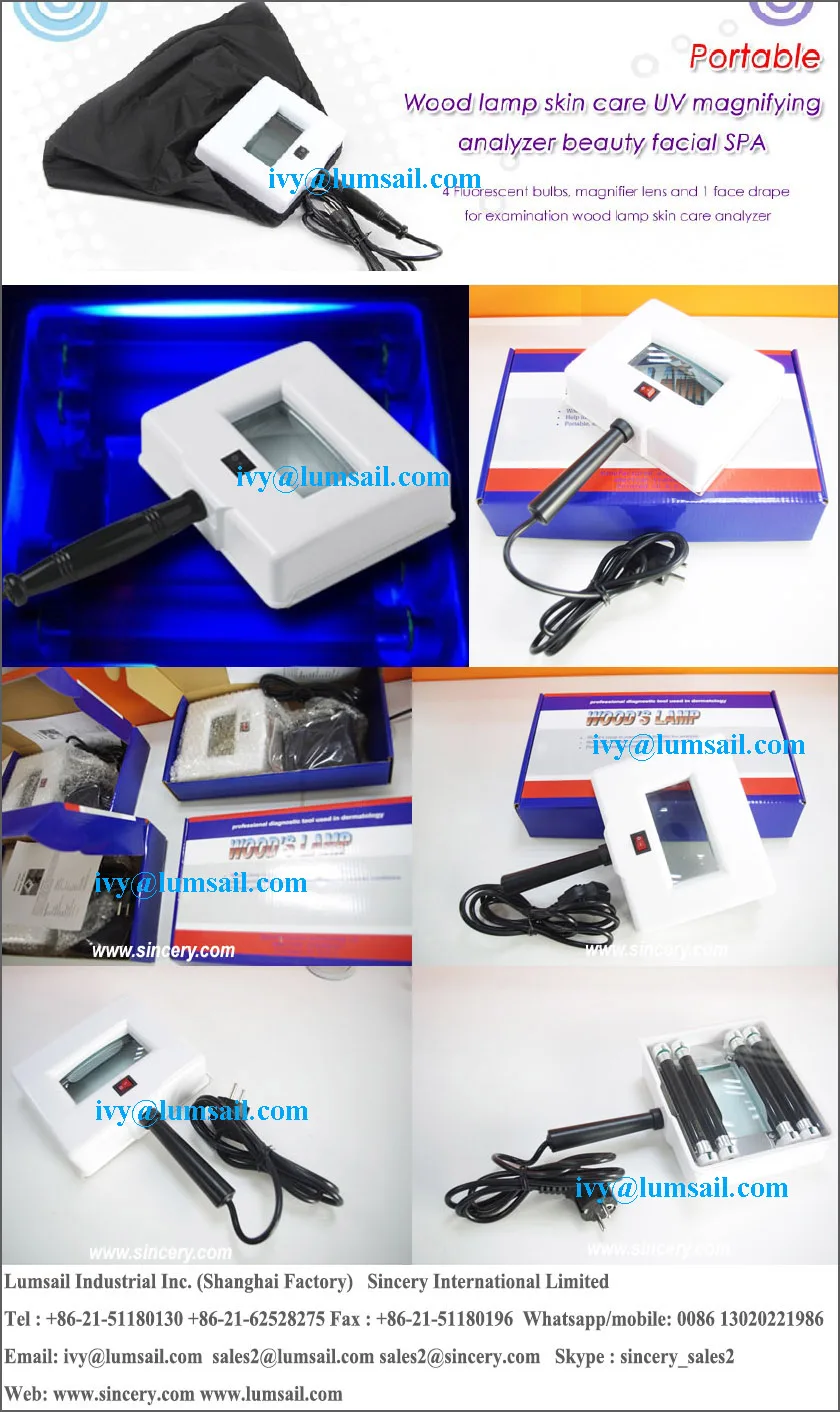
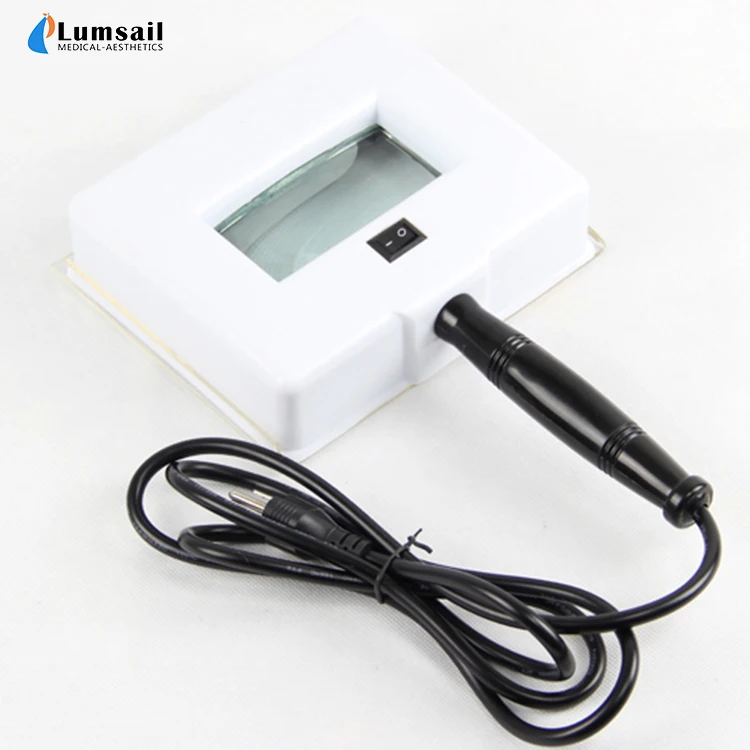
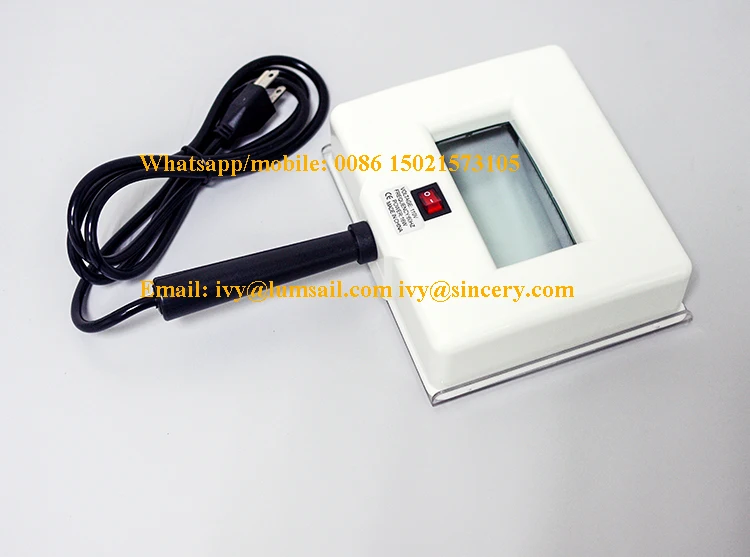
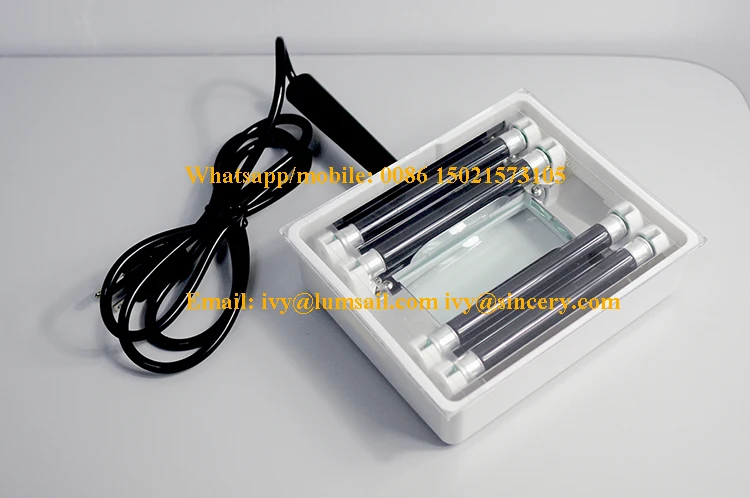
Beauty facial spa wood lamp skin care UV magnifying analyzer
Item no#BS-WL1 WOOD LAMP
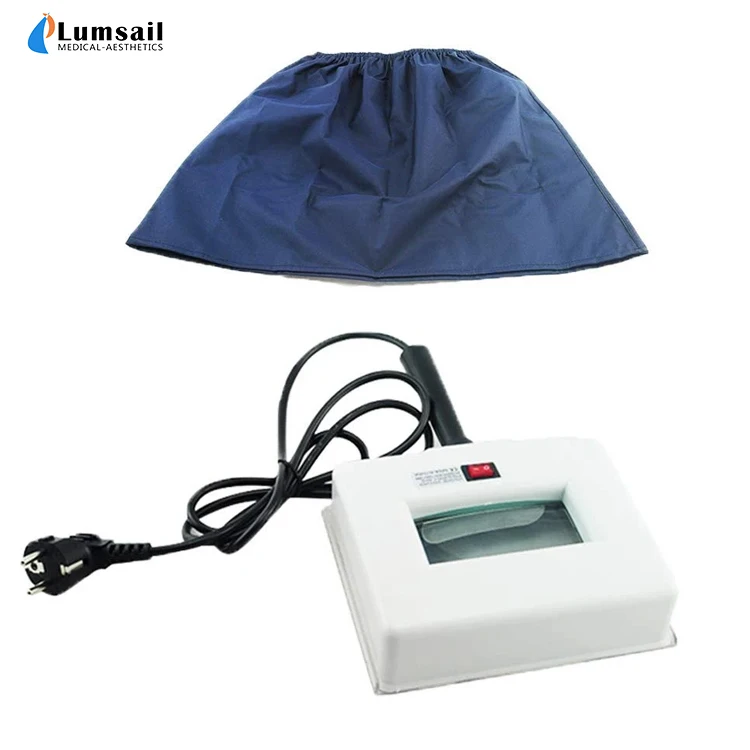
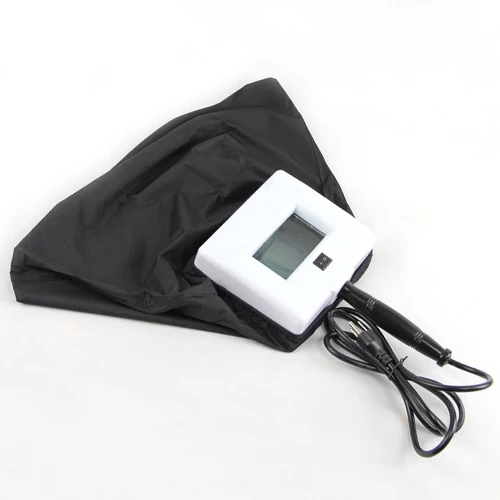
 Use high lightness ring tube, new style electric start-up circuit, turn on power supply then light immediately; coming with anti-light lamp cover, protect machine not disturbed by the lights from the exterior, make the operation more professional and clear. The machine can test and analyse the skin conditions and various different changes on the surface of skin in time, make the beauticians to have a rapid and correct decision and opinion to maintain and treat the trouble skin, make skin smooth and bright and be rich of elasticity.
What is Wood lamp skin examination?Wood lamp examination is a diagnostic test in which the skin or hair is examined while exposed to the black light emitted by Wood lamp. Blacklight is invisible to the naked eye because it is in the ultraviolet spectrum, with a wavelength just shorter than the colour violet. The lamp glows violet in a dark environment because it also emits some light in the violet part of the electromagnetic spectrum.What is a Wood lamp?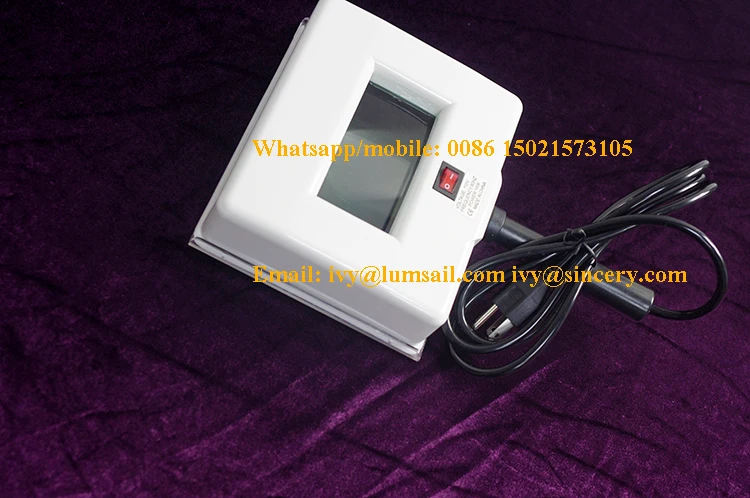 A traditional Wood lamp is a low-output mercury arc covered by a Wood filter (barium silicate and 9% nickel oxide) and emits wavelength 320–450 nm (peak 365 nm). The lamp was invented in 1903 by a Baltimore physicist, Robert W. Wood.Modern black light sources may be specially designed BLB fluorescent lamps, mercury vapour lamps, light-emitting diodes, or incandescent lamps. Fluorescent black light tubes have a dark blue filter coating on the tube, which filters out most visible light. There are several models with varying properties. The medical Wood lamp may include:
A variety phosphors with different peak emission
Magnifying lens
White light
Black drape to exclude light
Describe a Wood lamp skin examinationExamination using Wood lamp involves the following steps.
Ideally, skin to be examined should not have been recently washed or had any makeup, deodorant or moisturising creamapplied, as these can fluorescence causing a false positive result
2. Gentle facial skin cleansing may be required
The Wood lamp is turned on to warm up for about a minute
Room lights are turned off, and window shades are drawn, or black drape used to darken the surroundings completely
After waiting to adapt to the dark, the skin is examined with Wood lamp for a few seconds. The lamp is held about 10-30 cm away from the skin. The examination is painless and safe.
A Wood lamp is used to identify the extent of pigmented or depigmented patches and to detect fluorescence. Normal healthy skin is slightly blue but shows white spots where there is thickened skin, yellow where it is oily, and purple spots where it is dehydrated. Clothing lint often shines bright white.A positive result is reported if a pigmentary disorder is more noticeable when examined using the Wood lamp or if fluorescence is noted.Wood lamp
![]()
![]()
![]() What is fluorescence?Fluorescence is a coloured glow seen when certain substances such as collagen and porphyrins absorb black light and emit it again at a longer wavelength in the visible spectrum. Items on the skin surface such as fabric, topical medications and soap residue can also fluoresce.What conditions are diagnosed using a Wood lamp?A Wood lamp for skin examination may reveal:
What is fluorescence?Fluorescence is a coloured glow seen when certain substances such as collagen and porphyrins absorb black light and emit it again at a longer wavelength in the visible spectrum. Items on the skin surface such as fabric, topical medications and soap residue can also fluoresce.What conditions are diagnosed using a Wood lamp?A Wood lamp for skin examination may reveal:
Increase in pigmentation (eg, melasma, postinflammatory pigmentation) to determine whether the pigmentation is epidermal(pigmentation enhanced by Wood lamp examination) or dermal (pigmentation unchanged by Wood lamp examination). Pigmented lesions have a clear border under Wood light because the light is absorbed by increased melanin
Loss of pigmentation (eg, vitiligo, ash-leaf macules in tuberous sclerosis, and hypomelanosis of Ito) to identify affected areas in light-skinned people. Hypopigmented skin has sharper borders under black light and fluoresces bright blue-white (or sometimes, yellowish green) due to accumulated biopterins. In contrast, areas of reduced blood flow are unchanged
Pityriasis versicolor—a slightly scaly persistent rash on anterior chest and back caused by Malassezia yeasts. When active, the scale emits a yellowish or orange glow
Malassezia folliculitis—hair follicles fluoresce bluish-white
Tinea capitis—areas of scale and baldness due to fungal infection. Microsporum species fluoresce blue-green (M canis, M audouinii, M ferrugineum, M distortum); Trichophyton schoenleinii fluoresces dull blue. Fungal infection due to other organismsdoes not fluoresce
Head lice and scabies
Erythrasma—corynebacteria bacteria cause a pigmented rash in skin folds that fluoresces a coral-pink colour
Pseudomonas in spa pool folliculitis and wound infection fluoresces green
Acne fluoresces orange-red due to cutibacteria in hair follicles
Porphyria causes red-pink fluorescence of the skin (porphyria cutanea tarda), or teeth (erythropoetic porphyria)
Porphyrins used as the photosensitiser in photodynamic therapy
Drugs on the skin surface—tetracyclines and mepacrine fluoresce after oral ingestion
The evenness of application of a salicylic acid-containing chemical peel (this fluoresces green).
Fluorescence noted during Wood lamp examination
![]()
![]()
Other uses for Wood lampApart from Wood lamp skin examination, the Wood lamp has other uses.
Biochemistry laboratory may look for signs of porphyria in red blood cells (erythropoietic protoporphyria), urine and stool (porphyria cutanea tarda)
Molecular biology laboratory may use a Wood lamp to detect compounds with a fluorescent tag
Aestheticians check for signs of ageing skin and other imperfections
Ophthalmologists look for scratches and foreign bodies in the cornea of the eye
Veterinary surgeons use the Wood lamp when examining pets for bacterial, fungal or parasitic infection
Law enforcement officers examine crime scenes and clothing for semen and urine
Pet or rodent urine/faeces is easily detected using a Wood lamp
Metal fatigue can be evaluated using a fluorescent fluid and Wood lamp examination
Nightclubs use a Wood lamp to check fluorescent re-entry stamps
Immigration officers check that passports are genuine
Banks check for counterfeit money
Mineralogy and gemology
Displaying fluorescent paint used in art and sculpture
 A traditional Wood lamp is a low-output mercury arc covered by a Wood filter (barium silicate and 9% nickel oxide) and emits wavelength 320–450 nm (peak 365 nm). The lamp was invented in 1903 by a Baltimore physicist, Robert W. Wood.Modern black light sources may be specially designed BLB fluorescent lamps, mercury vapour lamps, light-emitting diodes, or incandescent lamps. Fluorescent black light tubes have a dark blue filter coating on the tube, which filters out most visible light. There are several models with varying properties. The medical Wood lamp may include:
A variety phosphors with different peak emission
Magnifying lens
White light
Black drape to exclude light
Describe a Wood lamp skin examinationExamination using Wood lamp involves the following steps.
Ideally, skin to be examined should not have been recently washed or had any makeup, deodorant or moisturising creamapplied, as these can fluorescence causing a false positive result
2. Gentle facial skin cleansing may be required
The Wood lamp is turned on to warm up for about a minute
Room lights are turned off, and window shades are drawn, or black drape used to darken the surroundings completely
After waiting to adapt to the dark, the skin is examined with Wood lamp for a few seconds. The lamp is held about 10-30 cm away from the skin. The examination is painless and safe.
A Wood lamp is used to identify the extent of pigmented or depigmented patches and to detect fluorescence. Normal healthy skin is slightly blue but shows white spots where there is thickened skin, yellow where it is oily, and purple spots where it is dehydrated. Clothing lint often shines bright white.A positive result is reported if a pigmentary disorder is more noticeable when examined using the Wood lamp or if fluorescence is noted.Wood lamp
Increase in pigmentation (eg, melasma, postinflammatory pigmentation) to determine whether the pigmentation is epidermal(pigmentation enhanced by Wood lamp examination) or dermal (pigmentation unchanged by Wood lamp examination). Pigmented lesions have a clear border under Wood light because the light is absorbed by increased melanin
Loss of pigmentation (eg, vitiligo, ash-leaf macules in tuberous sclerosis, and hypomelanosis of Ito) to identify affected areas in light-skinned people. Hypopigmented skin has sharper borders under black light and fluoresces bright blue-white (or sometimes, yellowish green) due to accumulated biopterins. In contrast, areas of reduced blood flow are unchanged
Pityriasis versicolor—a slightly scaly persistent rash on anterior chest and back caused by Malassezia yeasts. When active, the scale emits a yellowish or orange glow
Malassezia folliculitis—hair follicles fluoresce bluish-white
Tinea capitis—areas of scale and baldness due to fungal infection. Microsporum species fluoresce blue-green (M canis, M audouinii, M ferrugineum, M distortum); Trichophyton schoenleinii fluoresces dull blue. Fungal infection due to other organismsdoes not fluoresce
Head lice and scabies
Erythrasma—corynebacteria bacteria cause a pigmented rash in skin folds that fluoresces a coral-pink colour
Pseudomonas in spa pool folliculitis and wound infection fluoresces green
Acne fluoresces orange-red due to cutibacteria in hair follicles
Porphyria causes red-pink fluorescence of the skin (porphyria cutanea tarda), or teeth (erythropoetic porphyria)
Porphyrins used as the photosensitiser in photodynamic therapy
Drugs on the skin surface—tetracyclines and mepacrine fluoresce after oral ingestion
The evenness of application of a salicylic acid-containing chemical peel (this fluoresces green).
Fluorescence noted during Wood lamp examination
Other uses for Wood lampApart from Wood lamp skin examination, the Wood lamp has other uses.
Biochemistry laboratory may look for signs of porphyria in red blood cells (erythropoietic protoporphyria), urine and stool (porphyria cutanea tarda)
Molecular biology laboratory may use a Wood lamp to detect compounds with a fluorescent tag
Aestheticians check for signs of ageing skin and other imperfections
Ophthalmologists look for scratches and foreign bodies in the cornea of the eye
Veterinary surgeons use the Wood lamp when examining pets for bacterial, fungal or parasitic infection
Law enforcement officers examine crime scenes and clothing for semen and urine
Pet or rodent urine/faeces is easily detected using a Wood lamp
Metal fatigue can be evaluated using a fluorescent fluid and Wood lamp examination
Nightclubs use a Wood lamp to check fluorescent re-entry stamps
Immigration officers check that passports are genuine
Banks check for counterfeit money
Mineralogy and gemology
Displaying fluorescent paint used in art and sculpture

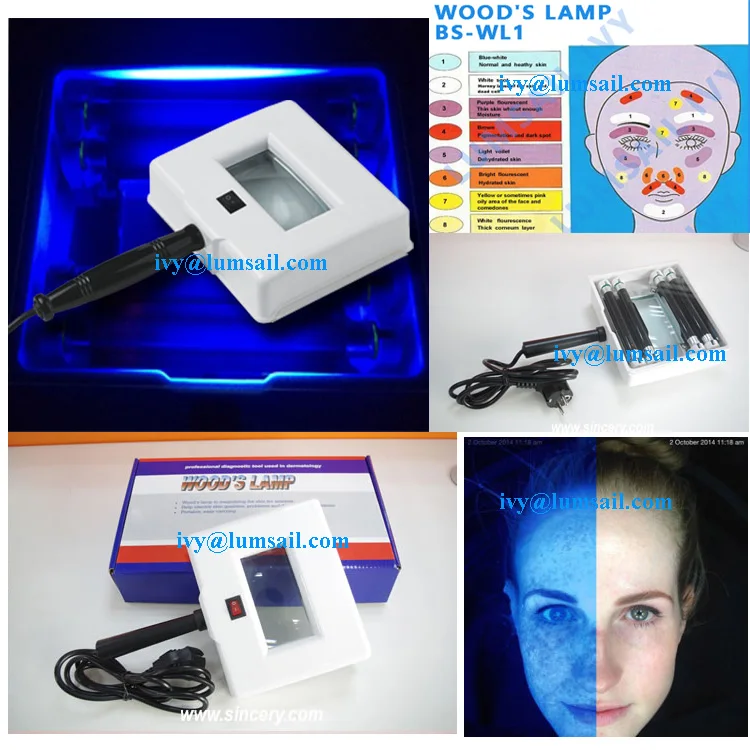
Skin Conditions:
Thin Cyanine ———— Healthy Skin
White and Float ———— Old and Aged Skin
Thin Purple ———— Inflammatory and Sensitive Skin
Dark Brown ———— Pigment Deposit
Blue & Purple———— Dry Skin
Orange ————— Sore, Greasy Skin
Thin Yellow ———— Sore Purulent Skin

Packaging & Shipping
Technical Specification:
Bulb | 4 pieces |
Light Source | UV light |
Lens Of Observation Window | 2X |
Power Request | AC220V, 50Hz ±10% (AC110V for customization) |

1. Caution:
In the operation, sometimes some small lightness dots appear, it is the deposit of cosmetic or atomy on the surface of skin, clean it and disappear.

FAQ
Does the Wood lamp cause any harm?The black light emitted by a Wood lamp is harmless. The lamp does not emit short-wavelength ultraviolet B radiation (290–320 nm), so it does not cause sunburn or otherwise damage healthy skin.It is possible that a patient with extreme photosensitivity might develop a rash on skin exposed to black light. However, Wood lampexamination is usually very brief and unlikely to cause problems even in very photosensitive patients.It is prudent to ask the patient to close their eyes when examining the face.See smartphone apps to check your skin.

skin analyzer

BS-LIPSM

Our Services
Related information
Around the web
Diagnosis With Wood's Light: Tinea Capitis and Erythrasma
Kenneth M. Halprin et al., Journal of American Medical Association, 1967
QUARTZ LIGHT THERAPY IN SKIN DISEASES
E. LAWRENCE OLIVER et al., Journal of American Medical Association, 1922
A SIMPLE INEXPENSIVE LAMP FOR FLUORESCENCE
Benjamin Friedman et al., JAMA Ophthalmology, 1942
NEW YORK ACADEMY OF MEDICINE, SECTION ON DERMATOLOGY AND SYPHILOLOGY
E. J. Maloney et al., JAMA Dermatology, 1928
Composition of Sunlight and of a Number of Ultraviolet Lamps
SAMUEL MONASH et al., JAMA Dermatology, 1965
Violet and blue light-induced green fluorescence emissions from dental caries
F Shakibaie et al., Kudos, 2016
Medical Uses of the Wood's Lamp
Richard M. Caplan et al., Journal of American Medical Association, 1967
THE FLUORESCENT PROPERTIES OF RINGWORM OF THE SCALP AS AN AID IN DIAGNOSIS
HARTZELL HARRISON RAY et al., JAMA Pediatrics, 1929



Company Information

wood lamp skin care UV magnifying analyzer beauty facial Spa
click to


We Recommend


New Arrivals
New products from manufacturers at wholesale prices