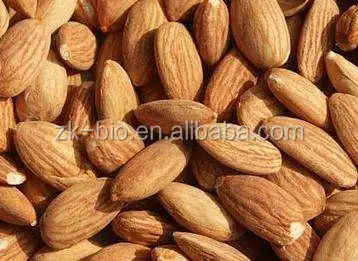
100% fresh raw and roasted almonds nuts
US $600.00-$1200
Share on (60637875670):
Organic Bitter Almond
Name | Apricot Kernels |
Flavour | Typical of apricot kernels. Free from Strong, Flat, or foreign flavours |
Odor | Characteristic Apricot Kernels |
Size | 120 grains/50g |
Moisture | Max 6 % |
Purity | Around 99.00 % |
Broken kernels | Max 5 % |
Bad kernel of obscure | Max 5% |
Aflatoxins | Max 4 PPB |
Health Benefits
1.High In Vitamin E
Vitamin E is an antioxidant that helps combat free radical damage to cells and DNA, supports the immune system and promotes healthy skin and hair. One tablespoon of almond oil provides 25% the DV of vitamin E.
2.Good Cholesterol
One study found that using almond oil in place of regular vegetable oil helped decrease bad cholesterol and increase good cholesterol.
3.Skin Health
The high level of vitamin E in almond oil is said to do wonders for the skin. It hydrates and moisturizes, has been used as a treatment for itchy and dry skin, and may help skin conditions like eczema. Almond oil should be used sparingly on the face as the oils can clog pores and cause acne breakouts.
4.Healthy Hair
Almond oil is full of omega-6 fatty acids, which helps to strengthen the hair, moisturizes the scalp and promotes hair growth.
5.Sore Muscles & Joints
Almond oil is often used in massage because it is believed to provide relief to achy joints and sore muscles.
6.Pain Reliever
Recently, almond oil has been used as a pain reliever similar to aspirin. More studies are needed to know its effectiveness as a pain reliever when taken internally, but some reports are promising.
7.Digestive Health
The fatty acids in almond oil help digestion and aid in the absorption of nutrients.
8.Stress Relief
Almond oil has a soothing scent and can have calming effects that may help reduce stress levels.
9.Brain Health
Omega-6 fatty acids are believed to be essential for maintaining healthy brain tissue. Though this may be essential in preventing a variety of brain conditions, almond oil alone will probably not make you smarter.
Nutrition
| Nutrient | Amount per Tbsp (13.5g) | % Daily Value | Comment |
| Water | 0 g | 0 % | |
| Protein | 0 g | 0 % | |
| Fat | 13.5 g | 21% | 66% monounsaturated, 26% polyunsaturated and 8% saturated fatty acids |
| Cholesterol | 0 g | 0 % | |
| Carbohydrates | 0 g | 0 % | |
| Fiber | 0 g | 0 % | |
| Phytosterols | 35.9 mg | NA | Mainly β-sitosterol |
| Vitamin E | 5.3 mg | 26 % | One of the best dietary sources of vitamin E |
| Vitamin K | 0.9 mcg | 1 % | |
| Other vitamins | 0 mg | 0 % |
Introduction
The bitter almond is slightly broader and shorter than the sweet almond and contains about 50% of the fixed oil that occurs in sweet almonds. It also contains the enzyme emulsin which, in the presence of water, acts on soluble glucosides, amygdalin, and prunasin, yielding glucose, cyanide and the essential oil of bitter almonds, which is nearly pure benzaldehyde, the chemical causing the bitter flavor. Bitter almonds may yield from 4–9 mg of hydrogen cyanide per almond and contain 42 times higher amounts of cyanide than the trace levels found in sweet almonds. The origin of cyanide content in bitter almonds is via the enzymatic hydrolysis of amygdalin.


New products from manufacturers at wholesale prices