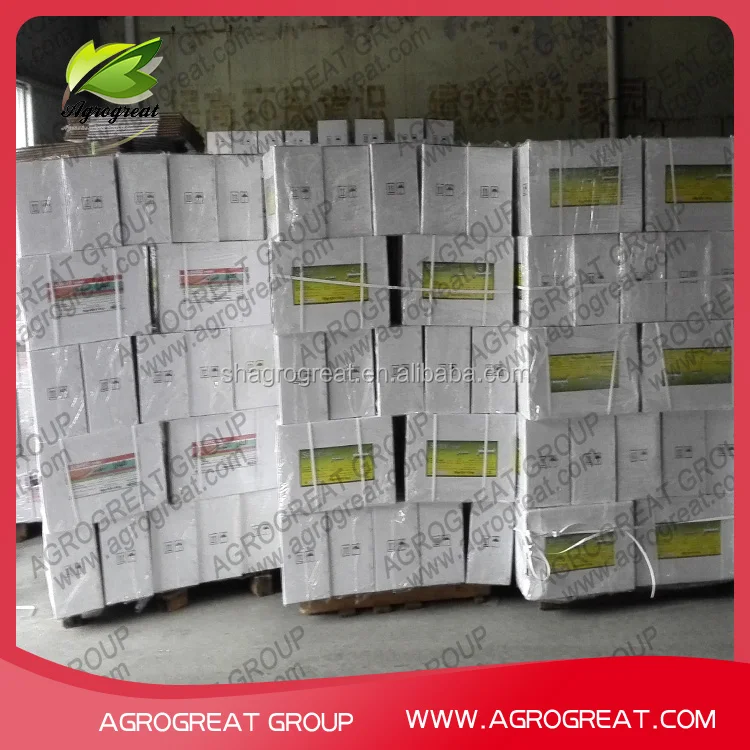
Agrochemical tebuconazole 120g/l fs, 250g/l ec, 250g/l ew, 25%ec, 25% ew with low prices
- Category: >>>
- Supplier: Shanghai Sinogreatland Industrial Co. Ltd.
Share on (60656584169):
Product Overview
Description
Product Description
Product Name | Tebuconazole |
Function | Fungicide |
Specification | 96% Tech, 80%wp, 250g/l ec, 25%ec, 250g/l ew, 25% ew, 120g/l fs |
Chemical Name | (?-a-[2-(4-chlorophenyl)ethyl]-a-(1,1-dimethylethyl)-1H-1,2,4-triazole-1-ethanol |
CAS No. | 107534-96-3 |
Empirical Formula | C16H22ClN3O |
|
|
Toxicology | Oral Acute oral LD50 for male rats 4000, female rats 1700, mice c. 3000 mg/kg. Skin and eye Acute percutaneous LD50 for rats >5000 mg/kg. Non-irritating to skin; mild irritant to eyes (rabbits). Inhalation LC50 (4 h) for rats 0.37 mg/l air (aerosol), >5.1 mg/l (dust). NOEL (2 y) for rats 300, dogs 100, mice 20 mg/kg diet. ADI (JMPR) 0.03 mg/kg b.w. [1994]. Toxicity class WHO (a.i.) III. |
Applications | Mode of action Systemic fungicide with protective, curative, and eradicant action. Rapidly absorbed into the vegetative parts of the plant, with translocation principally acropetally. Uses As a seed dressing, tebuconazole is effective against various smut and bunt diseases of cereals such as Tilletia spp., Ustilago spp., and Urocystis spp., also against Septoria nodorum (seed-borne), at 1-3 g/dt seed; andSphacelotheca reiliana in maize, at 7.5 g/dt seed. As a spray, tebuconazole controls numerous pathogens in various crops including: rust species (Puccinia spp.) at 125-250 g/ha, powdery mildew (Erysiphe graminis) at 200-250 g/ha, scald (Rhynchosporium secalis) at 200-312 g/ha, Septoria spp. at 200-250 g/ha, Pyrenophora spp. at 200-312 g/ha,Cochliobolus sativus at 150-200 g/ha, and head scab (Fusarium spp.) at 188-250 g/ha, in cereals; leaf spots (Mycosphaerella spp.) at 125-250 g/ha, leaf rust (Puccinia arachidis) at 125 g/ha, and Sclerotium rolfsii at 200-250 g/ha, in peanuts; black leaf streak (Mycosphaerella fijiensis) at 100 g/ha, in bananas; stem rot (Sclerotinia sclerotiorum) at 250-375 g/ha, Alternaria spp. at 150-250 g/ha, stem canker (Leptosphaeria maculans) at 250 g/ha, and Pyrenopeziza brassicae at 125-250 g/ha, in oilseed rape; blister blight (Exobasidium vexans) at 25 g/ha, in tea;Phakopsora pachyrhizi at 100-150 g/ha, in soya beans; Monilinia spp. at 12.5-18.8 g/100 l, powdery mildew (Podosphaera leucotricha) at 10.0-12.5 g/100 l, Sphaerotheca pannosa at 12.5-18.8 g/100 l, scab (Venturiaspp.) at 7.5-10.0 g/100 l, white rot in apples (Botryosphaeria dothidea) at 25 g/100 l, in pome and stone fruit; powdery mildew (Uncinula necator) at 100 g/ha, in grapevines; rust (Hemileia vastatrix) at 125-250 g/ha, berry spot disease (Cercospora coffeicola) at 188-250 g/ha, and American leaf disease (Mycena citricolor) at 125-188 g/ha, in coffee; white rot (Sclerotium cepivorum) at 250-375 g/ha, and purple blotch (Alternaria porri) at 125-250 g/ha, in bulb vegetables; leaf spot (Phaeoisariopsis griseola) at 250 g/ha, in beans; early blight (Alternaria solani) at 150-200 g/ha, in tomatoes and potatoes. Phytotoxicity Good plant compatibility in most crops with any formulation, and achieved in more sensitive crops by appropriate formulations, e.g. WP, WG or SC. |
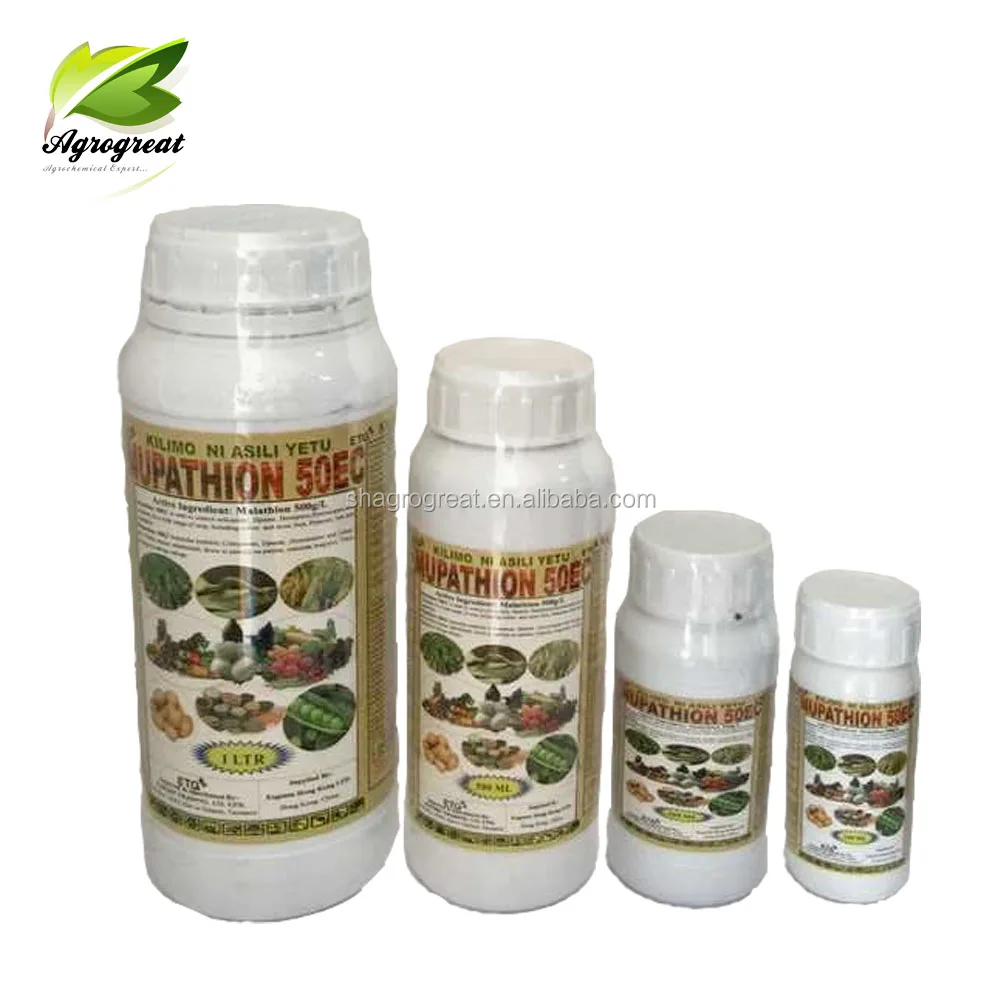
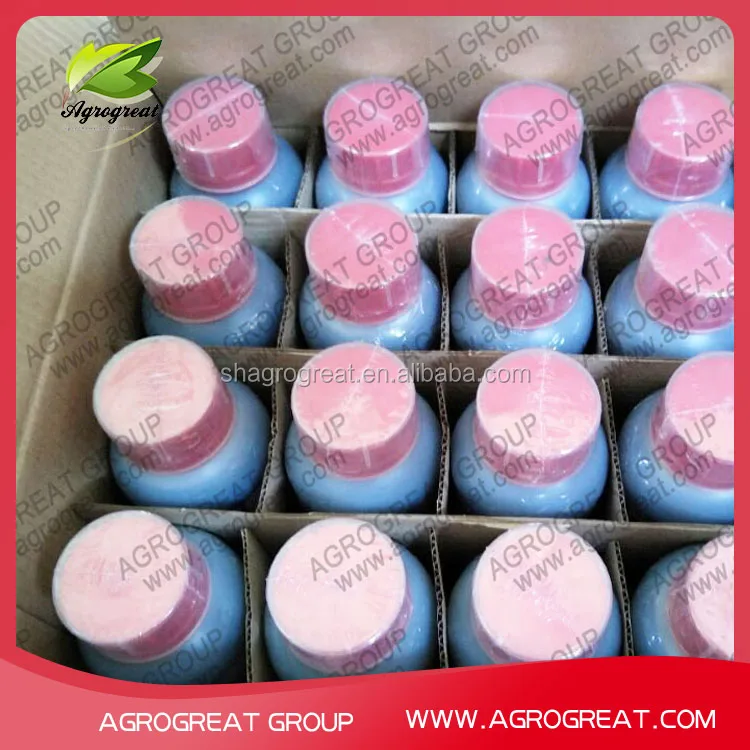
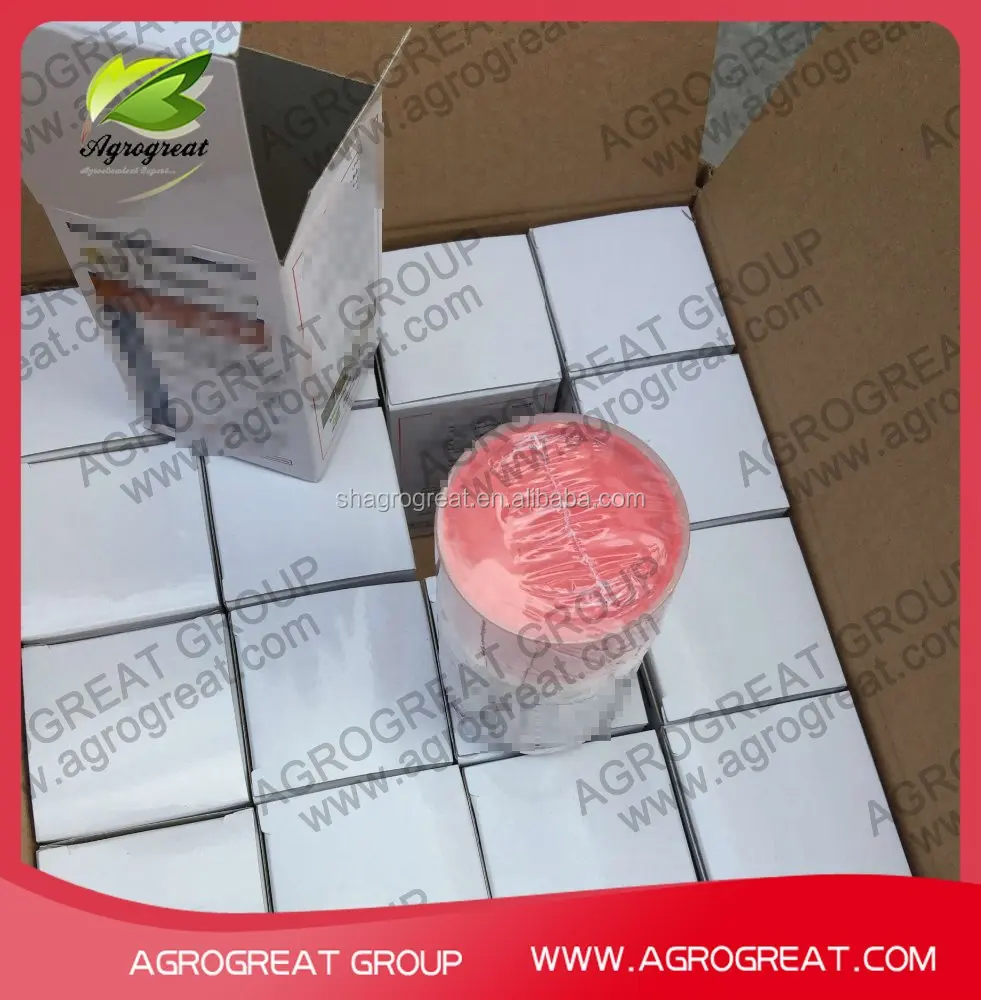
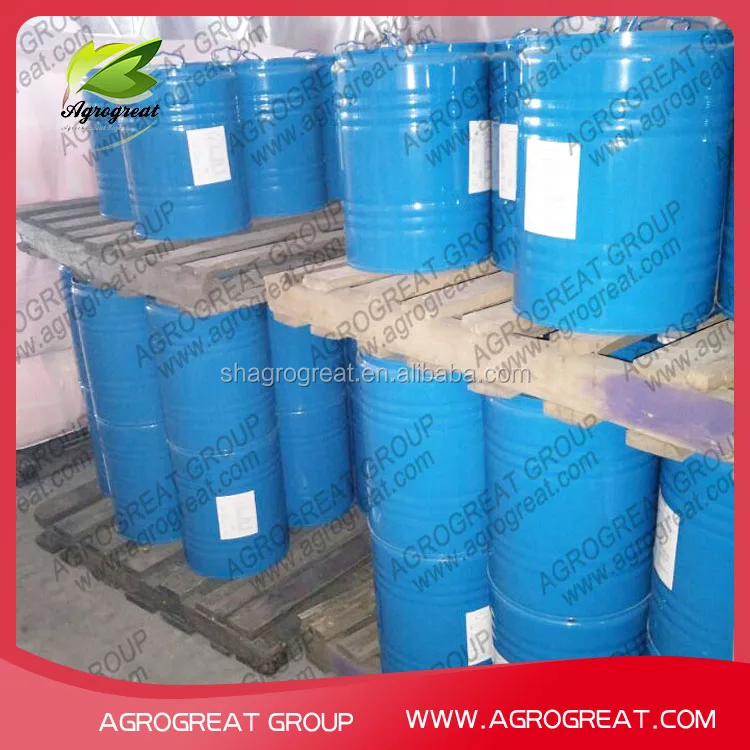
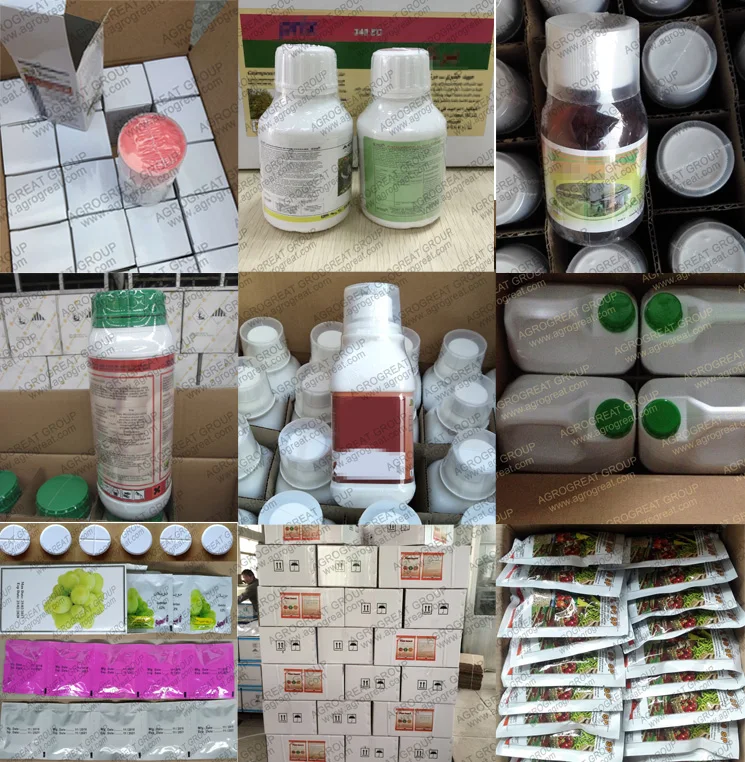
Package | 25KG/Drum,200L/Drum, 25KG/Bag, 20L/Drum, 5L/Drum, 1L/Drum etc |
Packaging & Shipping
| SMALL PACKING | |
| Liquid | 5L/Drum,1L/Bottle, 500ml/Bottle, 250ml/Bottle, 200ml/Bottle, 100ml/Bottle, 50ml/Bottle etc. |
| Powder | 1kg/Alu bag, 500g/Alu bag, 200g/Alu bag, 100g/Alu bag, 50g/Alu bag, 15g/Alu bag etc. |
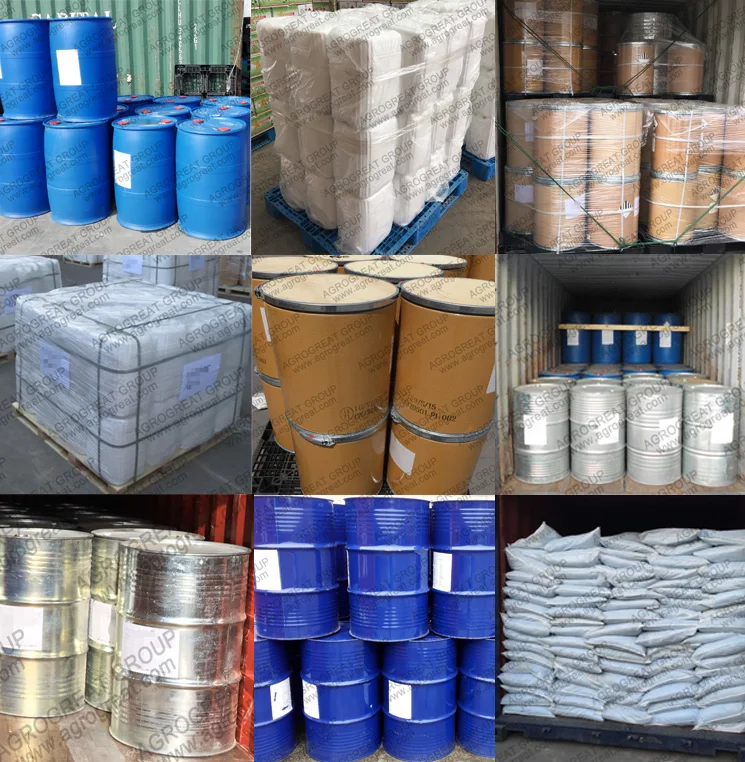
| BIG PACKING | |
| Liquid | 1000L/Drum, 200L Drum, 20L/Drum etc. |
| Powder | 25kg/Drum, 25kg/Bag, 10kg/Bag etc. |
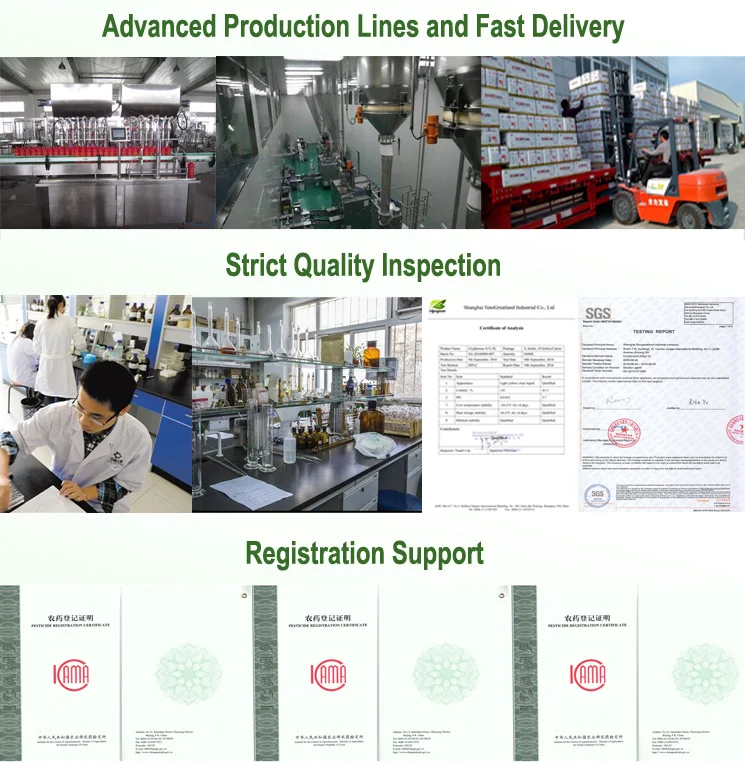
Our Services
We Recommend
New Arrivals
New products from manufacturers at wholesale prices