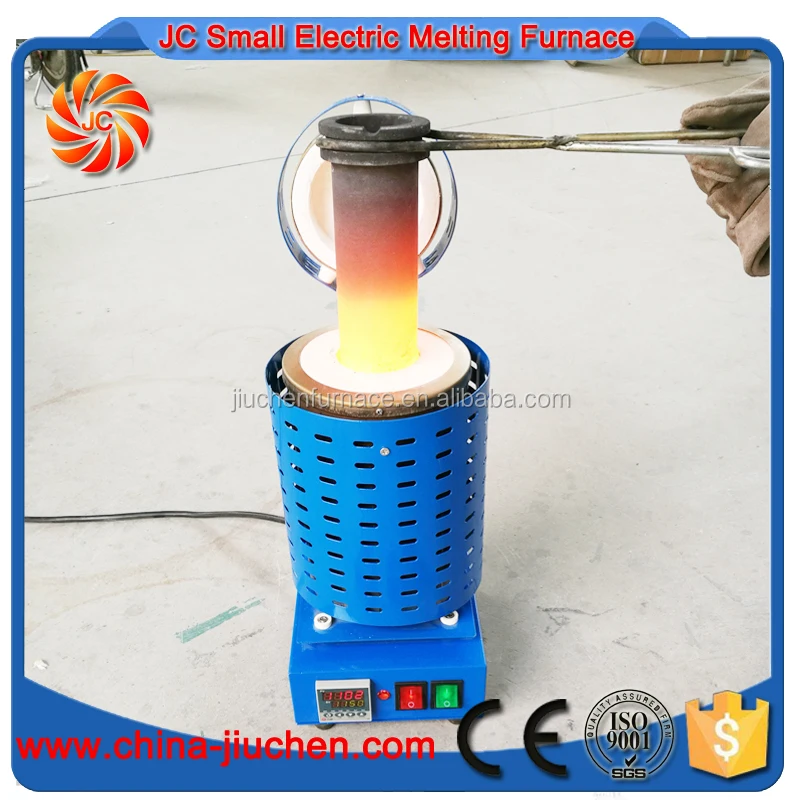
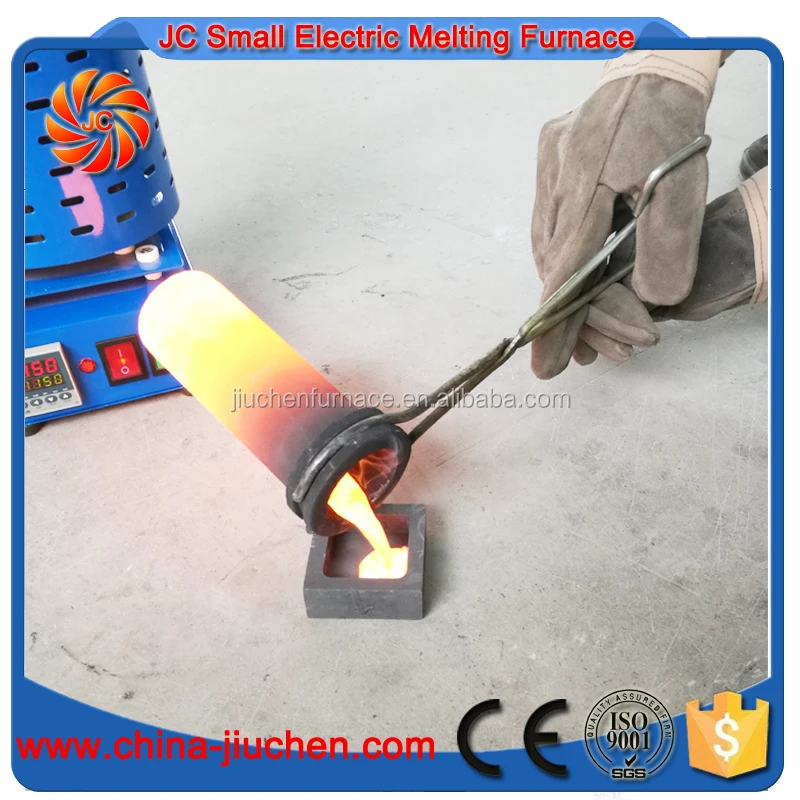
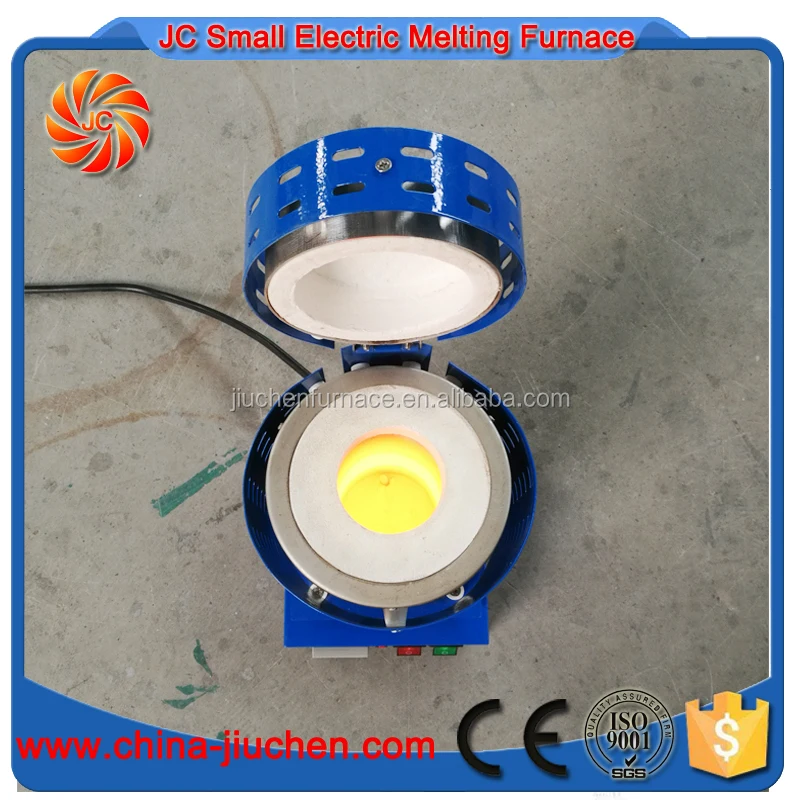
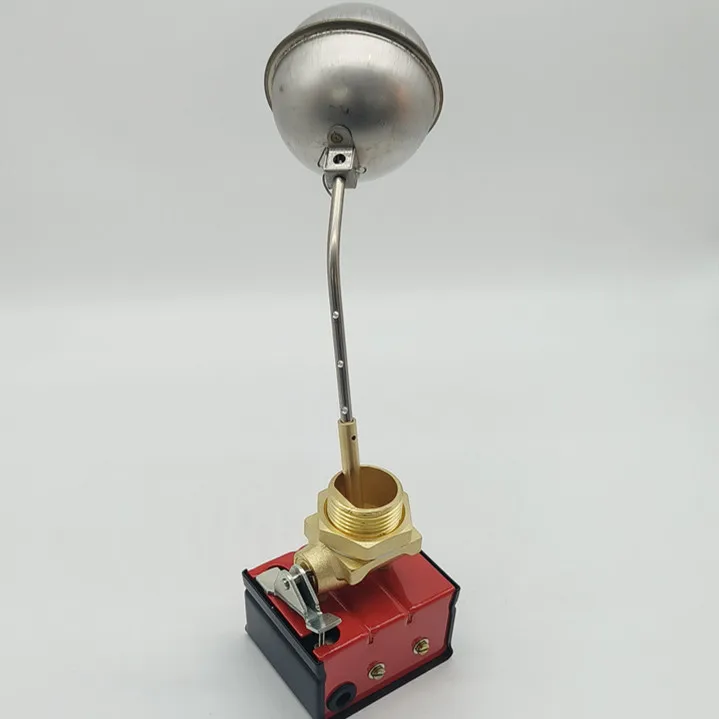
Electric Gold Melting Crucible Melting Furnace Induction Heater
Product Description
The furnace is ideal for professional use. By using high-quality materials, the melting furnace can meet the requirements of the industry and the workshop, are suitable for the processing of precious metals such as gold, silver and copper.
NOTE
1. The melting furnaces are expressly suitable for the processing of precious metals such as gold, silver and copper.
2. To make the machine more durable, it is recommended that the machine should not work for more than 3 hours, such as work for more than 3 hours, please stop about 1 hour and then continue to work.
3. Please pay attention to check the crucible at any time, and at any time to replace, to avoid the rupture of the crucible and damage the furnace situation.
Specifications
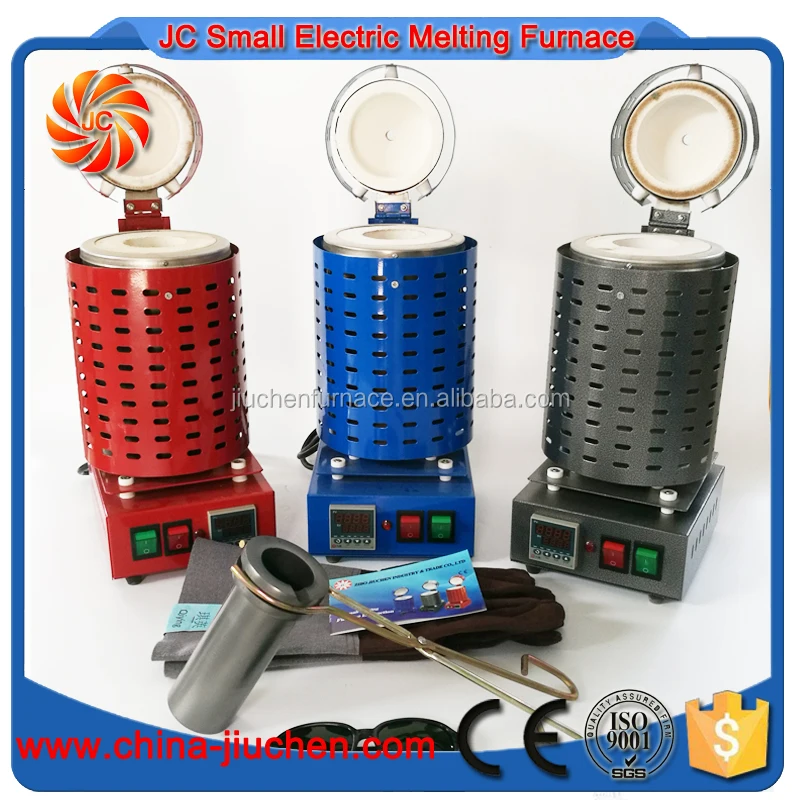
Color: Blue, Gray, Red
Measuring Accuracy of Heating Range: ± 0.5%
Ambient Temperature: 0-50 ℃ (32-122 ℉)
Environment Humidity: 30-85%
Measurements (LxWxH): 17*22*36cm
Net Weight: 6kg
Shipping Dimensions (LxWxH): 29*33*47cm
Gross Weight: 10kg
Package Content
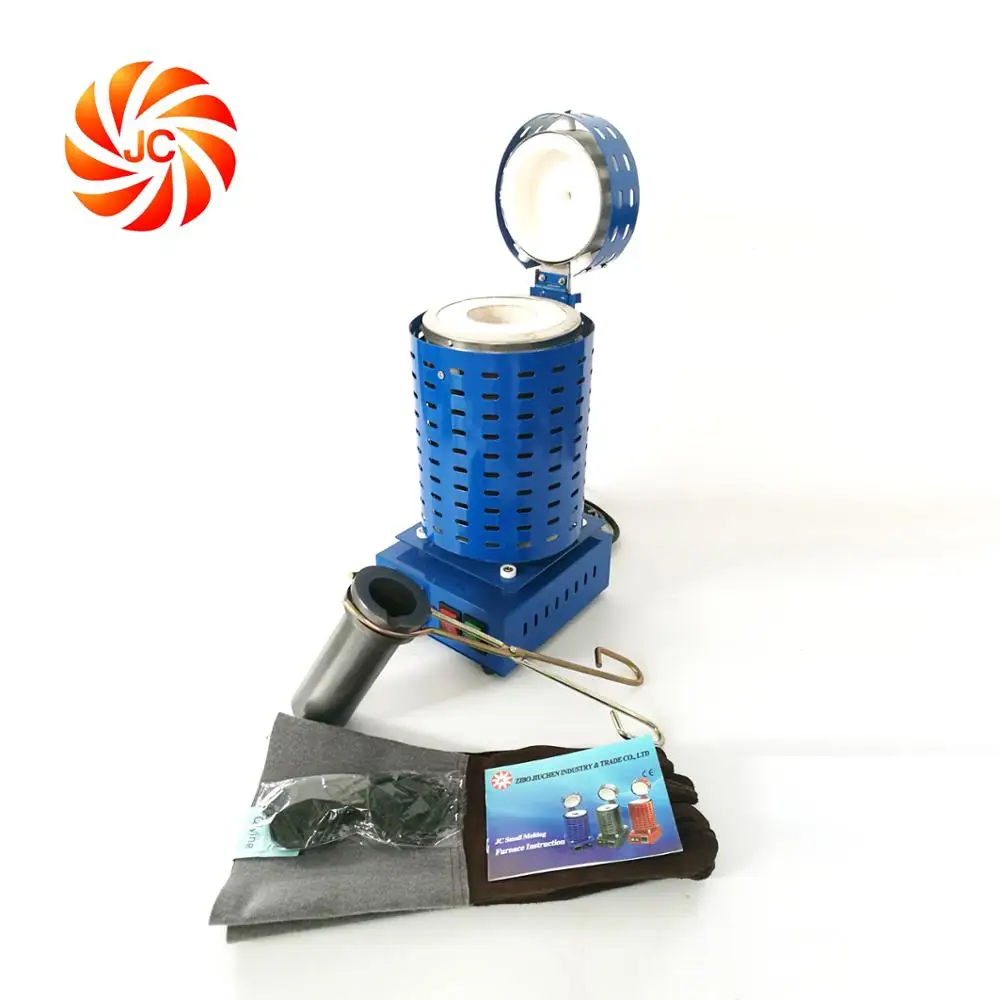
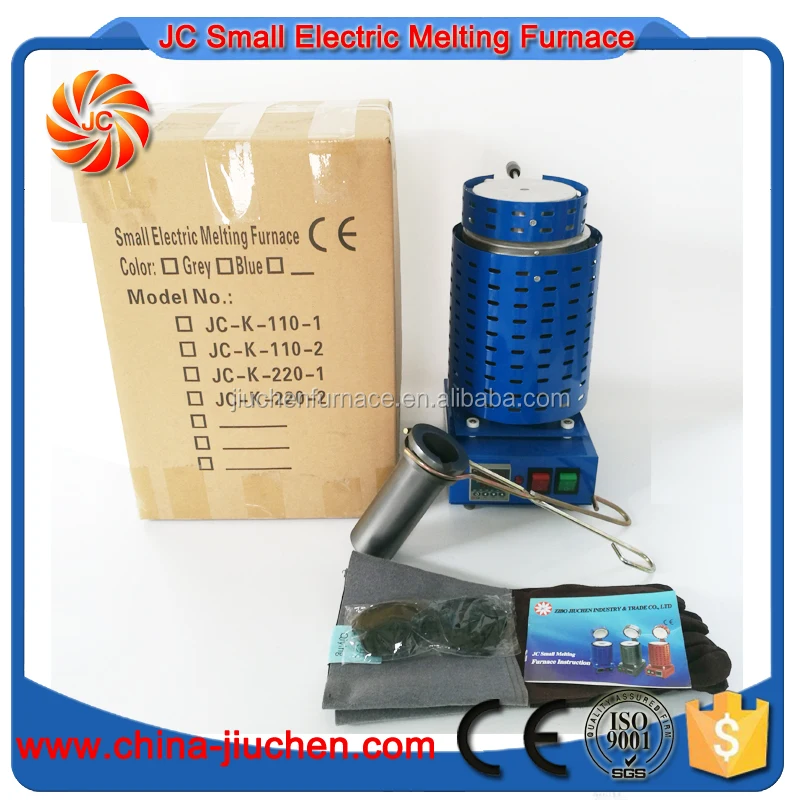
1 x Melting Furnace
1 x Graphite Crucible
1 x Glasses
1 x Glove
1 x Product Manual
Product Features
Considerations when using the furnace:
1. Fit the supplied lid handle, found in the spares bag, to the lid. The other bits are for any ceramic spacers or insulators if replacement is needed. There is also a spare fuse.
2. Set the furnace on a stable flat surface such as a sturdy bench. Position the mould close to the furnace, so that the distance that you are carrying the hot crucible is minimal.
3. It is good practice to set a low temperature first, to allow the crucible to warm up slowly, such as 250*C. Let the furnace stay at that temperature for about five minutes. This also makes sure that the crucible and its contents are dry. Never use a moist crucible or add moist contents into the crucible.
4. It is also good practice to then set a medium temperature such as 650*C, let it settle, then set the final temperature such as 1140*C.
5. This implies that you are aware of the correct melting temperature of the metal that you are wanting to melt. The following table is to be used as a guide.
Metal / Alloy
Metal Compositon
Melting Point
*C
Nominal and Range of Pouring temperature *C
Alumium
Al
657
730:
700 - 740
Brass
70%Cu, 30%Zn
1000
1150
1000 - 1180
Copper
Cu
1083
1160
1130 - 1180
Leaded bronze
80%Cu, 10%Sn,10%Pb
930
1070
1000 - 1090
Gold
Au
1063
1160
1140 - 1180
Silver
Ag
961
1080
1050 -1105
Lead
Pb
327
400
360 - 415
Tin
Sn
232
280
255 - 310
Zinc
Zn
419
520
450- 580
6. Do not guess the temperature that you need to set. Make sure that it is correct for the type of metal and the considerations of the mould design.
7. Be aware that during the heating process, the indicted temperature will most likely overshoot before settling down to the correct temperature. This is not a problem as the real temperature of the crucible contents is actually lower, due to the lag in temperature of the crucible contents. It is good practice to set 2/3 a final temperature, wait for it to settle, then set the final target temperature. This will greatly reduce the indicted temperature overswing.
8. Do not add moist metal to a molten metal bath. The result will be at minimum, a major splash over, at worst, an explosion of the crucible contents.
9. When pouring molten metal into a mould, make sure that the mould has been pre-heated so that there is no possibility of moisture in the mould. It is good practice to heat the mould anyway as that will reduce the possibility of molten metal freezing in the mould before it has flowed to all parts of the mould. When pouring into a refractory mould, such as Plaster of Paris, make sure that the refractory mould has been oven dried.
10. Do not overfill the crucible. Fill only to about 2/3 capacity as you may spill molten metal during the crucible transfer to the mould.
11. Clean out the crucible after use, make sure that there is no stuck metal on the sides, gently use a scraper to clean metal out of the crucible. This is to prevent hot spots in the crucible and also to reduce contamination of the next melt.
12. It is vital that you accurately measure the wear of the crucible. Document what the inside and outside dimensions are, so that you can see how much wear has taken place. Use a digital ruler / micrometer to measure the wear. Do not go past more that 40% wear compared to the original new crucible dimensions. Most repairs of the furnace are caused by using the crucible past its useful life. This causes metal run-outs and / or flux boil overs.
Technical Data
Product Name
Model
JC-K-220-2
JC-K-110-2
Volt
220-240V/AC
110-140V/AC
Power
1500W
1500W
Working Temperature
1150C
1150C
Max Temperature
1200C
1200C
Capacity
1-4kg(for gold)
1-2kg(for copper)
1-500g(for aluminum)
1-3kg(for lead)
1-4kg(for gold)
1-2kg(for copper)
1-500g(for aluminum)
1-3kg(for lead)
Heating Rate
25mins heat up to 1150C
25mins heat up to 1150C
Outside Size
170*200*350mm
170*200*350mm
Chamber Size
∅63*175mm
∅63*175mm
Spare Parts
Each set include one furnace, one 1kg crucible, one crucible tong, one pair of glasses and glove, one instruction