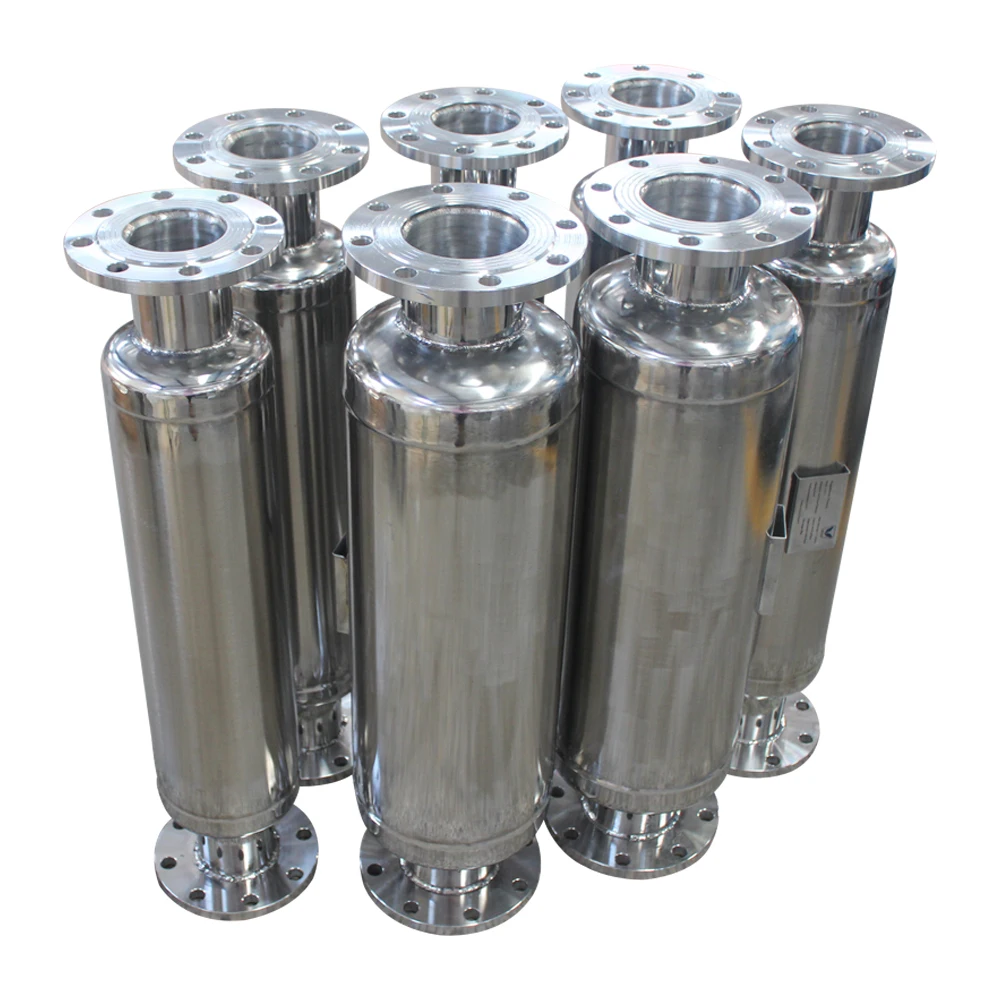
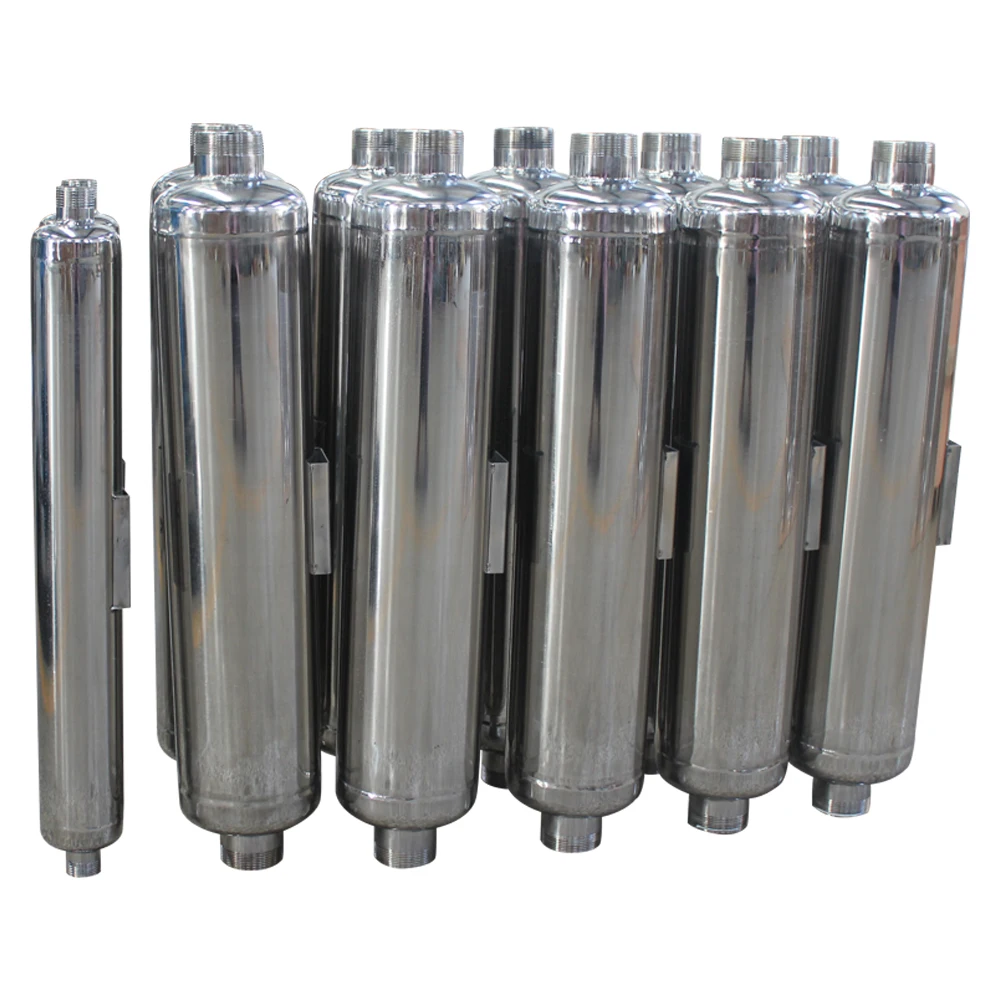
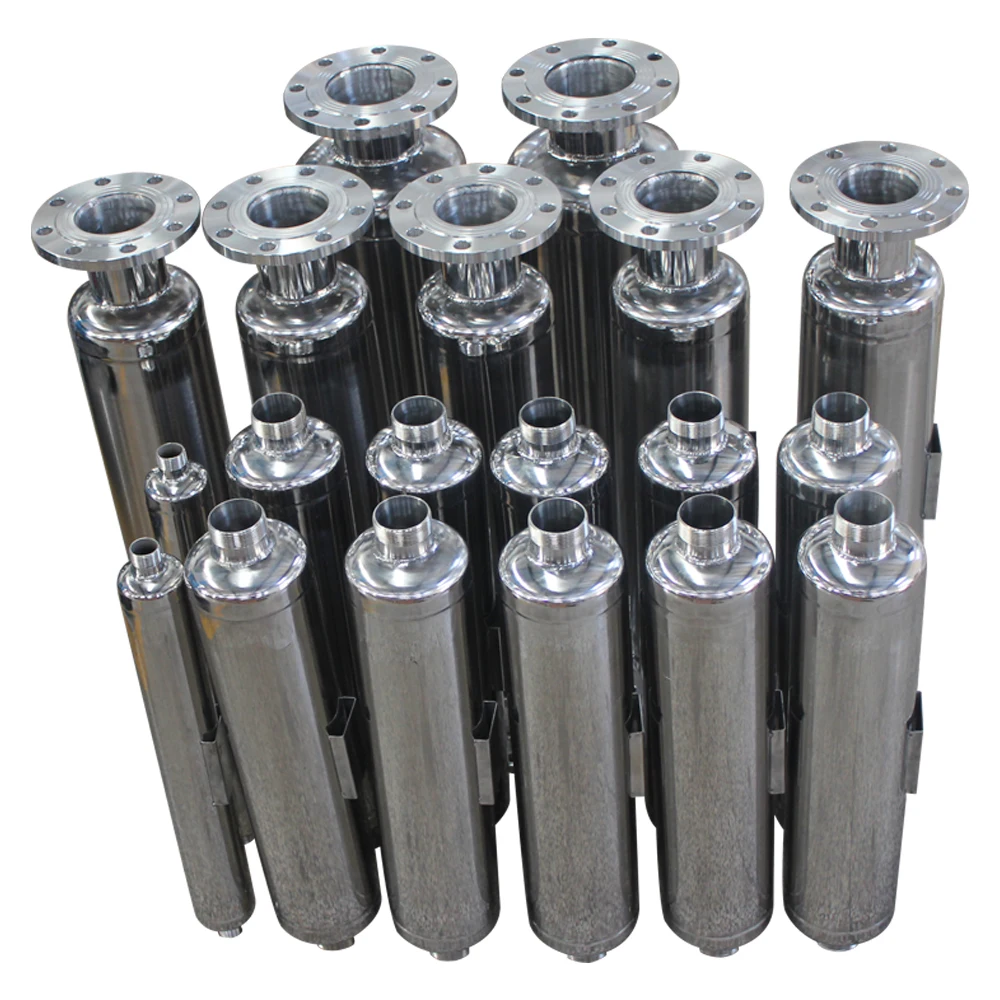
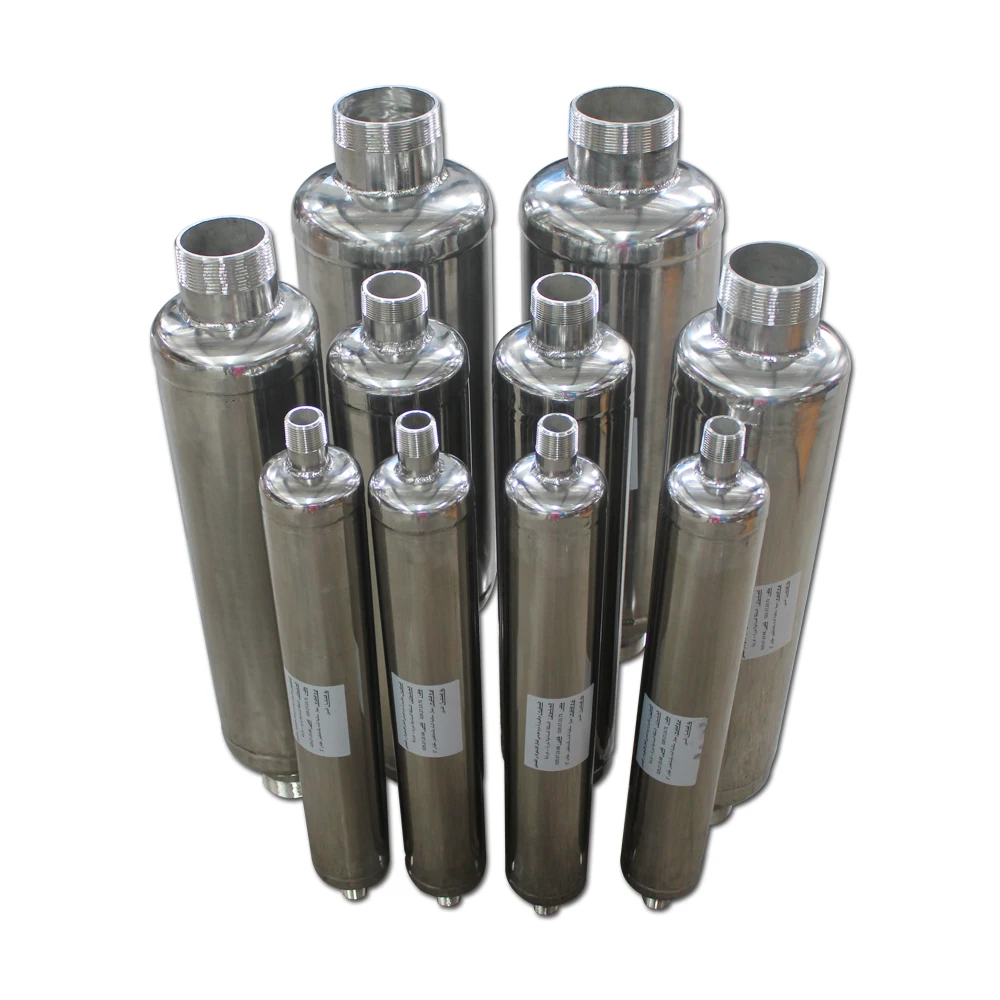
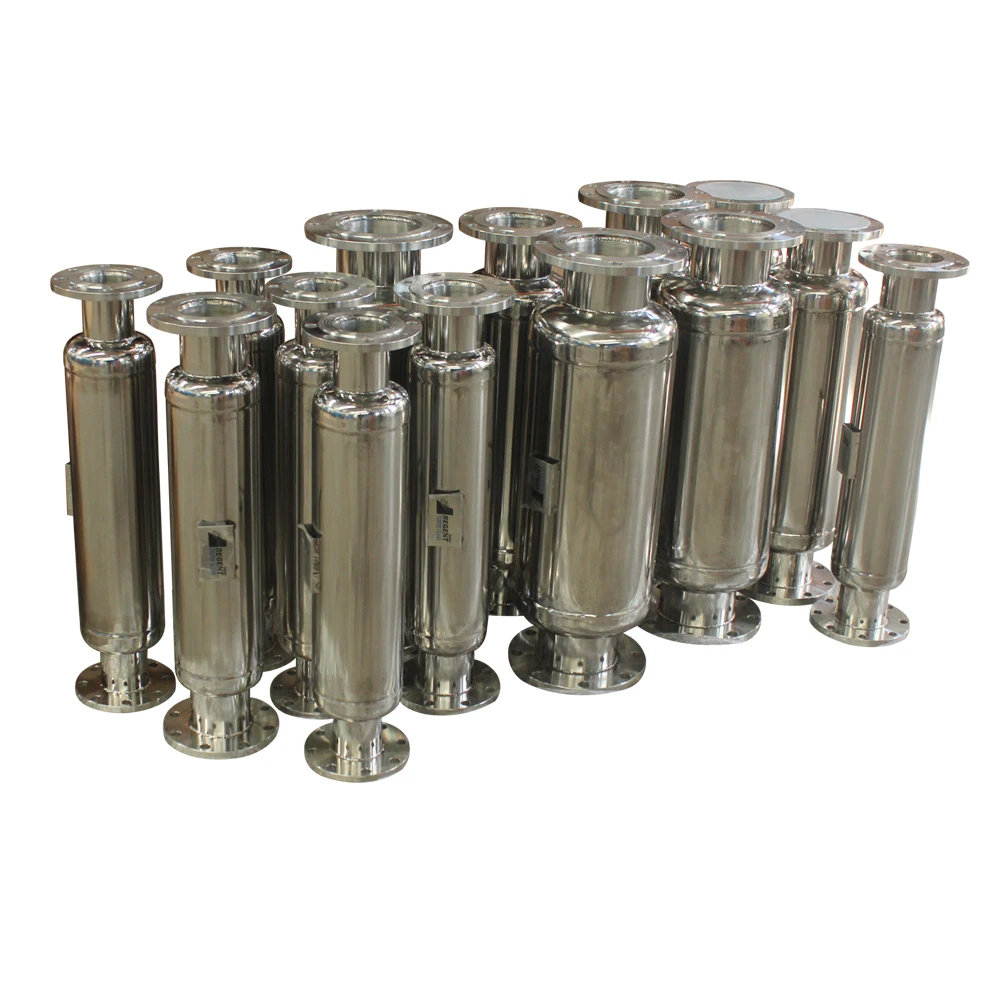
Agricultural irrigation water treatment 4'magnetic water softener 15000Gauss to reduce salt TDS ,save water
- Category: >>>
- Supplier: Jiangsu YLD Water Processing Equipment Co. Ltd.
Share on (60686443225):
Product Overview
Description
Magnetic water treatment equipment
I. Introduction
Product Description
Magnetism is a mysterious phenomenon to most people, and even many of us who have taken a few courses in college physics often don't feel we really "understand" it. In the 19th century, hucksters and scam artists were taking advantage of the public's ignorance of magnetism by offering fraudulent magnetic products to treat everything from baldness to impotence, and an even wider variety of magical wonders are being hawked over the Internet nowadays.
The purpose of this Web page is to examine the scientific validity of the claims for magnetic products, especially those related to water, in order to help counter some of the sales hype that is rampant in this field and has given it something of a bad name. Many of these claims relate to scientific principles that are frequently mis-stated or are simply wrong, but which may not be recognized as such by those whose command of chemistry and physics is lacking. It is hoped that this information will help consumers to make their own informed decisions about the validity of these products.
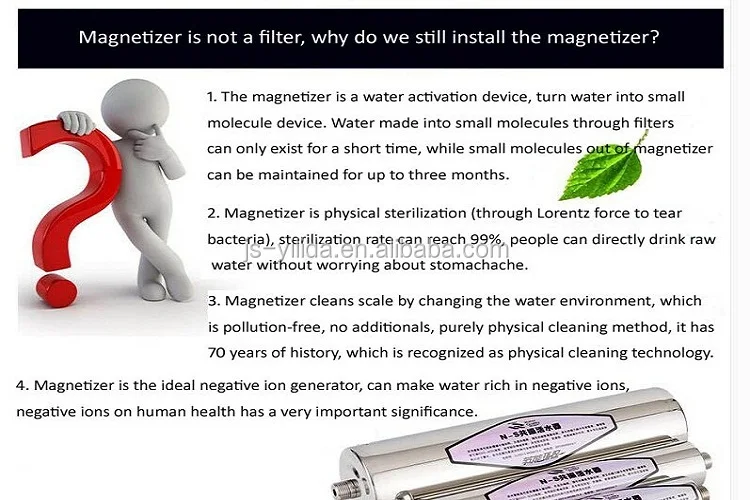
Magnetic water treatment (MWT) is a relatively new technique in environmental management. Magnetic field exposure alters physical and chemical properties of water molecules resulting in unique characteristics. Magnetized water has shown various properties with possible applications in different fields of environmental management. Scale prevention/elimination, soil enhancement, plant growth, crop yield, water saving, and waste water treatment are some of these applications. Magnetic treatment of water restructures the water molecules into tiny, uniform and hexagonally structured cluster easing their travel through the passageways in plant and animal cell membranes. In addition, toxic agents cannot enter the MW structure. These features make MW a bio-friendly compound for plant and animal cells. The present study reviews the applications of MWT in environmental management. The recent advances of MWT in different fields of environment management are discussed. In addition, the mechanism of action of MWT in different applications and future perspectives are discussed.

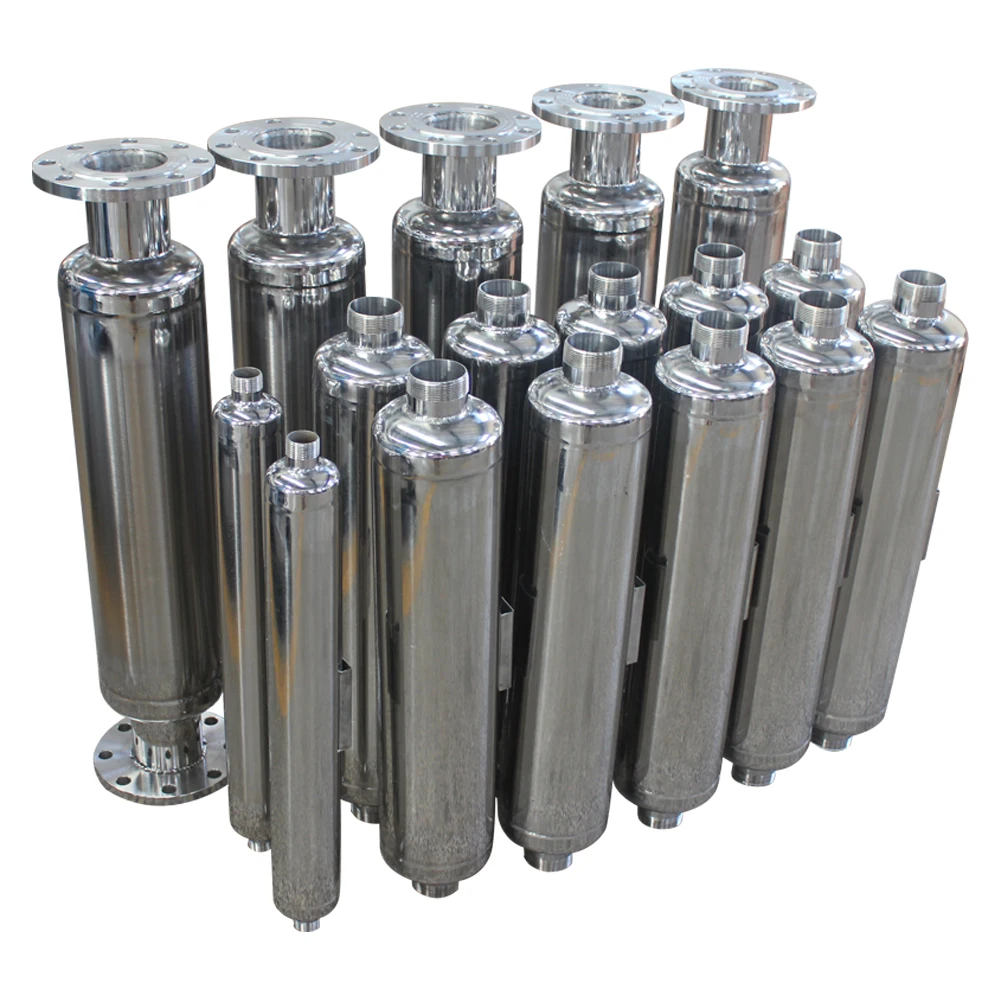
Magnetic scale preventers are placed "in-line" on your water pipes. As the name suggests they consist of strong magnets that create a magnetic field.
As water flows past the magnetic unit the microscopic crystals - that cause scale buildup - bond together.
This prevents them from sticking to the sides of your pipes, boilers and kettles etc.
II. Principles of Magnetized Water
Natural water contains micro and macroparticles of organic and inorganic natures along with different ions, zoo- and phytoplankton, and microbubbles. Magnetic water treatment is based on the principle of “magnetohydrodynamics”, where; electrical energy is added to charged particles in water that contains ions and small solid particles with electrostatic charges by a magnetic field. The energy is produced by the momentum of the particles and remains attached to the particles as surface energy.

Magnetic water treatment works on the principle that as water passes through a magnetic water softener, a Lorentz force is exerted on each ion which is in the opposite direction of each other. The redirection of the particles increases the frequency of collisions between ions of opposite sides, combining to form a mineral precipitate or insoluble compound. Calcium carbonate precipitates out of solution as a sludge and can be easily removed from the system since it will not adhere to pipe walls.
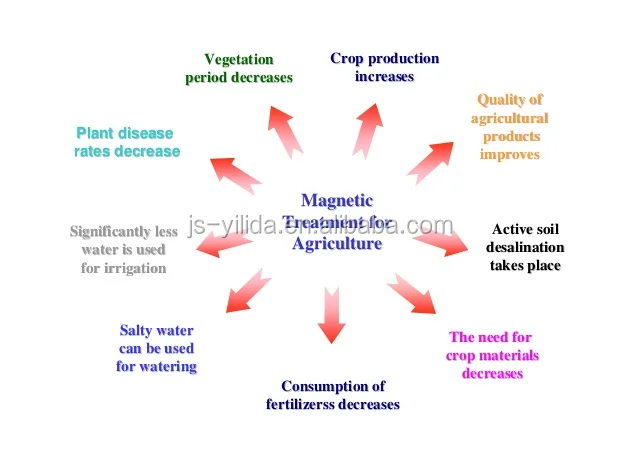
Magnetic Water Treatment in Agriculture
Natural water contains micro and macroparticles of organic and inorganic natures along with different ions, phytoplankton, and microbubbles . In normal or non-MW, the water molecule clusters are loosely attracted. These clusters are in different sizes depending on the number of water molecules. This loose and chaotic form of attraction increases the bonding of toxic agents and pollutants. A small fraction of these large structure clusters can enter the cell membrane. In addition, toxic agents can adhere to this loosely structured water cluster molecules which consequently can enter the cell membrane with adverse effects . Therefore, to hydrate a plant a great deal of normal water is required. MWT process is based on the magnetohydrodynamics principle, where MF exerts and adds electrical energy to charged particles in water that contains ions and small solid particles with electrostatic charges. In MWT, water passes through a magnetic field or combination of magnetic arrays where a Lorentz force is exerted on each ion which is in the opposite direction of each other. The redirection of the particles increases the frequency of collisions between ions of opposite sides, combining to form a mineral precipitate or insoluble compound. In addition, toxic agents cannot enter the MW structure. These features make MW a bio-friendly compound for plant and animal cells.

MW can be used to increase crop yield, induce seed germination and benefit the health of livestock. Studies have demonstrated that using MW for irrigation can improve water productivity. In addition, MW is reportedly effective at preventing and removing scale deposits in pipes and water containing structures .

How much water treatment do magnetic devices provide?
There is virtually no valid scientific data to support any water treatment benefit from magnetic devices. Despite this, companies, sales representatives, and product brochures for the devices may make any one of the following claims:
- § “Gives hard water properties of soft water”
- § “Prevents water from forming normal chemical reactions that cause hard water scale, rust, and corrosion.”
- § “Stops buildup of scale and rust and eliminates or reduces existing rust.”
- § “Provides clean clothes, shiny fixtures, better health, and nice skin.”
- § “Makes washing machines, dishwashers, and coffee makers run more efficiently thus avoiding costly repairs.”
- § “Reduces hydrogen sulfide smells and iron buildups.”
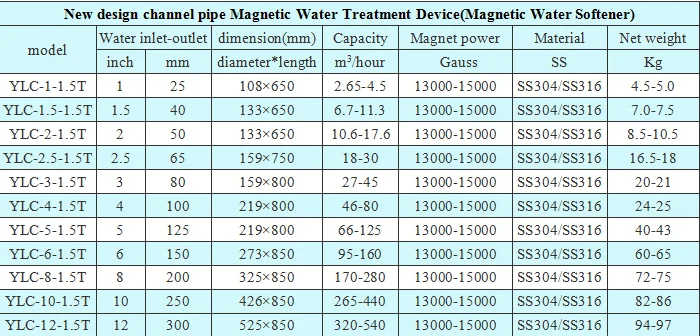
Technical parameter
Packaging & Shipping

Company Information

We Recommend

New Arrivals
New products from manufacturers at wholesale prices