tomato processing machine tomato paste machine tomato sauce making machine
- Category: >>>
- Supplier: Zhejiang Xuxiang Machinery Technology Co. Ltd.
Share on (60704268089):
Product Overview
Description
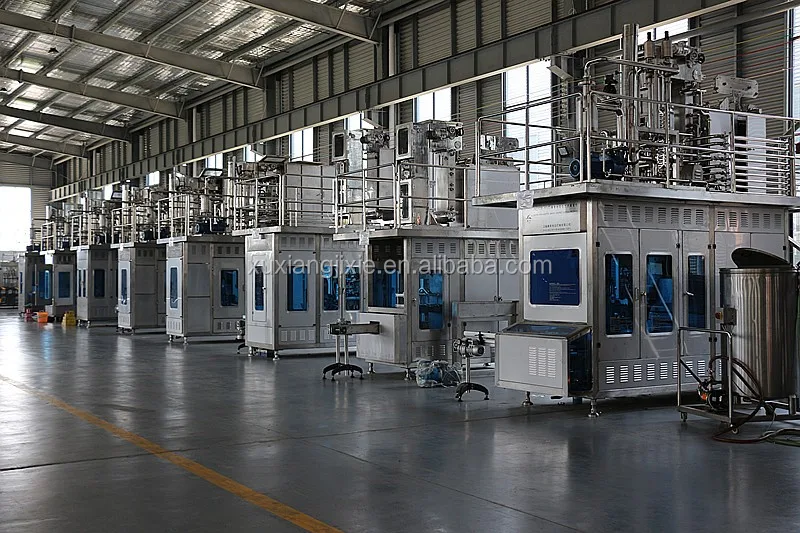
Detailed Image



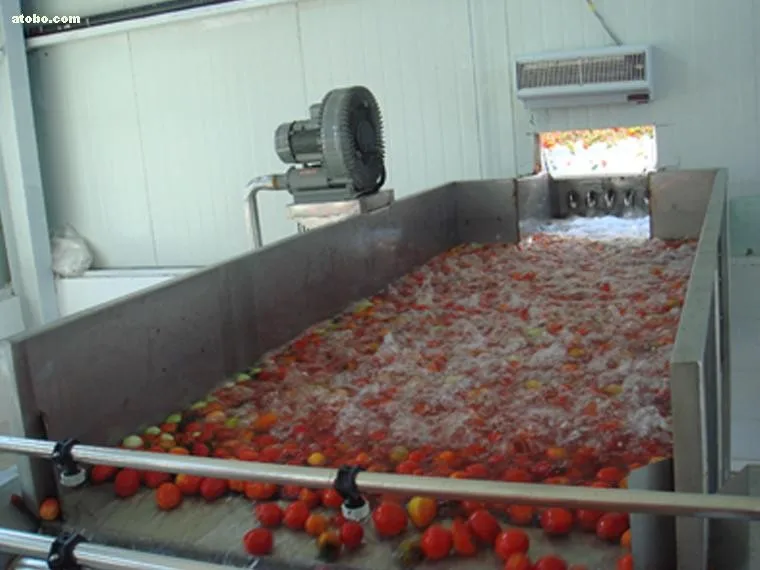

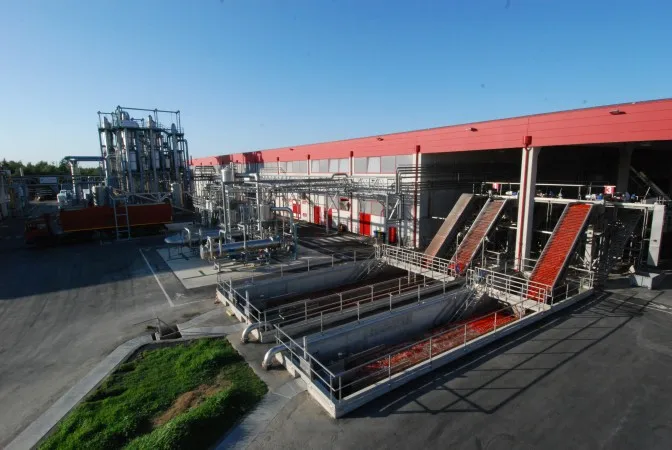
Tomato paste proudction line production process:
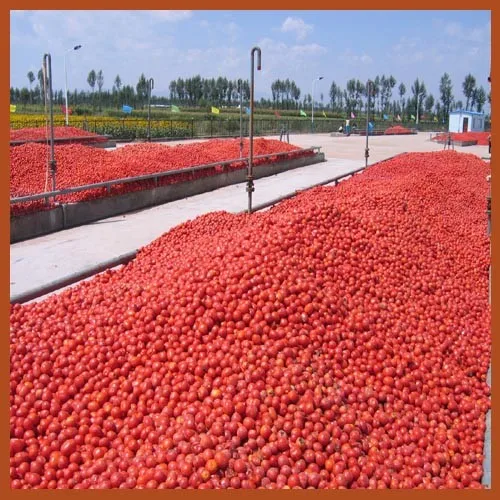
The raw material selection, washing, dressing, blanching, pulping, heating and concentrating, canning, sealing and sterilization - cooling - finished products.
capacity per hour | raw material | Packing way |
from 1T to 30 T each hour | fresh tomato | Tin can |
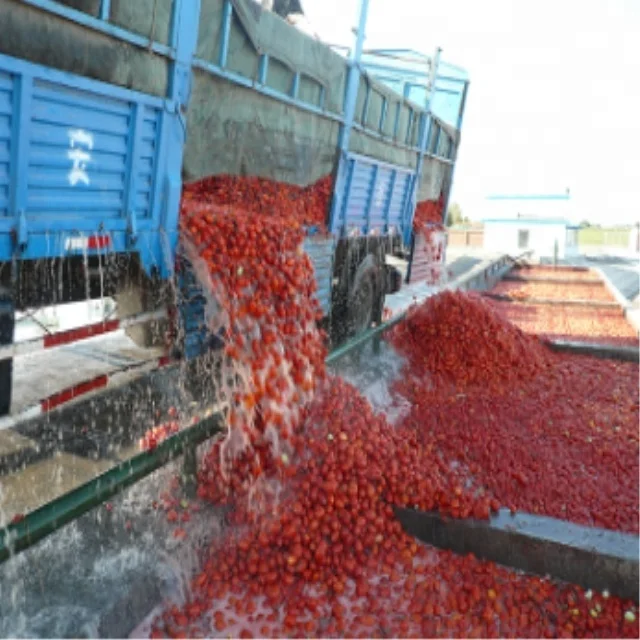
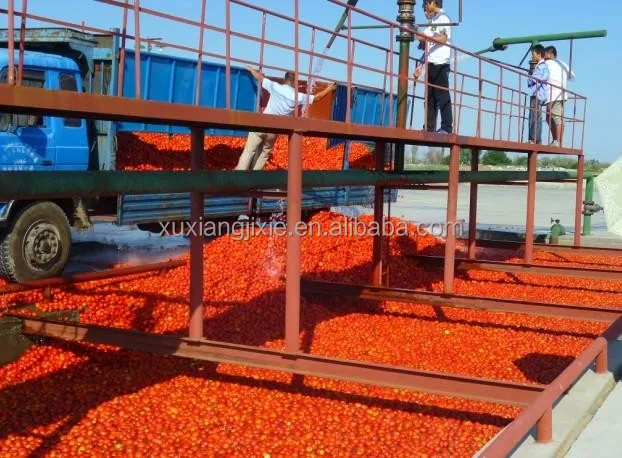
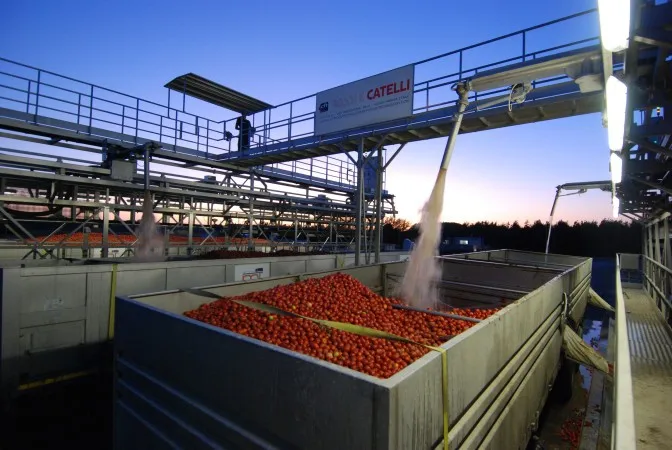
Fresh tomatoes arriving at the plant in trucks are unloaded into a collection channel (also known as flume), a stainless steel or cement duct into which a quantity of water 3 to 5 times higher than the amount of unloaded tomato is continuously pumped. For example, a 10 tons/hour rate requires at least 30m3/hour of water.
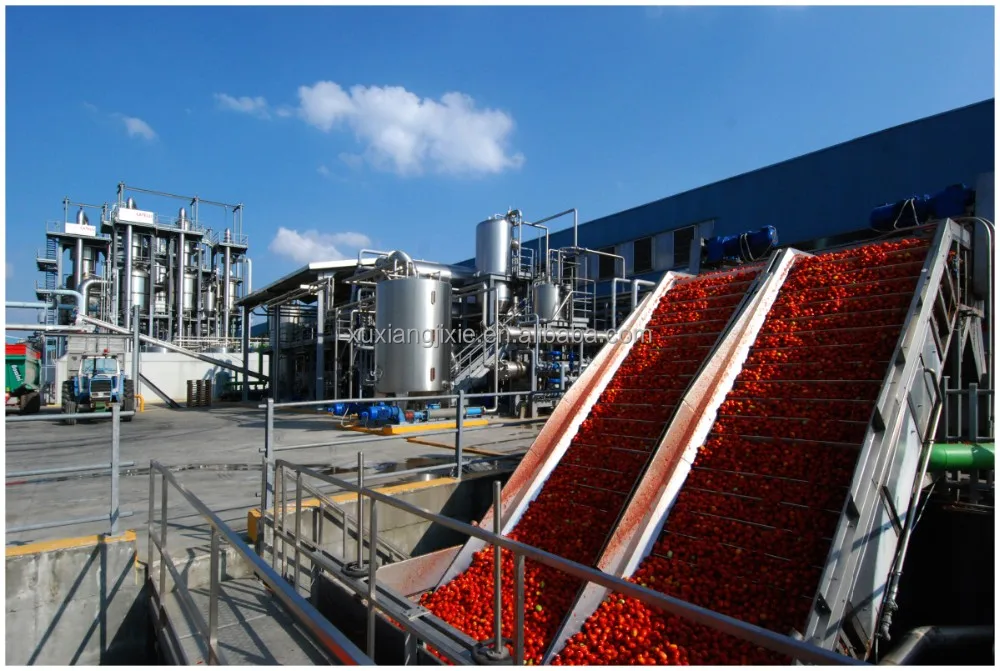
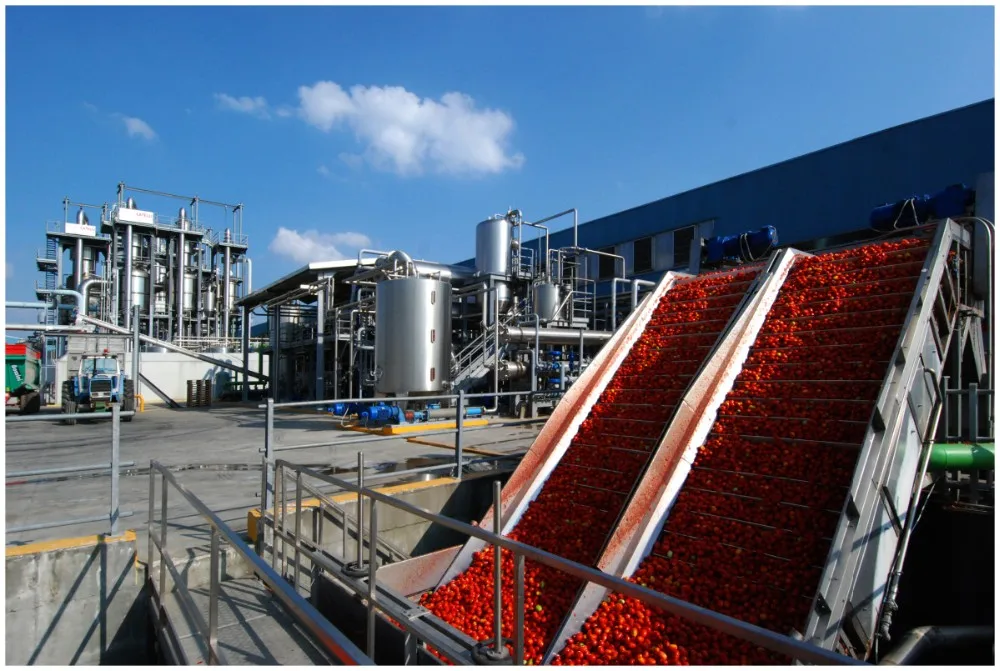
This water flow carries the tomatoes into the roller elevator, which then conveys them to the sorting station. The delivery trucks park-up alongside the flume and, while the trailers containing the tomatoes are being tilted towards it, an operator, using a special tube, pipes a vast quantity of water inside the truck, so that the tomatoes can flow out from the special 50 x 50cm opening. In this way the tomatoes and the water will be gradually feed into the flume without getting damaged.
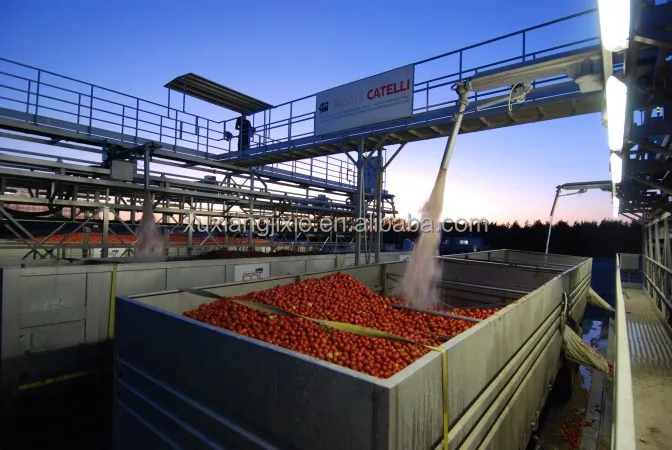
The tomatoes then arrive at the sorting station, after having been rinsed under a clean water spraying system (preferably drinking water). Here the staff removes the green, damaged and excessively small tomatoes which are placed on a reject conveyor (or an auger) and then collected in a large box or directly inside a truck to be taken away. The tomatoes suitable for processing are transported to the chopping station (this may be a hammer mill or a special mono-pump provided with pre-feeding screw) where they are chopped. The pulp is pre-heated to 65-75°C for Cold Break processing or to 85-95°C for Hot Break processing. The main control panel on the evaporator regulates the pre-heating temperature.
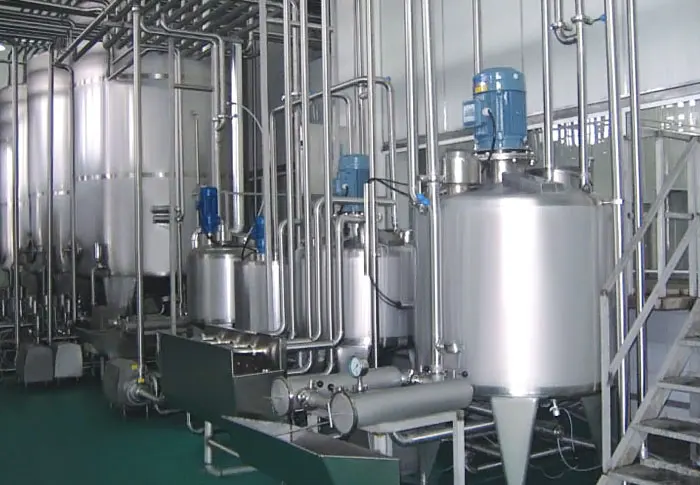
The heated tomato pulp (fiber, juice, skin and seeds) is then conveyed via a special pump to an extraction unit composed of two operating stations: a pulper and a refiner, equipped with two sieves having different sized meshes. The first sieve processes solid pieces up to 1 mm, while the refiner processes solid pieces up to 0.6 mm, depending on the type of sieve fitted on the machine (the manufacturer can supply sieves with different sized holes if necessary). Two products therefore come out of the extraction unit: refined juice for concentration and waste for disposal. The average extractor yield varies according to different factors: the pulp’s temperature (a higher temperature will mean an increased juice yield), the variety of tomatoes treated, the type of sieve fitted, the rotation speed and the shape of the rotor on each dejuicing body unit. On average, however, the yield is about 95%. For example, if the extractor is fed with 100 kg of hot pulp, it will produce 95 kg of juice and 5 kg of waste. In addition, there is also a hypothetical product waste of about 1-3% from the grading stations. Therefore, 100 kg of tomatoes unloaded from the trucks will produce about 93-94 kg of juice to be concentrated. At this point the refined juice is collected in a large tank which constantly feeds the evaporator. This tank is equipped with maximum and minimum level indicators-adjusters which control the pump supplying juice to the evaporator.
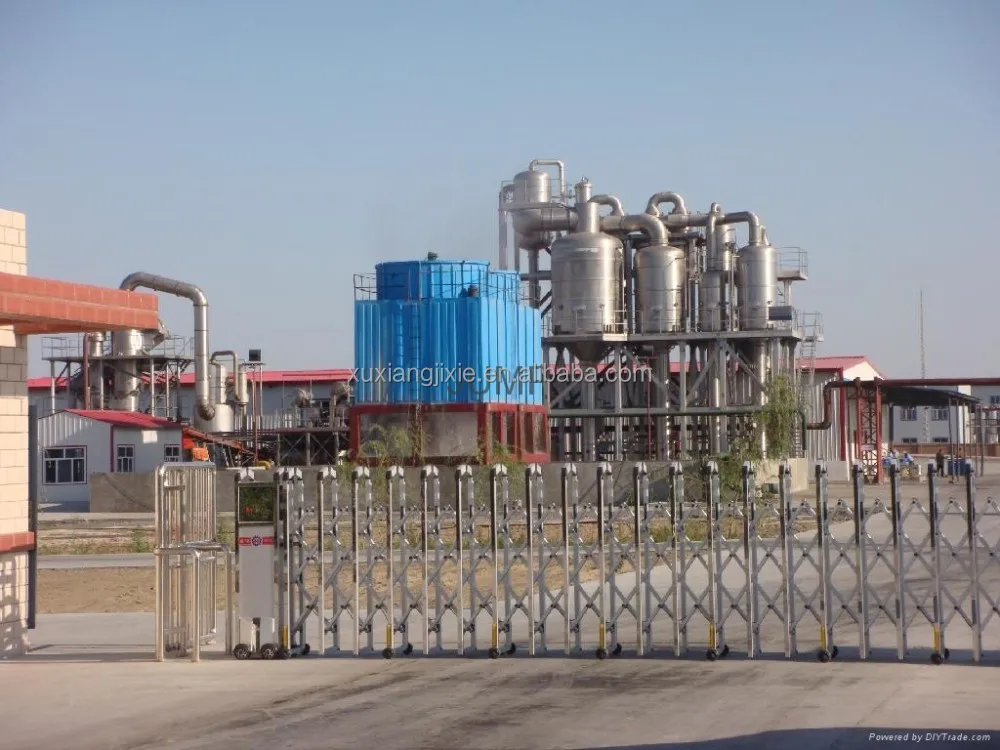
The juice in this storage tank is fed to the evaporator which automatically regulates juice intake and finished concentrate output; the operator only has to set the Brix value on the evaporator’s control panel; during normal working conditions, the evaporator does not require any further regulations. The juice inside the evaporator passes through different stages (also called effects) where its concentration level will gradually increase until the required density is obtained in the final stage or “finisher”. Here the tomato paste is automatically extracted via a pump controlled by an electronic refractometer.
The entire concentration process (evaporation) takes place under vacuum conditions and at low temperatures, significantly below 100°C. Product circulation inside the various concentric tubular exchangers is carried out by special stainless steel pumps which are designed to ensure that the product is conveyed inside the exchanger tubes at a speed of over 1.2 m/sec to avoid “flash evaporation” thus avoiding to get burnt.

Company Profile

China Jimei Holdings Group
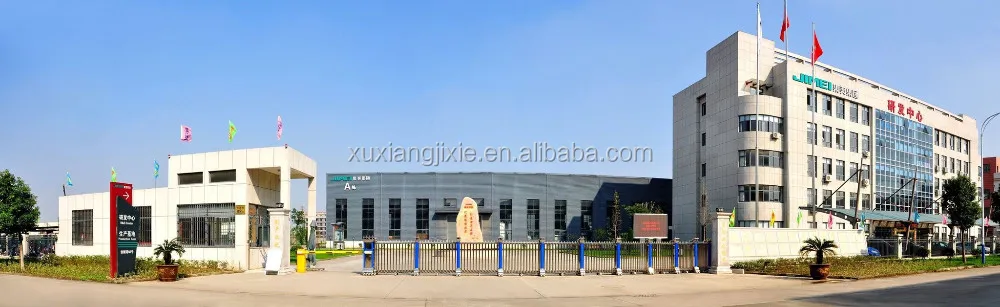
Shanghai Jimei Food Machinery Co., Ltd. is a collection of scientific research, production and service as one of professional manufacturer of liquid beverage food machinery, high-tech enterprises;the company was founded in
1989 and currently has become a leader in the domestic food machinery industry.The company's main products include: automatic roof-type carton packaging machine, automatic paper brick packaging machine,automatic paper pillow type packing machine, automatic spray sterilizing unit, PET triple filling unit, UHT tubular , plate sterilization machine, aseptic liquid flexible packaging machines, etc., and the formation of fruit and vegetable drinks production line, liquid dairy production line containing carbonated beverage production line, pure water production line, milk powder production line, cold production lines, concentrated fruit juice and jam production line, canned fruit
1989 and currently has become a leader in the domestic food machinery industry.The company's main products include: automatic roof-type carton packaging machine, automatic paper brick packaging machine,automatic paper pillow type packing machine, automatic spray sterilizing unit, PET triple filling unit, UHT tubular , plate sterilization machine, aseptic liquid flexible packaging machines, etc., and the formation of fruit and vegetable drinks production line, liquid dairy production line containing carbonated beverage production line, pure water production line, milk powder production line, cold production lines, concentrated fruit juice and jam production line, canned fruit
production line eight series as the main supporting parts of the production line equipment Vice scale Group production mode.
Why Choose Us
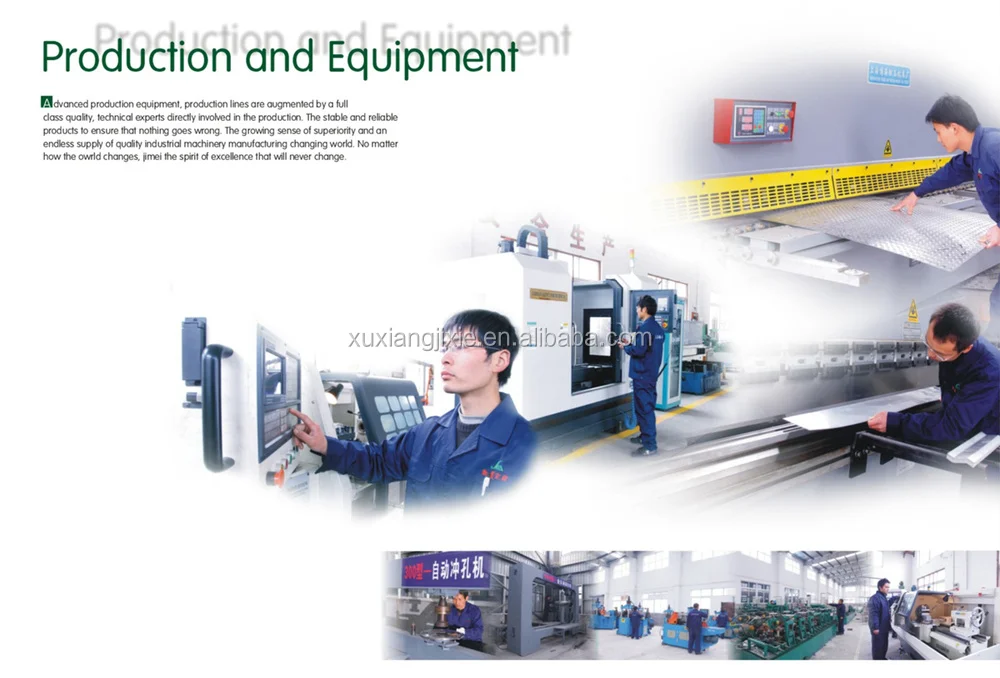
High Quality
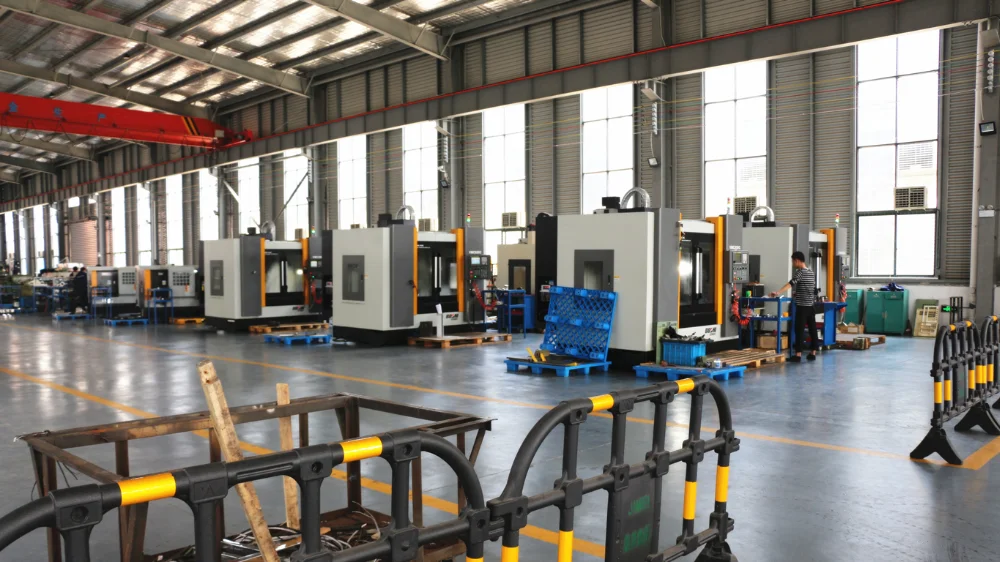
Our machines are using world famous brand component.MITSUBISH PLC variable-frequency governor and OMRON optical switch form Japan.SCHNEIDER electrical appliance components from France and Germany.LG air switch,contactor and circuit breaker from South Korea.
SEMIKRON control thyristors from Germany.
BOURNS potentiometer from America.
SEMIKRON control thyristors from Germany.
BOURNS potentiometer from America.

Long histry of the Company
JIMEI is famous for its finest quality and enjoys a long-standing reputation at home and abroad.
Having a long history of more than two decades,great experience accumulated in such a long time making us on the top list of Chinese manufacturer professionals in food machine industry.


Our team


Exhibition
FAQ
1.How long can I receive your reply after I send my inquiry?
We will reply you within 12 hours on workday.
2.Are you a manufacturer or a commercial company?
We are a manufacturer, and we have a foreign trade department, we market our own products.
3.What products can you provide?
We mainly produce beverage production machinery and equipment.
4.What are the application fields of your products?
Our products are mainly used by beverage factories or individuals who want to run a milk production plant.
5.Can you provide custom products?
Yes, custom products are our main products. We can develop and manufacture products according to customer's drawing or sample.
Saving customer's time on finding corollary equipment.
6.How's your production capacity?
Our annual output is about 800,000 sets.
7.How many employees do you have?
We have over 100 employees, including several technicians and engineers.
8.How do you ensure your product quality?
We conduct inspections in every production procedure, and for finished products, we will take 100% inspection depend on
international standards according to customer's requirements.
9.Payment?
We will confirm the payment with you when quoting, like FOB, CIF, CNF or others.
In batch production, we accept 30% deposit, balance against the copy of B/L.
T/T is the main payment, and L/C is acceptable as well.
10.What's your delivery method?
We commonly use sea transportation, using container to deliver the goods through Shanghai Port.
11.Where do you mainly export your products?
Our products are mainly exported to Mexico, Saudi Arabia, India, Algeria, Dubai, Congo, African countries, etc.
Competitive AdvantagesWell and High Quality Control.
We will reply you within 12 hours on workday.
2.Are you a manufacturer or a commercial company?
We are a manufacturer, and we have a foreign trade department, we market our own products.
3.What products can you provide?
We mainly produce beverage production machinery and equipment.
4.What are the application fields of your products?
Our products are mainly used by beverage factories or individuals who want to run a milk production plant.
5.Can you provide custom products?
Yes, custom products are our main products. We can develop and manufacture products according to customer's drawing or sample.
Saving customer's time on finding corollary equipment.
6.How's your production capacity?
Our annual output is about 800,000 sets.
7.How many employees do you have?
We have over 100 employees, including several technicians and engineers.
8.How do you ensure your product quality?
We conduct inspections in every production procedure, and for finished products, we will take 100% inspection depend on
international standards according to customer's requirements.
9.Payment?
We will confirm the payment with you when quoting, like FOB, CIF, CNF or others.
In batch production, we accept 30% deposit, balance against the copy of B/L.
T/T is the main payment, and L/C is acceptable as well.
10.What's your delivery method?
We commonly use sea transportation, using container to deliver the goods through Shanghai Port.
11.Where do you mainly export your products?
Our products are mainly exported to Mexico, Saudi Arabia, India, Algeria, Dubai, Congo, African countries, etc.
Competitive AdvantagesWell and High Quality Control.
Recommend Products
We Recommend
New Arrivals
New products from manufacturers at wholesale prices