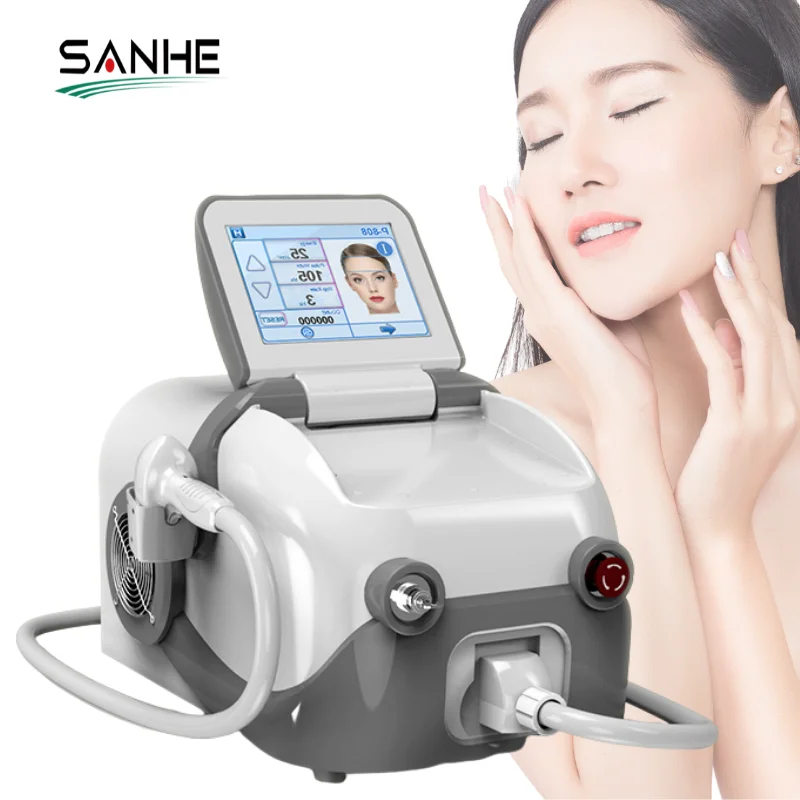
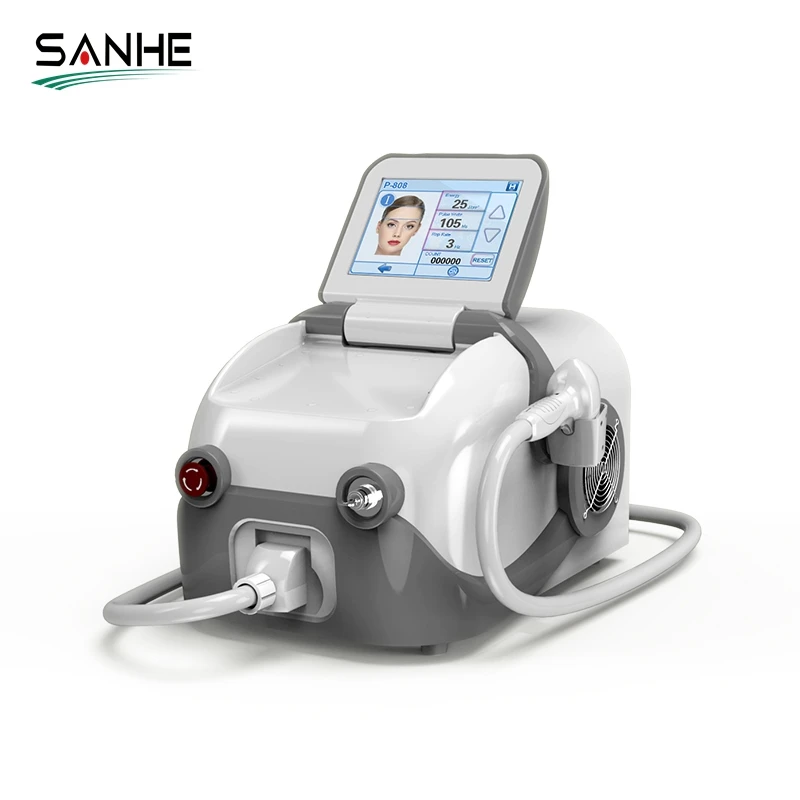
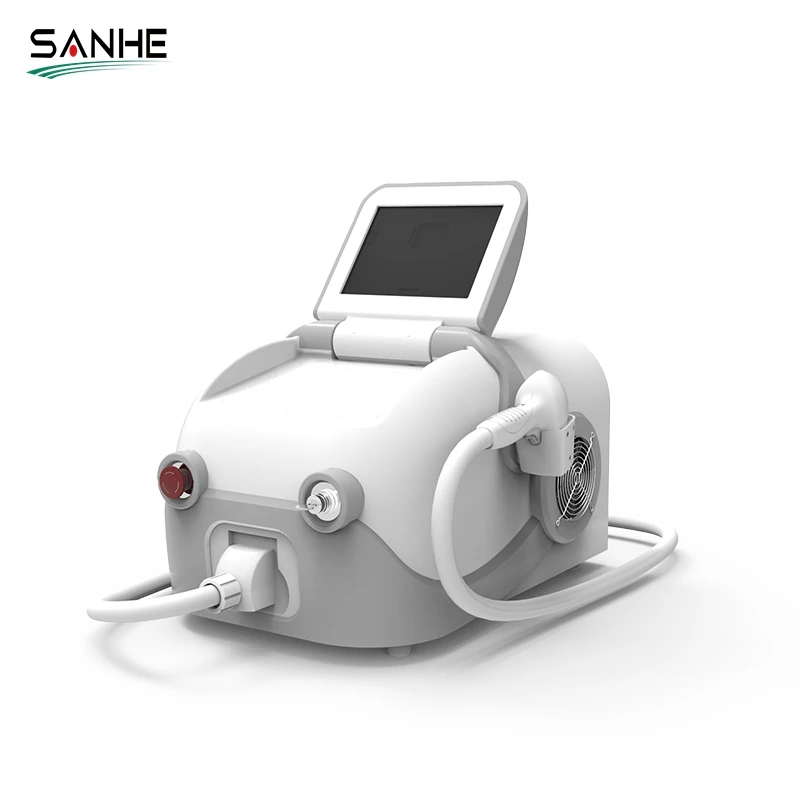
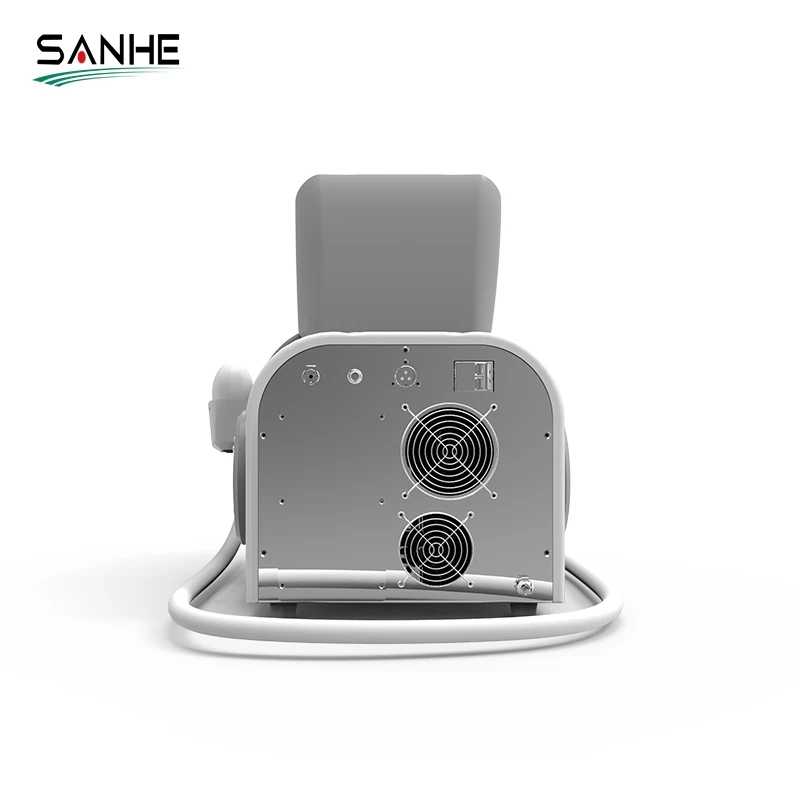
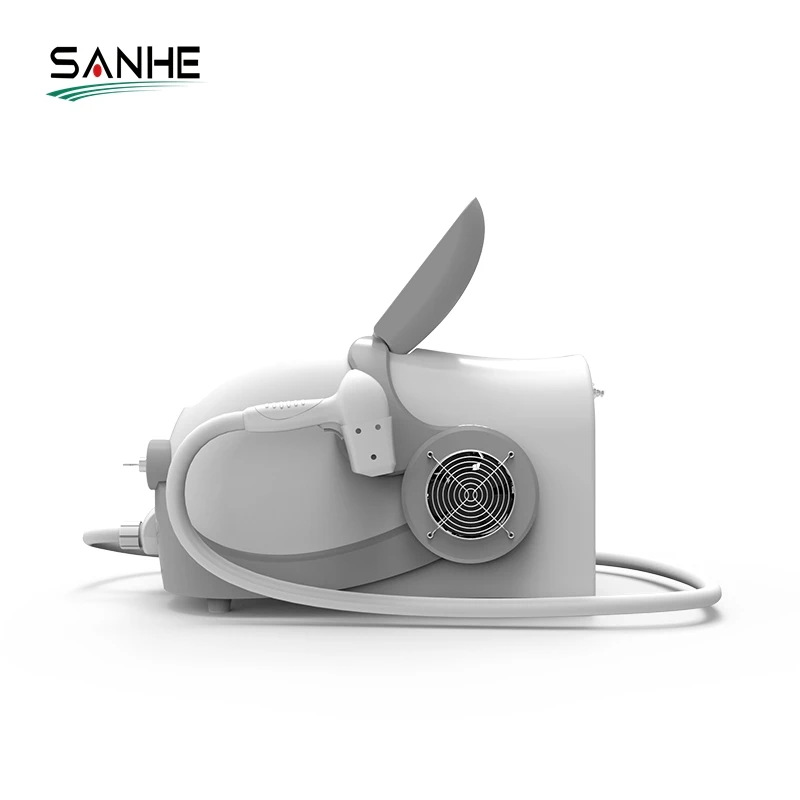
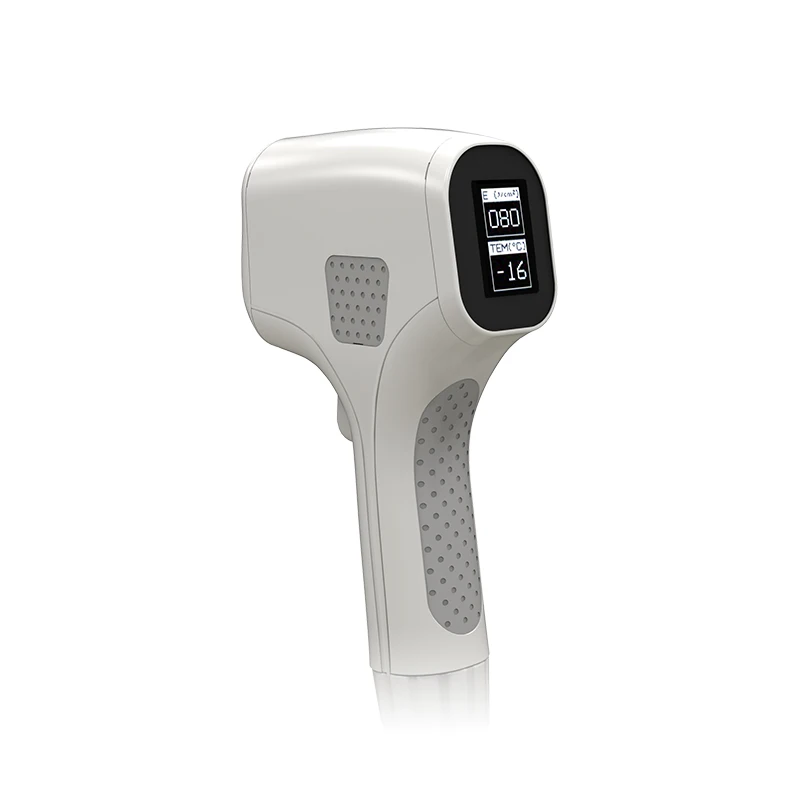
Pmix Sanhe Beauty Laser Diode 755nm 808nm 1064nm / Diode Laser Hair Removal / Hair Removal Machine Portable
- Category: >>>
- Supplier: Beijing San He Tech Co. Ltd.
Share on (60706434721):
Product Overview
Description
Related Products
Products Description
Company Profile

Certifications

Exhibition

Packing&Delivery

Shipping Methods And Lead Time | By Express: 5-7 working days to your door(DHL, UPS, TNT, FedEx...) By Air: 3-5 working days to your airport Other Delivery Ways: By car, By International Railway, By sea You can also come to our factory to take the package.(EXW) |
Customer&Feedback


FAQ
WHAT IS P-MIX DIODE LASER HAIR REMOVAL?
The combination of the 3 different wavelengths enables practitioners to achieve better" efficacy and highest coverage by simultaneously reaching different anatomical depths of the hair follicle laser targets. This is the first time such a comprehensive treatment can be performed
TREATMENT OPTIONS
There are several options available for hair removal, and many over the counter options, although most are not permanent. Permanent hair reduction can only be achieved through the application of energy directly to the hair follicle.
HOW DOES TRIPLE DIODE LASER WORK?
The removal or permanent reduction of unwanted hair by laser light depends on the scientific principle of selective photothermolysis. When the correct wavelength of laser light is applied to hair in the treatment area, melanin in the hair absorbs the light, which is converted into heat energy. Buildup of thermal energy causes the destruction of hair follicles as well as associated stem cells and dermal papillae, while the surrounding skin is undamaged. Some follicles will only be damaged or may regrow, so numerous treatments are required to reduce or eliminate unwanted hair effectively for a persistent result.
To successfully remove unwanted hair by laser treatment, one must carefully apply energy so that hair follicles are damaged but nearby skin and tissues are spared. This can be more or less difficult depending on each patient's individual characteristics such as skin color, hair color, and hair thickness. When treating hair with a laser, one can account for these characteristics by adjusting treatment parameters such as fluence, pulse width, and repetition rate. Many devices are limited in their utility because the different parameters cannot be adjusted independently (if at all). Understandably, treatment of darker skin is more challenging due to the higher concentration of melanin in the skin as a competing chromophore; in those cases treatment may be too painful or cause burning.but our diode laser can do it.
WHAT HAPPENS AFTER A TREATMENT?.
Treatments are relatively quick. Both underarms will take about 5 minutes while legs can take one hour. After treatment, ice packs and cooled pure aloe vera gel soothe the skin.
All hair should shed within 3 weeks. Sometimes, shedding starts as much as 10 days after the session. During the shedding, hair looks like it's growing but it is actually coming out to shed.
After 3 weeks, some patients see small black dots remain in the hair follicles on some areas. Commonly referred to as "pepperspots", these will eventually shed on their own. Exfoliating may help speed up the process.
After the hair sheds, patients experience a hair-free period for several weeks. Once new hair grows in, patients should come in for their next session
The combination of the 3 different wavelengths enables practitioners to achieve better" efficacy and highest coverage by simultaneously reaching different anatomical depths of the hair follicle laser targets. This is the first time such a comprehensive treatment can be performed
TREATMENT OPTIONS
There are several options available for hair removal, and many over the counter options, although most are not permanent. Permanent hair reduction can only be achieved through the application of energy directly to the hair follicle.
P-MIX LASER HAIR REMOVAL MACHINE PRINCIPLE:
755nm Wavelength
The Alexandrite wavelength offers more powerful energy absorption by the melanin chormophore, making it ideal for the widest range of hair types and color-especially light -colored and thin hair. With more superficial penetration, the 755nm wavelength targets the bulge of hair follicle which is especially effective for superficially embedded hair in areas such as the eyebrows and upperlips
Speed 808nm Wavelength
The classic wavelength in laser hair removal treatment, the 808nm wavelength offers deep penetration of hair follicle with high level average power, a high repetition rate and a large 2cm spot size for fast treatment.
The 808nm wavelength has a moderate melanin absorption level making it safe for darker skin types. Its deep penetration
capabilities target the bulge and bulb of the hair follicle while moderate tissue depth penetration makes it ideal for treating
the arms, legs, cheeks and beard.
755nm Wavelength
The Alexandrite wavelength offers more powerful energy absorption by the melanin chormophore, making it ideal for the widest range of hair types and color-especially light -colored and thin hair. With more superficial penetration, the 755nm wavelength targets the bulge of hair follicle which is especially effective for superficially embedded hair in areas such as the eyebrows and upperlips
Speed 808nm Wavelength
The classic wavelength in laser hair removal treatment, the 808nm wavelength offers deep penetration of hair follicle with high level average power, a high repetition rate and a large 2cm spot size for fast treatment.
The 808nm wavelength has a moderate melanin absorption level making it safe for darker skin types. Its deep penetration
capabilities target the bulge and bulb of the hair follicle while moderate tissue depth penetration makes it ideal for treating
the arms, legs, cheeks and beard.
Yag 1064nm wavelength
The yag 1064 wavelength is characterized by lower melanin absorption, making it a focused solution for darker skin types. All the same time, the 1064nm offers the deepest penetration of hair follicle, allowing it to target the bulb and papilla, as well as treat deeply embedded hair in areas such as the scalp, arm pits and pubic areas.
With higher water absorption generating higher temperature, the incorporation of the 1064nm wavelength increases the thermal profile of the overfall laser treatment for most effective hair removal.
The yag 1064 wavelength is characterized by lower melanin absorption, making it a focused solution for darker skin types. All the same time, the 1064nm offers the deepest penetration of hair follicle, allowing it to target the bulb and papilla, as well as treat deeply embedded hair in areas such as the scalp, arm pits and pubic areas.
With higher water absorption generating higher temperature, the incorporation of the 1064nm wavelength increases the thermal profile of the overfall laser treatment for most effective hair removal.
HOW DOES TRIPLE DIODE LASER WORK?
The removal or permanent reduction of unwanted hair by laser light depends on the scientific principle of selective photothermolysis. When the correct wavelength of laser light is applied to hair in the treatment area, melanin in the hair absorbs the light, which is converted into heat energy. Buildup of thermal energy causes the destruction of hair follicles as well as associated stem cells and dermal papillae, while the surrounding skin is undamaged. Some follicles will only be damaged or may regrow, so numerous treatments are required to reduce or eliminate unwanted hair effectively for a persistent result.
To successfully remove unwanted hair by laser treatment, one must carefully apply energy so that hair follicles are damaged but nearby skin and tissues are spared. This can be more or less difficult depending on each patient's individual characteristics such as skin color, hair color, and hair thickness. When treating hair with a laser, one can account for these characteristics by adjusting treatment parameters such as fluence, pulse width, and repetition rate. Many devices are limited in their utility because the different parameters cannot be adjusted independently (if at all). Understandably, treatment of darker skin is more challenging due to the higher concentration of melanin in the skin as a competing chromophore; in those cases treatment may be too painful or cause burning.but our diode laser can do it.
WHAT HAPPENS AFTER A TREATMENT?.
Treatments are relatively quick. Both underarms will take about 5 minutes while legs can take one hour. After treatment, ice packs and cooled pure aloe vera gel soothe the skin.
All hair should shed within 3 weeks. Sometimes, shedding starts as much as 10 days after the session. During the shedding, hair looks like it's growing but it is actually coming out to shed.
After 3 weeks, some patients see small black dots remain in the hair follicles on some areas. Commonly referred to as "pepperspots", these will eventually shed on their own. Exfoliating may help speed up the process.
After the hair sheds, patients experience a hair-free period for several weeks. Once new hair grows in, patients should come in for their next session
We Recommend
New Arrivals
New products from manufacturers at wholesale prices