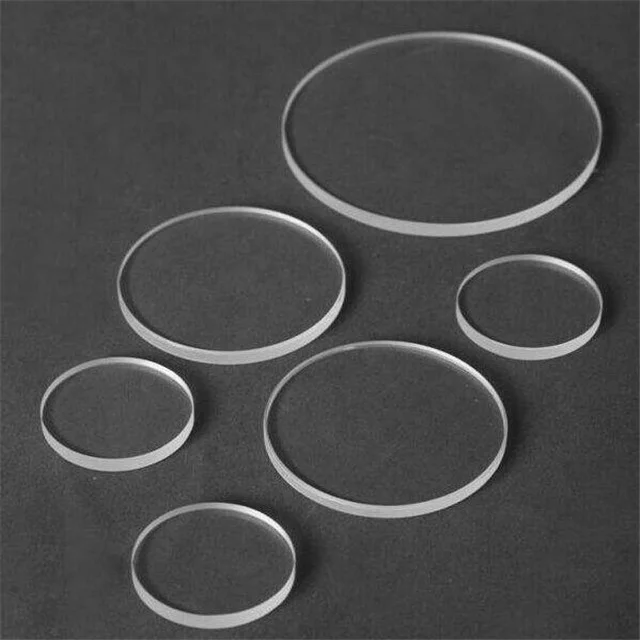
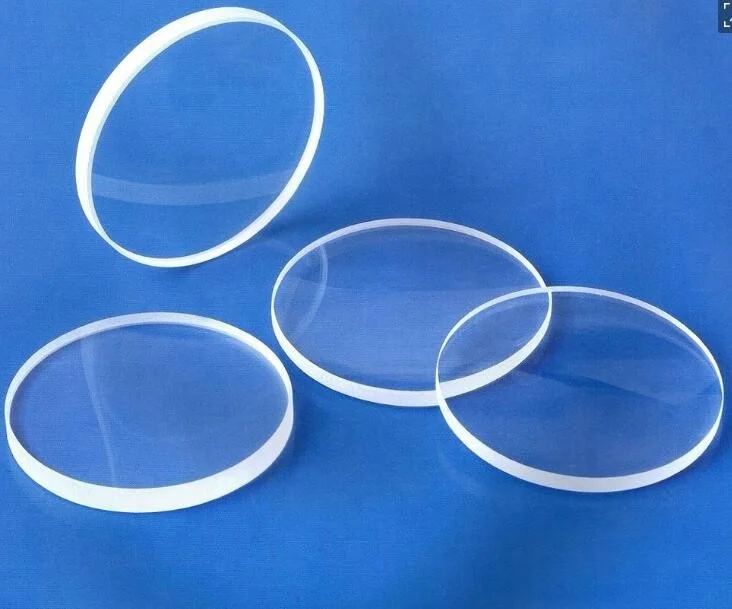

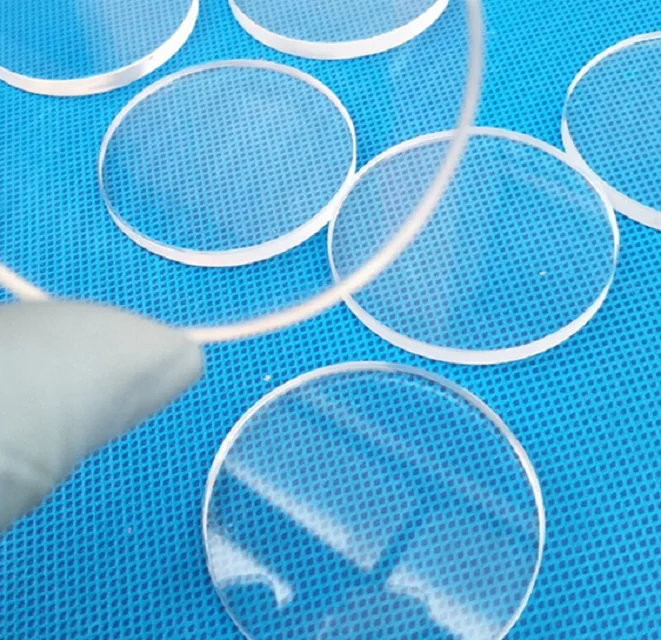
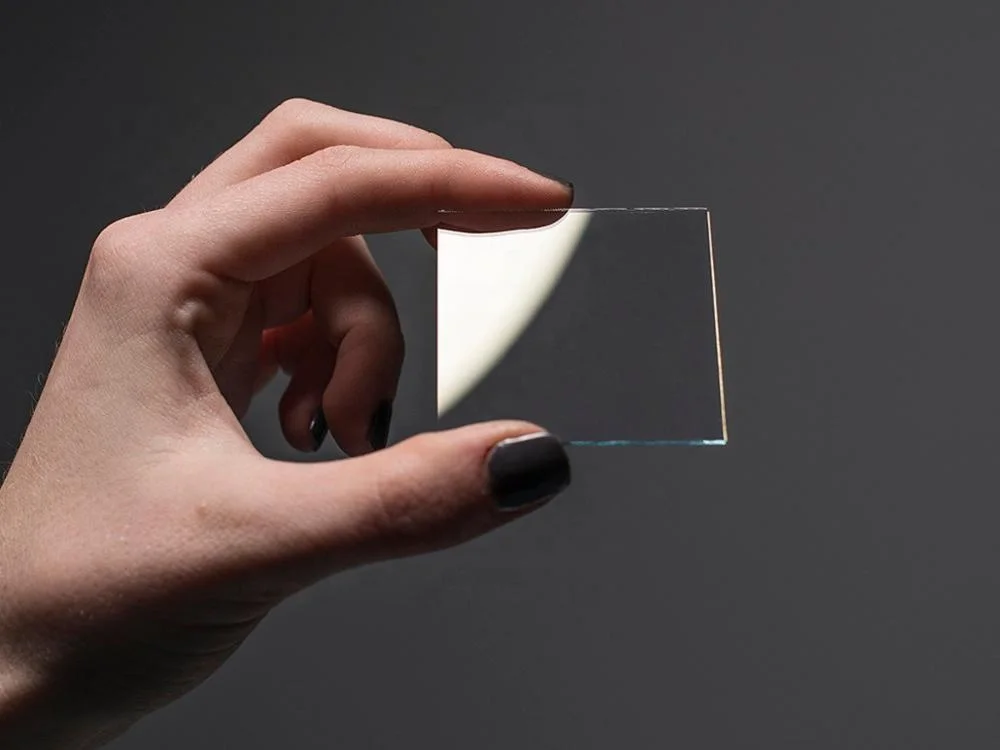
Custom high borosilicate 3.3 glass sheet
- Category: >>>
- Supplier: Xinyu Xu Tking Glass Co. ltd.
Share on (60723165493):
Product Overview
Description
Introduction:
A particularly low coefficient of thermal expansion is what makes BOROFLOAT® glass remarkably resistant to high temperature levels. Our borosilicate glass is proven to stand up to high and fluctuating temperatures typical of applications such as high-performance lamps, cinema projectors and inspection panels for chemical reactors. Even with applications where rapid cooling down from higher temperatures is the requirement, BOROFLOAT® glass easily passes the test. For example, the temperature difference between a hot panel center and a cold panel edge.
Outstanding thermal resistance
· Very good temperature stability
· Excellent resistance to thermal shock
· Can be thermally toughened
· Can be thermally shaped (3D)
Thermal properties | |
Coefficient of Linear Thermal Expansion (C.T.E.) α (20 - 300 °C) | 3.25 x 10⁻⁶ K-1 * |
Specific heat capacity cp (20 - 100 °C) | 0.83 kJ/(kg·K)-1 |
Thermal conductivity λ (90 °C) | 1.2 W/(m·K)-1 |
| |
Maximum operating temperatures | |
For short-term usage (< 10 h) | 500 °C |
For long-term usage (≥ 10 h) | 450 °C |
Viscosity of BOROFLOAT® 33 | |
Working Point (104 dPas) | 1270 °C |
LITTLETON temperature / Softening Point (107,6dPas) | 820 °C |
Annealing Point (1013 dPas) | 560 °C |
Strain Point (1014,5 dPas) | 518 °C |
Transformation temperature (Tg) | 525 °C |
We Recommend
New Arrivals
New products from manufacturers at wholesale prices