JC portable furnace for melting gold, platinum, silver, precious metal
- Category: >>>
- Supplier: Zibo JC Eco-Tech Co. Ltd.
Share on (60726967217):
Product Overview
Description
Product Description
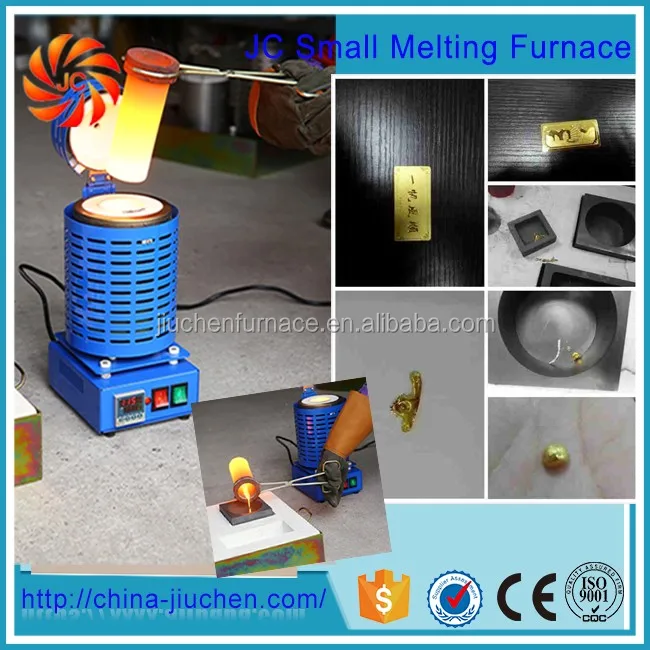
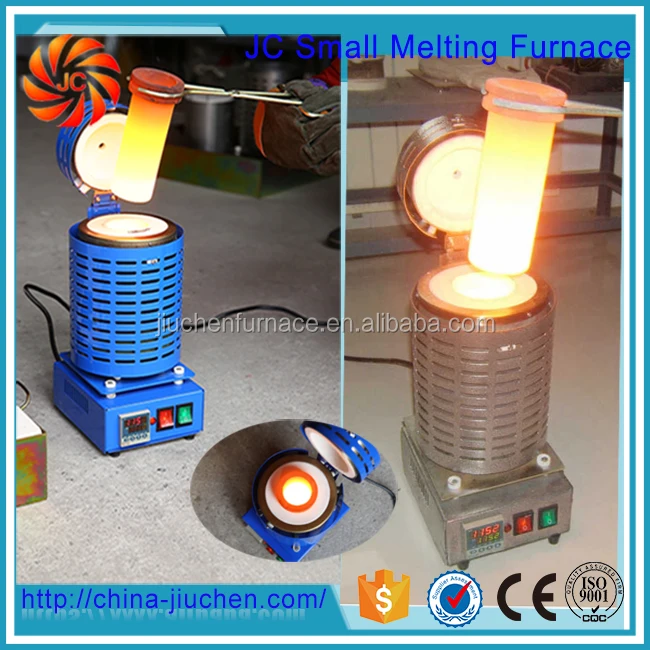
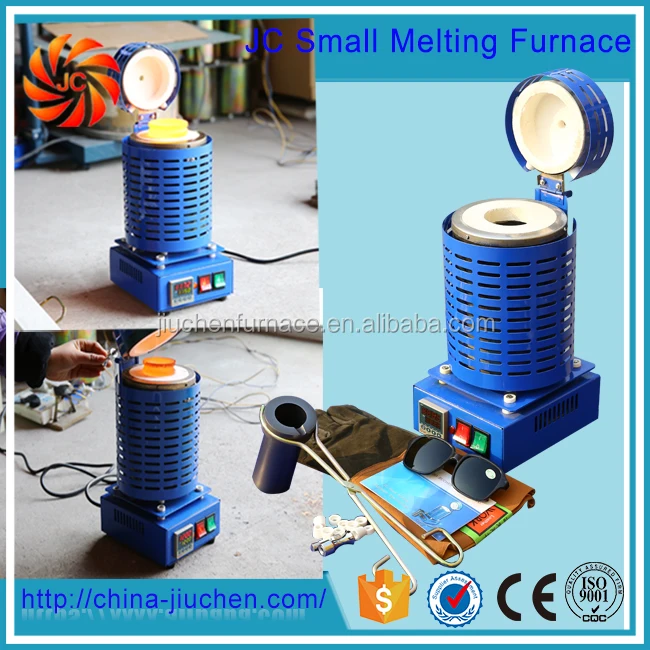
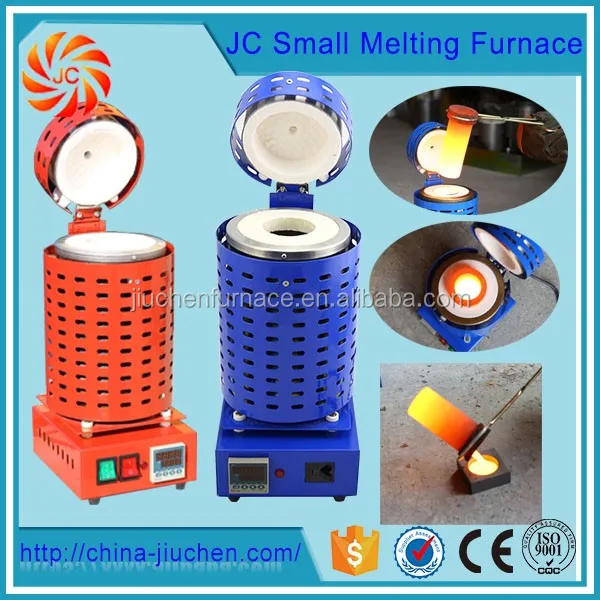
This easy-to-operate machine can be used indoors, and is designed with a high temperature ceramic chamber for long-lasting casting abilities!
These units are available in 1 Kg, 2 Kg and 3 Kg sizes, as well as 110 Volt US Standard or 220 Volt European Style power for all of your melting needs!
This unit is recommended for melting down precious metals such as gold and silver. Includes an instructional manual, power cord, tongs and graphite crucible to match your furnace size


How To Use It

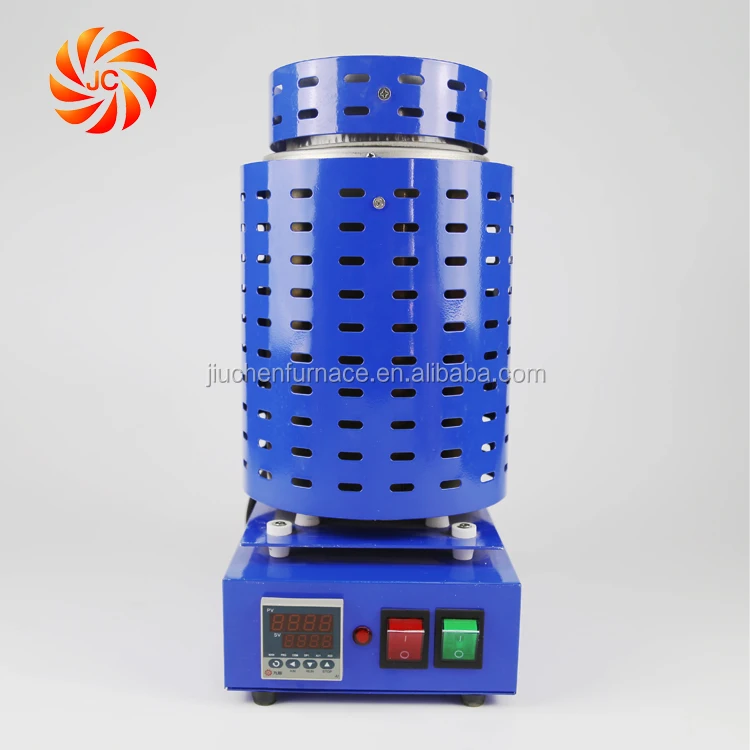
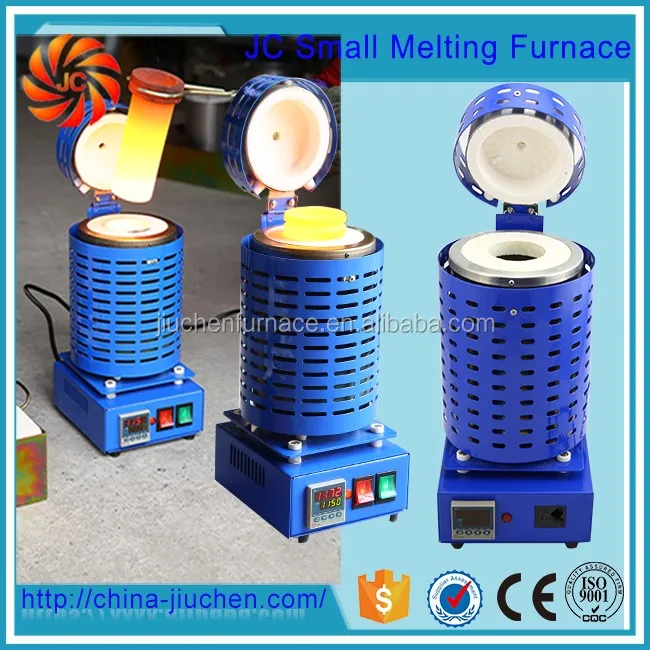
- The “Green Switch” is used to turn “ON” control power and allows setting of the desired temperature using the temperature controller.
- The “Red Switch” allows power to go to the furnace and heating of the crucible begins.
- The desired temperature, “Green display” is set by adjusting the “Up” and “Down” arrows. The “Horizontal Arrow” is the curser and will allow you to set a particular digit, such as the “4” in this example, instead of progressing in an upcount mode all the way to 420. The curser points to a particular digit in order to change that digit.
- When you have set the particular digit to the correct setting, then you can either wait a few seconds or press the “Confirm” horseshoe symbol.
- Experiment with the controls with the “Red Switch” in the “OFF” position, until you are familiar with how to set the temperature. Then when ready, switch “ON” the “Red Switch” to start heating.
- The “Red” lamp will light when there is power going to the furnace, or will be off when the temperature controller is switching the furnace power off, or the “Red Switch” is in the “OFF” position.
- The “Red Display” shows the actual temperature as seen by the thermocouple.
Packaging & Shipping


Considerations when using the furnace:
1. Do not guess the temperature that you need to set. Make sure that it is correct for the type of metal and the considerations of the mould design.
2. Be aware that during the heating process, the indicted temperature will most likely overshoot before settling down to the correct temperature. This is not a problem as the real temperature of the crucible contents is actually lower, due to the lag in temperature of the crucible contents. It is good practice to set 2/3 a final temperature, wait for it to settle, then set the final target temperature. This will greatly reduce the indicted temperature overswing.
3. Do not add moist metal to a molten metal bath. The result will be at minimum, a major splash over, at worst, an explosion of the crucible contents.
4. When pouring molten metal into a mould, make sure that the mould has been pre-heated so that there is no possibility of moisture in the mould. It is good practice to heat the mould anyway as that will reduce the possibility of molten metal freezing in the mould before it has flowed to all parts of the mould. When pouring into a refractory mould, such as Plaster of Paris, make sure that the refractory mould has been oven dried.
5. Do not overfill the crucible. Fill only to about 2/3 capacity as you may spill molten metal during the crucible transfer to the mould.
6. Clean out the crucible after use, make sure that there is no stuck metal on the sides, gently use a scraper to clean metal out of the crucible. This is to prevent hot spots in the crucible and also to reduce contamination of the next melt.
7. It is vital that you accurately measure the wear of the crucible. Document what the inside and outside dimensions are, so that you can see how much wear has taken place. Use a digital ruler / micrometer to measure the wear. Do not go past more that 40% wear compared to the original new crucible dimensions. Most repairs of the furnace are caused by using the crucible past its useful life. This causes metal run-outs and / or flux boil overs.
Product Overviews


We Recommend


New Arrivals
New products from manufacturers at wholesale prices