

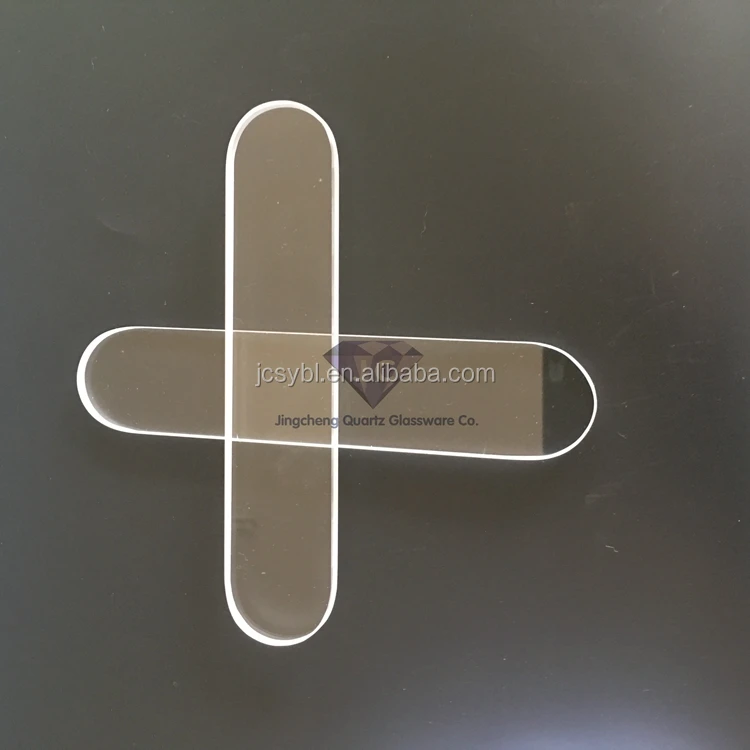
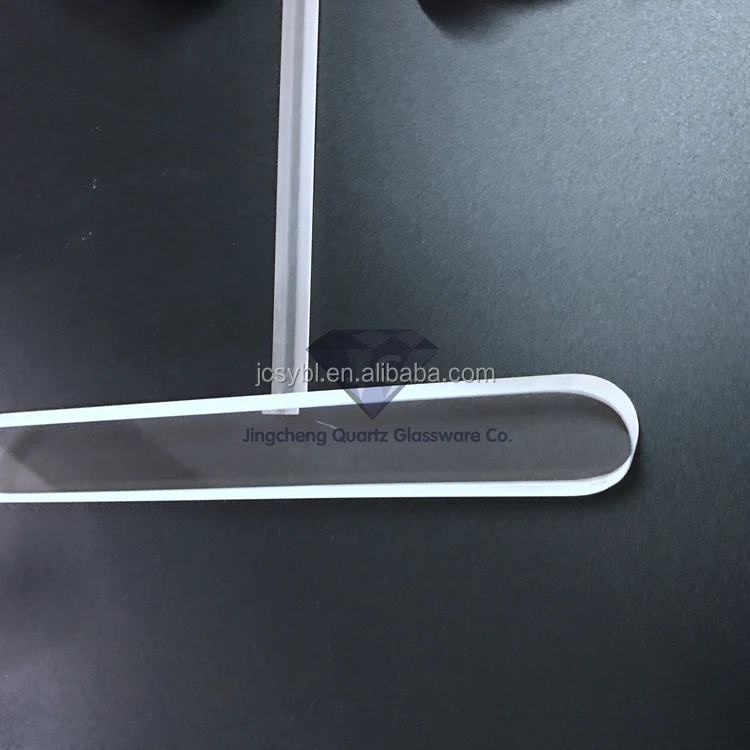
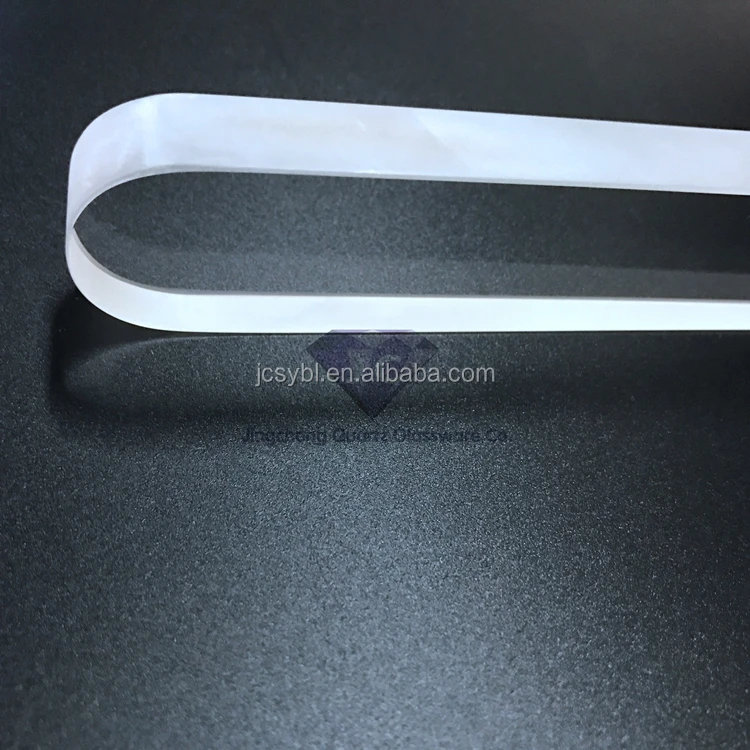
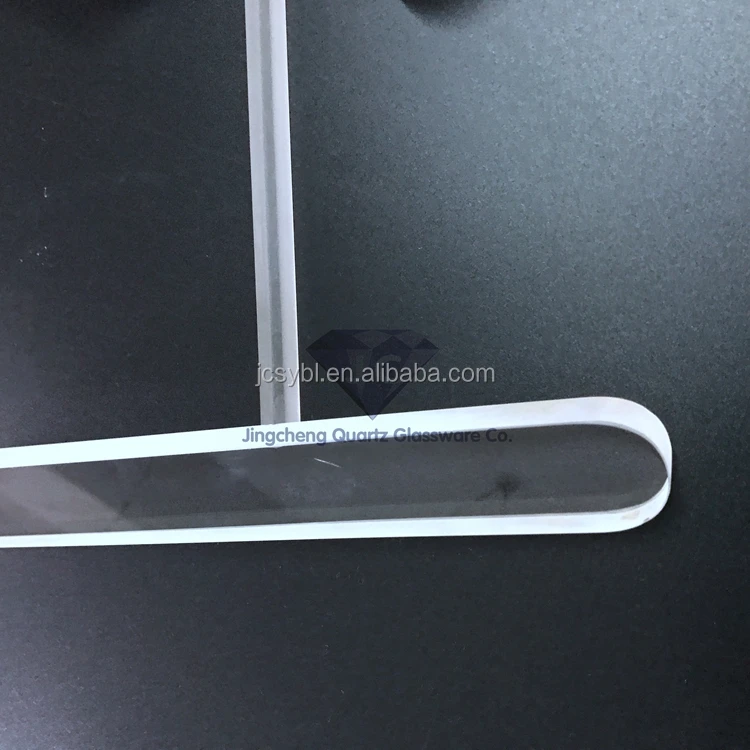
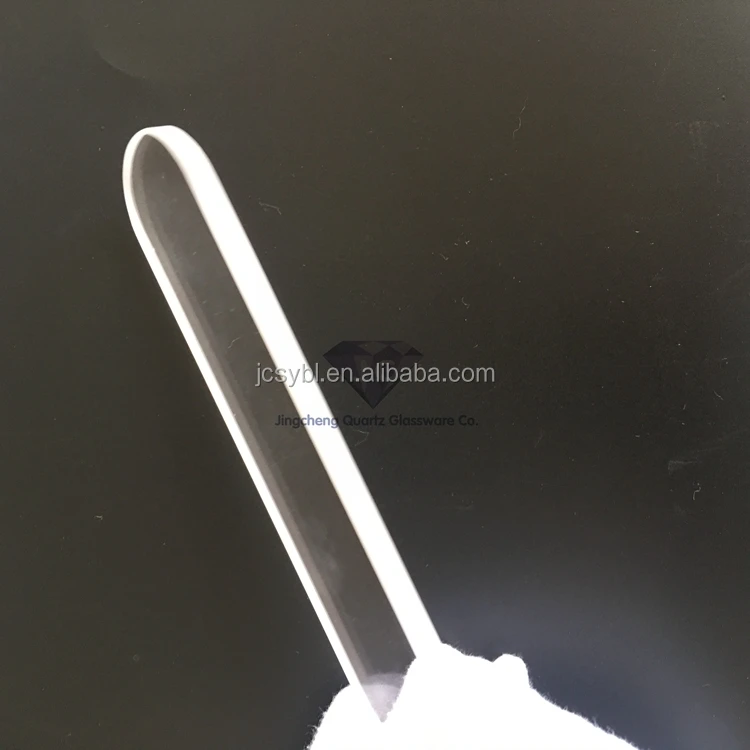
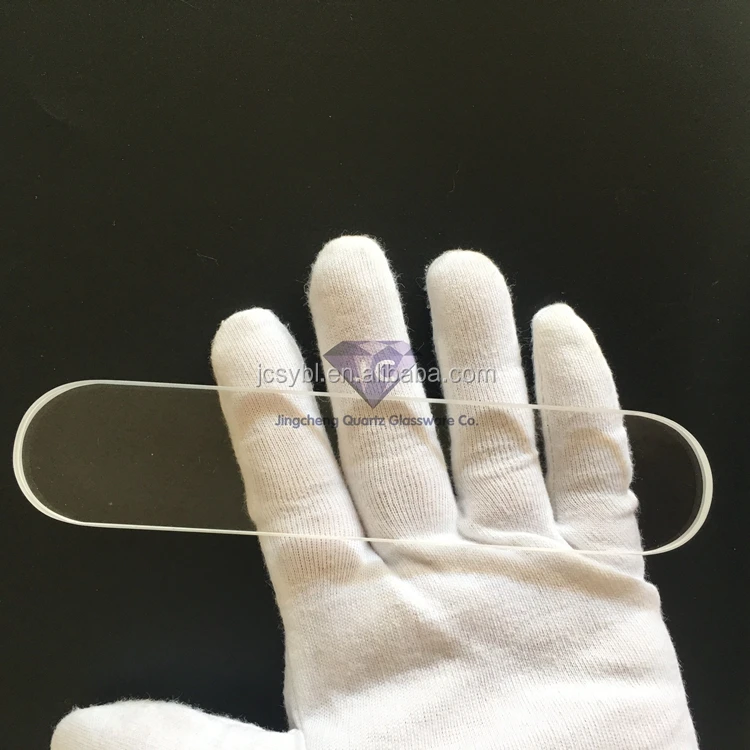
Direct deal high transmittance level gauge glass Sight glass
- Category: >>>
- Supplier: Jinzhou Jingcheng Quartz Glassware Factory [Liaoning China]Jinzhou
Share on (60727686168):
Product Overview
Description
Product DescriptionIndustrial observational instruments have changed with industry itself. More structurally sophisticated than the water gauge, the contemporary sight glass — also called the sight window or sight port — can be found on the media vessel at chemical plants and in other industrial settings, including pharmaceutical, food, beverage and bio gas plants. Sight glasses enable operators to visually observe processes inside tanks, pipes, reactors and vessels. The modern industrial sight glass is a glass disk held between two metal frames, which are secured by bolts and gaskets, or the glass disc is fused to the metal frame during manufacture. The glass used for this purpose is either soda lime glass or borosilicate glass, and the metal, usually a type of stainless steel, is chosen for desired properties of strength. Borosilicate glass is superior to other formulations in terms of chemical corrosion resistance and temperature tolerance, as well as transparency. Fused sight glasses are also called mechanically prestressed glass, because the glass is strengthened by compression of the metal ring. Heat is applied to a glass disc and its surrounding steel ring, causing a fusion of the materials. As the steel cools, it contracts, compressing the glass and making it resistant to tension. Because glass typically breaks under tension, mechanically prestressed glass is unlikely to break and endanger workers. The strongest sight glasses are made with borosilicate glass, because of the greater difference in its coefficient of expansion
Industrial observational instruments have changed with industry itself. More structurally sophisticated than the water gauge, the contemporary sight glass — also called the sight window or sight port — can be found on the media vessel at chemical plants and in other industrial settings, including pharmaceutical, food, beverage and bio gas plants. Sight glasses enable operators to visually observe processes inside tanks, pipes, reactors and vessels. The modern industrial sight glass is a glass disk held between two metal frames, which are secured by bolts and gaskets, or the glass disc is fused to the metal frame during manufacture. The glass used for this purpose is either soda lime glass or borosilicate glass, and the metal, usually a type of stainless steel, is chosen for desired properties of strength. Borosilicate glass is superior to other formulations in terms of chemical corrosion resistance and temperature tolerance, as well as transparency. Fused sight glasses are also called mechanically prestressed glass, because the glass is strengthened by compression of the metal ring. Heat is applied to a glass disc and its surrounding steel ring, causing a fusion of the materials. As the steel cools, it contracts, compressing the glass and making it resistant to tension. Because glass typically breaks under tension, mechanically prestressed glass is unlikely to break and endanger workers. The strongest sight glasses are made with borosilicate glass, because of the greater difference in its coefficient of expansion
Product Details Show