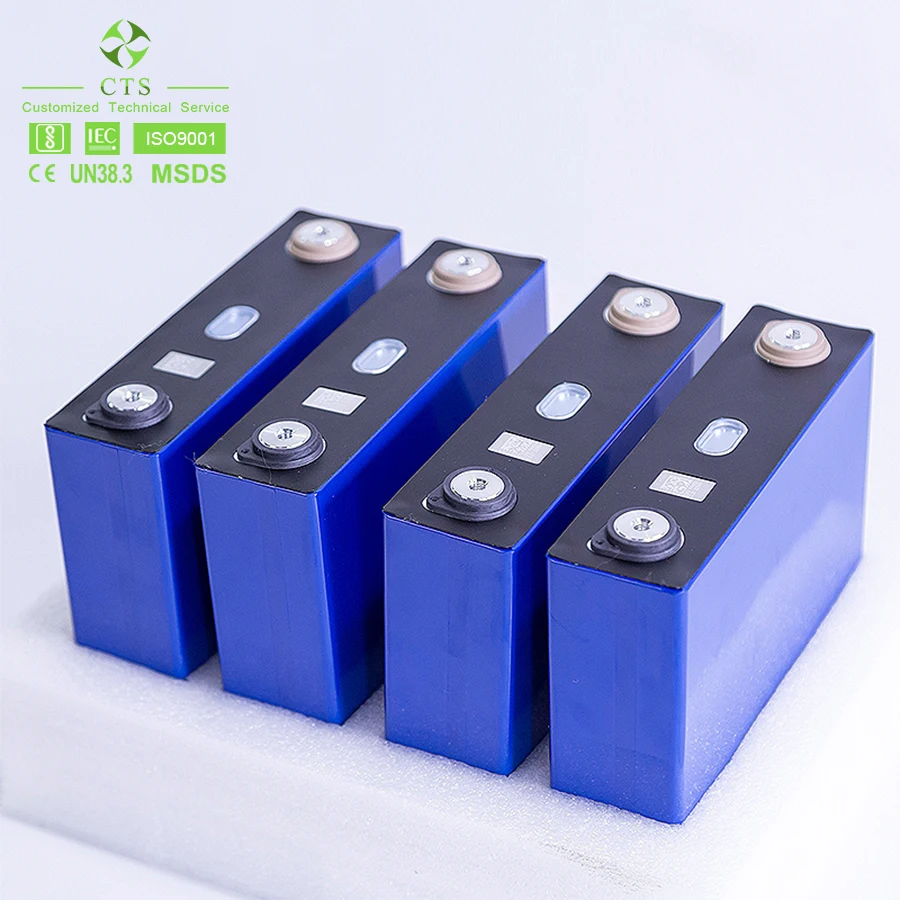
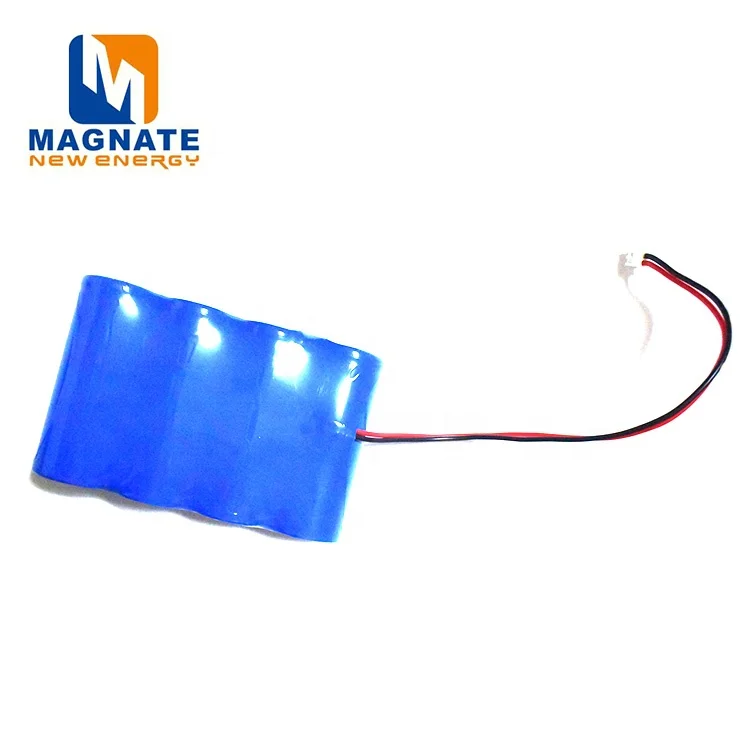
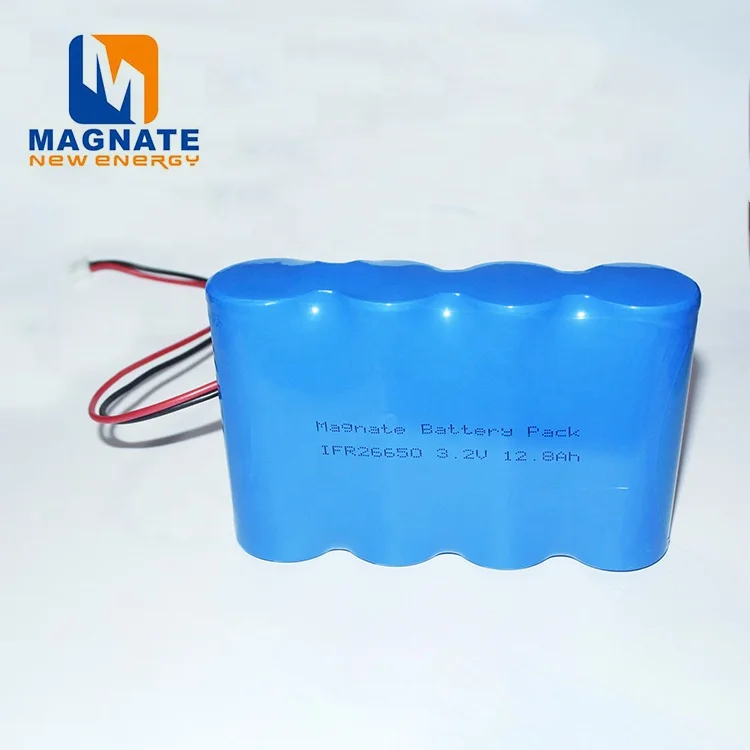
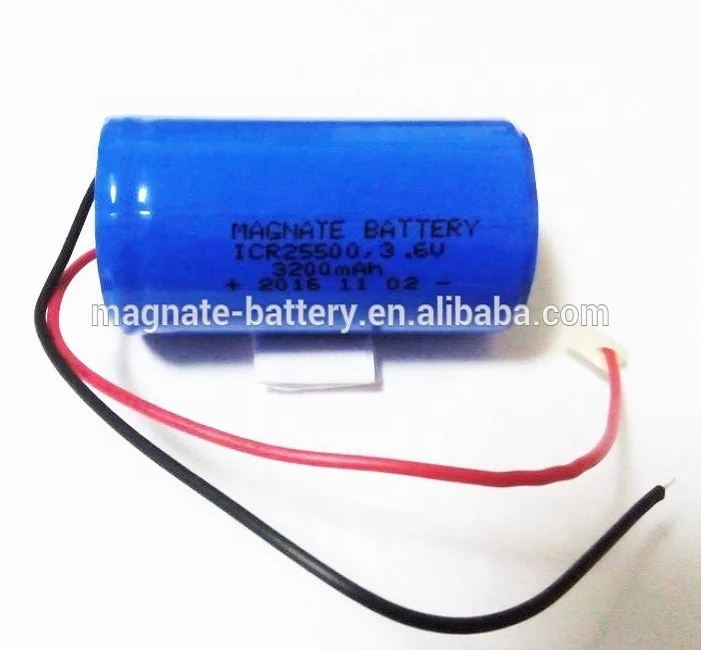
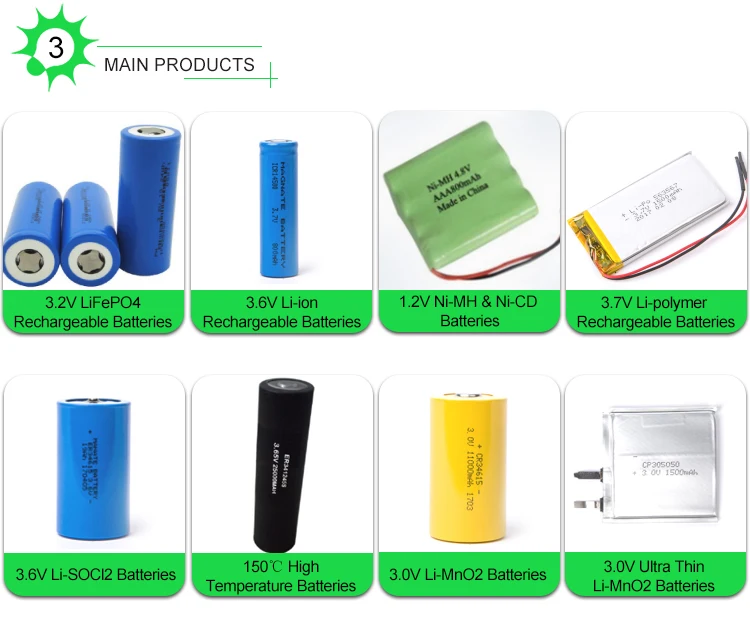
Lithium ion battery 3200mah ICR26500 ICR18650 ICR14430 ICR14500 ICR14650 ICR17335 ICR26550
- Category: >>>
- Supplier: Shenzhen Magnate New Energy Limited
Share on (60730304965):
Product Overview
Description
Product Description
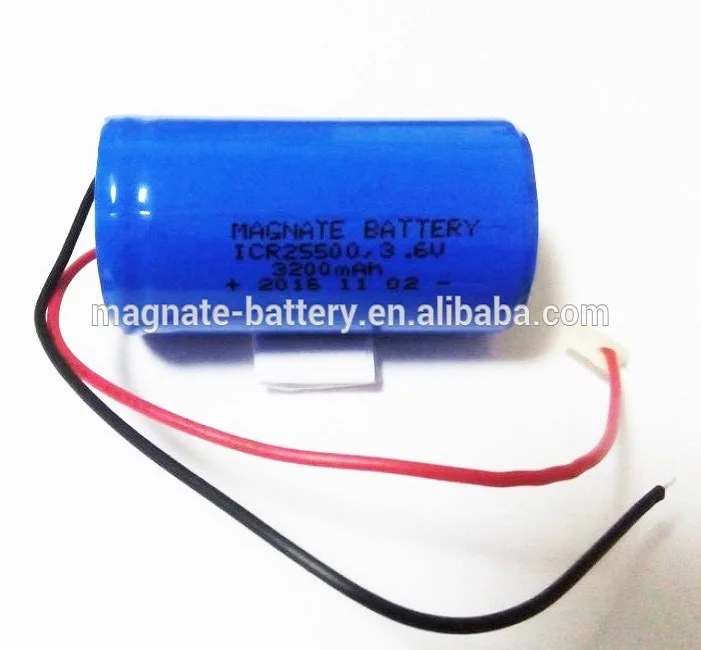
Li-ion battery ICR26500 3200mah for electric card numerical code

Product Description

SPECIFICATIONS
1.ICR 26500 3.7V 3200mAh
2.High capacity
3.Good quality
4.No memory effect
5.Safe
1.Nominal Capacity: 3200mAh
2.Nominal Voltage: 3.7V
3.Battery type: Li-ion battery 26500
4.Dimension: 26*50mm (Diameter* Height)
5.Max charge Voltage: 4.2V
6.Discharge Cut-off Voltage: 3V
7.Certification: CE, RoHs
Feature :
1. High energy density
2. Long shelf-life and low self-discharge rate
3. Excellent cycle life
4. Enviromental-friendly
5. OEM and ODM are available
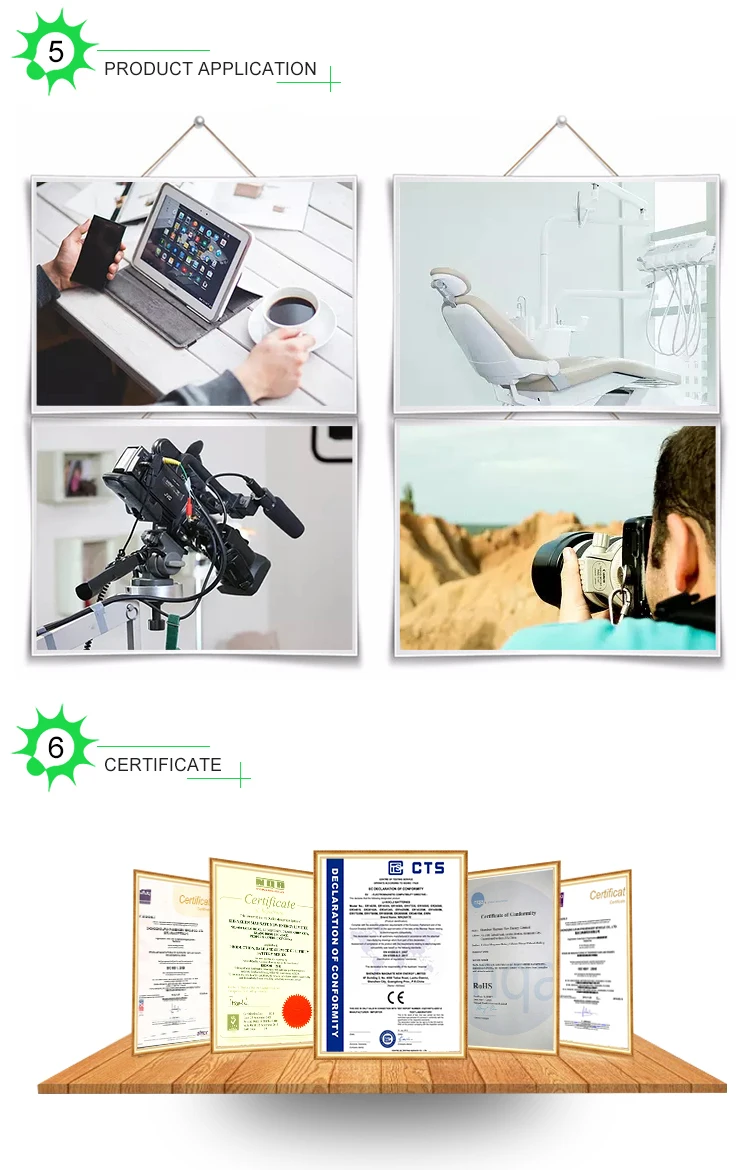
Application:
1.Solar energy product
2.Ups power supply
3.Cap-lamp, miner’s lamps
4.Power source of the E-bike and designed for the E-bike rack
5.E-scooter, golf cart, golf trolleys
6.Semi-traction lawn movers
7.Lifting equipment
8.Sightseeing car
9.Electric bicycles, electric scooters, electric motorcycles and electric cars

What is a short circuit? Can I short circuit a lithium cell or battery?
If the positive and negative terminals of a battery come into contact with each other or with a conductive metallic object, this can cause a short circuit, which generates heat. If cells or batteries are stacked on top of each other or mixed, the resulting short circuit can lead to heat generation, leakage, rupture, and possibly fire.
Do NOT short circuit lithium batteries.
2. Can I apply heat to lithium batteries or dispose of them in fire?
If heated to 100°C or more, plastic materials inside the battery such as the gasket and separator may be damaged, causing leakage. The heat generated by a short circuit inside the battery may lead to rupture or fire. If disposed of in fire, batteries may burn violently.
Do NOT dispose of lithium batteries in fire.
3. Can I solder directly to lithium batteries?
If solder is applied directly to the battery, materials inside the battery may be damaged due to overheating. This can cause leakage or an internal short circuit. Heat generated by a short circuit inside the battery may lead to rupture or fire. Even if no abnormality takes place immediately after soldering, the resulting leakage or other damage may harm the components in the battery resulting in safety or performance problems.
Do NOT solder directly to lithium batteries.
4. Can I charge non-rechargeable lithium batteries?
When a non-rechargeable lithium battery is charged, gas is generated inside the battery and can result in swelling, heat generation, leakage, rupture or fire.
Do NOT charge non-rechargeable lithium batteries.
5. Can I force-discharge lithium batteries?
When batteries are force-discharged with an external power source, the voltage drops to under 0 volts (which is called voltage reversal) and internal gas is generated. This can lead to swelling, heat generation, leakage, rupture or fire.


We Recommend
New Arrivals
New products from manufacturers at wholesale prices