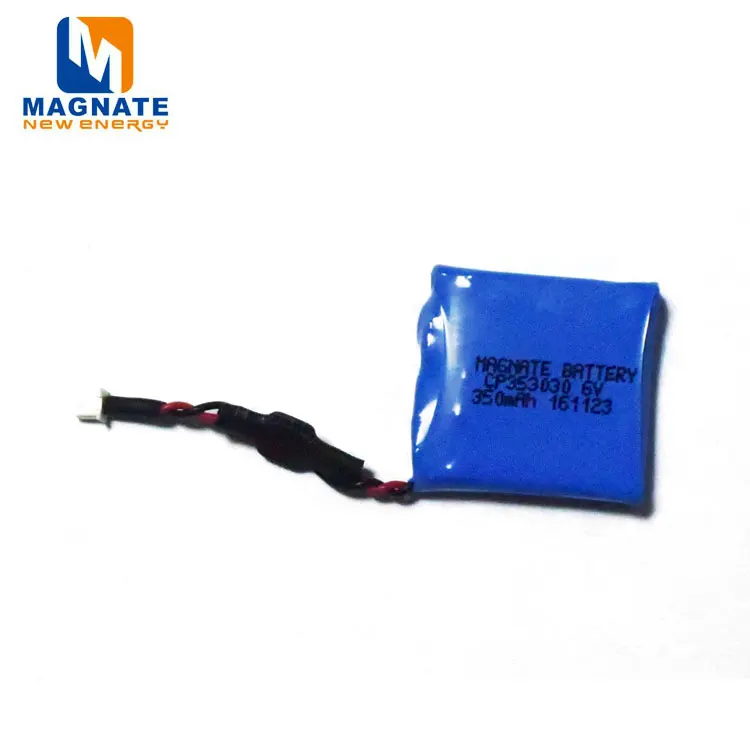
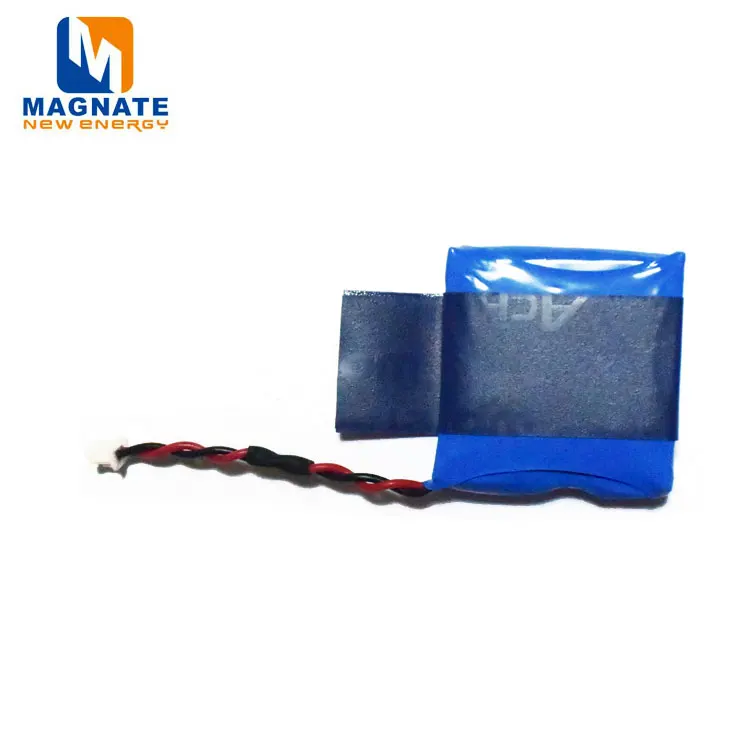
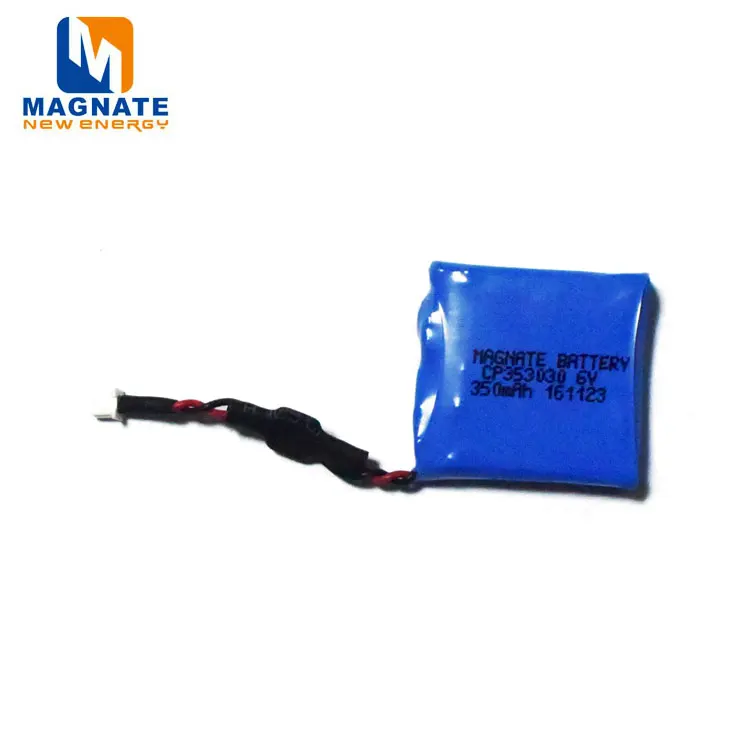
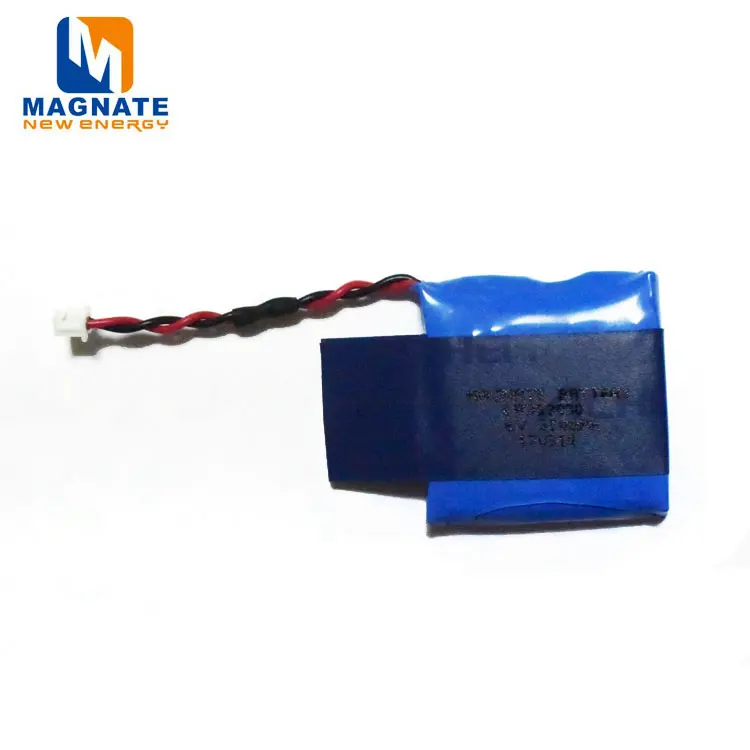
Small 6V Ultra Thin Soft Battery 350mah CP353030
- Category: >>>
- Supplier: Shenzhen Magnate New Energy Limited
Share on (60739214717):
Product Overview
Description
Products Show



Product Description

Hot Sale Small 6V Ultra Thin Soft Battery 350mah
| Product Name | 6V ultra thin battery |
| Nominal Voltage | 6V |
| Nominal Capacity | 350mAh |
| Battery Type | Ultra Thin Lithium Battery |
| Standard Discharge Current | 1mA |
| Max. Constant Current | 50mA |
| Max.Pulse Current | 100mA |
| Dimension | 3.5×30×30mm |
| Approx. Weight | 3.2g |
| Shelf Life | More Than 10 Years |
| Type | Li-MnO2 Soft Cells |
Main Products
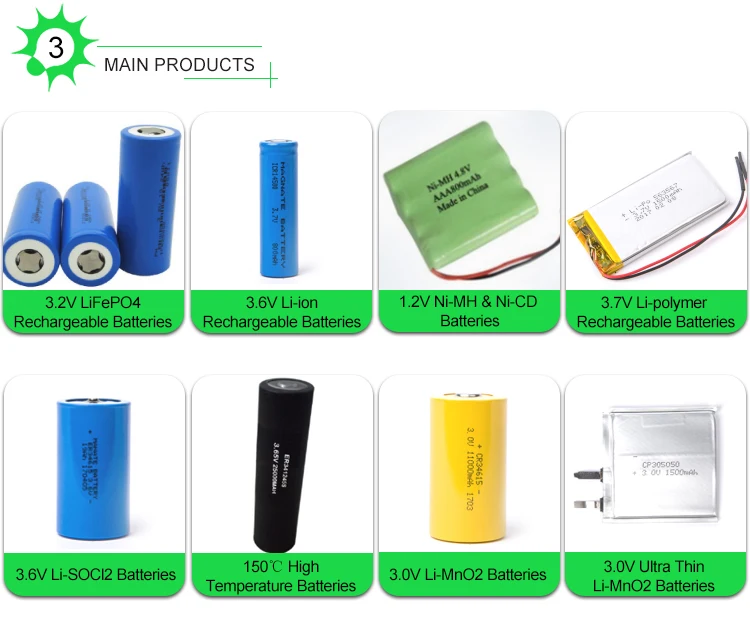
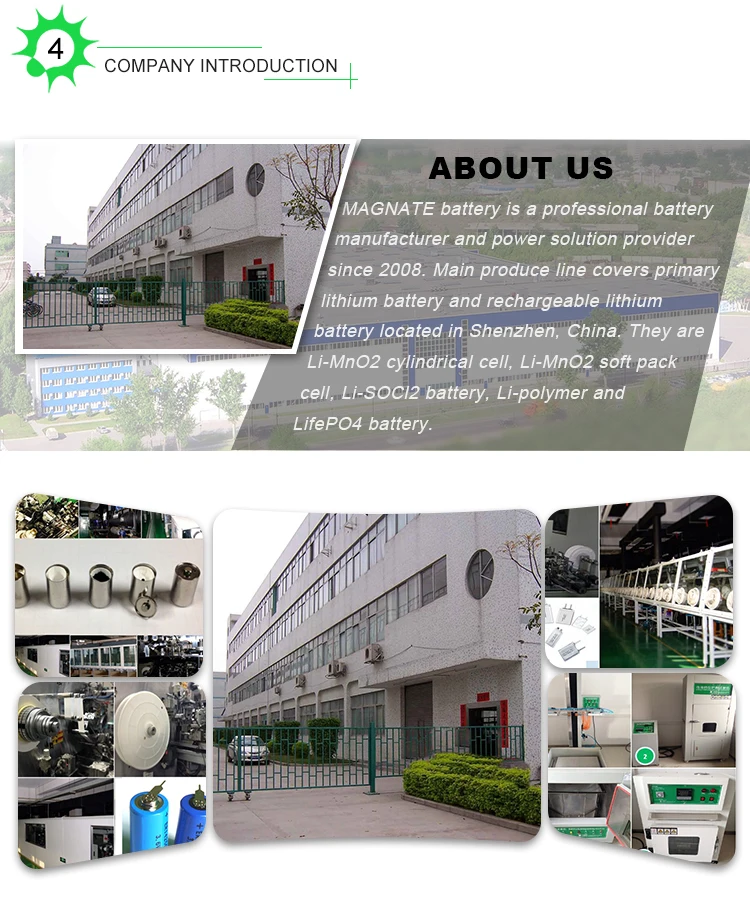
Company Information
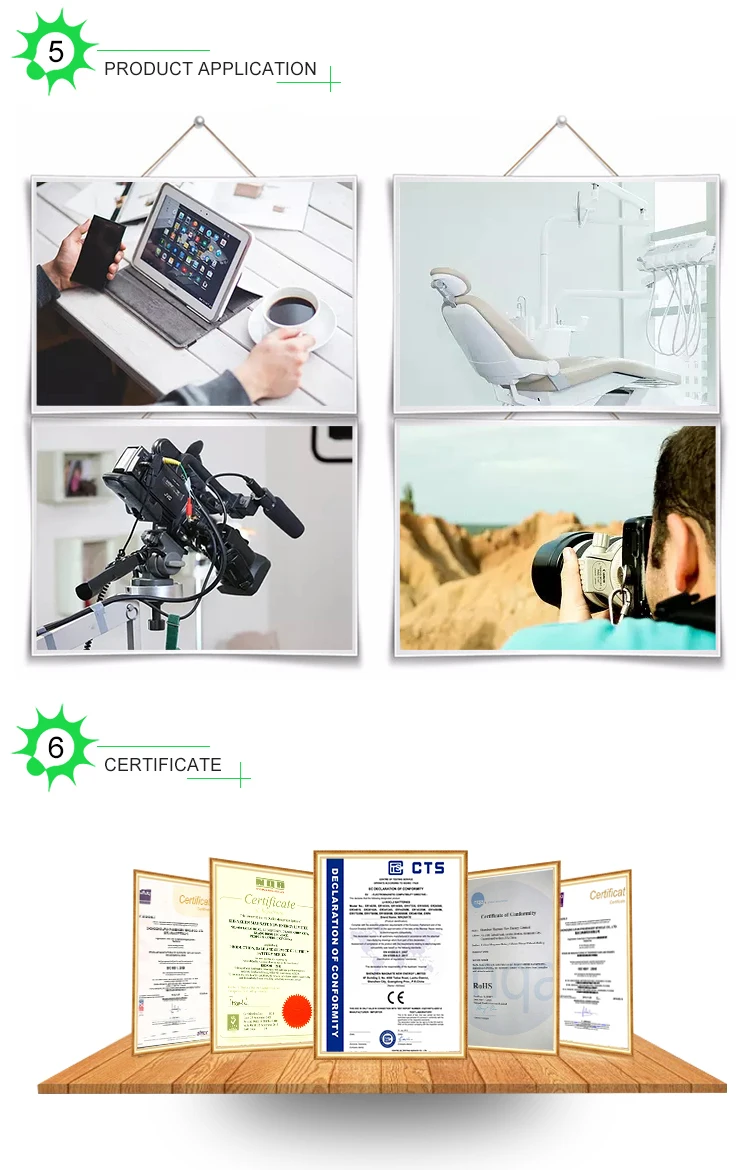
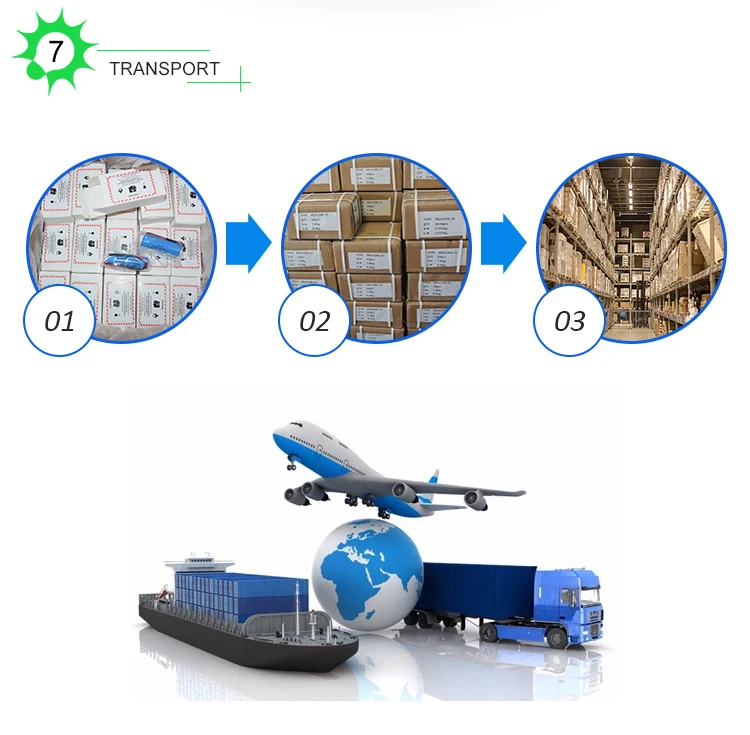
Transport
FAQ

Q1. What Is A Short Circuit? Can I Short Circuit A Lithium Cell Or Battery?
A1:If Cells Or Batteries Are Stacked On Top Of Each Other Or Mixed, The Resulting Short Circuit Can Lead To Heat Generation, Leakage, Rupture, And Possibly Fire.
Do Not Short Circuit Lithium Batteries.
Q2. Can I Apply Heat To Lithium Batteries Or Dispose Of Them In Fire?
A2:If Heated To 100°C Or More, The Heat Generated By A Short Circuit Inside The Battery May Lead To Rupture Or Fire. If Disposed Of In Fire, Batteries May Burn Violently.
Do Not Dispose Of Lithium Batteries In Fire.
Q3. Can I Solder Directly To Lithium Batteries?
A3:If Solder Is Applied Directly To The Battery, Materials Inside The Battery May Be Damaged Due To Overheating. This Can Cause Leakage Or An Internal Short Circuit.
Do Not Solder Directly To Lithium Batteries.
Q4. Can I Charge Non-Rechargeable Lithium Batteries?
A4:When A Non-Rechargeable Lithium Battery Is Charged, Gas Is Generated Inside The Battery And Can Result In Swelling, Heat Generation, Leakage, Rupture Or Fire.
Do Not Charge Non-Rechargeable Lithium Batteries.
Q5. Can I Force-Discharge Lithium Batteries?
A5:When Batteries Are Force-Discharged With An External Power Source, This Can Lead To Swelling, Heat Generation, Leakage, Rupture Or Fire.
Do Not Force-Discharge Lithium Batteries.
Q6. Can I Disassemble Or Apply Excessive Pressure To Lithium Batteries?
A6:If A Battery Is Disassembled, Gas May Be Generated And Exposure To Electrolyte May Occur, Which May Cause Throat And Skin Irritation If Contacted Or Inhaled.Distortion Of The Battery Seal May Lead To Leakage Or Short Circuit, Which Can Cause Swelling, Heat Generation, Rupture Or Fire.
Do Not Disassemble Or Deform Lithium Batteries.
Q7. Can I Mix Lithium Batteries with Other Battery Types?
A7:If Different Types Of Batteries Are Used Together, Or New Batteries Are Used With Old Ones, The Differences In Characteristics Of Voltage And Capacity May Cause The Battery To Over-Discharge, Which May Lead To Swelling, Rupture Or Fire.
Do Not Mix Lithium Batteries with Other Battery Types.
Q8. Can Lithium Batteries Come In Contact with Water?
A8:No. This May Cause Corrosion Or The Formation Of Combustible Gas.
Do Not Expose Lithium Batteries To Water.
Q9. Where Should Lithium Batteries Be Stored?
A9:Lithium Batteries Should Be Stored In A Cool, Dry Place That Is Not Exposed To Direct Sunlight And Has Minimal Temperature Variation.
Contact Us


We Recommend
New Arrivals
New products from manufacturers at wholesale prices