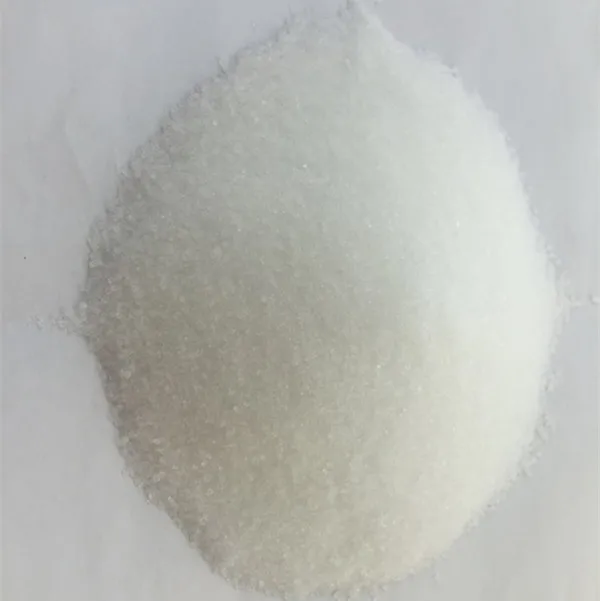
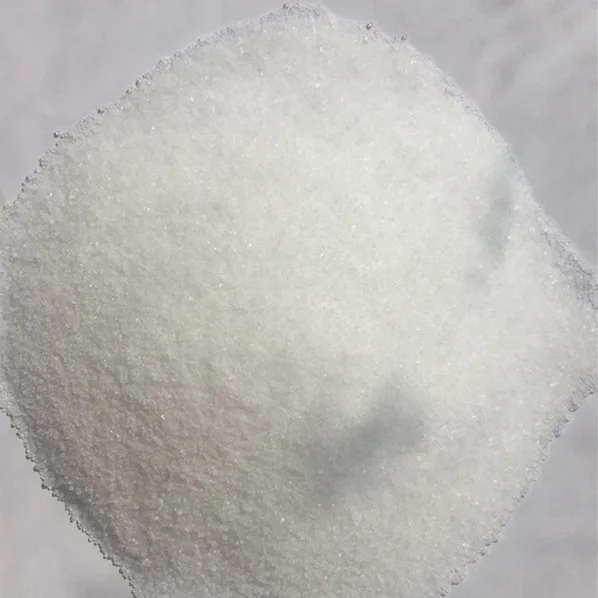
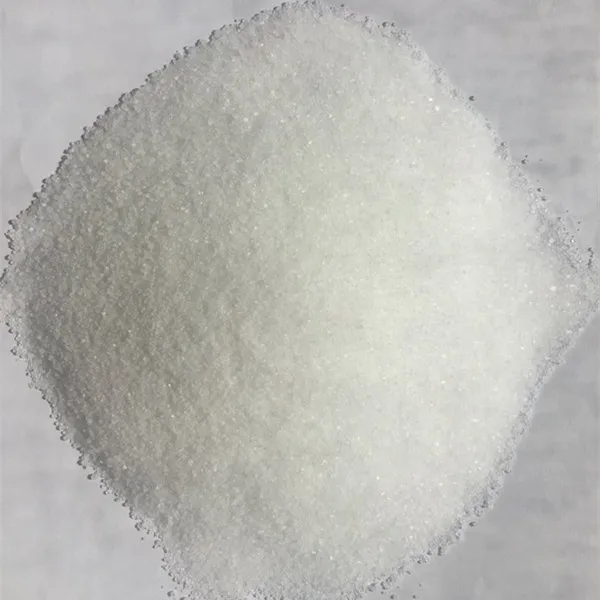



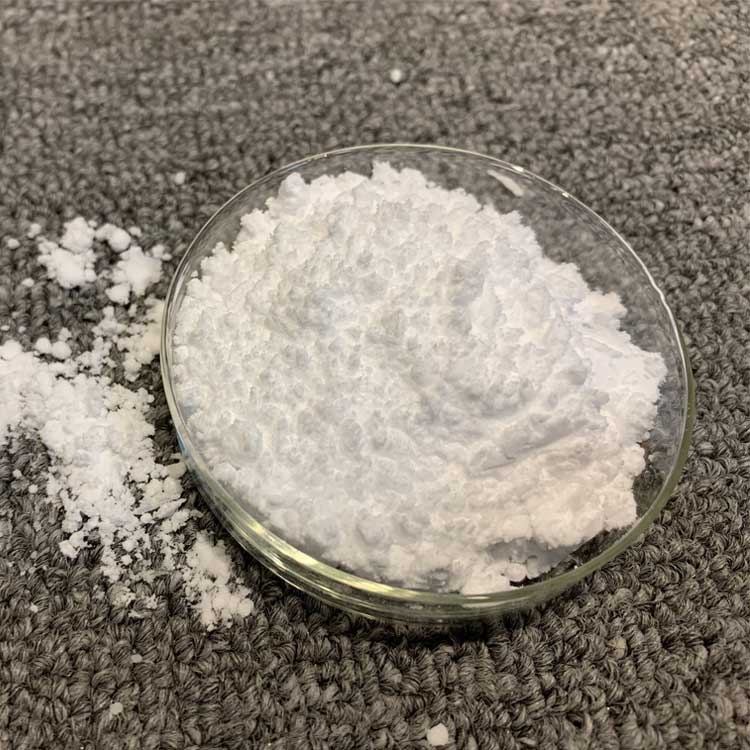
Methylsulfonylmethane (MSM) is an organosulfur compound with the formula (CH3)2SO2. It is also known by several other names including DMSO2, methyl sulfone, and dimethyl sulfone. This colorless solid features the sulfonyl functional group and is considered relatively inert chemically. It occurs naturally in some primitive plants, is present in small amounts in many foods and beverages, and is marketed as a dietary supplement.It is also commonly found in the atmosphere above marine areas, where it is used as a carbon source by the airborne bacteria Afipia,and is found distinctively in human melanoma cells.
Pharmacology and toxicity---
Nuclear magnetic resonance (NMR) studies have demonstrated that oral doses of MSM are absorbed into the blood and cross the blood/brain barrier.An NMR study has also found detectable levels of MSM normally present in the blood and cerebrospinal fluid, suggesting that it derives from dietary sources, intestinal bacterial metabolism, and the body's endogenous methanethiol metabolism.
Published clinical trials of MSM did not report any serious side effects, but there are no peer-reviewed data on the effects of its long-term use in humans.

Feature
Evidence from clinical trials---
Small-scale studies of possible treatments with MSM have been conducted on both animals and humans. These studies of MSM have suggested some benefits, particularly for treatment of oxidative stress and osteoarthritis, but evidence for other uses is lacking. Natural Medicines Comprehensive Database contains a continually updated list of health-related MSM studies.
Medical and dietary use---
Although no medical uses for MSM have been approved by any government, a variety of health benefits have been claimed and studied. Stanley W. Jacob reported having administered MSM to over 18,000 patients with a variety of ailments;he co-authored a book promoting MSM with a variety of claims, including a utility as a natural source of "biologically active sulfur,"suggesting that people are deficient in such forms of sulfur in their dietary intake. There is no Dietary Reference Intake (DRI) or Daily Value established for sulfur and sufficient dietary sources are readily available in onions, garlic and cruciferous vegetables and in protein-containing foods, including nuts, seeds, milk and eggs (whites and yolks).
The claims for the need for sulfur supplementation originate with Robert Herschler, a biochemist who patented "Dietary and pharmaceutical uses of methylsulfonylmethane and compositions comprising it" in 1982; he claimed that MSM was useful in stress, mucous-membrane inflammation, allergies and gastrointestinal conditions.
Moreover, in cases involving topical therapeutics, the role of MSM as an active agent, per se, versus its having a role in promoting skin permeation (in manner, akin to its solvent relative DMSO) must be characterized/controlled.The biochemical effects of supplemental methylsulfonylmethane are poorly understood. Some researchers have suggested that MSM has anti-inflammatory effects.[16] The spectrum of biological effects of dimethyl sulfoxide (DMSO) and MSM differ, but those of DMSO may be mediated, at least in part, by MSM.
FDA action---
Detailed Images
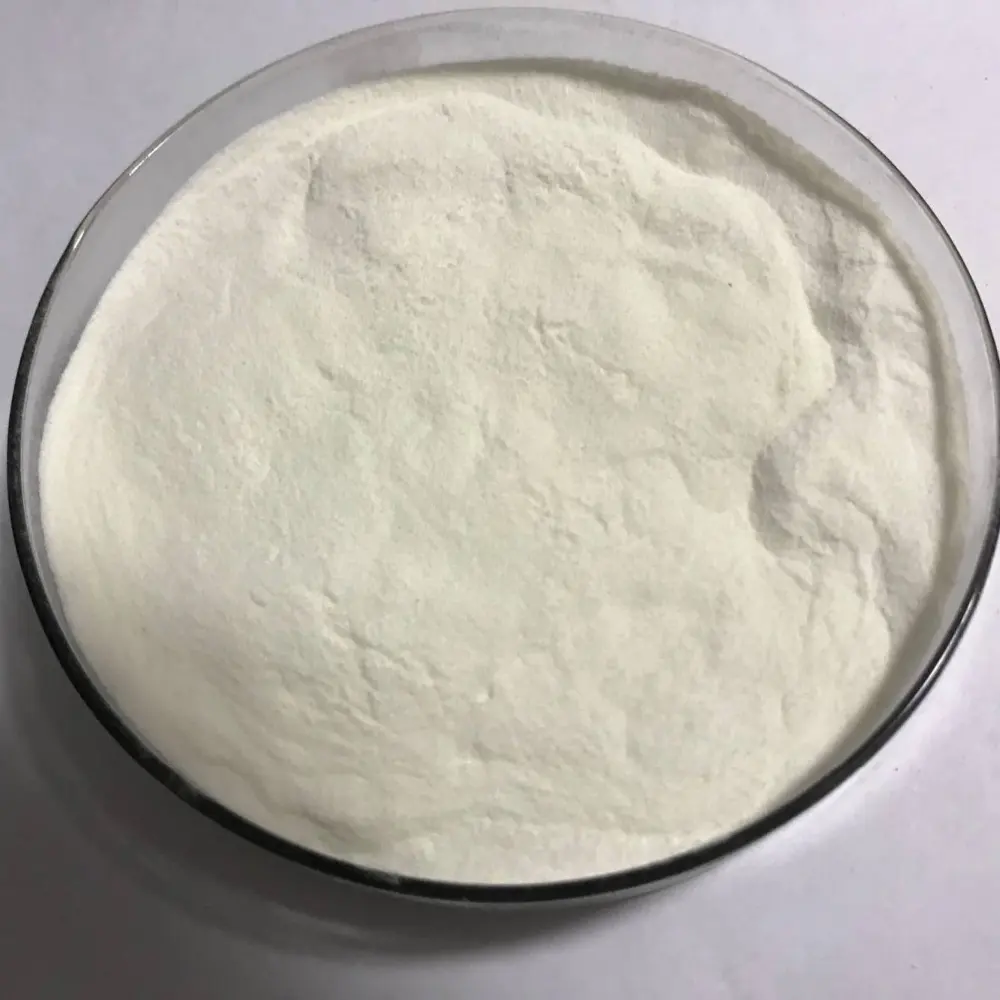
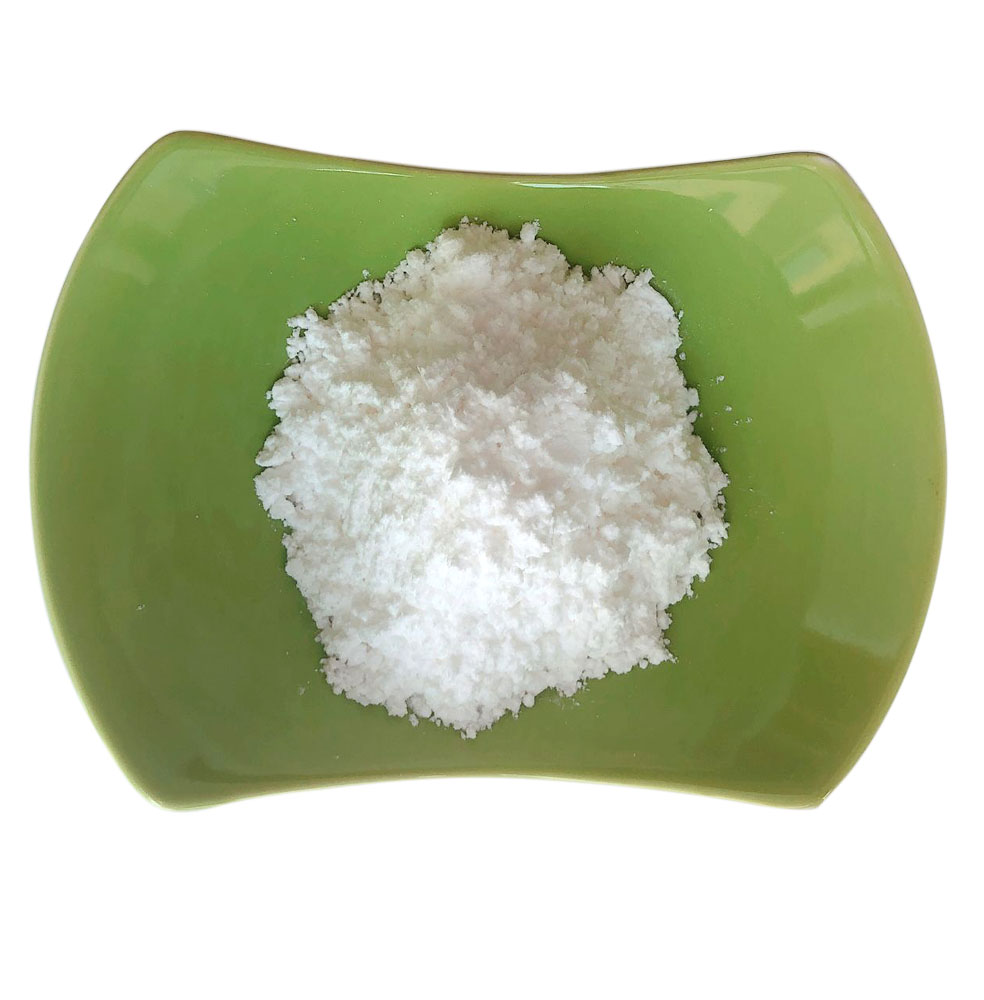
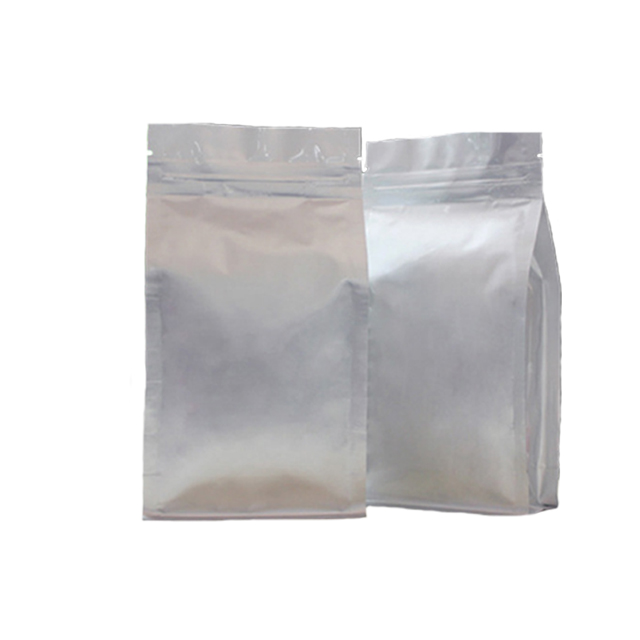







Images of MSM(Methylsulfonylmethane 99.9%)


We Recommend
API-Acotiamide, High purity cas 185104-11-4 Acotiamide hydrochloride
US $10.30-$99.34
Antiulcer drug,Sucralfate powder
US $25.00-$35.00
PVP K30/Polyvinyl pyrrolidone/Povidone USP
US $4.35-$5.50
Skin Cosmetic Product CAS 1239011-60-9 Acetyl Tetrapeptide-2
US $50.00-$100.00
New Arrivals
New products from manufacturers at wholesale prices