Product Overview
Description
Product Description


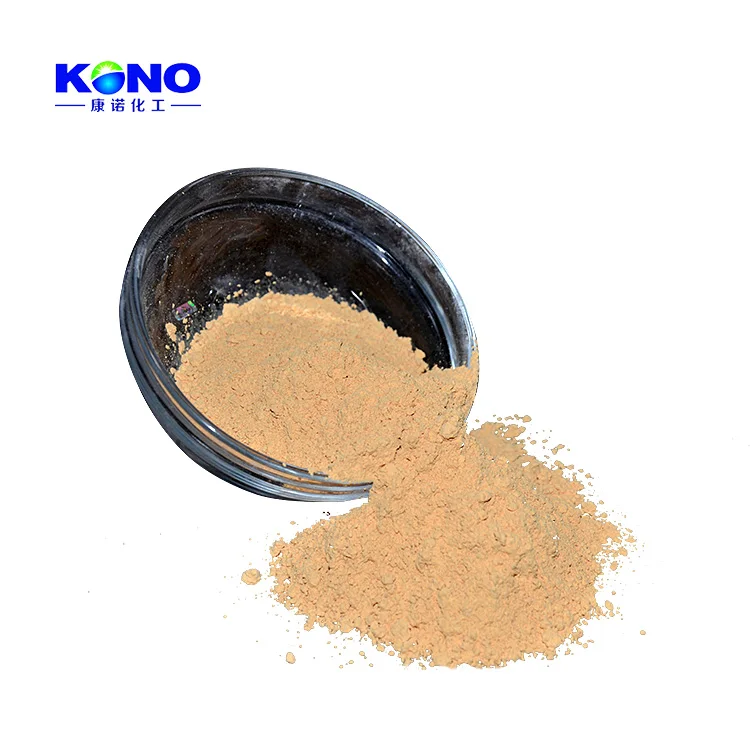
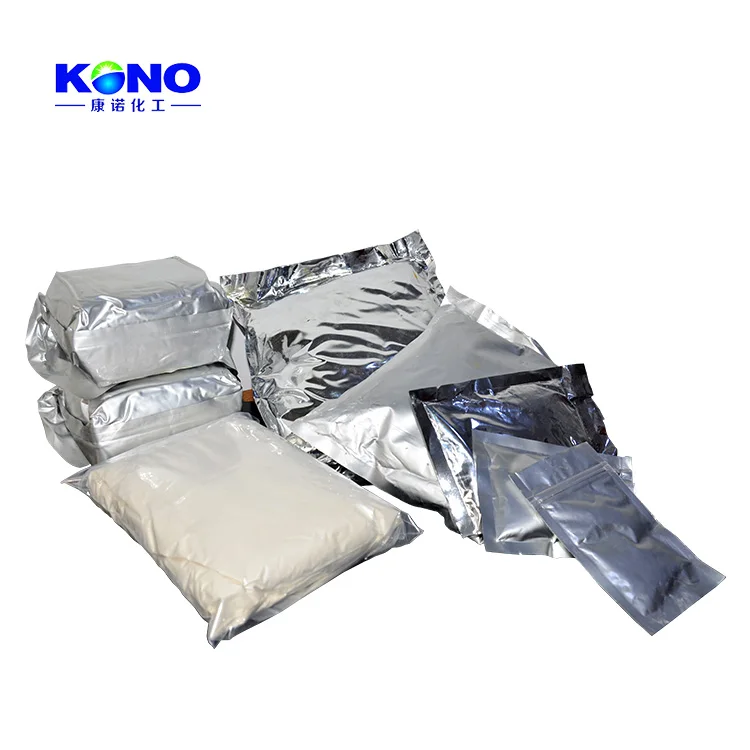
Product name:Chitosan Oligosaccharide
CAS: 9012-76-4
Molecular Formula:C56H103N9O39
Assay: 85%, 90%, 95%
Appearance: Off-white powder


1.Agricultural and horticultural use
In agriculture,Chitosan Oligosaccharide is used primarily as a natural seed treatment and plant growth enhancer, and as an ecologically friendly biopesticide substance that boosts the innate ability of plants to defend themselves against fungal infections. The natural biocontrol active ingredients, chitin/chitosan, are found in the shells of crustaceans, such as lobsters, crabs, and shrimp, and many other organisms, including insects and fungi. It is one of the most abundant biodegradable materials in the world.
2. Water filtration
Chitosan Oligosaccharide can also be used in water processing engineering as a part of a filtration process. Chitosan causes the fine sediment particles to bind together, and is subsequently removed with the sediment during sand filtration. It also removes phosphorus, heavy minerals, and oils from the water. Chitosan is an important additive in the filtration process. Sand filtration apparently can remove up to 50% of the turbidity alone, while the chitosan with sand filtration removes up to 99% turbidity. Chitosan has been used to precipitate caseins from bovine milk and cheese making.
3. Winemaking & fungal source chitosan
Chitosan Oligosaccharide has a long history for use as a fining agent in winemaking. Fungal source Chitosan has shown an increase in settling activity, reduction of oxidized polyphenolics in juice and wine as well as the chelation and removal of copper (post-racking). Fungal-source Chitosan can also be used in winemaking for the control of the spoilage yeast Brettanomyces. These products and uses are approved for European use by the EU and OIV standards.
4. Potential industrial use
Scientists have recently developed a polyurethane coating that heals its own scratches when exposed to sunlight, offering the promise of scratch-free cars and other products. The self-healing coating uses chitosan incorporated into traditional polymer materials, such as those used in coatings on cars, to protect paint. When a scratch damages the chemical structure, the chitosan responds to ultraviolet light by forming chemical chains that begin bonding with other materials in the substance, eventually smoothingthe scratch. The process can take less than an hour.
5. Biomedical uses
Chitosan Oligosaccharide's properties allow it to rapidly clot blood, and has recently gained approval in the United States and Europe for use in bandages and other hemostatic agents. Chitosan hemostatic products have been shown in testing by the U.S. Marine Corps to quickly stop bleeding and to reduce blood loss, and result in 100% survival of otherwise lethal arterial wounds in swine. Chitosan hemostatic products reduce blood loss in comparison to gauze dressings and increase patient survival. Chitosan hemostatic products have been sold to the U.S. Army and are currently used by the UK military. Both the US and UK have already used the bandages on the battlefields of Iraq and Afghanistan. Chitosan is hypoallergenic and has natural antibacterial properties, which further support its use in field bandages.




We Recommend
New Arrivals
New products from manufacturers at wholesale prices