EU certificated 100 % pure bee wax organic beeswax
US $2.50-$4.00
Share on (60781322709):

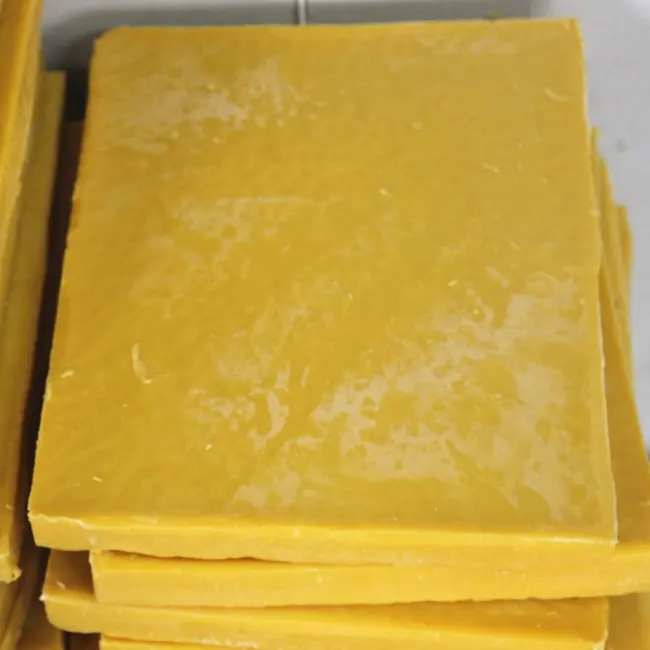
Beeswax is considered to be among man’s earliest raw materials. Adopted by ancient Egypt, Greece and Rome, Beeswax was ancient man's first plastic, cosmetic, medicinal material and artist’s media for painting, sculpture and jewelry; and has been in active use for more than four thousand years. Beeswax is secreted by the honeybee (Apis Mellifera) Latin for ‘honey bearer’, which is used for building its hexagonal combs within the hive. Wax is collected by removing a portion of the hive’s‘cappings’and then refined for use in a wide variety of applications.
Henan Kabu Agricultural Technology Co.,Ltd is considered to be the leading global refiner of Beeswax, producing White and Yellow Grades of Beeswax, certified to the current USP/NF Monograph, food chemicals codex, and other compendium. We also produce our own USDA Certified Organic Beeswax.
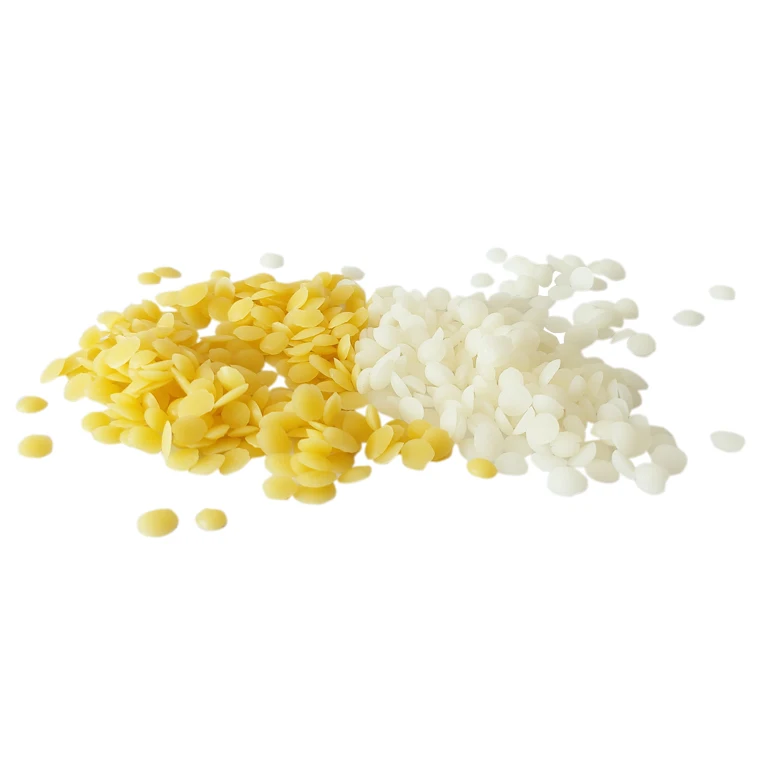
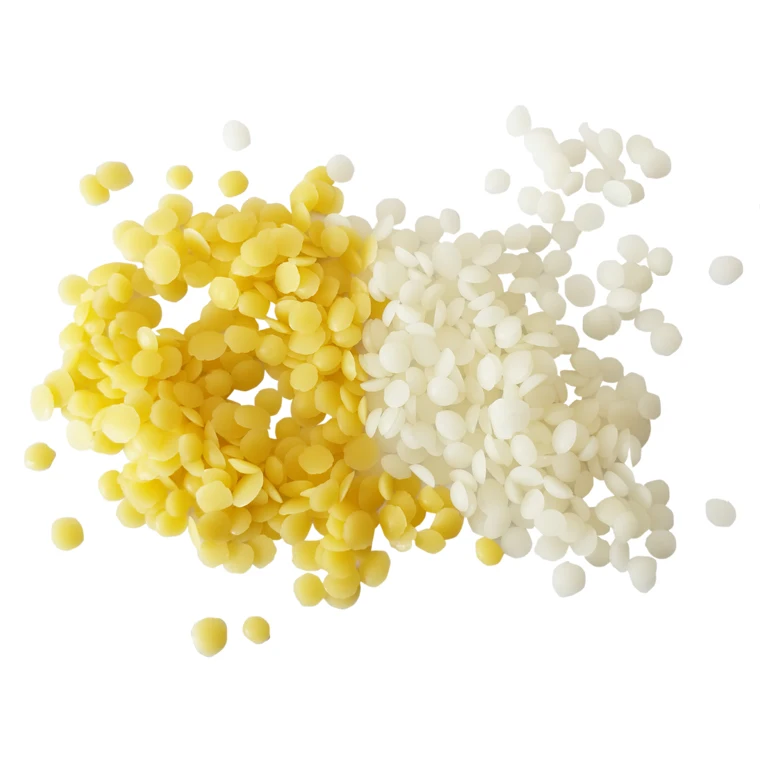
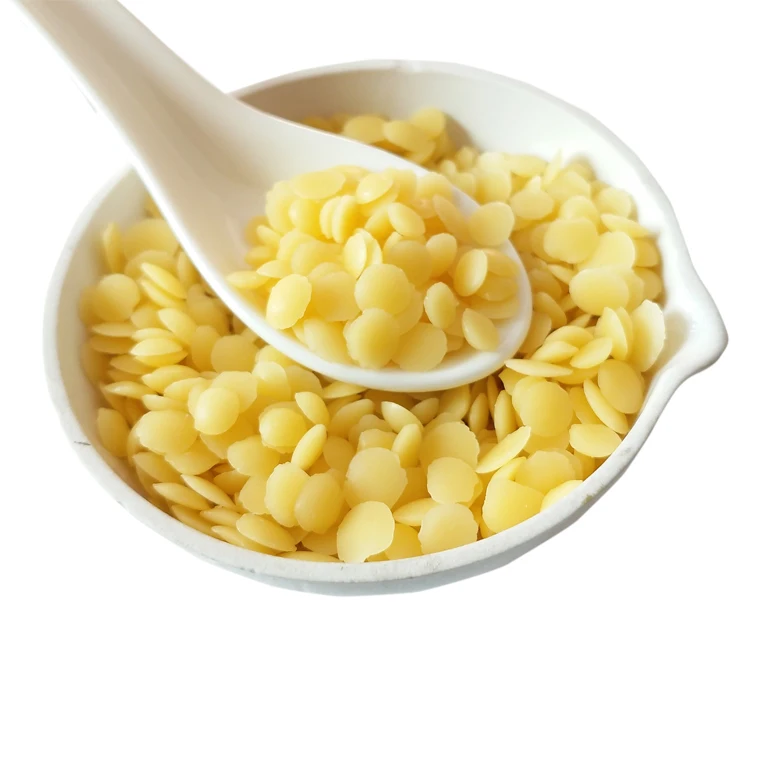
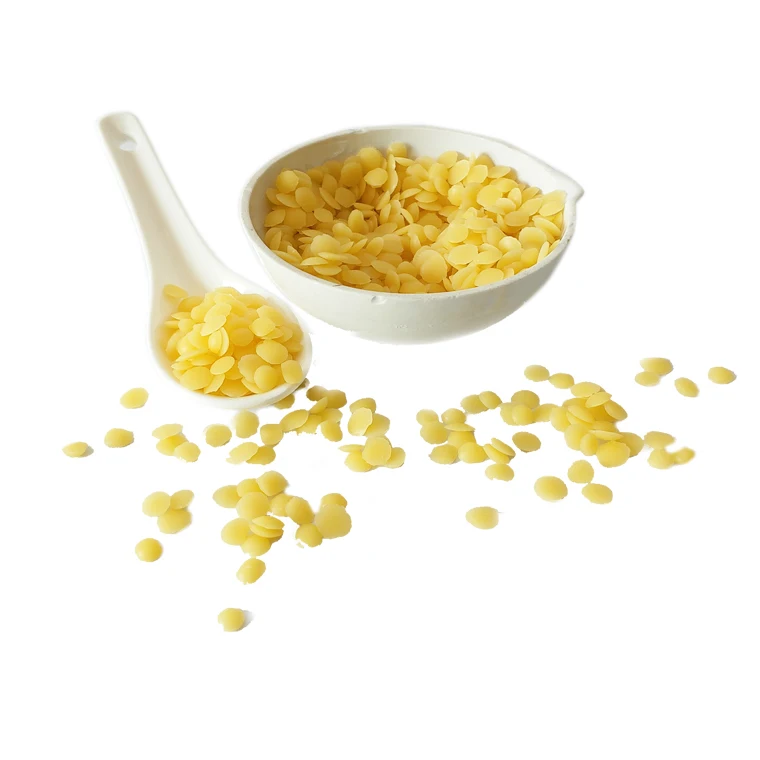
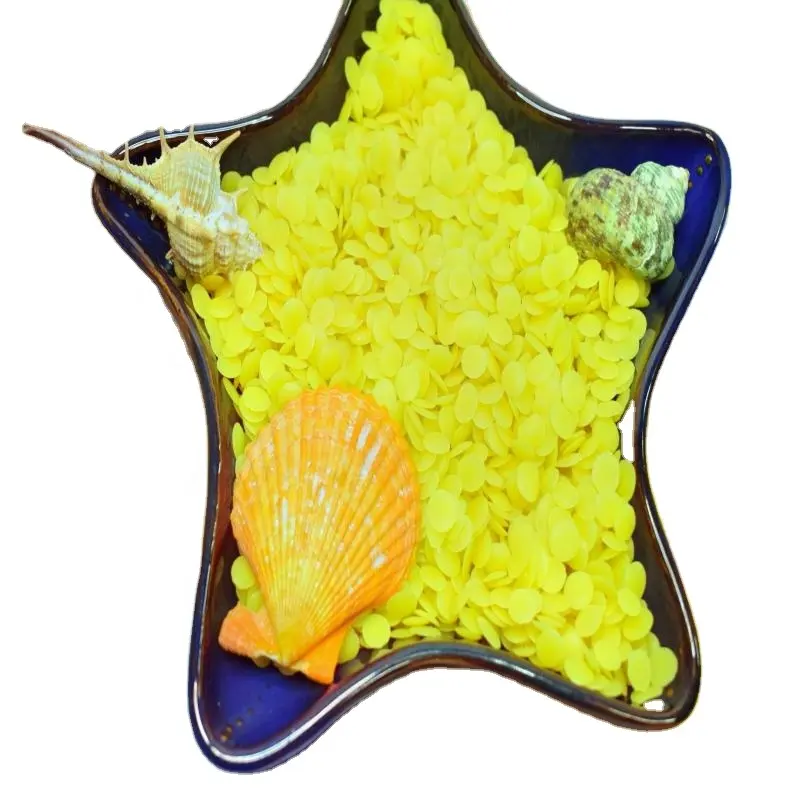
Yellow beeswax pellet Characteristics:
Light yellow to yellow colour of varying intensity with a fine-grain matt, non-crystalline fracture. Becomes soft and pliable when warmed by hand. Odour faint and characteristic of honey. Relative density is about 0.96. Practically insoluble in water, completely soluble in volatile and fixed oils.
Yellow beeswax pellet Processing:
Pure crude cappings beeswax is gently melted over clean un-treated bore water and is then allowed to settle. The molten beeswax is then micro filtered to remove all dross before being passed through a pelletising machine. The pellets which are formed, are cylindrical, 20 mm long and 7mm in diameter. The pellets drop directly from the pelletiser into plastic lined cartons. Batch size is approx 1200 kgs
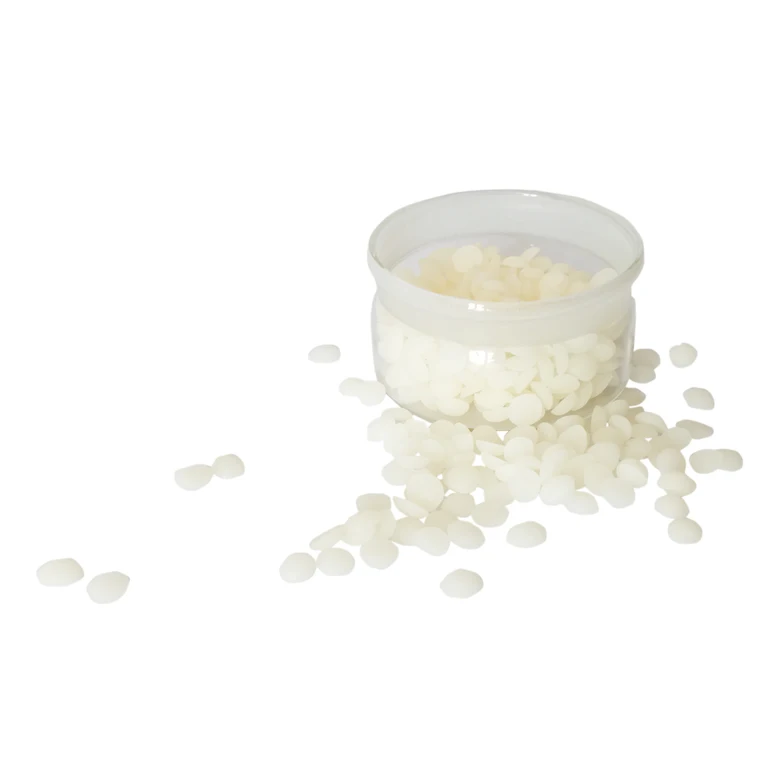
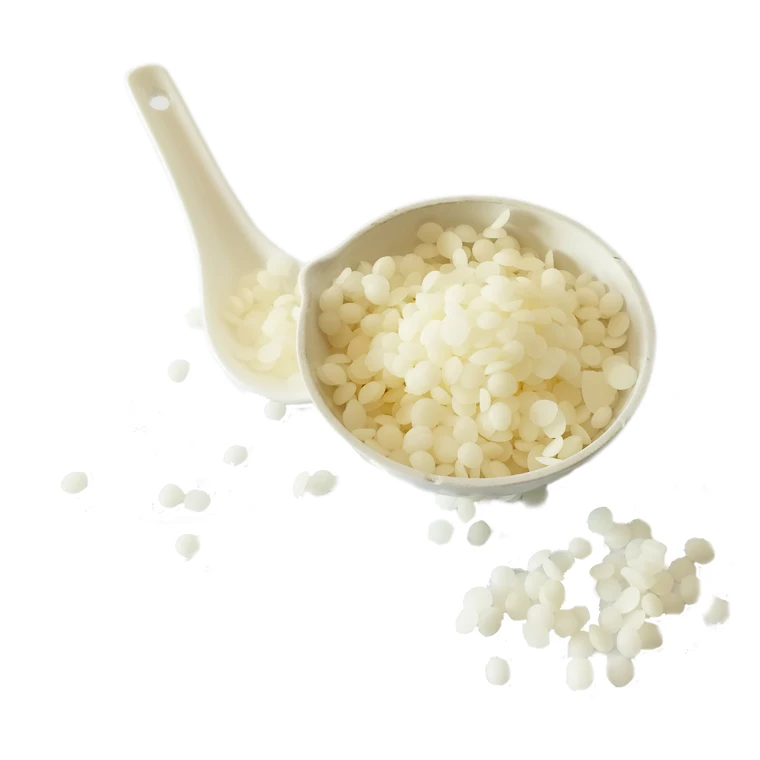
White beeswax pellet Characteristics:
White to Ivory colour of varying intensity with a fine-grain matt, non-crystalline fracture. Becomes soft and pliable when warmed by hand. Odour faint and characteristic of honey. Relative density is about 0.96. Practically insoluble in water, completely soluble in volatile and fixed oils.
White beeswax pellet Processing:
The very highest grade Lemon coloured crude beeswax is gently melted over clean un-treated bore water and is then allowed to settle. The colour is then removed using an organic and sustainable method. The beeswax is then micro filtered to remove all dross before being passed through a pelletising machine. The pellets which are formed, are cylindrical, 20 mm long and 7mm in diameter. The pellets drop directly from the pelletiser into plastic lined cartons. Batch size is approx 1200 kgs.

Physical properties:
Beeswax is solid at room temperature ,with characteristics of unique flavor, plasticity and lubricity . It will not stick your teeth when you chew the pure beeswax . It is white color after chewing and without grease taste .You will see a lot of micro crystal particles when you break off beeswax .There will be “ wax quilt” in the surface when beeswax is stored in a low temperature .
Beeswax is compatible with most vegetable and mineral waxes and a large variety of natural and synthetic resins.
Application:
Cosmetics, Creams, Glamour Products, Lotions, Pharmaceuticals, Ointments, Tablet Coatings, Candles, Confections, Hard Shell Candy Coatings, Wood and Floor Polishes.
Form:
Cylindrical pellets approx 20mm long and 7mm in diameter.
Beeswax Grades:
1. Food grade beeswax
Beeswax is used as a coating for food, by sealing out the air, protection is given against spoilage and mold growth. It also can be used as a food additive, in small quantities acting as a glazing agent, which serves to prevent water loss, or to provide surface protection for some fruit.
2. Candles making beeswax
Beeswax has been widely used over the centuries for a number of reasons, most commonly to make candles, which it is still used for today. In fact, beeswax candles are thought to be healthier than most, since they don’t produce toxic byproducts and heavy soot when burned, and they also help neutralize pollutants in the air(emit negative ions to purify, cleanse, improve air quality, and invigorate the body).
The natural scent of beeswax has a harmonizing effect, benefit those with environmental allergies, asthma and sensitivities. It burns significantly longer, stronger and brighter.
3. Cosmetics grade beeswax
The cosmetics industry loves beeswax because not only is it natural and non-toxic, it provides benefits to the skin and to various types of formulas. It’s a “thickening agent,” for instance, which means that it can help thicken creams to make them easier to use and more spreadable on the skin.
Protective: When applied to the skin, beeswax forms a protective barrier that helps protect it from environmental assaults, while also holding in moisture and reducing dryness. This is one of the reasons beeswax is often used in lip balms. Unlike ingredients made from petroleum, however, beeswax doesn’t “suffocate” the skin, and won’t clog pores.
Humectant: Some ingredients “attract” water, and beeswax is one of them. When you put it on, you attract water molecules, helping to keep skin hydrated over time.
Vitamin A: A good source of this vitamin, beeswax helps exfoliation and can rejuvenate your look.
Fragrance: We always say there’s no reason to use harsh chemicals to make products smell good. Natural ingredients work so much better! Beeswax has a natural honey fragrance, and is a favorite in soaps and perfumes because of its pleasant, light aroma.
Soothes temporary itching: If you suffer from dry skin itching or sensitive skin, beeswax is for you. Because beeswax is anti-allergenic, it is also easily tolerated by even those with reactive skin.
Price list of our beeswax pellet
| ITEM NO | COLOR | GRADE/APPLICATION | PRICE(pound) |
| WBP1 | yellow | food/pharmaceutical | $2.5 |
| WBY1 | yellow | cosmetic/candle making | $1.8 |
| WBP2 | white | food/pharmaceutical | $2.7 |
| WBY2 | white | cosmetic/candle making | $2 |
Certificate Available
| USDA Organic Certificate |
| ECOCERT Certificate |
| Halal Certificate |
| Certificate of inspection for import of products from organic production into the european community |
| Health Certificate |
| Veterinary Certificate |
| GMP certificate |
| Certificate of Origin |

(Please contact kabuagri@foxmail. com to get a copy of your requested certificate)

| Analysis | Result | Units | Method |
| Acid Value* | 18.6 | - | British Pharmacopoeia 2010 Beeswax Monograph |
| Ceresin,Paraffin and other waxes* | Passed | - | British Pharmacopoeia 2010 Beeswax Monograph |
| Dropping Points* | 64 | ℃ | British Pharmacopoeia 2010 Beeswax Monograph |
| Ester Values* | 75 | - | British Pharmacopoeia 2010 Beeswax Monograph |
| Glycerol and other Polyhydride alcohols* | Passed<0.5% | - | British Pharmacopoeia 2010 Beeswax Monograph |
| Ratio Number* | 4.0 | - | British Pharmacopoeia 2010 Beeswax Monograph |
| Saponification Value* | 93 | - | British Pharmacopoeia 2010 Beeswax Monograph |
Each batch comes with a Certificate of Analysis, performed by a certified analytical laboratory using the method’s set out in the British Pharmacopeia 2018 edition.
Certificates of analysis are also able to be provided to USP and Ph Eur specifications.
Flow chart of white beeswax production:

Packing: Packed into plastic lined cardboard cartons, each containing 25kgs net. Cartons are packed on pallets each containing 24 cartons and weighing 600kgs net and shrink wrapped and strapped. Each pallet measures 1.57 cubic metres.
Hazard: Water should not be added to beeswax which is at a temperature exceeding 95 deg C as it will cause uncontrolled foaming.






New products from manufacturers at wholesale prices