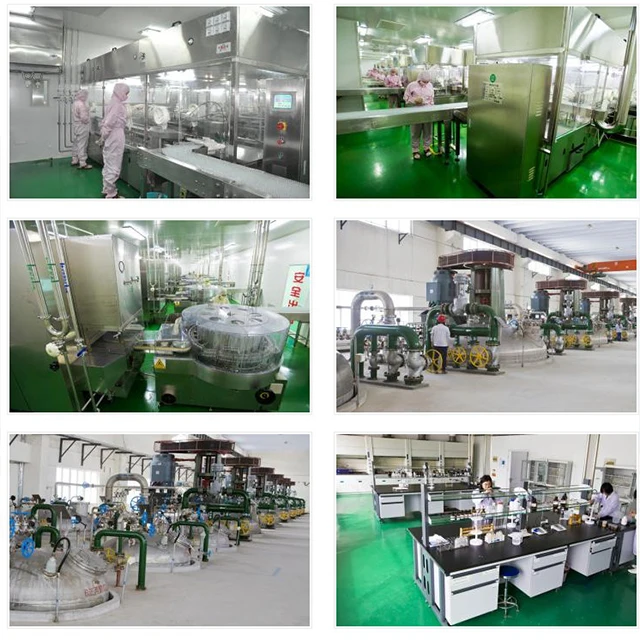

High quality liposomal Vitamin C powder CAS 50 81 7
- Category: >>>
- Supplier: MK (Wuhan) Biotechnology Co. Ltd. [Hubei China]MK
Share on (60783501130):
Product Overview
Description

High quality Vitamin C powder CAS 50-81-7 Introduction | |
Product name | Vitamin C |
CAS no | 50-81-7 |
Molecular formula | C6H8O6 |
Molecular weight | 176.12400 |
Accurate mass | 176.03200 |
PSA | 107.22000 |
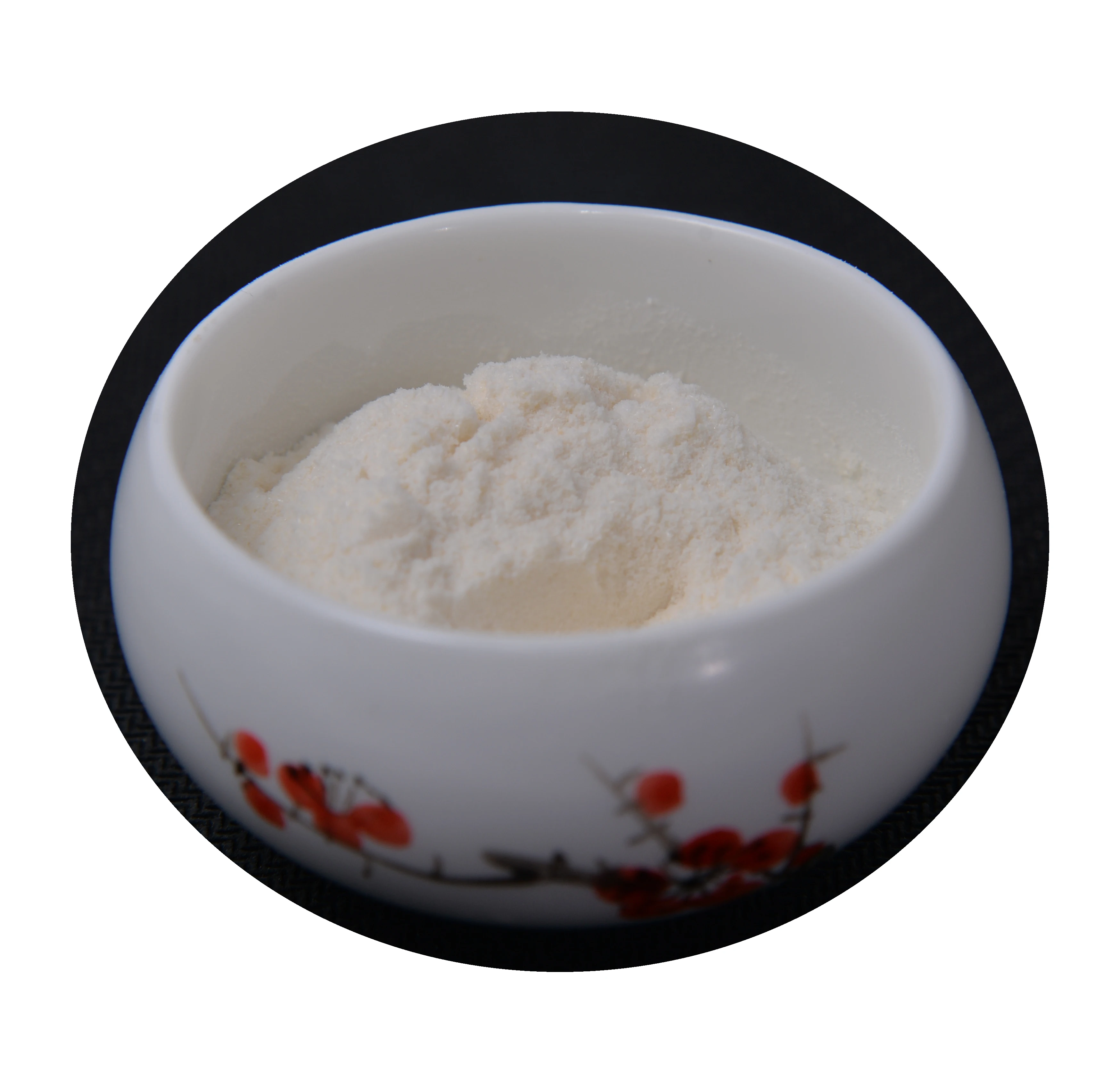
Appearance and character | White to very light yellow crystalline powder |
Density | 1,65 g/cm3 |
Melting point | 190-194 ° C (dec) |
Boiling point | 15.8 DBS at 760 mmHg |
Flash | DHS 180.4 C |
| The refractive index | 21 ° (C = 10, H2O) |
Application Promote collagen hyperplasia, repair the damage of ultraviolet rays to skin, and dilute melanin. 1. Strongly diluted spots: levorotatory vitamin C can inhibit tyrosinase and reduce melanin, and dilute the spots and inhibit melanin formation. 2. Promote the synthesis of collagen to reduce fine lines: levorotatory vitamin C is to make collagen have to composition, and collagen is the main components of the dermis, without affect the formation of collagen, cause sagging skin aging, and wrinkles, and the aging of the skin contains levorotatory vitamin C content is less, so it must be added at any time. 3. Antioxidant and anti-aging: the skin is affected by the external environment, and free radicals will form. Free radicals will destroy collagen and elastin in normal tissues, resulting in aging, fine lines and wrinkles.Levorotatory vitamin C can effectively neutralize free radicals, improve skin texture, restore damaged skin, and make skin firm and elastic. 4 protect skin function: free radical is the killer that causes ageing, skin produces free radical to be able to harm skin because of ultraviolet irradiation, left turn vitamin C can neutralize free radical, make the skin avoids the protective function such as damage ageing. 5. Promote the metabolism of the skin and accelerate skin changing.
Vitamin C is widely used in food, beverage, aquaculture and feed additive fields.Its main functions are reflected in the following five aspects: 1) keep food, fruits and drinks fresh and prevent odors. 2) prevent the formation of nitrosamines from nitrite in meat products. 3) improve the quality of dough to maximize the expansion of baked goods. 4. Compensate for the loss of vitamin C in the processing of beverages, fruits and vegetables. 5) used as a nutrient element in additives and feed additives. | |


We Recommend


New Arrivals
New products from manufacturers at wholesale prices