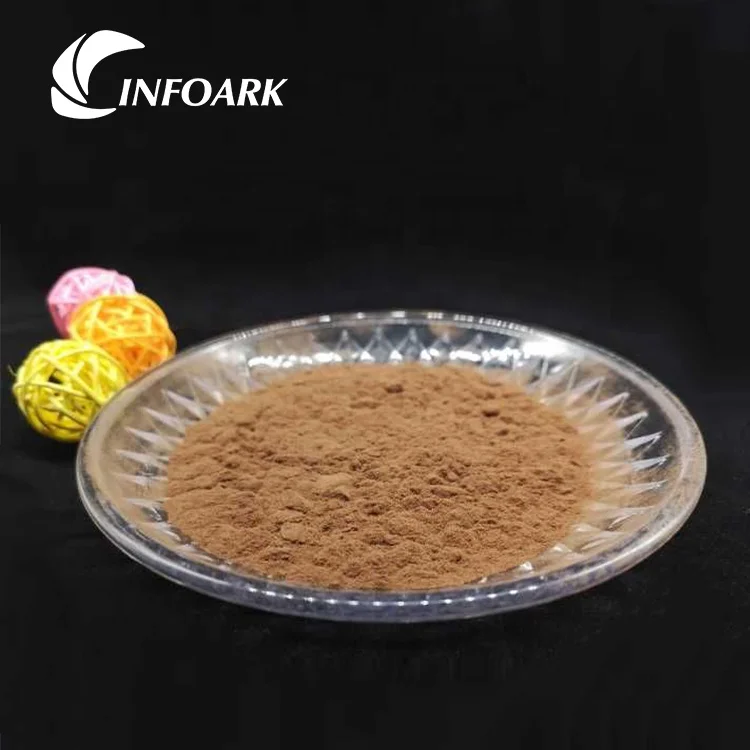
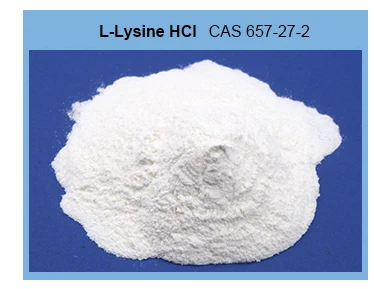
1. L-Lysine HCl is highly purified to 98.5% after fermentation.
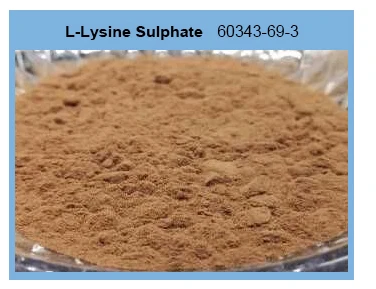
2. L-Lysine Sulphate, which is more cost-effective, is semi-purified and contains other fermentation by-products such as other essential amino acids and carbohydrate.
3. L-Lysine HCl 98% could attribute 78.4% free lysine and L-Lysine Sulphate 65%, equal to 65% lysine HCl, could provide 51% free lysine in the feed. L-Lysine Sulphate 70%, equal to 70% lysine HCl, could provide 55% free lysine in the feed.
Product Description
It is a building block of protein and an important component in amino acid balance. Lysine is involved in a large number of metabolic processes, that's why it has a fundamental role in animal nutrition and animal health. Animals cannot produce enough of this amino acid by themselves, hence the need to supplement their diets with synthetic L-Lysine.
Item
Specifications
Appearance
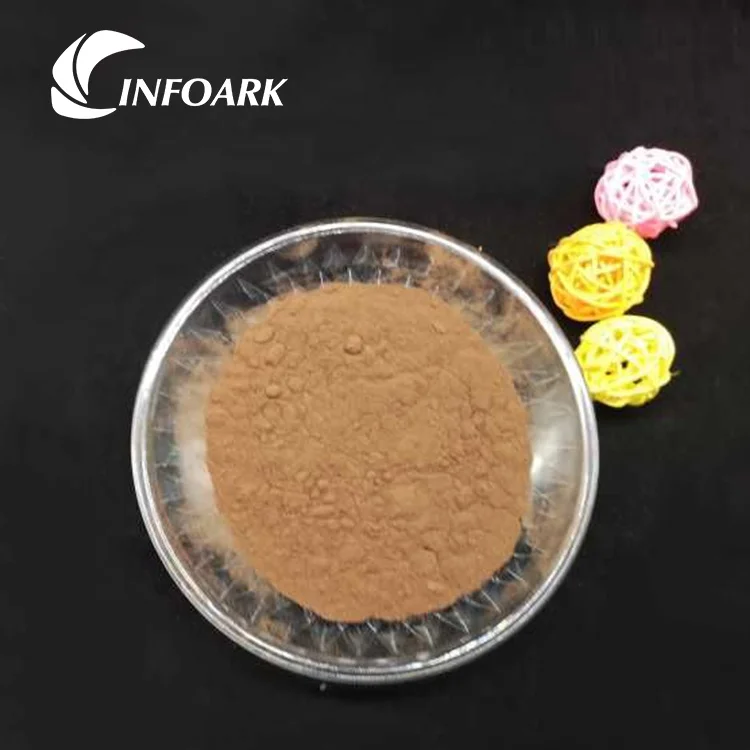
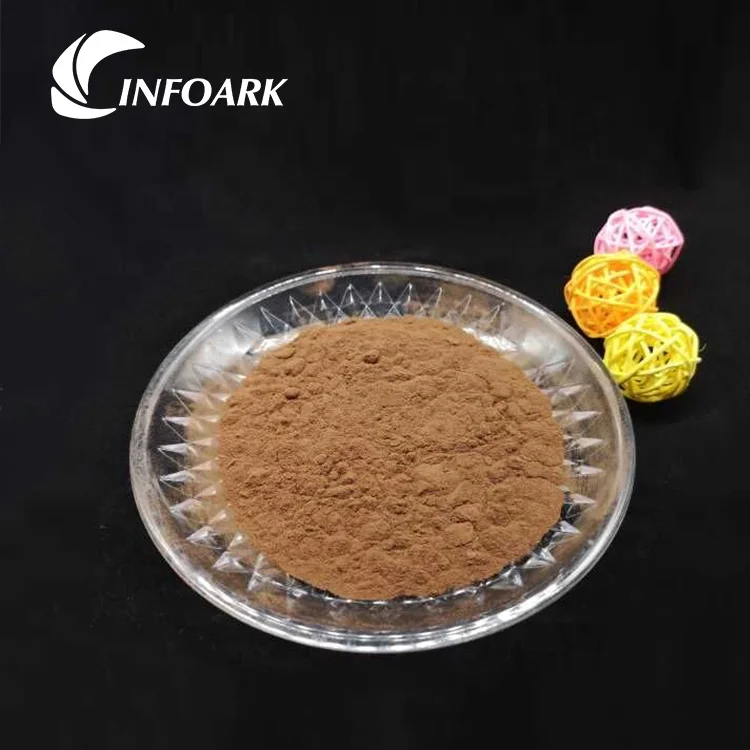
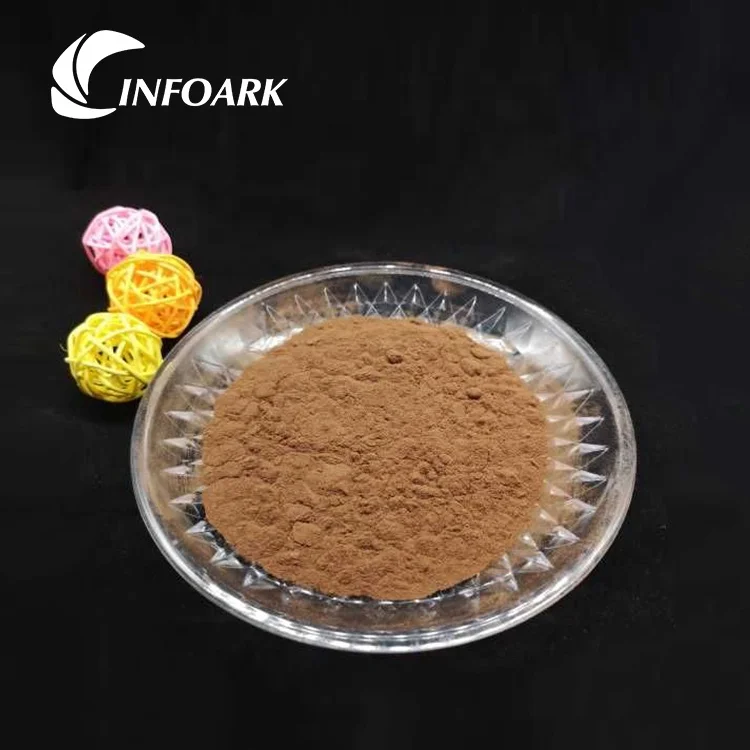
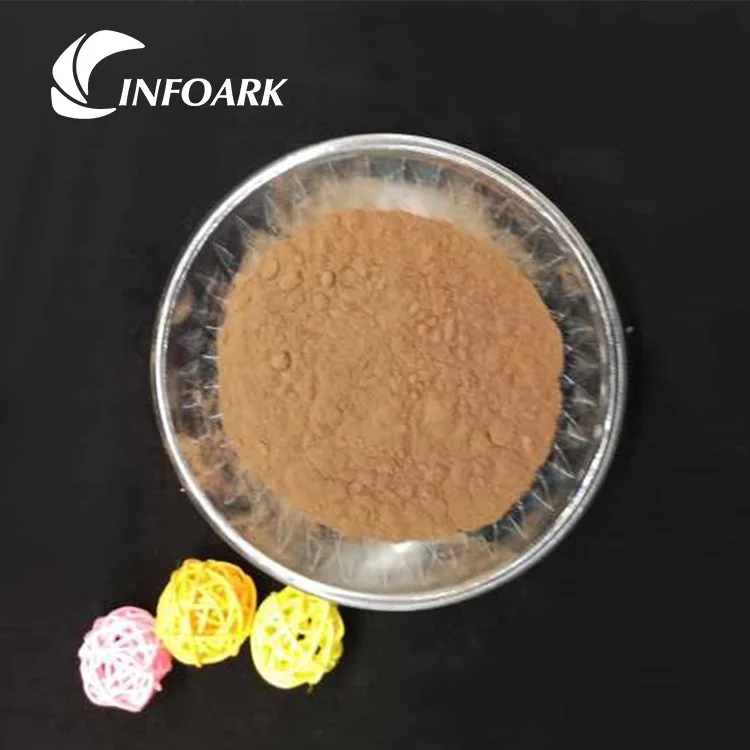
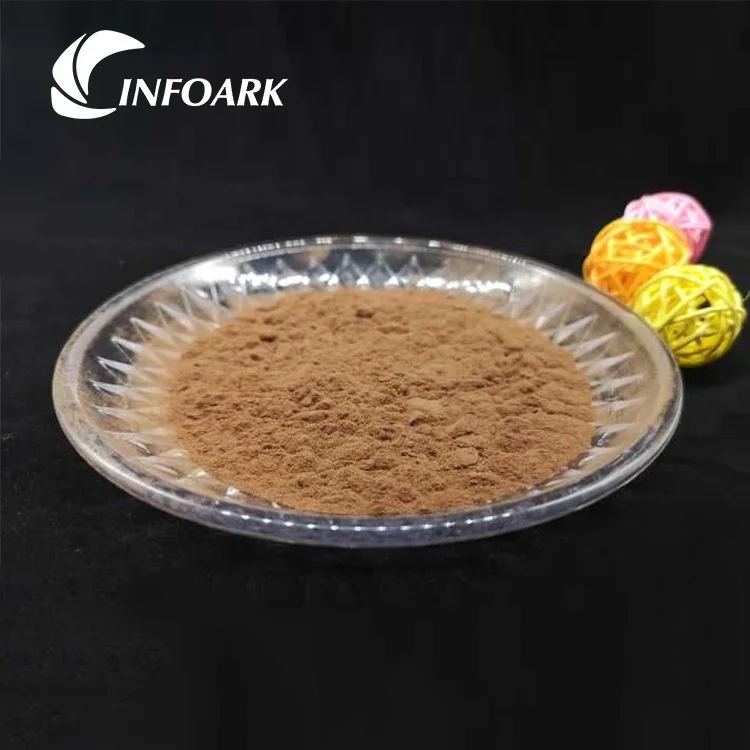
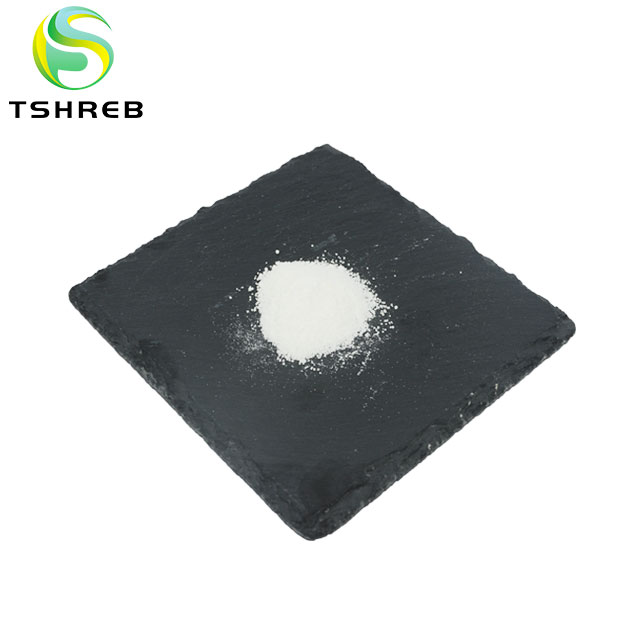
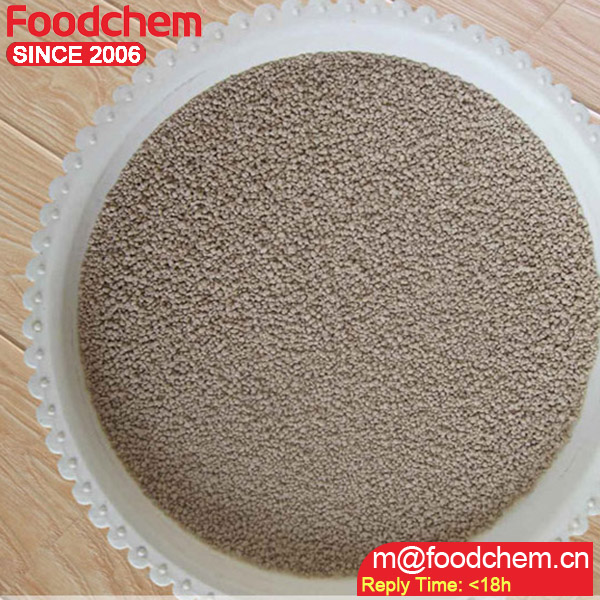
White or brown powder, odorless ormicro distinctive smell
Specific Rotation [a]D20
+25.5¡ãto +27.0¡ã
Transmittance
98.0% Min
Chloride (Cl)
0.020% Max
Ammonium(NH4)
0.10% Max
Sulfate(SO4)
0.02% Max
Iron(Fe)
10ppm Max
Heavy Metals (Pb)
10ppm Max
Other amino acids
Not detectable (10 µg)
Loss on Drying
0.20% Max
Arsenic (As2O3)
1 PPM Max
Assay
98.5% Min
Residue in Ignition (Sulfate)
0.10% Max
Application
For broilers: an increase in feed consumption and in body weight gain; and an improvement in feed conversion and in meat quality. For layers: an increase in feed consumption and in body weight gain; and an improvement in feed conversion, egg production, the duration of the laying period, number of eggs, egg weight, egg shell stability and the colour of the yolk. For turkeys: an increase in feed consumption and in body weight gain; and an improvement of feed conversion and in meat quality. For piglets and pigs: an increase in feed consumption and in body weight gain; and an improvement in feed conversion and in nitrogen retention. Particularly with pigs, its use allows an improvement of the meat quality (e.g. an improvement of the protein content of the muscle "longissimus dorsi"). Finally for dairy cows: it allows an improvement in feed conversion, ruminal fermentation process, protein utilization efficacy, milk production and the content of milk constituents, protein and fat. Note that the three last improvements are due to the stimulation of the bacterial growth.
Packaging & Shipping
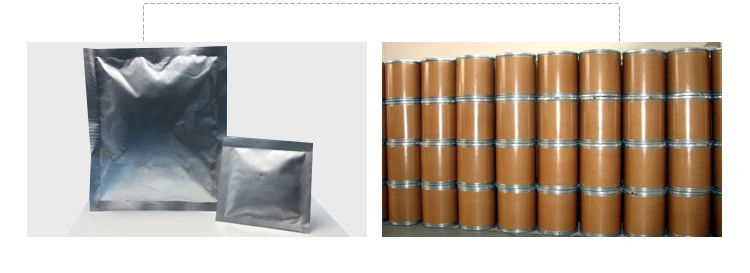
Packaging Detail
0.5kgs/Al-Bottle
1.0kgs/Al- Bottle
2.0kgs/Al- Bottle
5.0 kgs/Al-Bottle
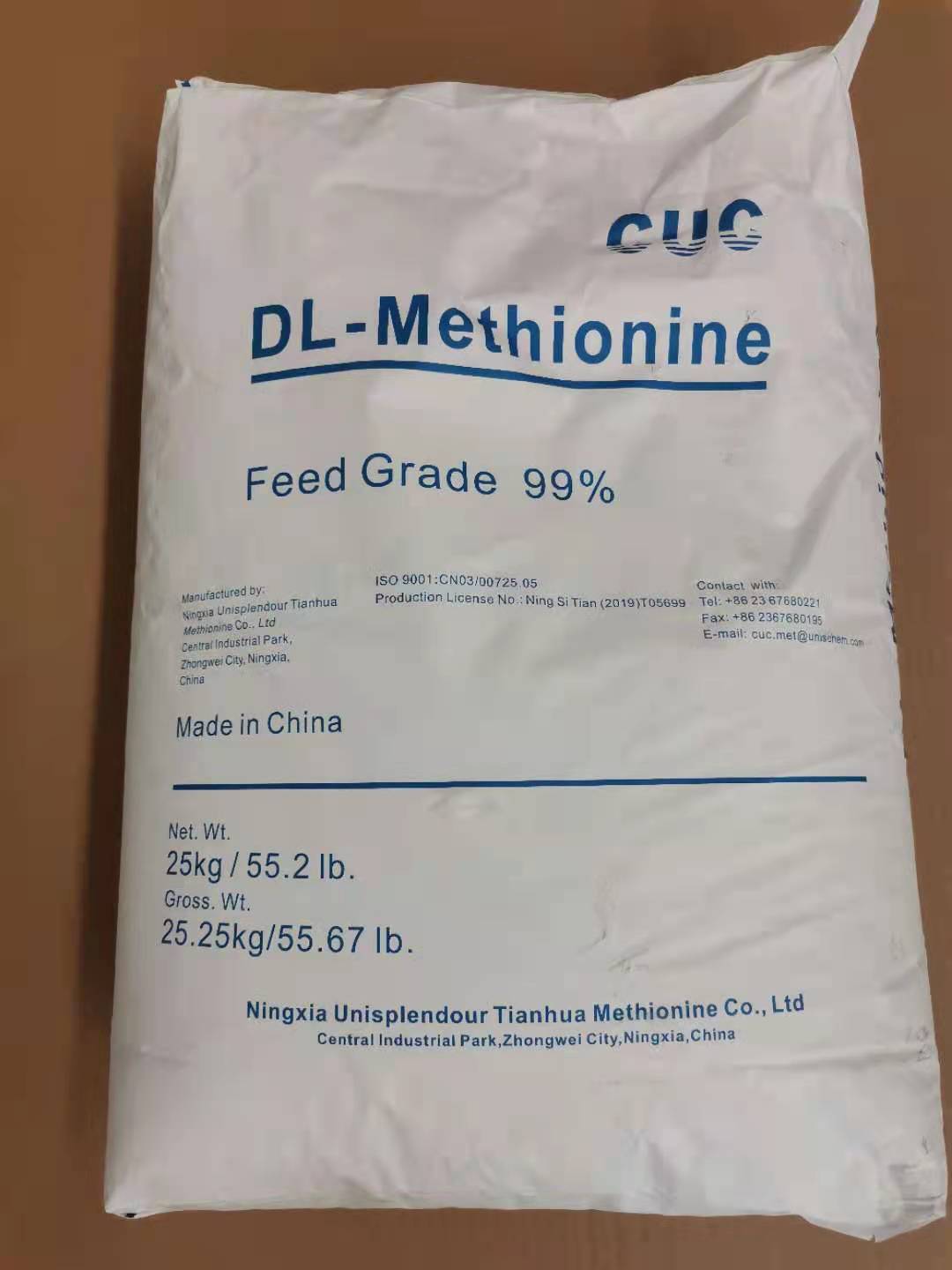
25.0 kgs/Bag
or upon customers' request.
Storage
Store in a well-closed container away from moisture
Shelf Life
2 years if sealed and store away from direct sun light.
Delivery Detail
within 3 days after get the payment
· Storage:Stored in dry and cool place, keep away from strong light and heat.