



Organic slow release fertilizer N (N butyl)thiophosphoric triamide urease inhibitor NBPT
- Category: >>>
- Supplier: Xiamen Vastland Chemical Co. Ltd.
Share on (62000808075):
Product Overview
Description
Product Details
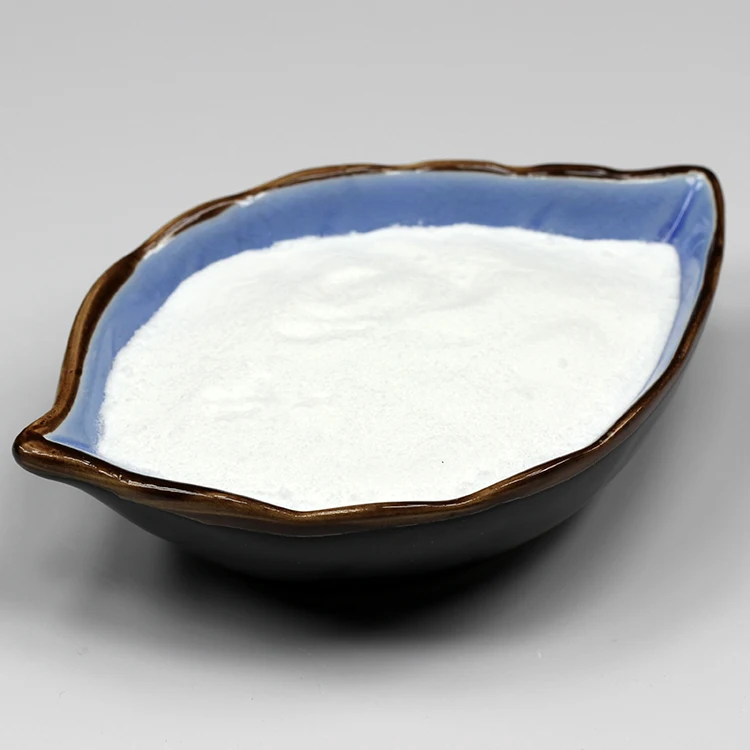
Organic slow release fertilizer N-(N-butyl)thiophosphoric triamide urease inhibitor NBPT
Composition
Items | Specifications |
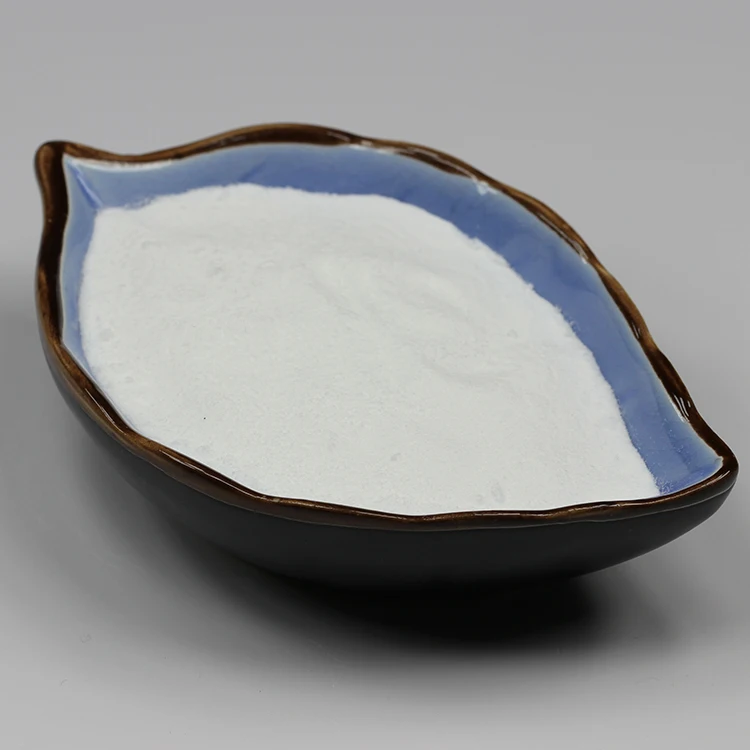
Appearance | White Crystalline Powder |
Assay(HPLC) | >97.0% |
Melting Range | 56~60℃ |
Loss on Drying | ≤1.0% |
Identification | IR |
Assay(HPLC) | White Crystalline Powder |
Melting Range | >97.0% |


Product Explanation
Properties
NBPT is an efficient and non-toxic soil nitrogen fertilizer enzyme inhibitor, which has no side effects on soil. Besides, it is naturally degraded into ammonia and phosphorus in soil, and can be absorbed by crop roots as a fertilizer. Besides, it can reduce the toxic effect of ammonia gas on seed germination and seedling growth. NBPT is white crystalline, Solubility in water at room temperature (25 ℃) is 4.3g/l. The relative density is 1.171 g/cm3. The melting point is 58-60 ℃. Refractive index is 1.548. Boiling point is 277.4 °
Benefits
1,Synergistic stabilizer of nitrogen fertilizer. Improve fertilizer efficiency, reduce dosage and prevent the loss of ammonia nitrogen.
2,Reduce the damage to seedlings.
3,Reduce emissions of nitric oxide and nitrogen dioxide. Optimum concentration: 0.2% of total nitrogen in urea.
Application
N-butyl thiophosphoric triamide is a soil urease inhibitor, which is highly efficient, non-toxic, has no side effects on soil, and naturally degrades into ammonium and phosphorus in the soil. It can also be used as a fertilizer to be absorbed by crop roots and reduce nitrogen. The toxic effect on seed germination and seedling growth is an excellent soil urease inhibitor. Experiments and production practices show that the inhibition of urease hydrolysis on urease hydrolysis in non-acid soils and well ventilated conditions is NBPT (N-n-butyl thiophosphoric acid triamide) > PPD (phenylphosphoryl) Diamine) >HQ (hydroquinone), NBPT is also significantly better than PPD and HQ in the inhibition of NH3 volatilization under aeration conditions, and the loss of NH3 volatilization is reduced from 20% to 3%. Urea will produce nitrous acid accumulation during hydrolysis. Nitrate ions and nitrite ions are more likely to leaching when they are moved. However, when NBPT is added to urea, the amount is only 10ug/g soil, nitrous acid. Salt accumulation can be reduced from 11% to 1% (31). In soils without organic matter, NBPT can also increase the fixation of urea N by 30%. Applying NBPT-added urea to the field, Seedling germination promotes the plant's absorption of "nitrogen" in the soil and increases crop yield.
Compatibility
NBPT can achieve the best effect in combination with nitrogen fertilizers in soils with high crop yield potential, low soil nitrogen levels, and soil and environmental conditions that are beneficial to the loss of ammonia volatilization. The urease inhibitor NBPT can effectively reduce urea or The volatilization loss of urea-containing fertilizer, but it is not stable in crop yield increase. The main crops currently applied are corn, rice, soybeans, and potatoes.
Packing
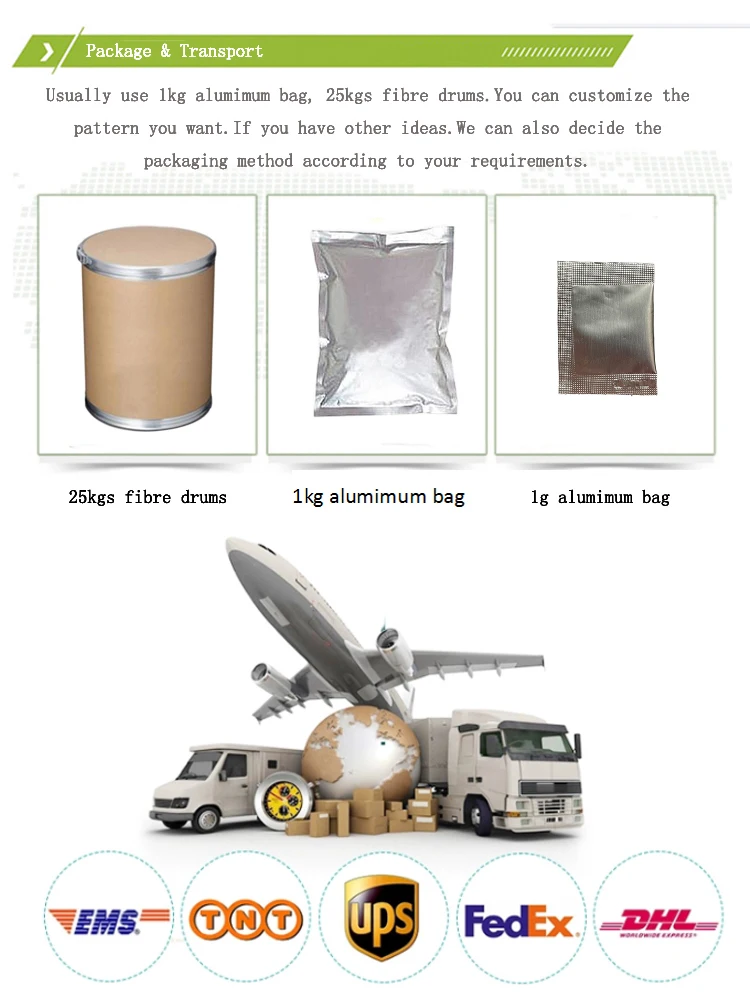
1kg aluminum bag, 25kg fibre drum
Storage
Stored at a cool, dry and well ventilated place.
Company Information



We Recommend


New Arrivals
New products from manufacturers at wholesale prices