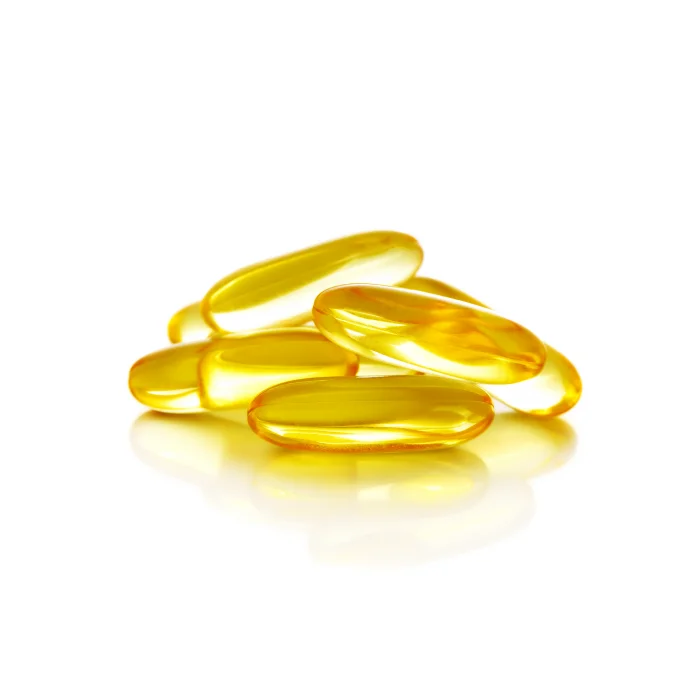
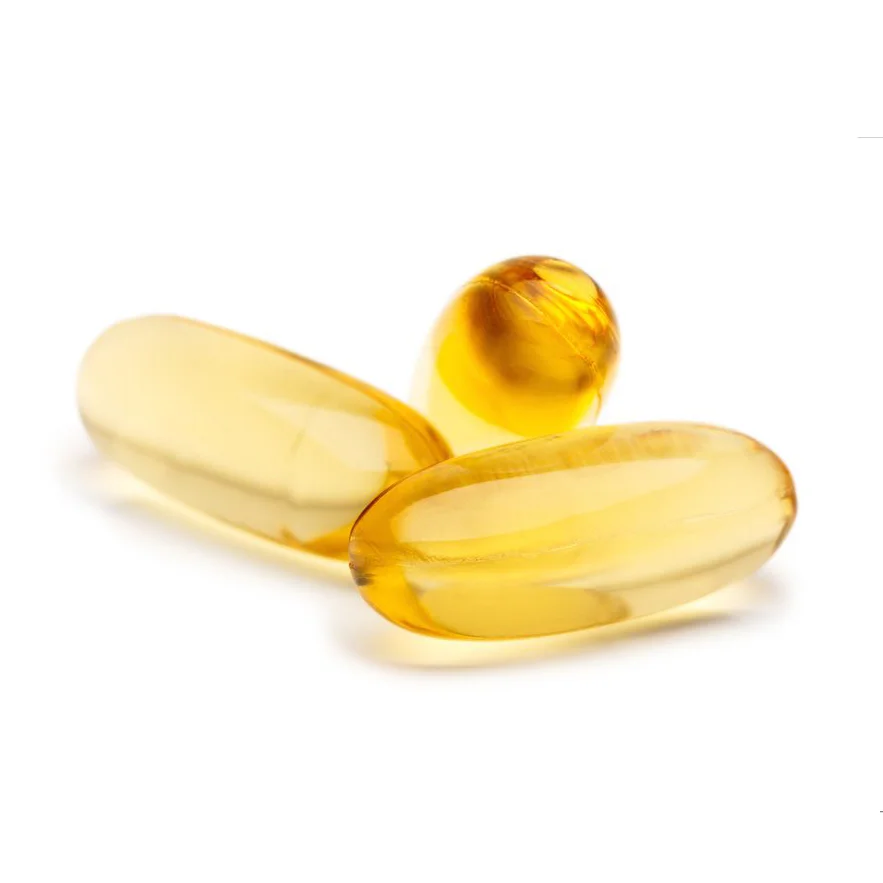
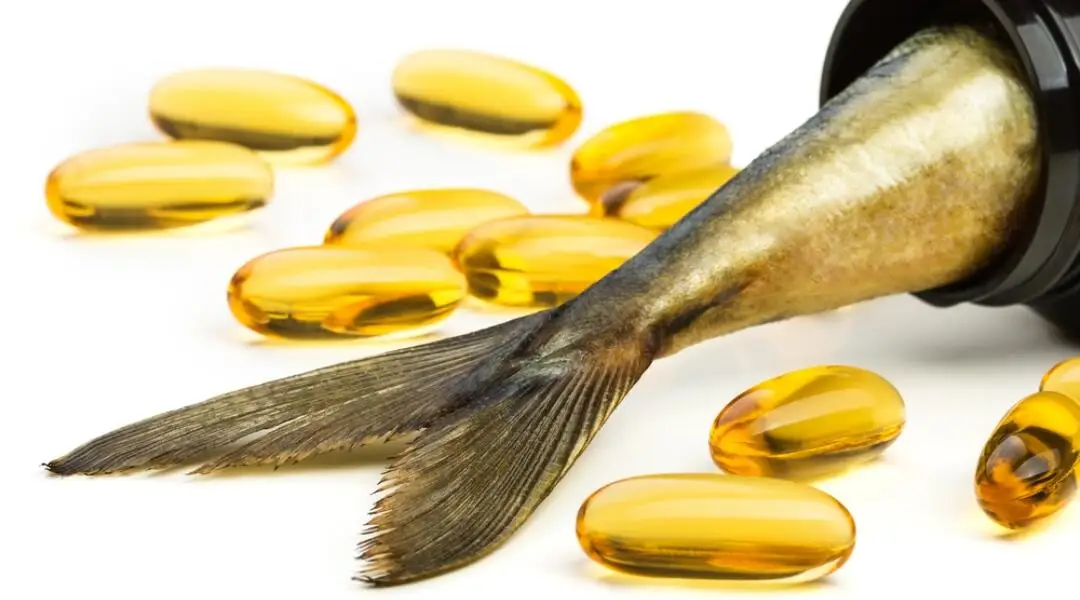
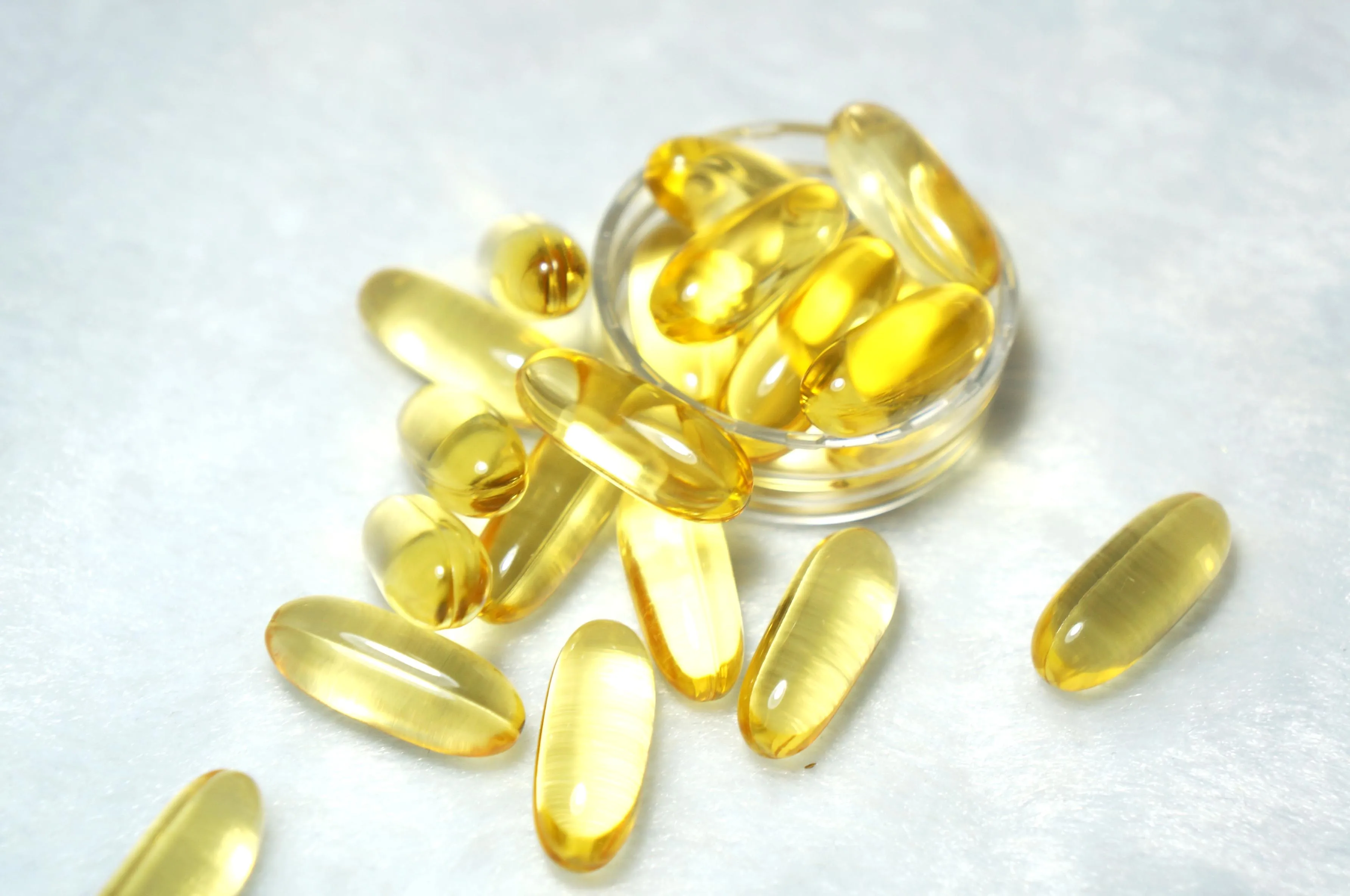
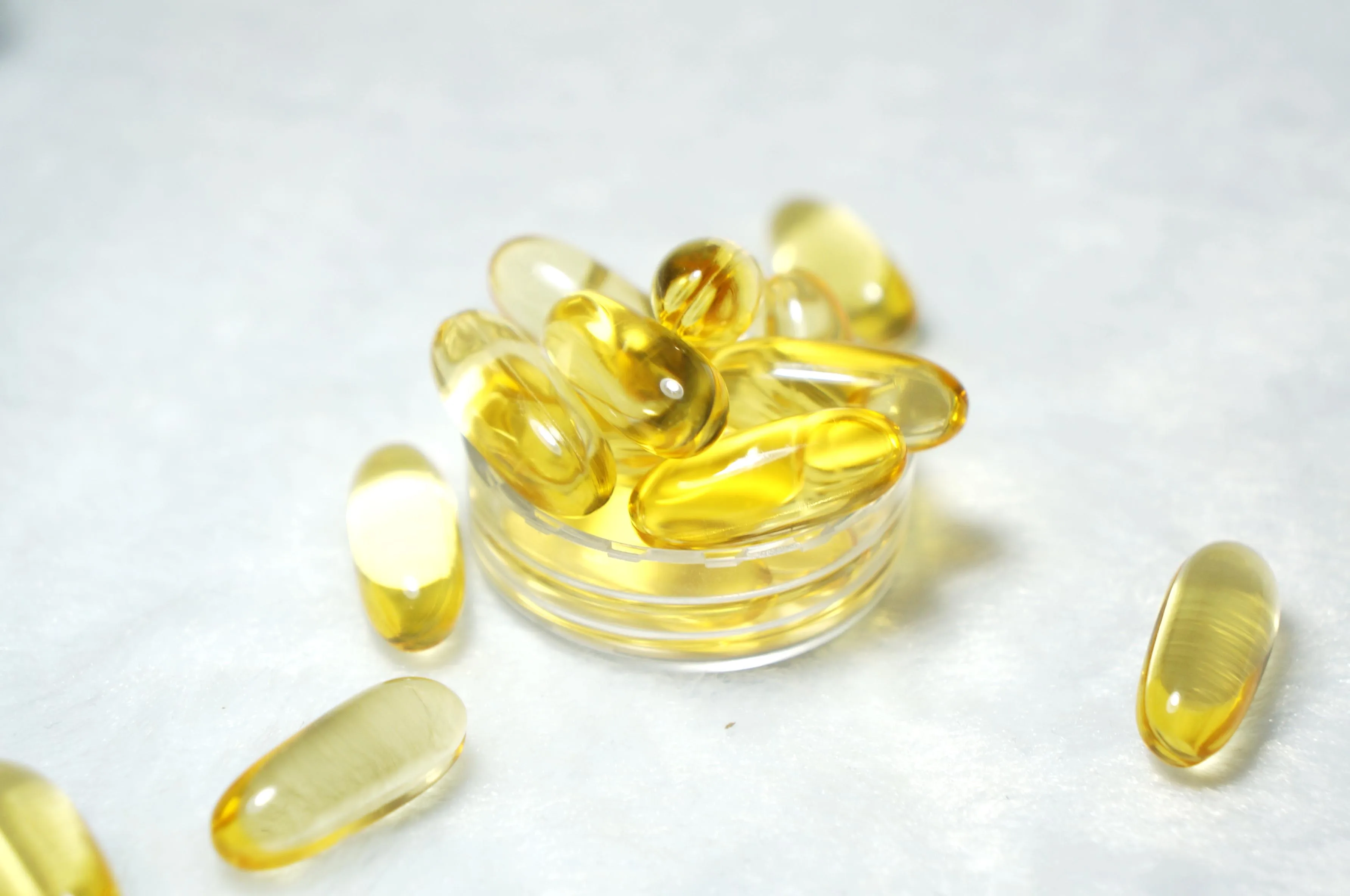
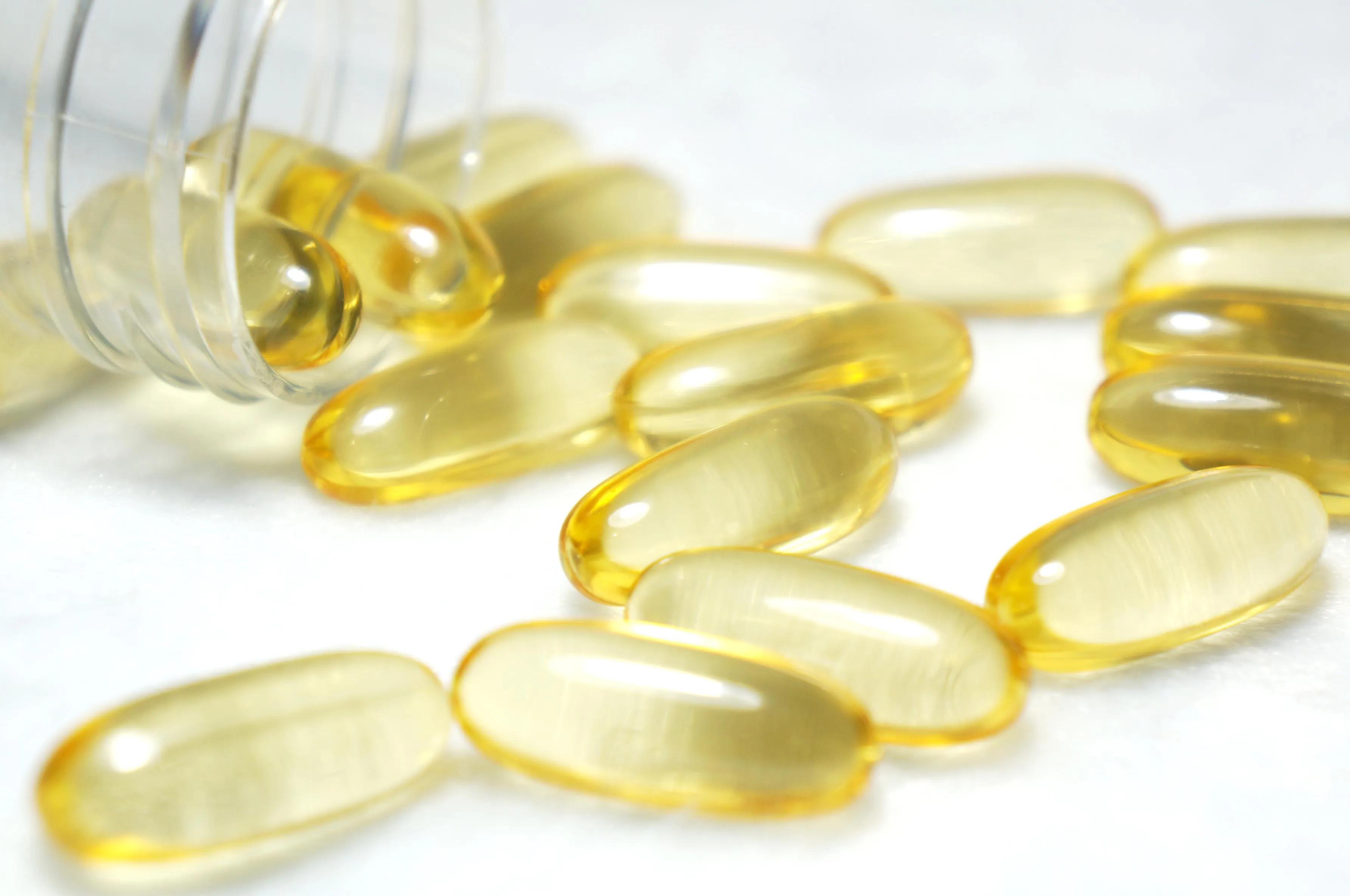
GMP высокое качество OEM и ODM Мягкий гель витамин k и жировая кислота Омега 3 6 9 капсул
- Category: Regulation of Blood System >>>
- Supplier: Shandong Health Source Biological Engineering Co. Ltd.
Share on (62003066652):
Product Overview
Description
GMP Certified Quality and lower blood pressure Function omega 3 fish oil


Omega−3 fatty acids, also called ω−3 fatty acids or n−3 fatty acids,[1] are polyunsaturated fatty acids (PUFAs).[2][3] The fatty acids have two ends, the carboxylic acid (-COOH) end, which is considered the beginning of the chain, thus "alpha", and the methyl (-CH3) end, which is considered the "tail" of the chain, thus "omega". One way in which a fatty acid is named is determined by the location of the first double bond, counted from the tail, that is, the omega (ω-) or the n- end. Thus, in omega-3 fatty acids the first double bond is between the third and fourth carbon atoms from the tail end. However, the standard (IUPAC) chemical nomenclature system starts from the carboxyl end.
Omega-6 fatty acids (also referred to as ω-6 fatty acids or n-6 fatty acids) are a family of polyunsaturated fatty acids that have in common a final carbon-carbon double bond in the n-6 position, that is, the sixth bond, counting from the methyl end.[1] Members of the family can have pro-inflammatory or anti-inflammatory effects.[2]
The biological effects of the omega-6 fatty acids are largely produced during and after physical activity for the purpose of promoting growth and during the inflammatory cascade to halt cell damage and promote cell repair by their conversion to omega-6 eicosanoids that bind to diverse receptors found in every tissue of the body.
Omega-9 fatty acids (ω−9 fatty acids or n−9 fatty acids) are a family of unsaturated fatty acids which have in common a final carbon–carbon double bond in the omega−9 position; that is, the ninth bond from the methyl end of the fatty acid.
Dosage Available


Packaging Available

Our Service
1) Contract manufacturing

2) Pre-designed formulations

3) Private label

Production Process

Lab & Testing

Quality Control

Why Choose Us
- 100,000 air purification GMP certified production plant
- Production & testing equipment from South Korea,Italy,US and Japan
- Full range of testing capability from raw materials to finished products
- Be able to produce 5 major food supplement dosage
- 4 years of production experience of over 1000 formulas,0 quality complaint till now


We Recommend


New Arrivals
New products from manufacturers at wholesale prices